

Achieving longer, fuller-looking lashes has become a major beauty priority for many, but the surge in popularity of lash enhancement products has sparked a necessary conversation regarding safety. When asking is Grande Lash Serum safe, it is essential to look beyond marketing claims and examine the specific chemical composition of the formula.
This serum is a cosmetic product designed to enhance the appearance of natural lashes, but its active ingredients interact with the delicate skin of the eyelid and the physiology of the hair follicle. Understanding the biological impact of these components is the first step in determining whether this product aligns with your personal health standards and skin sensitivity profile.
Understanding the Role of Prostaglandin Analogs
The primary point of contention in the safety debate surrounding lash serums is the presence of prostaglandin analogs. In the case of Grande Lash, the specific ingredient used is isopropyl cloprostenate. These compounds are chemically related to medications originally developed to treat glaucoma.
When researchers observed that patients using these eye drops experienced significant lash growth as a side effect, the cosmetic industry capitalized on this discovery. However, the concentration and delivery method in a cosmetic serum differ significantly from a prescription-grade ophthalmic solution.
Prostaglandin analogs function by extending the growth phase, also known as the anagen phase, of the lash growth cycle. By keeping the follicle in a state of active production for a longer duration, the lashes appear longer and thicker before they eventually shed. While this mechanism is effective at producing the desired aesthetic result, it introduces potential physiological risks.
Because these ingredients are biologically active, they can influence the surrounding tissues, including the skin of the eyelid and the sensitive structures within the eye itself. Consumers must weigh the desire for aesthetic enhancement against the potential for biological side effects that are common with potent compounds of this class.
Common Ocular Side Effects and Sensitivities
When evaluating if the product is safe for your specific needs, you must consider the potential for ocular side effects. Because the serum is applied directly to the lash line, there is a natural risk of the product migrating into the eye or being absorbed by the thin, porous skin of the eyelid.
Some users report sensations of burning, stinging, or redness, which are often indicative of eyelid irritation. This is particularly common in individuals who have pre-existing ocular conditions or who are particularly sensitive to topical chemical applications.
Furthermore, there is a documented concern regarding the impact of these ingredients on the meibomian glands. Meibomian gland dysfunction occurs when the oil-producing glands in the eyelids become blocked or inflamed. Since these glands are crucial for maintaining the tear film, any interference with their function can lead to chronic dry eye symptoms.
If you already suffer from dry eyes, blepharitis, or other ocular surface issues, the use of a serum containing prostaglandin analogs requires careful consideration and, ideally, consultation with an ophthalmologist. Ignoring these early warning signs of irritation can lead to more persistent discomfort and may necessitate discontinuing use entirely to allow the ocular surface to recover.
Hyperpigmentation and Eyelid Darkening
One of the more visible and frequently discussed side effects associated with the use of prostaglandin-based serums is eyelid darkening or periocular hyperpigmentation. This occurs because the active ingredients can stimulate melanocytes—the cells responsible for pigment—in the skin surrounding the application site.
For many users, this manifests as a subtle brownish tint along the lash line. While this is often reversible upon cessation of the product, it can be a source of frustration for those who are not expecting a change in their skin tone.
In more extreme cases, there have been reports of iris discoloration, particularly in individuals with lighter-colored eyes. While this is more commonly associated with prescription eye drops used directly in the eye, the proximity of application means that systemic or local absorption cannot be entirely ruled out.
The risk profile is not identical for every user; genetics and individual skin chemistry play a significant role in how one reacts to these ingredients. If you notice any darkening of the skin or changes in the appearance of your iris, it is generally recommended to stop the application immediately and monitor the area for improvement.
Navigating FDA Cosmetic Regulations
A common point of confusion for consumers is the distinction between drug products and cosmetic products under FDA cosmetic regulations. In the United States, lash serums are generally classified as cosmetics, not drugs.
This is a critical distinction because it means these products do not undergo the same rigorous, mandatory clinical trials that pharmaceutical medications must pass before reaching the market. While the manufacturer may conduct their own internal safety testing, the oversight is fundamentally different from that of a prescription medical device or treatment.
This lack of federal pre-market approval does not mean the product is unregulated, but it does mean the burden of safety assessment often falls on the consumer and the manufacturer. Cosmetic safety standards require that ingredients be generally recognized as safe for their intended use, but the long-term, cumulative effects of daily application of prostaglandin analogs are still a subject of ongoing debate within the dermatological community. When you decide to use such a product, you are participating in a personal experiment regarding your tolerance to these specific, potent active ingredients.
Strategic Application and Patch Testing
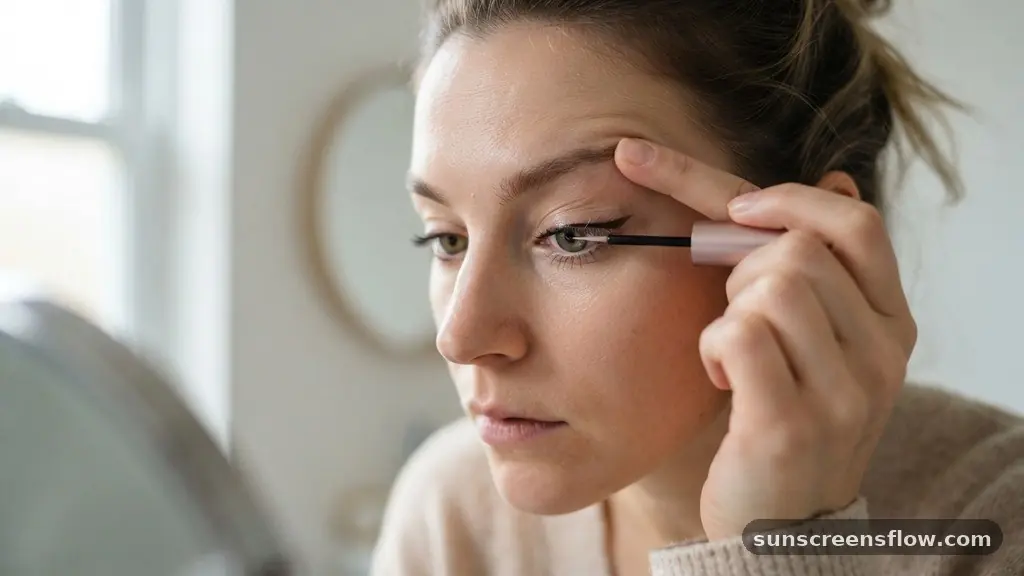
If you decide that the benefits outweigh the risks, proper serum application is the most effective way to minimize potential harm. Most irritation occurs when users apply too much product or apply it too frequently.
The goal is to apply a very thin line to the skin at the base of the upper lashes only. Avoid getting the serum into the eye itself, and do not apply it to the lower lash line, as the skin there is even thinner and more prone to absorption and irritation.
Before committing to a full routine, patch testing is an essential safety step. Apply a small amount of the serum to a discreet area, such as the skin behind your ear or the inner forearm, and wait 24 to 48 hours to observe for any signs of an allergic reaction, such as redness, itching, or swelling.
If you have sensitive skin, this step is non-negotiable. Additionally, if you are a contact lens wearer, it is advisable to remove your lenses before applying the serum and wait at least 15 to 20 minutes before reinserting them to ensure the product has fully absorbed and dried, reducing the chance of the serum trapping against the lens surface.
Comparison of Lash Serum Safety Profiles
To better understand where Grande Lash fits into the broader market, it is helpful to categorize common ingredients and their typical safety profiles. The following table provides a high-level comparison of the types of ingredients often found in lash enhancement products.
| Ingredient Category | Primary Mechanism | Common Safety Concerns |
|---|---|---|
| Prostaglandin Analogs | Extends growth cycle | Irritation, discoloration, gland issues |
| Peptides | Supports follicular health | Generally low risk, rare sensitivity |
| Biotin/Vitamins | Conditions existing hair | Negligible risk, minimal growth effect |
| Botanical Extracts | Soothing/Conditioning | Potential for contact dermatitis |
As indicated, the primary safety concerns are largely tied to the potent prostaglandin analogs. Products that rely solely on peptides or conditioning agents tend to have a much more favorable safety profile but may offer less dramatic results in terms of total lash length. Consumers often choose their path based on their tolerance for risk versus their desire for efficacy.
The Importance of Follicular Health
Beyond the surface-level appearance, it is important to consider the long-term impact on follicular health. The lash follicle is a delicate structure, and constant stimulation with active compounds can sometimes lead to unexpected outcomes, such as lash breakage or premature shedding.
If the follicle is forced into an extended growth phase without adequate nutritional support, the hair shaft itself may become brittle or thin. This is why many high-quality formulas combine active growth stimulants with conditioning agents like hyaluronic acid or amino acids.
Maintaining the health of the base of the lash is just as important as the length of the lash itself. Over-reliance on serums can sometimes mask underlying issues like poor makeup removal habits or nutritional deficiencies.
If you find your lashes are consistently breaking, it may be a sign that your follicles are stressed. In such cases, taking a “serum holiday”—a period of several weeks without using any enhancement products—can allow the follicles to reset and recover their natural strength.
Addressing Topical Gaps and Common Misconceptions
Many users ask if it is possible to achieve results without the risks associated with prostaglandin analogs. The answer lies in the growing market of prostaglandin-free alternatives.
These products typically use a blend of peptides, botanical extracts, and conditioning vitamins to support the appearance of lashes. While they may take longer to show results and may not produce the same extreme length as prostaglandin-based serums, they are often considered safer for individuals with chronic dry eye or those who have experienced negative reactions to stronger formulations.
Another common misconception is that “natural” ingredients are always safer. Many plant extracts can be potent allergens, and even natural oils can cause meibomian gland blockage if applied too heavily.
Safety is not defined by the source of the ingredient, but by its concentration, purity, and the user’s individual physiological response. Always verify the full ingredient list rather than relying on marketing labels like “natural” or “clean,” as these terms are not strictly regulated in the beauty industry.
Expert Recommendations for Safe Use
To ensure the safest experience, consider following these guidelines developed from general dermatological and ophthalmic best practices:
- Consult with your eye doctor if you have a history of glaucoma, dry eye, or ocular surgery.
- Always perform a patch test on your skin before applying the product near your eyes.
- Use the minimum amount of product; more is not better and increases the risk of migration into the eye.
- Avoid using the serum if you are pregnant or nursing, as safety data in these populations is limited.
- If you experience persistent redness, swelling, or vision changes, discontinue use immediately.
- Keep the applicator clean to prevent bacterial contamination, which can lead to infections.
By adhering to these principles, you can significantly reduce the likelihood of adverse events while still working toward your aesthetic goals. It is also wise to monitor your lash condition periodically.
If you notice that your lashes are becoming more brittle or that your eyelids are looking inflamed, do not ignore these signs. Your eyes are among your most sensitive organs, and their long-term health should always take precedence over cosmetic enhancement.
FAQ
What are the most common side effects of using lash serums?
The most frequently reported side effects include redness of the eyelid, stinging or burning sensations upon application, and irritation of the eye surface. Some users also experience darkening of the eyelid skin or, in rarer cases, subtle changes to the iris color in lighter-eyed individuals.
Is it safe to use lash serum if I wear contact lenses?
It is generally safe, but you must take precautions. Always remove your contact lenses before applying the serum to prevent the product from becoming trapped between the lens and your eye. Wait at least 15 to 20 minutes after application before reinserting your lenses to ensure the serum has dried.
Can I continue using the serum if I notice my eyelids getting darker?
Eyelid darkening is a known side effect of prostaglandin analogs. If you notice this, it is usually recommended to stop using the product. While the darkening is often reversible after you cease application, continuing to use the serum will likely cause the pigmentation to persist or worsen over time.
Are there effective alternatives for those who cannot use prostaglandin-based serums?
Yes, there are many hormone-free and prostaglandin-free alternatives available. These products typically utilize peptides and conditioning agents to strengthen the lashes and improve their appearance over time. While they may not provide as dramatic results as prostaglandin-based options, they carry a significantly lower risk of ocular side effects.
Conclusion
Determining whether Grande Lash Serum is safe is a nuanced process that requires an honest assessment of your personal health history and your tolerance for potential side effects. While the product is effective for many, the presence of isopropyl cloprostenate means it is a biologically active compound that can influence ocular health, skin pigmentation, and follicle function.
By prioritizing proper application techniques, performing necessary patch tests, and listening to your body’s response, you can make an informed decision that balances your aesthetic desires with your long-term well-being. Always remember that when it comes to the delicate area around your eyes, caution and awareness are your best tools for maintaining both beauty and health.


