


Determining whether your serum or moisturizer should come first in your skincare routine is a common point of confusion for many people looking to optimize their daily regimen. The simple rule of thumb is to apply products from the thinnest consistency to the thickest, which almost always means the serum goes on before your cream.
Understanding the science behind this sequence helps ensure your skin receives the maximum benefit from your active ingredients without interference. By following this logical progression, you allow your skin to absorb potent treatments before sealing everything in with a protective barrier.
The Fundamental Rule of Skincare Layering
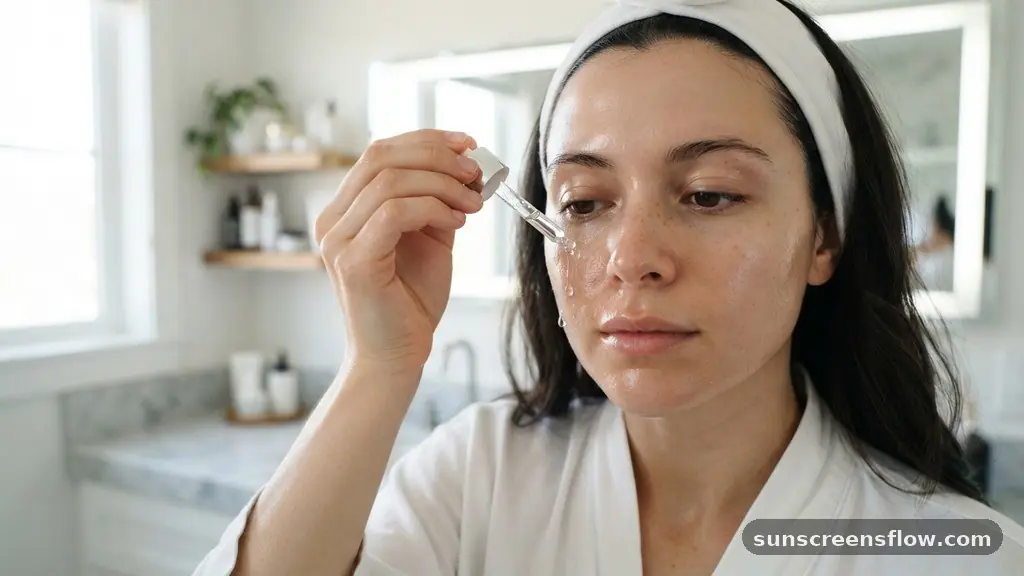
When you decide what goes on first, serum or moisturizer, you are essentially following the physics of absorption rate. Serums are typically formulated with a low molecular weight, allowing them to penetrate deeper into the skin layers to deliver concentrated active ingredients.
Because these formulas are often water-based, they need direct contact with your skin to work effectively. If you were to apply a thick, heavy cream first, you would be creating a physical barrier that prevents the lighter serum from reaching its target.
Think of your skin like a sponge. If you saturate the sponge with a heavy oil or wax-based product, it cannot absorb the water-based nutrients you might apply afterward. By applying your serum while the skin is slightly damp from a toner or cleanser, you improve the dermal penetration of ingredients like hyaluronic acid or vitamin C.
Once the serum has had a minute or two to sink in, it is time to move to the next step of your routine. This method ensures that each product serves its intended purpose without competing for space on your skin surface.
Understanding the Role of Molecular Weight
The secret to a successful skincare routine order lies in the density and texture of your products. Water-based products are designed to be thin and spreadable, which means they contain smaller molecules capable of passing through the stratum corneum. In contrast, moisturizers are often engineered to provide occlusion, which is the process of creating a seal over the skin to prevent trans-epidermal water loss. This seal is vital for keeping the skin hydrated, but it is counterproductive if applied before your treatment steps.
If you are using multiple serums, you should even layer those from thinnest to thickest. A watery, liquid-like serum should always precede a thicker, gel-like serum. This hierarchy is not just a suggestion but a necessity for efficacy.
If you apply a thick, viscous product first, you essentially wall off your pores from the lighter, more delicate serums. By respecting the molecular weight of your products, you ensure that every drop of your expensive skincare investments actually reaches the layers of the skin where they can do the most good.
The Science of Occlusion and Skin Hydration
Moisturizers serve a primary function that differs significantly from serums: they protect the skin barrier. By using ingredients like ceramides, fatty acids, and heavier emollients, a good moisturizer locks in the moisture provided by your humectants.
If you apply your moisturizer first, you are essentially putting a lid on an empty jar. You haven’t provided the hydration or the targeted treatments that the skin needs to thrive.
When you apply your serum first, you are introducing beneficial ingredients like niacinamide or antioxidants. The moisturizer then acts as a blanket, trapping those ingredients against the skin and preventing them from evaporating into the air. This process of occlusion is the final step in your routine for a reason.
It creates a stable environment where your skin can repair itself, maintain its pH balance, and stay plump throughout the day. Skipping this step or reversing the order can leave your skin feeling dry, tight, or inadequately treated, regardless of how high-quality your products are.
How Texture Influences Your Routine
To visualize the order, it helps to look at the consistency of your entire collection. Most people find it helpful to categorize their products by their physical state.
If you are ever in doubt about what to use, look at the bottle. A serum is almost always in a dropper bottle or a pump, while moisturizers come in jars or tubes designed for thicker creams.
| Product Type | Typical Consistency | Primary Function |
|---|---|---|
| Toner | Watery | Prep and pH balance |
| Serum | Lightweight/Gel | Targeted treatment |
| Moisturizer | Cream/Lotion | Seal and protect |
| Facial Oil | Oily | Final occlusive layer |
This table highlights the logical flow of a standard routine. You start with the most fluid product and end with the most substantial. If you incorporate a facial oil, it should almost always be the very last step.
Because oils are the heaviest, they can penetrate through most moisturizers, but nothing can penetrate through them. Following this simple hierarchy removes the guesswork and helps you build a routine that actually yields results.
Addressing Common Topical Gaps
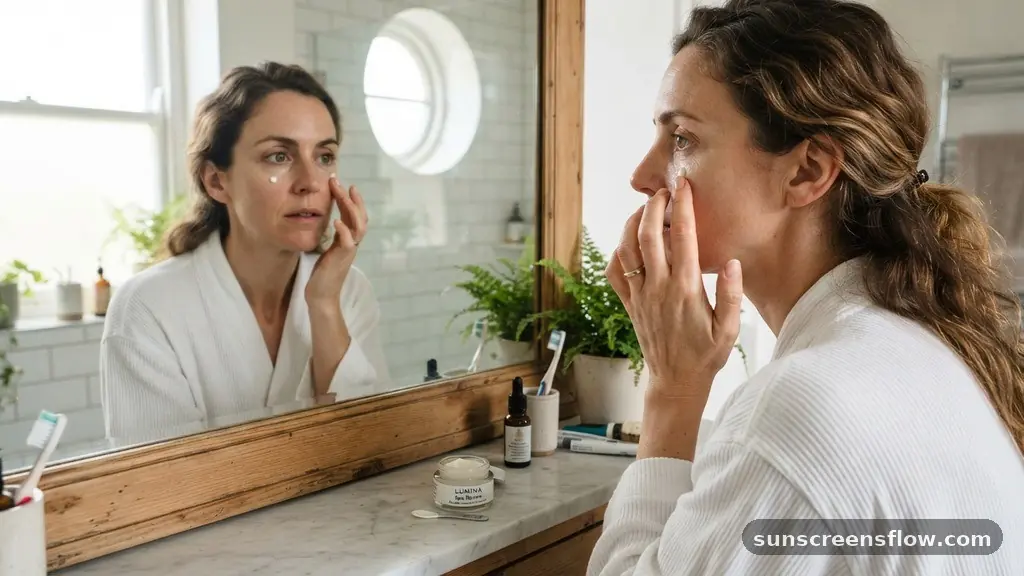
A frequent point of confusion involves the placement of eye cream. Many people wonder if it should go before or after a serum. Generally, because the skin around the eyes is thinner and more delicate, you want to ensure the product has the best chance of absorption.
Applying eye cream after your serum but before your moisturizer is often the safest bet. This prevents the heavier, potentially irritating ingredients in your facial moisturizer from being dragged into the sensitive eye area.
Another gap in knowledge is the use of acne treatments or prescription topicals. If you are using a medicated gel, check with your dermatologist regarding its specific placement. Some prescriptions are designed to go on clean, dry skin to avoid irritation, while others are layered.
If you are using a product that contains strong acids, it might be best to apply it after your toner but before your hydrating serum. Always prioritize the instructions provided by your skincare professional over general rules, as active medication requirements can vary significantly from standard cosmetic layering.
Why Order Matters for Active Ingredients
The efficacy of your active ingredients relies entirely on their ability to interact with your skin cells. Ingredients like Vitamin C are notoriously unstable and require specific conditions to work.
If you apply a heavy moisturizer over your skin before your Vitamin C serum, the serum may not reach the desired depth, or the pH of your moisturizer might neutralize the activity of the Vitamin C. This is why the order of application is not just about comfort; it is about chemistry.
When you allow a serum to absorb for 60 seconds before moving on, you are giving the active ingredients a head start. This waiting period is often overlooked, yet it is a critical component of a professional skincare routine.
It allows the serum to settle into the pores and begin its work before the heavier cream comes along to seal the surface. If you rush the process by layering everything at once, you risk pilling, where the products clump together on the surface of your skin rather than absorbing into it.
Managing Concerns About Pore Clogging
One concern people have when layering multiple products is the risk of pore clogging. While it is true that using too many products can lead to congestion, the order of application is usually not the culprit. Instead, the issue often lies in the ingredients themselves.
If you are prone to breakouts, look for non-comedogenic formulas. When you layer correctly, you are actually using less product overall because each item is placed where it can be most effective, rather than applying a thick layer of cream everywhere to compensate for a lack of serum absorption.
If you feel like your skin is getting congested, consider simplifying your routine. You do not need five different serums. A well-chosen, high-quality serum and a lightweight, effective moisturizer are often enough to maintain a healthy skin barrier.
Focus on ingredients that support skin health, such as ceramides for repair or hyaluronic acid for moisture, rather than layering multiple products that perform similar functions. Consistency and quality will always beat complexity.
Adjusting for Your Unique Skin Type
Your skin type dictates how much product you actually need and how it will interact with your complexion. An oily skin type might find that a lightweight serum is enough to provide hydration, making a heavy moisturizer unnecessary. Conversely, someone with very dry skin might need the serum, the moisturizer, and a final layer of oil to prevent trans-epidermal water loss.
Don’t be afraid to customize the process. If you notice that your skin feels greasy by midday, you might be using too much moisturizer or products that are too heavy for your needs. If your skin feels tight or dehydrated, you might need to add a humectant-rich serum before your moisturizer.
The goal is to create a routine that feels comfortable and addresses your specific concerns. Pay attention to how your skin reacts over a two-week period, and adjust the amount of product accordingly.
The Importance of Patience in Your Routine
Achieving healthy skin is a marathon, not a sprint. While knowing the correct order is a great start, the most important factor is consistency.
Applying your products in the right sequence—serum first, moisturizer second—is a habit that will eventually become second nature. Over time, you will notice that your skin texture improves, your hydration levels remain steady, and your active ingredients are finally doing their job.
If you ever feel overwhelmed by the number of steps in your routine, remember that you can always scale back. A basic routine consisting of a gentle cleanser, a targeted serum, and a moisturizer is the foundation of good skin health.
You don’t need a ten-step process to get great results. Focus on high-quality ingredients, respect the order of application, and give your skin the time it needs to absorb the nutrients you are providing.
Frequently Asked Questions
Does it matter if my serum and moisturizer are from the same brand?
It is not strictly necessary to use products from the same brand. While companies often formulate their lines to work well together, the most important factor is the consistency and the active ingredients. As long as you follow the thinnest-to-thickest rule, you can mix and match brands effectively.
Can I mix my serum into my moisturizer to save time?
It is generally better to apply them separately. Mixing them can alter the pH of the products or prevent the serum from penetrating the skin effectively. Applying them in sequence ensures that the serum has direct contact with your skin, which is essential for the active ingredients to work properly.
What happens if I apply moisturizer before my serum?
Applying moisturizer first creates a barrier that prevents the serum from being absorbed. The serum will likely sit on top of the cream and eventually evaporate or rub off, meaning your skin won’t get the benefit of the concentrated ingredients. Always stick to the thinnest-to-thickest rule.
How long should I wait between applying serum and moisturizer?
Waiting about 60 seconds is usually sufficient. You want the serum to feel slightly tacky or dry to the touch before you apply your moisturizer. This short pause allows the serum to penetrate the skin and prevents the products from pilling or clumping on your face.
Understanding the correct order of your skincare products is the most effective way to ensure your investment in your routine pays off. By applying your serum first, you allow the potent active ingredients to penetrate deeply, while your moisturizer provides the necessary seal to lock in hydration and protect your skin barrier. Remember that the thinnest-to-thickest rule is your best friend when it comes to layering.
Whether you are using a simple routine or a more complex regimen, consistency is the key to achieving long-term skin health. Start by assessing your products, organizing them by texture, and giving your skin the time it needs to absorb each step. If you have questions about your specific products or skin concerns, feel free to reach out for more personalized advice on building your routine.


