

Many patients and students alike often confuse the liquid portions of blood, yet understanding what is the difference between serum and plasma is essential for accurate medical diagnostics. While both substances appear as clear, straw-colored fluids, their biochemical profiles differ significantly based on how they are processed in the laboratory.
By examining the presence of clotting factors and the specific methods used during collection, we can clearly distinguish between these two vital components. Whether you are preparing for a clinical rotation or simply curious about how your blood work is processed, grasping these nuances provides a deeper appreciation for the precision involved in modern laboratory medicine.
The Fundamental Composition of Blood
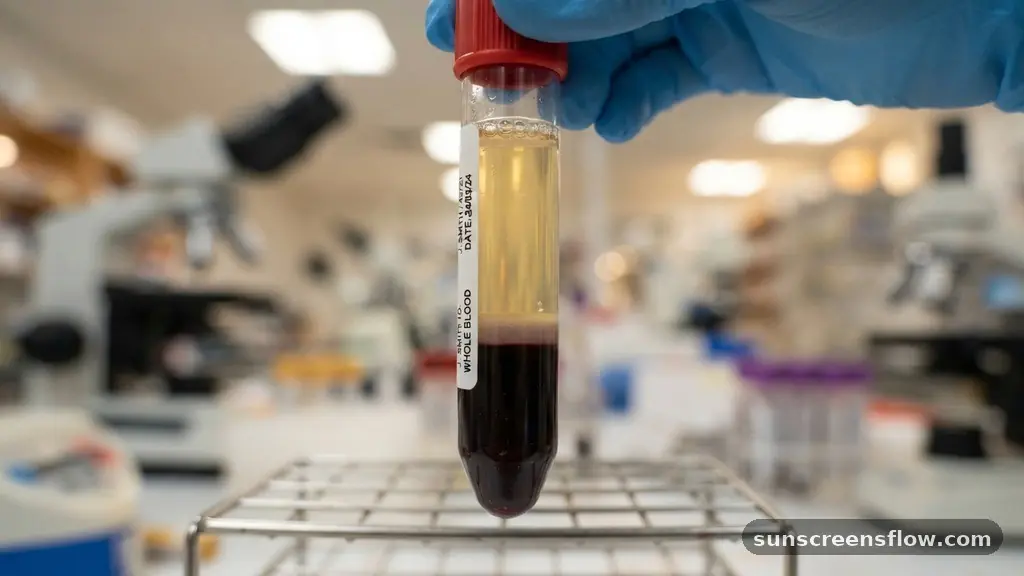
Human blood is a complex connective tissue, functioning as the primary transport system for oxygen, nutrients, and waste products. When you look at a sample of whole blood, it is composed of formed elements—red blood cells, white blood cells, and platelets—suspended in a liquid matrix.
This matrix is what we collectively refer to as plasma, provided that the blood has not been allowed to clot. Once the blood is removed from the body, it naturally initiates a defense mechanism to prevent fluid loss.
The transition from whole blood to either serum or plasma depends entirely on whether this coagulation process is allowed to occur. When the blood remains in its natural state, it contains a high concentration of proteins specifically designed to create a fibrin mesh. These proteins, known as clotting factors, are suspended within the fluid.
If you remove the cellular components while keeping these proteins intact, you obtain plasma. If you allow the blood to clot and then remove the solid mass, you are left with serum. Understanding this distinction is the first step in mastering clinical pathology.
The Role of Clotting Factors and Fibrinogen
The primary divergence between these two fluids lies in the presence of fibrinogen. In its natural, circulating state, blood plasma contains a variety of coagulation proteins, including fibrinogen, prothrombin, and various factors that facilitate the formation of a clot.
When a vessel is injured, these proteins work in a cascade to turn liquid blood into a solid gel, effectively plugging the leak. This process is absolutely vital for survival.
In the laboratory, we manipulate this process to isolate the specific liquid we need for testing. When we collect plasma, we use an anticoagulant to prevent the cascade from starting. Consequently, all the original clotting factors remain present in the fluid.
In contrast, when we collect blood for serum, we allow the coagulation process to run to completion. During this time, fibrinogen is converted into fibrin, which forms the structure of the clot.
Because the fibrinogen is consumed in the process, it is absent from the final serum sample. This chemical difference dictates which type of test a laboratory can perform on a given sample.
Laboratory Processing and Centrifugation
To separate these components, laboratories rely on the physical process of centrifugation. By spinning blood tubes at high speeds, the laboratory technician forces the dense cellular components to the bottom of the tube.
The speed and duration of this spin are carefully calibrated to ensure a clean separation. The liquid that remains at the top of the tube, sitting above the cells or the clot, is known as the supernatant.
The specific type of collection tube used determines the outcome of this spin. If a tube contains an anticoagulant, the cells are pushed to the bottom, but the coagulation proteins stay in the liquid phase, resulting in plasma. If a tube has no additive, or if it contains a clot activator, the blood forms a solid mass.
The supernatant retrieved from this clotted blood is serum. This mechanical separation is a cornerstone of modern hematology, allowing clinicians to analyze biochemical markers without the interference of blood cells.
Types of Anticoagulants Used in Phlebotomy
When medical professionals perform phlebotomy, the choice of tube is critical because different additives interact with the blood in distinct ways. If the goal is to collect plasma, the technician must ensure the blood never touches the cascade-triggering surface of a plain glass or plastic tube. They use specific blood collection tubes that contain chemical agents to halt the clotting process immediately.
Common anticoagulants include:
- EDTA: Frequently used for hematology tests because it preserves the morphology of white blood cells and prevents platelet aggregation.
- Heparin: Often used for chemistry panels because it interferes the least with various chemical reactions and enzyme levels.
- Sodium citrate: Specifically used for coagulation studies because it binds calcium in the blood, which is a necessary cofactor for the clotting process.
Because these chemicals are added to the tube, the resulting plasma retains the chemical signature of the anticoagulant. This is a key reason why laboratory protocols are so strict regarding which tube is used for which test; using the wrong tube can introduce contaminants that skew the results of metabolic panels or enzyme assays.
Diagnostic Testing Applications
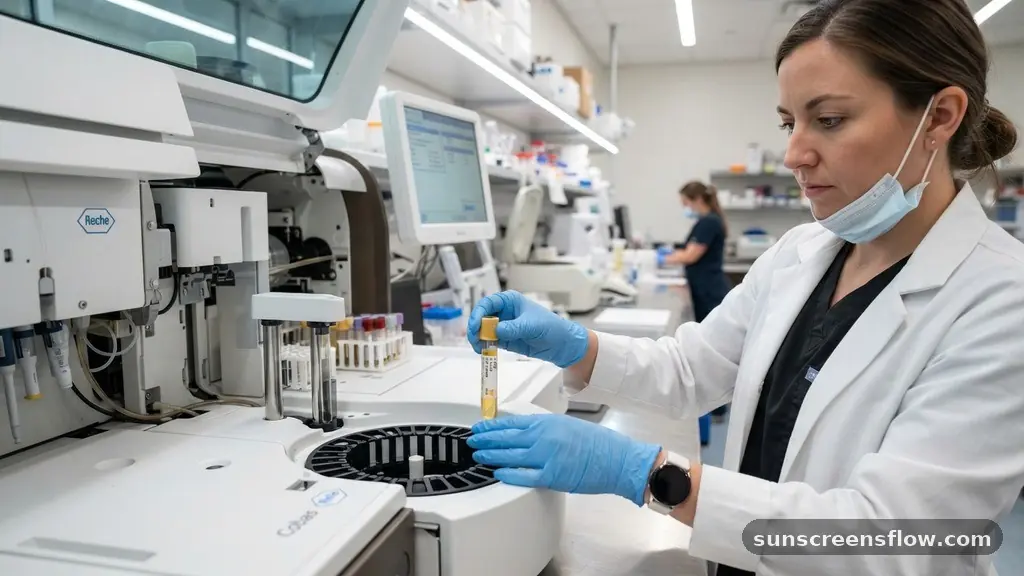
Deciding between serum and plasma often comes down to the specific diagnostic test being requested. Serum is generally the gold standard for clinical chemistry, such as measuring cholesterol, electrolytes, and liver enzymes.
Since the clotting process has already occurred, there is no risk of fibrin strands interfering with the automated machinery used in modern laboratories. The clear, stable nature of serum makes it ideal for these types of high-volume assessments.
Plasma, however, is preferred for tests where the clotting factors themselves are the subject of investigation, or where time is of the essence. For instance, in an emergency setting, waiting for a sample to clot can take thirty to sixty minutes.
Plasma can be centrifuged and analyzed almost immediately after collection. Additionally, certain tests, such as those measuring specific hormones or inflammatory markers, may provide more accurate results when the blood is processed as plasma to avoid the potential degradation that can occur during the clotting phase.
Common Differences at a Glance
To better understand the differences between these two fluids, it helps to view them side-by-side in terms of their physical and chemical attributes. While they look similar to the naked eye, their molecular contents are distinct.
| Feature | Plasma | Serum |
|---|---|---|
| Clotting Factors | Present | Absent |
| Fibrinogen | Present | Absent |
| Processing Time | Immediate | Requires Clotting Time |
| Anticoagulant | Required | Not Required |
This table highlights why clinical pathology departments maintain such rigorous standards for sample handling. Even a minor deviation in the collection process—such as using the wrong tube or failing to mix the anticoagulant properly—can lead to sample rejection. Ensuring the correct fluid is obtained is the first step in ensuring patient safety and accurate diagnosis.
Addressing Common Misconceptions
A common gap in understanding involves the use of the serum separator tube. Many people assume that because it is a “separator” tube, it must be plasma.
In reality, these tubes contain a gel that sits between the clot and the liquid fraction after centrifugation. The gel is designed to create a physical barrier, allowing the serum to be easily poured or pipetted off without contaminating it with the cells trapped in the clot below.
Another misconception is that serum is simply “blood without cells.” This ignores the crucial chemical transformation that occurs during clotting.
Serum is not merely the liquid portion of blood; it is a modified substance that has been stripped of its ability to clot. Recognizing that serum is a product of the coagulation process helps clarify why it is chemically different from the fluid that would be found circulating in your veins at any given moment.
The Role of Proteins and Metabolic Panels
Both serum and plasma contain a vast array of proteins, the most abundant being albumin and globulins. These proteins are essential for maintaining osmotic pressure and transporting hormones, vitamins, and minerals throughout the body. When a physician orders a metabolic panel, they are looking at the concentration of these substances within the fluid.
Because these proteins are dissolved in the liquid fraction, they are present in both serum and plasma. However, the absence of fibrinogen in serum means that the total protein concentration in serum will be slightly lower than in plasma.
While this difference is often negligible for general screening, it is a point of precision that researchers and pathologists must account for when performing highly sensitive quantitative analyses. The protein composition of these fluids is essentially a snapshot of the body’s current metabolic state.
Clinical Importance of Proper Sample Handling
The integrity of a blood sample is paramount. If a sample is not handled correctly, the results of a diagnostic test can be misleading.
For example, if a serum sample is not allowed to clot completely, or if the centrifugation process is interrupted, the resulting fluid may contain microscopic fibrin strands. These strands can clog the sensitive probes of laboratory analyzers, leading to instrument downtime or, worse, inaccurate patient results.
Phlebotomists and lab staff are trained to follow strict protocols to ensure the quality of the specimen. This includes proper inversion of tubes to mix the anticoagulant, respecting the minimum wait times for clotting, and maintaining the correct temperature during transport. Every step in the chain of custody for a blood sample is designed to protect the distinction between the two fluids, ensuring that the doctor receives the most accurate data possible to guide patient care.
FAQ
Why is plasma used for emergency tests?
Plasma is preferred in emergencies because it does not require the time-consuming process of blood coagulation. While serum requires the blood to sit for 30 to 60 minutes to form a solid clot before it can be centrifuged, plasma can be processed immediately after collection and centrifugation.
Can you convert serum into plasma?
No, you cannot convert serum into plasma. Once the blood has clotted, the fibrinogen has been irreversibly converted into fibrin to form the clot structure. Because the clotting factors are consumed during this process, they cannot be restored to the liquid fraction to recreate plasma.
Does the color of serum and plasma differ?
Generally, both are pale yellow or straw-colored. However, their appearance can change based on the patient’s health. For example, high levels of bilirubin can turn both fluids a darker yellow or amber, while high lipid levels can make them appear milky or cloudy, which may interfere with some testing.
What happens if I use the wrong collection tube?
Using the wrong tube can lead to inaccurate results. For instance, using a tube with an anticoagulant when a serum test is required can inhibit the chemical reactions the analyzer needs to measure. Conversely, failing to use an anticoagulant when plasma is required will result in a clotted sample that is unsuitable for plasma-specific tests.
Conclusion
Distinguishing between these two fluids is fundamental to the practice of medicine and laboratory science. By understanding what is the difference between serum and plasma, we gain a clear view of how clotting factors, fibrinogen, and proper collection techniques shape the results of our diagnostic tests. Whether it is the rapid turnaround of plasma or the stability of serum, each plays a specific role in uncovering the secrets of human health.
Accurate laboratory results rely entirely on the meticulous separation of these components, ensuring that every reading is reliable and clinically relevant. If you ever find yourself reviewing your own lab results, remember that the fluid behind those numbers has undergone a precise, scientifically controlled process to ensure your health is monitored with the highest possible level of accuracy.
Meta Description: Learn the key differences between serum and plasma, including how clotting factors, fibrinogen, and laboratory processing define these two blood components.


