


Selecting the right topical agent is critical when performing collagen induction therapy, as the primary goal of the treatment is to maximize transdermal delivery of beneficial compounds. When you use a microneedling device to create thousands of microscopic channels in the stratum corneum, you are essentially bypassing the skin’s natural defense system. This significantly increases serum penetration, allowing ingredients to reach deeper layers of the dermis that are otherwise inaccessible.
However, this also means that whatever you apply has a direct route to your bloodstream and deeper tissue, making the selection of sterile, high-quality formulations non-negotiable. Using the wrong product can lead to unnecessary inflammation, allergic reactions, or even granuloma formation.
The Role of Hyaluronic Acid in Microneedling
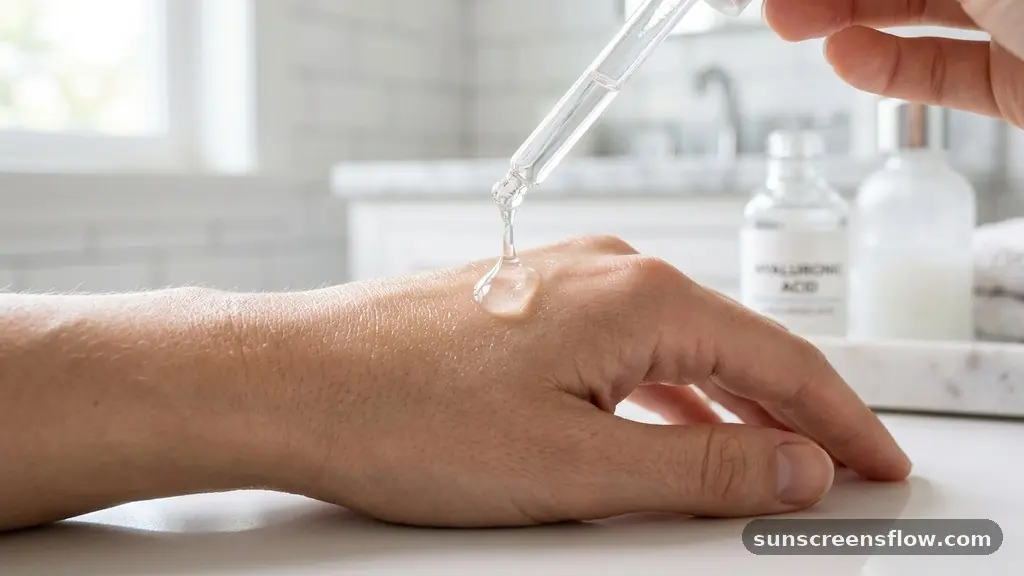
For most practitioners and home users, hyaluronic acid is the gold standard when considering what serum to use with microneedling. This molecule is a natural humectant capable of holding up to 1,000 times its weight in water, which makes it an ideal vehicle for hydration during the recovery phase. Because microneedling often triggers a temporary increase in transepidermal water loss, applying a pure, low-molecular-weight hyaluronic acid serum helps to immediately restore the skin’s moisture balance.
The beauty of hyaluronic acid lies in its inert nature. It is generally considered non-comedogenic and rarely triggers an immune response, which is vital when the skin barrier has been intentionally breached. When selecting a product, ensure it is free from artificial fragrances, dyes, and preservatives that could cause skin sensitization when pushed into the dermis.
A simple, medical-grade formulation is always superior to a complex retail serum packed with unnecessary additives. By maintaining a hydrated environment, you support the skin’s natural wound-healing cascade, ensuring that the inflammatory phase transitions smoothly into the proliferative phase of tissue repair.
Why Sterility and Purity Matter for Topical Application
The most important rule in microneedling is maintaining an aseptic technique. Because you are creating open pathways, any bacteria or contaminants present in your serum can be inoculated directly into the skin.
This is why you should never use standard cosmetic serums that have been sitting on your vanity for months, as these are often exposed to air and harbor microbial growth. Always prioritize sterile vials or single-use ampoules that are specifically designed for clinical use.
If you are unsure about the safety of a product, stick to sterile saline or a pure hyaluronic acid solution. Many enthusiasts make the mistake of assuming that “natural” or “organic” serums are safer, but these products often contain botanical extracts or essential oils that are highly irritating when introduced to the deeper layers of the skin.
If a product is not specifically formulated for post-procedure use, it is best to avoid it entirely. The risk of developing contact dermatitis or a localized infection far outweighs the potential benefits of adding a complex active ingredient to your immediate post-treatment regimen.
Integrating Epidermal Growth Factors for Enhanced Results
If your primary goal for undergoing collagen induction therapy is anti-aging or scar revision, epidermal growth factors (EGF) are often the next step up from simple hydration. These are signaling proteins that stimulate cellular proliferation and tissue regeneration. When applied immediately after the procedure, they act as a “booster” for the body’s own healing mechanisms, potentially shortening your downtime and improving the overall texture of the skin.
However, not all growth factors are created equal. You must look for stabilized versions that are designed for transdermal delivery. Some formulations use plant-derived factors, while others utilize human-derived (or synthetic) proteins.
The efficacy depends heavily on the concentration and the delivery system. While these are potent tools, they should only be introduced once you have confirmed your skin tolerates the basic procedure without excessive irritation. If you experience intense stinging or persistent redness beyond the standard inflammatory response, it is a sign that your skin is not ready for such high-activity ingredients.
Navigating Active Ingredients: What to Avoid
Many users ask if they can use their favorite anti-aging products immediately after microneedling, but the answer is almost universally no. You must avoid strong active ingredients that are designed to resurface or exfoliate the skin.
This includes potent retinoids, high-concentration Vitamin C (L-ascorbic acid), and alpha-hydroxy acids (AHAs). These ingredients are designed to stay on the surface of the skin or provide a controlled irritation to force cell turnover; when introduced into the deeper dermis, they can cause severe chemical burns, prolonged inflammation, and post-inflammatory hyperpigmentation.
Think of your skin as a construction site immediately after the needles have passed. Your priority is to lay the foundation—hydration and protection—not to perform aggressive renovation. Introducing strong acids or retinols before the skin has had at least 48 to 72 hours to close its micro-channels is a recipe for disaster.
Even gentle products can cause issues if they contain harsh preservatives like parabens or phenoxyethanol. Always check the ingredient list for potential irritants before applying anything to your face post-procedure.
The Benefits of Copper Peptides and Niacinamide
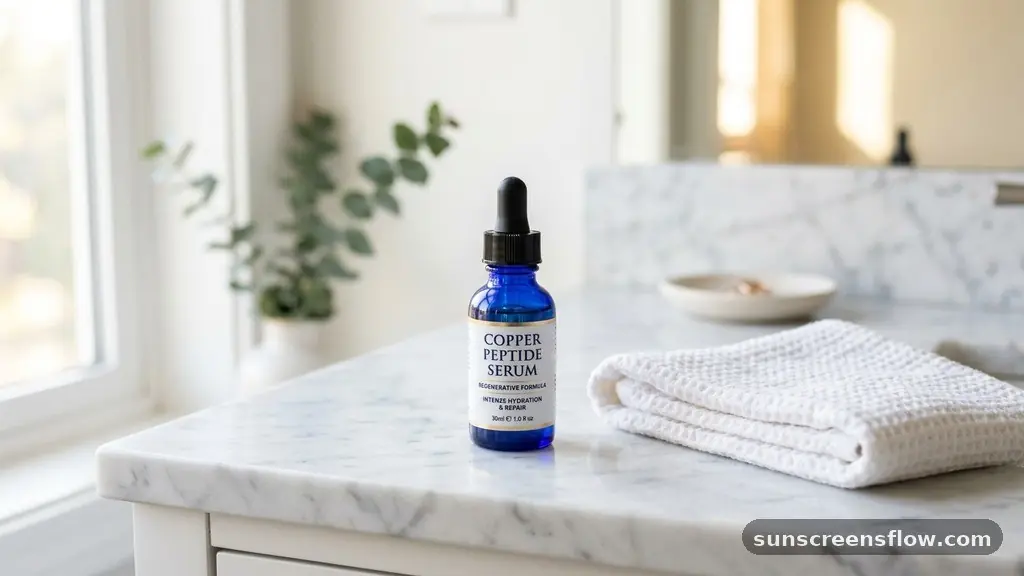
After the initial 24-hour window, you may want to introduce ingredients that support long-term skin health. Copper peptides and niacinamide are excellent candidates for this phase of post-procedure skincare. Copper peptides are known for their ability to promote collagen and elastin production, making them a perfect complement to the mechanical stimulation provided by the needles. They can help speed up the repair process and provide a subtle firming effect.
Niacinamide, or Vitamin B3, is a versatile ingredient that helps calm the skin and improve the appearance of the skin barrier. It is particularly useful if you are prone to redness or acne, as it has anti-inflammatory properties that can soothe the skin while it heals.
When used in a well-formulated serum, niacinamide can help reduce the appearance of enlarged pores and improve overall skin tone. The following table summarizes the common ingredients used during and after the procedure:
| Ingredient Category | Primary Benefit | Usage Timing |
|---|---|---|
| Hyaluronic Acid | Deep Hydration | Immediate |
| Sterile Saline | Cleaning/Safety | Immediate |
| Epidermal Growth Factors | Tissue Repair | 24-48 Hours Post |
| Copper Peptides | Collagen Support | 48+ Hours Post |
| Niacinamide | Barrier Repair | 48+ Hours Post |
Supporting the Skin Barrier with Ceramide Complex
As your skin enters the recovery phase, focusing on the ceramide complex is essential for long-term success. Ceramides are lipids that make up a significant portion of the skin’s outer layer, acting as the “mortar” between your skin cells.
When you damage the barrier through microneedling, you are essentially removing some of this mortar. Replacing it with a high-quality serum or moisturizer containing ceramides, fatty acids, and cholesterol will significantly reduce the risk of irritation and help your skin return to its normal function faster.
Using a product with a ceramide complex is particularly important for individuals with sensitive skin or those who live in dry climates. By reinforcing the barrier, you are not only protecting the skin from environmental stressors but also ensuring that the results of your collagen induction therapy are long-lasting. Healthy skin that is well-protected is much more likely to show the benefits of the procedure, such as improved firmness and a smoother surface, rather than becoming chronically inflamed or damaged from over-treatment.
Addressing Topical Gaps: Common Misconceptions
A common gap in the available information regarding “what serum to use with microneedling” is the confusion between professional-grade products and consumer-grade skincare. Many people assume that because a product is “expensive” or “highly rated” on a retail website, it is suitable for use with a microneedling device. This is a dangerous assumption.
Professional serums are formulated with a specific pH balance and a lack of irritants specifically for this purpose. Retail serums, even those labeled “hyaluronic acid,” often contain surfactants and emulsifiers that are perfectly fine for intact skin but can be highly sensitizing when introduced into micro-channels.
Another gap is the timing of application. Many users believe that they should apply the serum before the needles to act as a lubricant. While this is common in professional settings, it must be done with extreme caution.
If you use a lubricant, it must be completely sterile. If you are performing this at home, it is generally safer to perform the microneedling on clean, dry skin (or with a sterile saline mist) and apply your serum immediately after the channels are created. This ensures you are not pushing surface bacteria into the skin while you work.
Essential Components of a Post-Procedure Routine
To ensure the best outcomes, your routine should be structured to manage the transition from injury to healing. The following list outlines the key steps to take after you have completed your session:
- Cleanse the area with a gentle, non-irritating cleanser only after the recommended waiting period (usually 4-6 hours).
- Apply a sterile, pure hyaluronic acid serum immediately to lock in moisture and soothe the skin.
- Avoid all forms of sun exposure and apply a physical, mineral-based sunscreen once the skin has closed up.
- Transition to a ceramide-rich moisturizer to support the rebuilding of the skin barrier.
- Monitor for signs of infection, such as excessive heat, swelling, or yellow discharge, and consult a professional if these occur.
- Resume your regular active ingredients (like retinoids or Vitamin C) only after the skin has fully recovered, typically 5-7 days later.
Following these steps will help you maximize the benefits of the treatment while minimizing the risks associated with the procedure. It is all about giving your skin the environment it needs to do what it does best: repair itself.
Monitoring Skin Response and Adjusting Protocols
Every individual’s skin reacts differently to microneedling, and it is vital to listen to your skin’s feedback. If you notice persistent redness, itching, or swelling, your skin is signaling that it is overtaxed. In such cases, you should simplify your post-procedure routine immediately.
Stick to the absolute basics: sterile saline, plain hyaluronic acid, and simple protection. Do not try to “fix” the reaction by adding more products, as this will almost certainly exacerbate the skin sensitization.
Over time, you will learn exactly how your skin responds to different ingredients. You may find that your skin loves copper peptides but reacts negatively to certain growth factors, or that you need a heavier moisturizer than others. This is normal.
The key is to keep a record of what you used and how your skin felt in the days following the session. By being methodical and cautious, you turn the procedure into a safe and effective part of your long-term aesthetic strategy. Remember that the goal is to improve the skin’s health, not just its appearance, and that patience is always rewarded with better, more sustainable results.
FAQ
Can I use any serum with microneedling?
No, you should never use just any serum. Many standard cosmetic products contain fragrances, preservatives, and active ingredients that can cause severe irritation or infection when pushed into the skin. Only use products that are sterile and formulated specifically for post-procedure application.
What serum should I use before microneedling?
It is safest to perform microneedling on clean, dry skin or with a sterile saline mist. If you choose to use a lubricant, ensure it is a sterile, medical-grade hyaluronic acid. Avoid any products with active ingredients, acids, or complex additives before the needles have created the channels.
What serum should I use after microneedling?
Immediately after the procedure, use a sterile, pure hyaluronic acid serum to soothe the skin and replace lost moisture. After 24-48 hours, you can introduce gentle, healing ingredients like copper peptides or niacinamide to support recovery, provided your skin is not showing signs of excessive irritation.
How long should I wait to use active ingredients like retinoids?
You should wait until your skin has fully recovered from the procedure, which typically takes 5 to 7 days. Applying retinoids or strong chemical exfoliants too soon can cause significant inflammation, chemical burns, and prolonged recovery times, effectively undoing the benefits of your treatment.
Conclusion
Choosing the right serum to use with microneedling is a fundamental aspect of ensuring both safety and efficacy. By prioritizing sterile formulations and focusing on ingredients that support the skin barrier, such as hyaluronic acid and ceramide complex, you create an optimal environment for the skin to heal and regenerate. The mechanical action of collagen induction therapy is powerful, but it is the topical agents you introduce that determine the final quality of the results.
By avoiding harsh active ingredients during the acute healing phase and carefully introducing restorative compounds, you can successfully navigate the risks of transdermal delivery and achieve a healthier, more radiant complexion. Always remember that when it comes to post-procedure care, less is often more, and the health of your skin should always be the priority over the desire for rapid, aggressive results.


