


Achieving a radiant, plump complexion often hinges on mastering the frequency and application technique of your skincare products. When considering how often to use hyaluronic acid serum, the short answer is that most skin types benefit from daily application, both morning and evening. Because this substance acts as a powerful humectant, it pulls moisture from the environment into the upper layers of your skin, making it a cornerstone for those battling dehydrated skin.
However, simply applying it isn’t enough; understanding the science behind the molecule and how it interacts with your existing skincare routine is essential to unlocking its full potential. By integrating this water-based serum correctly, you can effectively combat transepidermal water loss and maintain a resilient, healthy-looking complexion throughout the day and night.
Understanding the Role of Hyaluronic Acid as a Humectant
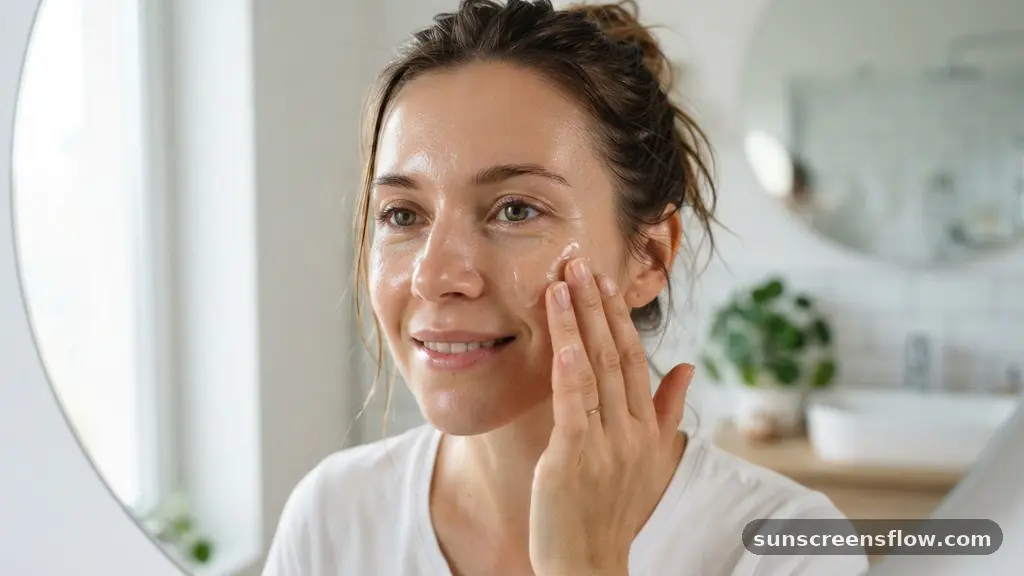
At its core, hyaluronic acid is a naturally occurring polysaccharide found throughout the human body, with the highest concentrations existing in the skin, connective tissues, and eyes. Its primary function in a dermatological context is to act as a humectant.
This means the molecule has the unique capacity to bind to water, holding up to 1,000 times its weight in moisture. When you apply a hyaluronic acid serum, you are effectively creating a reservoir of hydration on the surface of your facial skin.
Unlike oils or heavy creams that sit on the surface, this serum penetrates the stratum corneum to provide deep, non-greasy moisture. The effectiveness of the product often depends on the molecular weight of the acid used in the formulation.
High molecular weight versions sit closer to the surface to provide an immediate smoothing effect, while lower molecular weight variants can penetrate slightly deeper to support long-term skin elasticity. By consistently using the serum, you ensure that your skin maintains its suppleness, preventing the tight, uncomfortable feeling often associated with environmental stressors or seasonal changes.
Applying to Damp Skin for Maximum Absorption
One of the most critical aspects of learning how often to use hyaluronic acid serum is understanding how to apply it to ensure it functions correctly. Because it is a humectant, it seeks out water wherever it can find it.
If your environment is extremely dry and your skin is parched, the molecule may inadvertently pull moisture out of the deeper layers of your skin rather than from the air, potentially leading to increased dryness. This is why experts consistently recommend applying it to damp skin.
After cleansing your face, pat it dry gently but leave it slightly moist. Applying your hyaluronic acid serum while the skin is still damp creates an immediate surplus of water for the serum to lock in. This simple step drastically improves the efficacy of the product and prevents the dreaded “tightening” sensation that some users experience.
Once the serum has been applied, it is vital to follow up with an occlusive or a heavier moisturizer. This “sealing” step is the final piece of the puzzle, as it creates a physical barrier that prevents the moisture you’ve just introduced from evaporating back into the air, effectively reversing the process of transepidermal water loss.
Integrating Hyaluronic Acid into Your Morning and Evening Routine
The versatility of this ingredient allows for morning and evening use, making it one of the most reliable products in any collection. In the morning, it serves as a lightweight base that layers perfectly under sunscreen and makeup, providing a plump canvas without adding excess oil. Using it during your AM routine helps counteract the drying effects of indoor heating or air conditioning, which are notorious for stripping moisture from the complexion.
In the evening, the serum works in tandem with your skin’s natural repair processes. After a long day, your skin barrier is often compromised by pollution and sun exposure. By applying a hyaluronic acid serum as part of your nighttime ritual, you support the recovery of the skin barrier while you sleep.
Many users find that pairing it with other treatments—such as those containing niacinamide or mild peptides—enhances the overall health of the skin. Because it is generally non-irritating, it is safe to use every single day, provided you are layering it correctly beneath your thicker night creams or oils to ensure the hydration stays locked in.
Navigating Ingredient Interactions and Compatibility
One common concern is whether this serum interferes with other active ingredients. Fortunately, hyaluronic acid is incredibly stable and plays well with almost everything, including retinol and acids.
Because it is gentle, it can actually act as a buffer for more potent actives. For example, if you are using a retinoid that tends to cause flaking or irritation, applying a layer of hyaluronic acid beforehand can help mitigate those side effects by keeping the skin hydrated and resilient.
When layering, the general rule of thumb is to apply products from thinnest to thickest consistency. Your water-based serum should almost always come after cleansing and toning but before your heavier creams. You do not need to worry about the pH level of the serum causing issues with other products, as it is largely neutral.
However, if you are using multiple serums, ensure each one has had a moment to absorb before moving to the next. This prevents “pilling,” where products ball up on the skin, and ensures that each ingredient can perform its specific function without being diluted or blocked by a previous layer.
Addressing Topical Gaps: Why Some Users Fail to See Results

A frequent point of confusion among skincare enthusiasts is why they might not see the “plumping” results they expected despite using the product regularly. Often, this isn’t a failure of the serum itself, but a misunderstanding of how to support the skin barrier.
If you are using a high-quality serum but skipping the final step of an occlusive, the water you’ve applied will simply evaporate. This is a classic example of why the “damp skin” rule is non-negotiable.
Another gap in knowledge involves the expectation of immediate, permanent transformation. While hyaluronic acid provides an instant boost in hydration, it is not a cure-all for deep-set wrinkles or severe structural loss. It is a maintenance tool.
To see long-term benefits, you must be consistent. Additionally, users in extremely arid climates may find that a single layer of serum isn’t enough.
In these cases, incorporating a glycerin-based mist throughout the day or using a humidifier in your bedroom can provide the extra moisture the serum needs to function optimally. By treating the serum as part of a holistic system rather than a magic potion, you fill the gaps that lead to dissatisfaction.
Comparing Hyaluronic Acid with Other Hydrating Ingredients
While hyaluronic acid is a powerhouse, it is not the only humectant available. Understanding how it compares to ingredients like glycerin or ceramide complexes can help you tailor your routine.
Glycerin is another highly effective humectant that is often cheaper and equally as efficient at drawing moisture into the skin. In many professional-grade formulations, you will find both ingredients working in synergy.
| Ingredient | Primary Function | Best For |
|---|---|---|
| Hyaluronic Acid | High-capacity water binding | Plumping, immediate surface hydration |
| Glycerin | Moisture retention & barrier support | Deep hydration, sensitive skin |
| Ceramides | Lipid replenishment | Restoring the skin barrier |
| Retinol | Cell turnover | Anti-aging, texture refinement |
As shown in the table above, while hyaluronic acid excels at surface-level plumping, it works best when combined with other ingredients that support the lipid barrier. Ceramides, for instance, don’t necessarily “bind” water like a humectant, but they prevent water from escaping by sealing the gaps between skin cells. A well-rounded regimen often includes a humectant for hydration and a lipid-rich moisturizer to lock it all in.
The Importance of Patch Testing and Skin Sensitivity
Despite its reputation for being universally tolerated, it is always wise to perform a patch test when introducing any new product, especially if you have a history of reactive skin. Even if an ingredient is naturally occurring in the body, formulations often include preservatives, fragrances, or stabilizers that could trigger an allergic reaction. To conduct a proper test, apply a small amount of the product to the inside of your forearm or behind your ear and observe the area for 24 to 48 hours.
If you experience redness, itching, or swelling, the specific formulation might not be right for you. Some individuals with highly sensitive skin may also find that certain molecular weights of hyaluronic acid can cause mild irritation if they are prone to inflammation. In such cases, look for “minimalist” formulas that exclude unnecessary additives.
By taking this precaution, you avoid compromising your skin barrier, which is much harder to repair than it is to protect. Remember that the goal of your skincare routine is to support your skin’s natural health, not to challenge it with unnecessary stressors.
Selecting the Right Product for Your Needs
The market is saturated with options, making it difficult to choose the right hyaluronic acid serum. When shopping, look for products that offer a range of molecular weights, as this provides a more comprehensive approach to hydration. A formula that combines different sizes of the molecule will hydrate both the deeper layers and the surface, offering a more sustained effect.
Furthermore, check the ingredient list for supporting players. Ingredients like niacinamide can help brighten the skin and regulate oil production, making them excellent companions to hyaluronic acid. Avoid products that are heavily fragranced, as these can be drying and irritating over time.
The best serums provide oil-free hydration, making them suitable for all skin types, including those prone to breakouts. Consistency in your choice is key; once you find a formula that your skin responds well to, stick with it rather than constantly switching brands, as your skin thrives on the stability of a reliable, high-quality product.
Common FAQs Regarding Hyaluronic Acid Usage
Can I use hyaluronic acid every day?
Yes, hyaluronic acid is safe and highly recommended for daily use. Because it mimics a substance naturally found in your skin, it is non-irritating and works effectively to maintain hydration levels. Using it consistently in your morning and evening routine provides the best results for plump, healthy skin.
What should I never mix with hyaluronic acid?
Hyaluronic acid is remarkably versatile and has no major “forbidden” pairings. It works well with retinol, AHAs, BHAs, and vitamin C. The only thing to avoid is applying it on bone-dry skin in a very dry environment, as this can lead to moisture being pulled from your skin instead of the air.
Is there a downside to using hyaluronic acid?
The only real downside occurs if the product is used incorrectly, such as applying it to dry skin in a low-humidity environment without a moisturizer. This can lead to a feeling of tightness or temporary dehydration. Always follow up with a moisturizer to lock the hydration in.
Which is better for older skin, retinol or hyaluronic acid?
These ingredients serve different purposes and are not direct competitors. Hyaluronic acid focuses on hydration and plumping, while retinol targets cellular turnover and collagen production. For mature skin, the best approach is to use both: hyaluronic acid to keep the skin hydrated and retinol to address aging.
Conclusion
Mastering how often to use hyaluronic acid serum is a straightforward yet transformative shift for your skincare regimen. By committing to twice-daily application on damp skin and following up with an occlusive moisturizer, you can effectively combat transepidermal water loss and maintain a healthy, hydrated complexion. Whether you are dealing with dehydrated skin or simply looking to maintain your current glow, the science behind this humectant makes it an indispensable tool.
Remember that the best results come from a consistent, thoughtful approach that prioritizes your skin barrier. By integrating this water-based serum correctly, you provide your skin with the essential moisture it needs to stay resilient against environmental stressors and the natural aging process. Keep your routine simple, focus on quality, and your skin will undoubtedly reward you with lasting, vibrant health.


