

Many skincare enthusiasts integrate a topical antioxidant into their daily regimen to brighten their complexion and fight environmental damage, but a common question arises: can vitamin C serum cause redness? The short answer is yes. While this potent ingredient is celebrated for its ability to neutralize free radicals and promote collagen synthesis, it is also highly acidic and chemically active.
When applied to the skin, especially for those with underlying skin sensitivity, it can trigger immediate or delayed reactions. Understanding why this happens requires a deeper dive into the chemistry of the product, the biology of your own skin barrier, and the common mistakes made during application that lead to unwanted erythema or inflammation.
The Chemical Nature of L-Ascorbic Acid and Skin Sensitivity
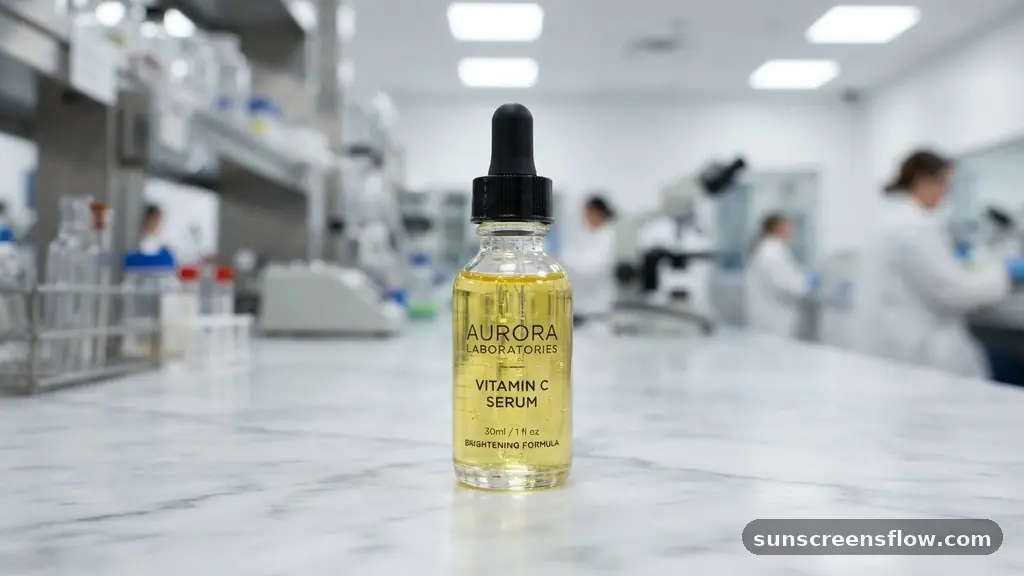
At the heart of most effective brightening products is L-ascorbic acid, the purest and most potent form of vitamin C. However, its effectiveness is intrinsically tied to its chemical structure, which requires a low pH level—typically below 3.5—to penetrate the stratum corneum effectively.
This high acidity is often the primary culprit when a user asks, “can vitamin C serum cause redness?” Because the skin’s natural pH is slightly acidic (usually around 4.7 to 5.5), introducing a product with a significantly lower pH can disrupt the delicate acid mantle.
When the acid mantle is disrupted, the skin barrier becomes compromised. This leads to increased transepidermal water loss and leaves the deeper layers of the epidermis vulnerable to external irritants. For individuals with naturally reactive skin, this drop in pH can cause a noticeable stinging sensation immediately upon application.
While a mild, fleeting tingle is often considered normal by many dermatologists, persistent burning or heat indicates that the product is potentially causing chemical irritation rather than simple active-ingredient stimulation. If your skin feels tight, looks flushed, or develops a rash shortly after application, it is a clear signal that the concentration or the acidity of the formulation is too aggressive for your current skin state.
The Role of Serum Oxidation in Skin Irritation
Another critical factor that contributes to why some people experience adverse reactions is serum oxidation. Vitamin C is notoriously unstable and reacts quickly when exposed to light, heat, or air.
When a serum begins to oxidize, it changes from a clear or light straw color to a dark yellow, orange, or even brown hue. This chemical degradation process doesn’t just render the product less effective; it can actually create new, potentially irritating compounds on the skin.
Using an oxidized vitamin C product is a frequent cause of unexpected skin irritation. As the molecule breaks down, it loses its ability to function as a beneficial antioxidant and instead becomes a source of oxidative stress itself. Applying this degraded substance to the face can lead to inflamed follicles and a localized allergic-like response.
If you notice your bottle has changed color or developed a metallic smell, it is best to discontinue use immediately. Ensuring your product is fresh and stored in opaque, airtight packaging is a fundamental step in preventing the type of facial redness that stems from using a formula that has passed its prime.
Understanding Concentration Levels and Proper Usage
A common misconception in the beauty industry is that higher percentages of active ingredients always yield better results. Many brands market serums with 20% or even 30% concentrations of L-ascorbic acid to appeal to consumers looking for “maximum” benefits. However, research suggests that the skin has a saturation point—often around 15% to 20%—beyond which increasing the concentration levels does not necessarily provide additional brightening, but it does significantly increase the risk of irritation.
If you are new to using these potent serums, starting with a high concentration is a recipe for contact dermatitis or severe irritation. It is far more effective to introduce a lower percentage (around 8% to 10%) and allow your skin to build tolerance over several weeks. Furthermore, the frequency of application matters.
You do not need to use a high-potency serum twice a day. For many, once-daily or even every-other-day application is sufficient to maintain the benefits without causing a compromised moisture barrier. By scaling back, you can often mitigate the redness while still reaping the long-term rewards of the antioxidant treatment.
The Impact of Ingredients Like Ferulic Acid and Vitamin E
Formulation stability is not just about the vitamin C itself; it is about the “supporting cast” of ingredients included in the bottle. Many high-quality serums include ferulic acid and vitamin E to stabilize the L-ascorbic acid and enhance its efficacy. This trio is famous for increasing the photoprotective capacity of the skin, but it can also be a double-edged sword for sensitive individuals.
While these ingredients are generally soothing, they also increase the penetration depth of the vitamin C. This means that a serum containing this combination might feel “stronger” and cause more redness than a standalone vitamin C product. If you find that your skin reacts poorly to these specific combinations, it might be due to the synergistic increase in potency.
Additionally, some users may have an underlying sensitivity to vitamin E (tocopherol) itself, which can manifest as a subtle allergic reaction or contact dermatitis. Identifying which specific component of your serum causes the reaction is key to finding a formulation that works for you.
Distinguishing Between Normal Tingling and Allergic Reactions
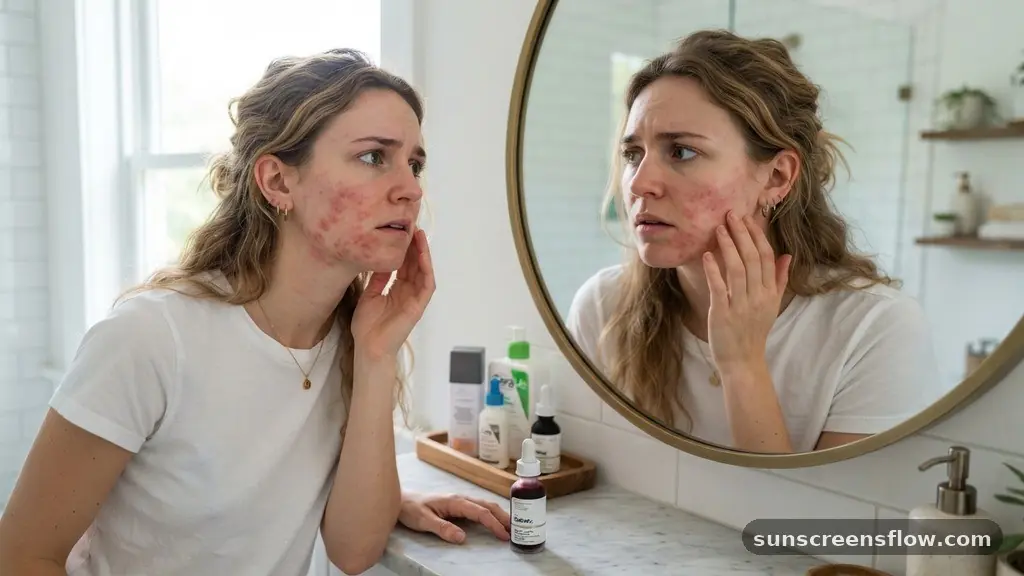
It is vital to distinguish between the expected sensation of an active ingredient and the warning signs of a skin reaction. Many users report a mild, temporary tingle when applying L-ascorbic acid, which is often attributed to the low pH. However, if the tingling turns into a burning sensation that lasts for more than a few minutes, or if it is accompanied by visible erythema, you are likely experiencing irritation.
A true allergic reaction often manifests differently than simple chemical irritation. While irritation is usually localized to the area of application and may feel like heat or stinging, an allergy can cause itching, swelling, hives, or a rash that spreads beyond the application site.
For example, if you notice swollen eyes or patches of dry, scaly skin appearing days after use, this is a strong indicator of a delayed hypersensitivity reaction. In such cases, the best course of action is to stop using the product entirely and focus on soothing ingredients like ceramides, panthenol, or hyaluronic acid to repair the barrier.
The Importance of Patch Testing Before Full Application
One of the most overlooked steps in a skincare routine is the patch test. Many people are eager to start using a new product and apply it directly to their face, only to deal with the consequences of a bad reaction later. A patch test is a simple, effective way to predict how your skin will respond to a new serum.
To perform a proper patch test, apply a small amount of the serum to a discreet area, such as the inside of your forearm or behind your ear. Leave it on for at least 24 hours. Because some reactions are delayed, checking the area immediately is not enough.
If you experience any redness, itching, or burning during this time, it is a clear indication that the product is not suitable for your skin. This simple precaution can save you from days or weeks of dealing with inflamed, irritated facial skin.
| Reaction Type | Common Symptoms | Recommended Action |
|---|---|---|
| Chemical Irritation | Stinging, mild redness, heat | Reduce frequency or lower concentration |
| Allergic Reaction | Itching, swelling, hives, rash | Stop use immediately; consult a dermatologist |
| Barrier Damage | Tightness, stinging with other products | Pause actives; focus on barrier repair |
How to Manage and Treat Vitamin C Skin Irritation
If you have already experienced a reaction, the first priority is to stop the cycle of inflammation. Do not try to “push through” the redness or stinging, as this will only lead to further damage of the skin barrier.
Instead, simplify your routine significantly. Remove all other active ingredients, including retinoids, chemical exfoliants, and physical scrubs, which can exacerbate the sensitivity.
Focus on hydration and barrier protection. Ingredients like hyaluronic acid, glycerin, and ceramides are excellent for calming the skin and restoring the moisture balance. You may also want to use a gentle, fragrance-free moisturizer to lock in hydration and protect the skin from environmental stressors while it heals.
If the irritation is severe or does not subside within a few days of stopping the product, seeking professional medical advice is recommended. A dermatologist can provide a soothing topical treatment or help identify if a specific preservative or stabilizing agent in the serum is the root cause of your sensitivity.
Common Topical Gaps: Why Some People React Differently
There is a significant gap in the general understanding of why some individuals can use high-strength vitamin C daily without issue, while others react immediately. This difference often comes down to the individual’s baseline skin health. Someone with a pre-existing condition like rosacea or eczema is far more likely to experience facial redness from vitamin C because their barrier is already compromised.
Another gap is the role of exfoliation. Many people combine daily chemical exfoliation (like AHAs or BHAs) with vitamin C serums, thinking they are maximizing their glow. However, layering these actives can lead to a “chemical burn” effect, even if each product is fine on its own.
The combination of acidic vitamin C and other exfoliating acids can strip the skin of its protective oils, leading to rapid sensitization. Understanding your skin’s specific needs and its current threshold for active ingredients is just as important as the product you choose to buy.
Best Practices for a Safe and Effective Routine
To integrate vitamin C into your life without the risk of redness, consider the following best practices:
- Start with a low concentration (5-10%) and gradually increase as your skin builds tolerance.
- Apply the serum to dry skin, as damp skin can increase absorption and potential irritation.
- Allow the product to fully absorb for several minutes before layering other skincare items.
- Store your serum in a cool, dark place, such as a refrigerator, to prevent premature oxidation.
- Avoid using other strong actives like retinols or acids in the same application window.
- Always monitor your skin for signs of a compromised barrier, such as increased sensitivity to your usual cleanser or moisturizer.
By following these guidelines, you can minimize the risk of irritation while still enjoying the benefits of a powerful topical antioxidant. Remember that skincare is highly personal, and what works for one person may not work for another. Listening to your skin is the most valuable skill you can develop.
Frequently Asked Questions
What does vitamin C irritation look like on the skin?
Vitamin C irritation typically presents as localized redness, a persistent stinging or burning sensation, and sometimes small, raised bumps or dry, flaky patches. In more severe cases, it can look like an uneven, blotchy rash, particularly if the product has oxidized or if the skin barrier is compromised.
Should I stop using vitamin C if it causes a stinging sensation?
If the stinging is mild and fades within a few seconds, it is often considered a normal reaction to the low pH of the serum. However, if the stinging persists, feels like a burning heat, or is accompanied by visible redness, you should stop using it immediately to prevent further damage.
How can I tell if my vitamin C serum has oxidized?
You can identify oxidized vitamin C by its color and odor. A fresh, effective serum is usually clear or pale yellow. If it turns a deep orange, brown, or dark amber, it has likely oxidized. Additionally, an unusual metallic or “off” smell is a strong indicator that the product has degraded.
Can I use vitamin C with other active ingredients?
It is generally recommended to avoid using vitamin C at the same time as strong exfoliants like AHAs, BHAs, or retinoids, as this increases the risk of irritation. Many people prefer to use vitamin C in the morning for its antioxidant protection and save other actives for their evening routine to avoid potential conflict.
Conclusion
The question of whether can vitamin C serum cause redness is one that many skincare users face, and the reality is that it is a common side effect of this powerful ingredient. Because of its acidic nature and its propensity for oxidation, vitamin C requires careful handling and a strategic approach to application. By respecting your skin barrier, performing a proper patch test, and choosing high-quality, stable formulations, you can safely harness the benefits of this potent antioxidant.
Always prioritize your skin’s comfort over the urge to use high-strength products, and remember that consistent, gentle application is far more effective in the long run than an aggressive routine that leads to chronic irritation. If you ever find yourself struggling with persistent redness or discomfort, scale back, focus on hydration, and give your skin the time it needs to recover.


