

Achieving a radiant complexion often feels like solving a complex puzzle, especially when you are trying to figure out if you really need to use moisturizer after serum. The short answer is yes—in almost every case, applying a moisturizer after your serum is the essential final step to lock in hydration and protect your skin barrier.
Think of your serum as the high-potency treatment designed to target specific concerns like hyperpigmentation or dehydration, while your moisturizer acts as the protective seal that keeps those beneficial ingredients from evaporating. Without this final layer, you might find that your expensive serums are simply disappearing into the air rather than soaking into your epidermis.
Understanding the Role of Serums in Your Routine
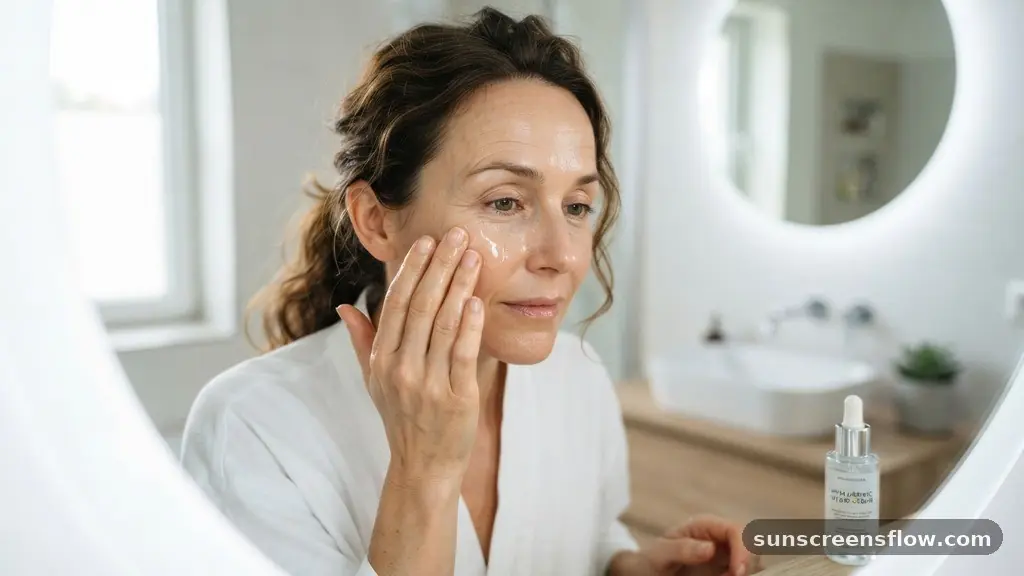
To grasp why layering is so critical, you first need to define what a serum actually does. A serum is a lightweight, fast-absorbing liquid formulation that contains a high concentration of active ingredients.
Unlike a moisturizer, which is typically designed to soften the skin and provide a barrier, a serum is engineered to penetrate deeper into the skin to address issues like fine lines, dark spots, or dullness. Because these products have a low molecular weight, they are designed to be applied directly to clean skin so that the ingredients can reach the deeper layers of the dermis effectively.
When you apply a serum, you are essentially delivering a concentrated dose of vitamins, antioxidants, or acids. For example, a Vitamin C serum is designed to brighten and protect against environmental damage, while a Hyaluronic Acid serum acts as a magnet for moisture.
However, these formulas often lack the emollient properties required to prevent transepidermal water loss—the process where water evaporates from the skin’s surface. If you stop at the serum step, you are leaving your skin vulnerable to environmental stressors and dryness, which is why the transition to a cream or lotion is non-negotiable for most skin types.
The Science of Skincare Layering
The fundamental rule of skincare layering is to apply products in order of consistency, moving from the thinnest to the thickest texture. This ensures that every layer has the opportunity to absorb without being blocked by a heavier formula. Serums are almost always water-based or thin emulsions, whereas moisturizers are thicker and contain more oil-based components.
If you were to apply a heavy cream before a light serum, the serum would struggle to penetrate the oily film left by the cream. By following the “thinnest to thickest” rule, you respect the absorption rate of your products and maximize their efficacy.
Furthermore, the chemical nature of these products dictates their order. Moisturizers often contain occlusives, ingredients that form a physical seal over the skin to prevent moisture loss.
If you apply an occlusive-rich moisturizer first, it effectively puts a “lid” on your pores, preventing the active ingredients in your serum from reaching their target. By applying your serum first, you allow the active compounds to interact with your skin cells, and by following up with a moisturizer, you create a protective environment that allows those ingredients to work undisturbed while keeping the surface of your skin supple and hydrated.
Distinguishing Between Hydration and Moisturization
One of the most common points of confusion for skincare enthusiasts is the difference between hydration vs moisturization. Hydration refers to the water content within the skin cells, while moisturization refers to the oil content that keeps the skin soft and prevents water from escaping.
Many people mistakenly believe that if they use a hydrating serum, they don’t need a moisturizer. This is a significant oversight because hydration (water) needs to be paired with moisturization (lipids/oils) to be effective.
Hydrating serums often rely on humectants—ingredients that draw water into the skin. If the air around you is dry, these humectants can actually pull moisture out of your skin if there isn’t a moisturizer to seal that water in. A moisturizer acts as the essential “lock” that keeps the humectants working correctly.
Without a moisturizer, your skin might feel tight or even drier shortly after applying a serum, especially in low-humidity environments. Whether you have dry skin, oily skin, or combination skin, your routine should ideally balance both water-attracting ingredients and lipid-replenishing creams to maintain a healthy, resilient skin barrier.
Addressing Topical Gaps: Why Some People Skip Moisturizer
A common question that arises in online forums is whether people with oily skin or those using non-comedogenic products can skip the moisturizer. Some individuals fear that adding a second layer after a serum will lead to pore clogging or exacerbate acne.
While it is true that you should choose products tailored to your specific skin type, skipping the moisturizer entirely is rarely the answer. If you have oily skin, you don’t need a thick, heavy cream; instead, you should opt for a lightweight, oil-free, or gel-based moisturizer.
The fear of breakouts often leads people to avoid moisturizers, but ironically, dehydrated oily skin often overcompensates by producing more oil. By providing the skin with proper hydration and a light moisture barrier, you can actually help regulate sebum production. If you are worried about heaviness, look for products labeled as non-comedogenic, which are specifically formulated to avoid blocking pores.
The key is in the selection of the moisturizer, not in the elimination of the step itself. Using a serum alone simply doesn’t provide the long-term support your skin needs to stay balanced throughout the day.
The Importance of pH Levels and Absorption

When building a routine, you must also consider the pH levels of your products. Your skin has a natural, slightly acidic pH, and many active ingredients—especially exfoliants like AHAs or BHAs—require a specific pH to function correctly.
If you apply a moisturizer with a high pH immediately after a serum, you might neutralize the active ingredients, rendering them less effective. This is why it is often recommended to wait a few minutes after applying your serum to allow it to fully absorb and for your skin’s pH to stabilize before applying your moisturizer.
Wait times can vary depending on the product, but a general rule of thumb is to wait until the serum feels “tacky” or dry to the touch. This waiting period is not just about pH; it also prevents the products from pilling, which is when the layers ball up on your skin instead of soaking in.
If you are rushing through your routine, you might be accidentally wiping off your serum while trying to spread your moisturizer. Taking an extra minute to let the serum set ensures that you are getting the full benefit of both products.
Table: Comparing Product Functions in Your Routine
| Product Type | Primary Goal | Consistency | Layering Position |
|---|---|---|---|
| Serum | Targeted treatment | Thin/Liquid | First (after cleansing) |
| Moisturizer | Barrier support | Cream/Lotion | Second (to seal) |
| Face Oil | Occlusive seal | Heavy/Oily | Last (final step) |
Key Ingredients and How They Interact
Different serums require different approaches, and understanding the ingredients is vital to success. For instance, niacinamide is a versatile ingredient that pairs well with almost anything, but retinol requires a more cautious approach.
Retinol is a potent active that can cause irritation, and following it with a high-quality, soothing moisturizer is essential to mitigate potential dryness or flaking. When you use retinol, the moisturizer acts as a buffer, ensuring the skin remains comfortable while the active ingredient works on cellular turnover.
Another popular ingredient is hyaluronic acid. As a powerful humectant, it is best applied to damp skin. Once it has been absorbed, you should follow up with a moisturizer containing occlusives to trap that moisture.
If you don’t, the hyaluronic acid may have nothing to hold onto, potentially leaving your skin feeling less hydrated than before. This is a classic example of why the sequence—and the state of your skin during application—matters so much. You are essentially building a system where each part supports the other.
Creating Your Ideal Routine
Building a routine is a personal process, but the structure should remain consistent. Below is a simple guide to how you might structure your daily regimen to ensure maximum absorption and protection. Remember that consistency is more important than having a dozen different products.
- Cleanse your face with a gentle cleanser to remove impurities and prepare the surface for absorption.
- Apply a toner if you use one, ensuring your skin is slightly damp but not soaking wet.
- Apply your serum while the skin is still slightly damp to help with penetration.
- Allow the serum to absorb for 60 to 90 seconds until it feels slightly tacky.
- Apply your moisturizer, using gentle upward strokes to spread it evenly.
- If using a face oil, apply it as the very last step to provide an extra layer of protection.
- Always finish with SPF in the morning to protect the skin from UV damage.
This structure is designed to be adaptable. If you are using multiple serums, apply them from the thinnest to the thickest, and always finish with a moisturizer to lock everything in. If you feel like your skin is particularly dry, you can even mix a few drops of face oil into your moisturizer for a boost of lipids.
Common Mistakes to Avoid
Even with the best intentions, many people fall into traps that hinder their results. One major mistake is applying serums with conflicting ingredients. For example, using high-strength Vitamin C and retinol at the same time can cause significant irritation.
It is better to use your Vitamin C in the morning and your retinol at night. Another mistake is using too much product; serums are concentrated, and using a dropper full of product is often unnecessary and can lead to a sticky residue that interferes with your moisturizer.
Another common error is neglecting the neck and chest. These areas are just as prone to aging as the face and should receive the same care. If you are applying serum to your face, continue the application down to your neck and décolletage, and follow up with your moisturizer in the same way.
Ignoring these areas can lead to a visible disparity in skin texture and tone over time. Finally, avoid rubbing your skin aggressively. Patting your products into the skin is much gentler and often more effective for absorption, especially around the delicate eye area.
The Long-Term Benefits of Proper Layering
When you consistently follow the protocol of applying moisturizer after your serum, you are investing in the long-term health of your skin. Over time, this habit strengthens the lipid barrier, which is the skin’s first line of defense against pollution, bacteria, and harsh weather.
A healthy barrier is less prone to redness, sensitivity, and premature signs of aging. You will likely notice that your skin feels smoother, looks more radiant, and stays hydrated for longer periods throughout the day.
Furthermore, by protecting your investment in high-quality serums, you are getting more value out of your skincare purchases. If a serum costs a premium, you want to ensure it is working at its peak potential. By sealing it in, you prevent the waste that occurs when active ingredients simply evaporate.
This approach turns your skincare routine from a series of disjointed steps into a cohesive, science-backed system that delivers visible results. The patience you show in letting your products absorb and the diligence you show in sealing them in will pay off in the form of a clearer, more resilient complexion.
FAQ
Is it necessary to use moisturizer if I have oily skin?
Yes, it is still necessary. Oily skin can still be dehydrated, meaning it lacks water. Using a lightweight, oil-free, or gel-based moisturizer helps keep the skin balanced. Skipping this step often causes the skin to overproduce oil to compensate for the perceived dryness, leading to more breakouts.
Can I apply moisturizer immediately after my serum?
It is better to wait about 60 to 90 seconds. Allowing the serum to absorb until it feels slightly tacky ensures that the product has penetrated the skin and prevents the layers from pilling. This short wait time also allows the skin’s pH to stabilize before applying your moisturizer.
Does the order change if I am using a face oil?
Yes. Face oils are generally the heaviest products and act as occlusives. You should apply your water-based serums first, followed by your moisturizer, and then use your face oil as the final step. This sequence prevents the oil from blocking the absorption of your lighter, water-based treatments.
What happens if I skip the moisturizer after a serum?
If you skip the moisturizer, you lose the benefits of an occlusive layer. The active ingredients in your serum may evaporate, and your skin may lose essential moisture through transepidermal water loss. This can leave your skin feeling tight, dry, and vulnerable to environmental irritants throughout the day.
Conclusion
Ultimately, the answer to “do you use moisturizer after serum” is a definitive yes. By treating your serum as a targeted treatment and your moisturizer as a protective seal, you create a balanced environment that allows your skin to thrive. While the sheer volume of skincare advice available can be overwhelming, the fundamental principles of layering—moving from thin to thick, ensuring proper absorption, and balancing hydration with moisture—remain the gold standard for healthy skin.
Whether you are addressing signs of aging, managing acne, or simply trying to maintain a healthy glow, incorporating these steps into your daily routine will provide the consistency and support your skin needs. Remember to select products that suit your specific skin type, be patient with your application process, and always prioritize the health of your skin barrier. With the right approach, your skincare routine will become a rewarding ritual that yields visible, long-lasting results.


