


Navigating the complexities of a modern skincare regimen often leaves enthusiasts wondering about the sequence of their products. If you have ever asked, “do you put serum on before moisturizer,” you are certainly not alone. The short answer is yes: you should almost always apply your serum before your moisturizer.
This sequence is grounded in the fundamental principles of dermatology and chemistry, specifically regarding the viscosity and molecular structure of the products involved. Understanding why this order matters can significantly improve the efficacy of your daily routine, ensuring that your skin receives the maximum benefit from every drop of expensive product you apply. By prioritizing the application of lightweight, targeted treatments before sealing them in with heavier creams, you create a strategic environment that allows active ingredients to penetrate the skin barrier effectively.
The Science of Skincare Layering: Why Serum Precedes Moisturizer
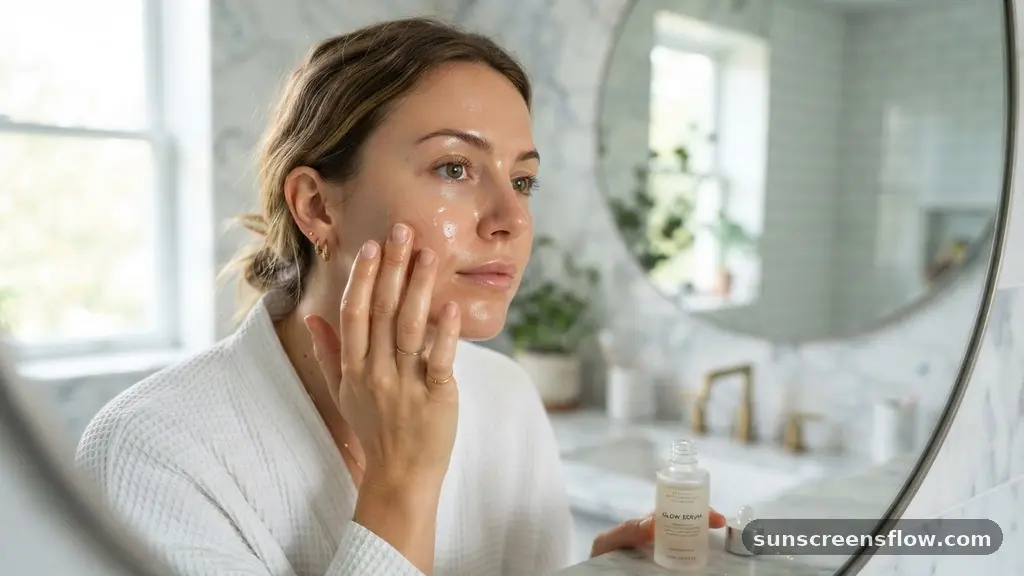
The primary reason why serum precedes moisturizer involves the concept of molecular weight and the physical texture of the products. Serums are typically formulated with a low molecular weight, allowing them to penetrate the deeper layers of the epidermis. Because they are designed to be highly concentrated delivery systems for active ingredients, they often possess a thin, water-like consistency.
If you were to apply a heavy, cream-based product first, you would essentially be creating a physical barrier on the surface of your skin. This barrier would prevent the more delicate serum from reaching the cells that truly need the treatment.
Furthermore, serums are lightweight and designed for rapid absorption. When you apply them to clean, slightly damp skin, the skin is at its most receptive state. This hydration boost acts as a vehicle, helping the active components—such as vitamin C, niacinamide, or hyaluronic acid—sink in without resistance.
Once the serum has been applied and allowed to settle for a minute or two, the skin is primed to receive the heavier, more protective layers. By following this order, you are respecting the structural needs of your skin, ensuring that the “treatment” phase of your routine happens before the “sealing” phase. This logic holds true regardless of whether you are addressing fine lines, hyperpigmentation, or general dehydration.
Understanding the Role of Humectants and Occlusives
To master your skincare routine order, you must understand the difference between the ingredients found in your serums and those in your moisturizers. Most high-quality serums are packed with humectants, which are ingredients that attract water molecules to the skin. Common humectants include glycerin, hyaluronic acid, and aloe vera.
These substances are brilliant at pulling moisture into the skin, but they do not have the power to hold it there on their own. If left exposed to the air, humectants can sometimes even draw moisture out of the skin in dry environments, a process that can worsen dryness.
This is where your moisturizer comes into play. Moisturizers typically contain occlusives and emollients. Occlusives create a physical or semi-occlusive barrier on the skin’s surface, which effectively traps the hydration and active ingredients provided by the serum underneath.
By applying your moisturizer after your serum, you are essentially “locking in” the work the serum has done. This process prevents transepidermal water loss, which is the primary cause of dull, dehydrated-looking skin.
Think of your serum as the nutrient-dense meal and your moisturizer as the protective lid on the container. Without the lid, the moisture evaporates, and the benefits of your expensive serum are largely lost to the atmosphere.
Does Molecular Weight Actually Dictate Application?
In the world of professional aesthetics, the rule of “thinnest to thickest” is the golden standard. This isn’t just a suggestion; it is a chemical necessity for topical application. If you attempt to layer a thick, buttery cream before a thin, watery serum, the physics of the situation will work against you.
The thick cream will sit on the surface, forming a film that the serum cannot possibly permeate. Consequently, the serum will simply pool on top of the cream, eventually evaporating or wiping off onto your pillowcase or clothing rather than into your pores.
When you analyze the chemistry of your products, you will notice that serums are almost exclusively water-based or oil-based solutions that are designed for speed. They are formulated to be absorbed rapidly, often within seconds of contact with the skin. Moisturizers, by contrast, are emulsions—blends of water and oil—that are designed to sit on the skin for a longer period.
They are meant to provide a lasting cushion of protection. By placing the serum first, you ensure that the product meant to treat the skin reaches the target area, while the product meant to protect the skin stays on the exterior where it belongs. This hierarchy is the cornerstone of effective skincare routine order.
Common Mistakes to Avoid During Your Routine
One of the most common mistakes to avoid is failing to wait for the serum to absorb before rushing to the next step. Many people pump their serum into their palms, slap it on, and immediately follow up with a thick layer of moisturizer. This can cause “pilling,” where the products interact and form small, rubbery balls on the skin’s surface.
This is not only frustrating from a cosmetic standpoint, but it also indicates that the products are not being absorbed properly. Ideally, you should give your serum about 60 to 90 seconds to sink in. This allows the water content to evaporate slightly, leaving behind the active ingredients to bind with your skin.
Another error is applying too many different serums at once. While layering is possible, applying four or five different treatments can overwhelm the skin, lead to irritation, and make it difficult for any of them to actually penetrate the barrier. Stick to one or two targeted serums—perhaps a vitamin C serum in the morning and a retinol or peptide serum at night.
Furthermore, never forget that the neck and décolletage are extensions of your face. Often, people focus exclusively on their cheeks and forehead, ignoring the areas where signs of aging are most prominent. Always extend your serum and moisturizer application downward to ensure consistent results across your entire face and neck.
The Role of Sunscreen and Environmental Protection
During the day, the final step in your routine must always be sunscreen. This is non-negotiable for anyone looking to maintain healthy skin. Even if your moisturizer contains SPF, it is often recommended to use a dedicated sunscreen to ensure you are getting the full, labeled protection.
Because sunscreen is designed to sit on top of the skin to reflect or absorb UV rays, it must be the very last step in your morning routine. If you were to put a serum over your sunscreen, you would be disrupting the protective shield that the sunscreen provides, effectively rendering it less potent against UV damage and pollutants.
Sunscreen acts as the ultimate occlusive, protecting the skin from environmental stressors that cause premature aging. When you integrate it properly into your routine—cleanser, then serum, then moisturizer, then sunscreen—you create a multi-layered defense system.
The serum provides the nutrients to combat free radical damage, the moisturizer supports the skin barrier, and the sunscreen guards against the sun’s harsh rays. This routine ensures that the products are working in harmony rather than competing for space on your skin’s surface.
Addressing Topical Gaps: Serum vs. Oil vs. Cream
A common area of confusion arises when users try to incorporate facial oils into their routine. If you use a facial oil, where does it go? The rule remains the same: thinnest to thickest.
However, oils are technically “thicker” in terms of consistency than water-based serums. Therefore, the correct order is typically serum, then moisturizer, then facial oil.
Because oils are highly occlusive, they act as the “sealant” that locks in everything underneath. If you put an oil on before a water-based serum, the oil will block the serum from reaching the skin entirely.
Another gap in knowledge involves the use of specialized treatments like retinol. Retinol is a powerful active ingredient that can be drying. Some people prefer to apply their moisturizer first, then their retinol, to buffer the irritation.
While this is a valid technique for those with highly sensitive skin, the standard advice remains that for maximum efficacy, you should apply your retinol serum directly to the skin. If you find it too harsh, consider the “sandwich method”: a thin layer of moisturizer, your retinol, and then another layer of moisturizer. This allows you to reap the benefits of the active ingredient while minimizing potential redness or peeling.
The Importance of Skin Preparation
The state of your skin before you start your routine is just as important as the order in which you apply your products. Applying a serum to dirty or congested skin is a waste of money. Your cleanser should remove the day’s buildup, including excess sebum, dirt, and pollutants.
Once the skin is clean, it is essentially a blank canvas. Many dermatologists recommend applying your serum while the skin is still slightly damp from cleansing. This dampness acts as a “booster” for absorption, especially for humectants like hyaluronic acid.
When your skin is damp, it is more permeable. By applying your serum immediately after patting your face with a towel, you are giving the active ingredients a head start. This is particularly important for products like vitamin C, which can be unstable.
Rapid absorption is key to ensuring these ingredients are utilized by the skin cells before they oxidize. Following this with a moisturizer traps that extra water, leading to a plumper, more hydrated appearance. This simple adjustment—applying to damp skin—is one of the most effective ways to upgrade your daily skincare results.
Comparative Analysis of Product Application
Understanding how different product categories interact with your skin can help clarify why the serum-first rule exists. The following table provides a breakdown of how various product types should be layered based on their typical consistency and function.
| Product Type | Typical Consistency | Primary Function | Application Order |
|---|---|---|---|
| Cleanser | Gel/Foam/Cream | Remove debris | 1st |
| Toner/Essence | Water-like | Balance/Prep | 2nd |
| Serum | Lightweight/Liquid | Targeted treatment | 3rd |
| Moisturizer | Cream/Lotion | Hydration/Seal | 4th |
| Facial Oil | Oil-based | Final seal/Nourish | 5th |
| Sunscreen | Cream/Lotion | UV Protection | Last (AM) |
As demonstrated, the progression moves from the most lightweight, water-based products to the heaviest, oil-based or occlusive products. By following this sequence, you ensure that every layer has the opportunity to perform its specific role without being hindered by the layer that came before it.
Optimizing Your Application Process for Long-Term Results
Consistency is the most important factor in any skincare journey. You won’t see the benefits of your serums—whether they are for brightening, firming, or smoothing—if you only use them sporadically.
By establishing a reliable routine where you consistently apply your serum before your moisturizer, you create a baseline for skin health. Over time, this cumulative effect leads to a stronger skin barrier, better moisture retention, and a visible reduction in the appearance of fine lines and uneven texture.
Do not be discouraged if you don’t see results overnight. Skin cycles typically take about 28 days to turn over. By sticking to the correct order of application, you are setting your skin up for success.
Remember that your skin’s needs may change with the seasons; you might require a lighter, gel-based moisturizer in the summer and a richer, cream-based one in the winter. However, the rule of applying your serum first remains a constant. It is the foundation of a sophisticated and effective approach to skincare, ensuring that the heavy lifting of your active ingredients is never interrupted by a prematurely applied layer of cream.
Frequently Asked Questions
Can I mix my serum and moisturizer together to save time?
While mixing them might seem convenient, it is generally discouraged. Serums are formulated to penetrate the skin, while moisturizers are formulated to sit on top. Mixing them can alter the pH and the delivery system of the serum, making it less effective than if applied separately in the correct order.
How long should I wait between applying my serum and my moisturizer?
You should ideally wait about 60 to 90 seconds. This allows the serum to absorb into the skin and the water content to evaporate slightly. If you apply your moisturizer while the serum is still soaking wet, you might experience product pilling, where the formulas clump together on your skin.
What if my serum feels tacky on my skin?
A slight tackiness is normal for many high-quality serums, especially those containing hyaluronic acid or peptides. This tacky texture is actually a sign that the product is working to bind moisture to the skin. You can wait a minute for it to settle, but you do not need to wash it off before applying your moisturizer.
Do I need to use a serum if I already have a great moisturizer?
You don’t technically need to, but adding a serum can significantly boost your results. Moisturizers are primarily for hydration and barrier support, while serums are for targeted treatment. If you have specific concerns like dark spots or wrinkles, a serum will deliver the concentrated ingredients required to address them effectively.
Conclusion
The question of whether you put serum on before moisturizer is one of the most fundamental inquiries in the world of skincare, and the answer is clear: the serum must always come first. By respecting the molecular weight and the functional roles of your products—using serums for deep-reaching treatments and moisturizers for surface-level protection—you optimize your skin’s ability to absorb and retain the nutrients it needs. Whether you are aiming to reduce fine lines, combat dehydration, or simply maintain a healthy complexion, the “thinnest to thickest” rule of application is your best strategy.
By avoiding common mistakes like rushing the layering process or skipping sunscreen, you ensure that every step of your routine contributes to a stronger, more resilient skin barrier. Consistent application in the proper sequence is the secret to unlocking the full potential of your skincare products, leading to a healthier and more radiant appearance over the long term.


