

Navigating the complexities of a modern skincare routine often leads to confusion regarding product application order. The most common dilemma involves determining whether to apply your face serum before or after moisturizer. To achieve optimal results, the general rule of thumb is to apply products from the thinnest, most fluid consistency to the thickest, most emollient texture.
Serums are concentrated treatments designed to penetrate deeply, while moisturizers are formulated to seal that goodness in. By understanding the science of molecular weight and the functional roles of different product types, you can ensure your skin receives the maximum benefit from every drop of your expensive treatments.
The Science of Product Layering and Absorption
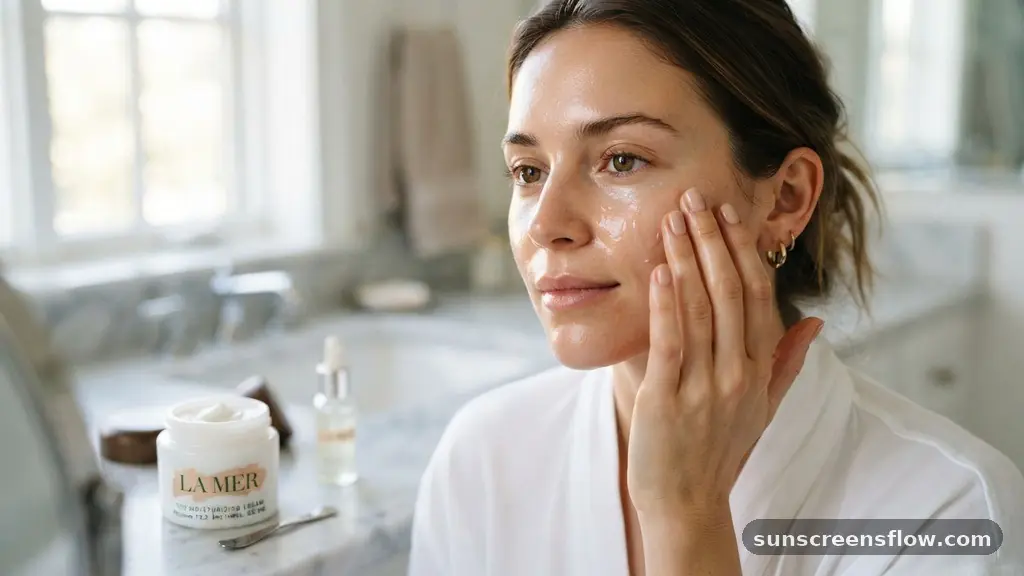
The primary reason for applying face serum before or after moisturizer comes down to the absorption rate of your skin. Serums are typically engineered with a low molecular weight, allowing the formula to bypass the outer layers of the epidermis and deliver active ingredients directly to where they are needed most. If you were to apply a heavy cream first, its thicker, often occlusive nature would create a physical barrier on the surface of your skin, effectively blocking the penetration of the lighter serum.
Think of your skin as a sponge. If you coat a sponge in a thick layer of wax, water will simply bead off the surface. If you dampen the sponge with a lightweight liquid first, it can absorb more volume.
In the context of skincare, the serum acts as the initial treatment phase. Because these products often contain high concentrations of potent ingredients like vitamin c, retinol, or niacinamide, they require direct contact with clean skin to function effectively.
Once the serum has been allowed to sink in for a minute or two, the skin is primed to receive the secondary layer of hydration and protection provided by your moisturizer. This systematic approach ensures that you aren’t wasting product or compromising the efficacy of your targeted treatments.
Understanding the Role of Humectants and Occlusives
To truly master the order of operations, you must distinguish between the ingredients found in your serums and those in your moisturizers. Most serums are packed with humectants, such as hyaluronic acid, which function by drawing moisture into the skin from the environment.
These are incredibly effective at increasing skin hydration, but they are volatile. Without a protective layer over them, they can actually draw water out of your deeper skin layers if the air is dry, leading to increased trans-epidermal water loss.
This is where the moisturizer enters the equation. A high-quality cream moisturizer or lotion is typically formulated with occlusives—ingredients like ceramides, shea butter, or plant-based waxes that sit on the skin’s surface to create a seal. By applying the serum first, you provide the humectant ingredients with a clear path to the dermis.
By following up with a moisturizer, you create an occlusive barrier that prevents evaporation. This interplay between humectants and occlusives is the secret to maintaining a healthy skin barrier and achieving a plump, hydrated complexion. If you reverse this order, you lose the ability to lock in the treatment, rendering the serum significantly less effective and potentially leaving your skin feeling tight or dehydrated despite your best efforts.
Differentiating Between Water-Based and Oil-Based Serums
Not all serums are created equal, and their chemical composition can occasionally shift the rules of your skincare routine. While the vast majority of serums are water-based serums, designed to be applied before moisturizer, some are facial oils or oil-based serums.
These heavier, lipid-rich formulas can be tricky. If you are using a pure oil-based serum, the rule of “thinnest to thickest” still applies, but you must look closely at the texture.
Generally, even an oil-based serum is lighter than a thick, rich cream moisturizer. However, if you are using a very heavy facial oil, it may occasionally be applied after a lighter, water-based moisturizer, or even mixed into your cream. The goal is always to allow the water-soluble ingredients to touch the skin first.
If your serum is water-based, it must go on clean, bare skin. If you have multiple serums, apply them in order from the most watery to the most viscous.
Once you reach the oil-based stage, you are effectively entering the sealing phase of your routine. If you are ever in doubt about a specific product, check the label for non-comedogenic ratings, especially if you are prone to pore clogging, as certain oils can be heavier and more likely to cause congestion if applied in the wrong sequence or in excess.
The Impact of pH Balance and Active Ingredients
The pH balance of your skin is a delicate ecosystem that dictates how well your products perform. Many serums, particularly those containing acids or vitamin c, are formulated at a specific, often lower pH to ensure the stability and activity of the ingredients. When you apply a moisturizer—which is often formulated at a more neutral pH—immediately after or at the same time as a highly acidic serum, you can neutralize the serum, essentially rendering it inert.
By applying the serum first, you give those sensitive active ingredients the time they need to work within the skin’s natural pH environment before you introduce the buffering effects of a moisturizer. This is particularly crucial when using potent treatments like retinol or exfoliating acids. If you rush the process, you risk irritating the skin or simply wasting the product.
Wait for the serum to feel completely absorbed—usually about 60 to 90 seconds—before applying your moisturizer. This “dry down” period is an essential part of the process that many people skip, leading to pilling or a greasy finish. Respecting the chemical stability of your products is a hallmark of an advanced, effective skincare routine.
Addressing Common Topical Gaps in Routine Knowledge
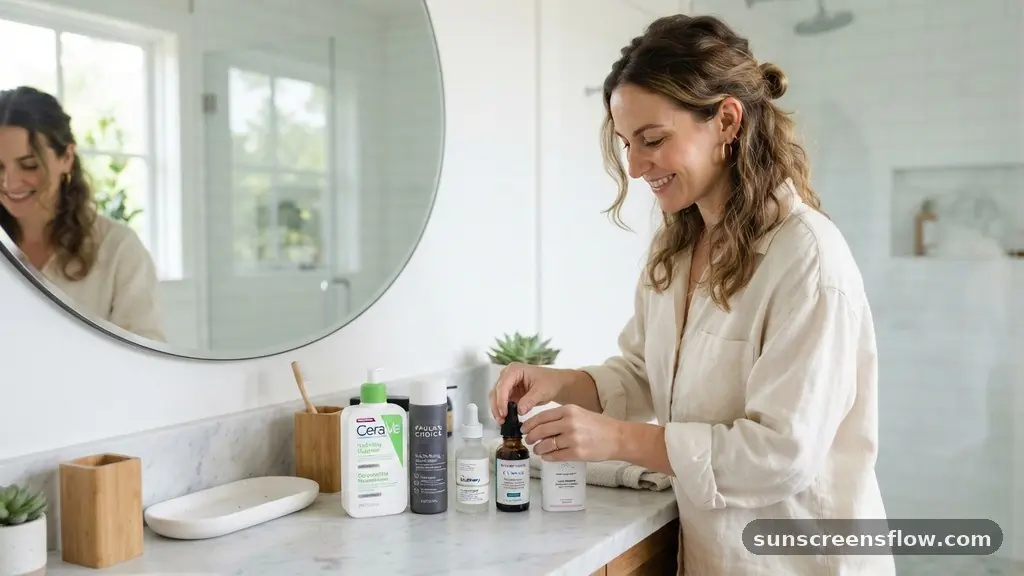
Many users struggle when they have a complex routine involving multiple steps, such as toners, essences, and ampoules. A common gap in knowledge is where exactly “serum” fits when you have a five-step process.
To clarify, the order should be: Cleanser, Toner/Essence, Serum, Moisturizer, SPF (during the day). If you are using a toner, it acts as a primer for the serum, balancing the skin’s pH so that the serum can absorb more efficiently.
Another gap involves the “wait time” myth. Some believe you need to wait 10 minutes between steps. In reality, you only need to wait until the product is no longer tacky to the touch.
If the product is still wet, it will mix with your moisturizer, creating a slurry that doesn’t penetrate well. Additionally, there is the question of whether to apply moisturizer while the skin is still damp.
While applying a moisturizer to damp skin is excellent for locking in water, you should generally let your serum absorb into the skin before adding the moisturizer. If your serum is water-based, it will already be providing that dampness, so you don’t need to worry about applying your cream to wet skin.
| Product Category | Consistency | Typical Application Order |
|---|---|---|
| Toners / Essences | Very Thin | 1st (After Cleansing) |
| Water-Based Serums | Lightweight | 2nd |
| Oil-Based Serums | Medium / Heavy | 3rd |
| Creams / Lotions | Thick / Emollient | 4th |
| Sunscreen | Varies | 5th (Final Step) |
How Layering Affects Skin Texture and Long-Term Health
Consistent, correct layering of products has a profound impact on skin texture over time. When you apply your treatments in the correct order, you are ensuring that the ingredients designed to smooth, brighten, and firm the skin are actually delivered to the living cells.
Over months of correct application, users typically notice a significant improvement in the softness and clarity of their skin. Conversely, if you consistently apply a heavy moisturizer before your lightweight serum, the serum ingredients remain trapped on the surface, where they can oxidize or simply rub off on your pillowcase, leading to stagnant results.
Furthermore, correct layering prevents the irritation that often leads to a compromised skin barrier. If your serums are not absorbing, you may be tempted to use more product, which can lead to a buildup of residue. This residue can trap bacteria, leading to breakouts, or cause the skin to feel dull and congested.
By allowing each product its proper place, you maintain the integrity of your skin’s surface. Healthy skin reflects light better, feels smoother to the touch, and is more resilient against environmental stressors. It is not just about the immediate feeling of hydration; it is about the long-term metabolic health of your skin cells.
Common Mistakes When Applying Skincare Products
Beyond the basic order, there are several subtle mistakes that can undermine your efforts. One of the most common is applying too much product. Because serums are highly concentrated, you only need a few drops.
Applying a full dropper of serum can lead to pilling, where the product forms small, rubbery balls on the skin when you try to apply moisturizer over it. This is a clear sign that the serum did not absorb and that you are using too much.
Another mistake is neglecting the neck and décolletage. These areas have thinner skin and are often the first to show signs of aging. Your serum and moisturizer should always be applied down to the collarbone.
Furthermore, many people are inconsistent with their routine. Skincare is a cumulative process; the benefits of vitamin c or retinol are rarely visible after a single use. The order of application is a habit that must be practiced morning and night.
Even if you are tired, sticking to the “thin-to-thick” rule ensures you aren’t undoing the progress you’ve made. Finally, ensure you are using the right tools—your fingertips are the best applicators, as the warmth of your skin helps the product melt and absorb more effectively than using a cotton pad or brush.
Why Dermatological Guidance Matters for Specific Skin Concerns
While the general rule of “serum before moisturizer” holds true for most people, dermatological guidance is essential if you have specific skin concerns like cystic acne, severe rosacea, or extreme sensitivity. A dermatologist may suggest a modified routine, such as “sandwiching,” where you apply a thin layer of moisturizer, then your treatment serum, and then another layer of moisturizer. This technique is often used with strong prescription retinoids to mitigate irritation while still allowing the medication to work.
If you are using prescribed topicals, their application order may override the standard cosmetic recommendations. Prescription products often have specific vehicles—the base ingredients that carry the medicine—that are designed to interact with the skin in a very specific way. Always follow your doctor’s instructions over general beauty advice.
If you notice persistent redness, flaking, or burning, it is a sign that your layering approach may be too aggressive for your current skin state. In these instances, simplifying your routine to just a gentle cleanser and a basic, non-comedogenic moisturizer can help reset your skin barrier before you slowly reintroduce your serums.
The Future of Skincare Formulations and Delivery Systems
As technology advances, we are seeing the emergence of new skincare routine products that blur the lines between serums and moisturizers. Hybrid products, such as “serum-in-cream” formulations, are becoming increasingly popular.
These products use advanced encapsulation technology to deliver the potency of a serum with the emollient benefits of a moisturizer. For many, these hybrid products simplify the debate of face serum before or after moisturizer by combining the steps into one efficient application.
However, even with these innovations, the fundamental principle remains: the lighter the product, the earlier it should be applied. As scientists continue to improve the absorption rate of active ingredients, we may see even more sophisticated delivery systems that allow for deeper penetration regardless of the base texture.
For now, staying informed about the ingredients in your specific products is the best way to optimize your results. Whether you are using a simple drugstore serum or a high-end, multi-step system, the logic of layering based on consistency and function remains the gold standard for achieving a healthy, radiant complexion.
Frequently Asked Questions
Can I apply moisturizer before serum if my skin is very dry?
Applying moisturizer before serum is generally counterproductive because the cream’s occlusive barrier prevents the serum’s active ingredients from penetrating. If you have very dry skin, apply your serum first, wait for it to dry, and then layer a rich, emollient moisturizer over it to provide the necessary hydration seal.
Does the order change if I am using a facial oil?
Yes, if you use a facial oil, it should almost always be the final step in your routine. Oils have a high molecular weight and act as a sealant. Applying a water-based serum after an oil would prevent the serum from reaching your skin, so always apply oils last.
How long should I wait between applying serum and moisturizer?
You should wait until the serum feels completely dry and no longer tacky to the touch, which usually takes about 60 to 90 seconds. This allows the product to absorb fully into the skin and prevents the two products from pilling or mixing together on the surface.
Should I apply serum to damp skin?
Applying water-based serums to slightly damp skin can actually enhance the absorption of certain ingredients, like hyaluronic acid, which binds to water. However, ensure the skin is damp from a toner or water, not from a previous thick product. Always follow with a moisturizer to lock the hydration in.
In conclusion, the debate over whether to apply your face serum before or after moisturizer is settled by the fundamental principles of skincare chemistry. By prioritizing water-based serums for their low molecular weight and active delivery, and following them with cream moisturizer to act as an occlusive seal, you ensure your skin receives the full benefits of your products.
Remember to follow the “thinnest to thickest” rule, allow for proper absorption time, and always prioritize the health of your skin barrier. Whether you are targeting specific concerns like skin texture or simply aiming for better skin hydration, consistency and the correct order of application are your most powerful tools for long-term skin health.


