


Integrating a potent topical antioxidant into your evening skincare routine is a sophisticated way to address long-term skin health. While many beauty enthusiasts associate the use of vitamin C serum primarily with morning application to combat daytime environmental stressors, applying it at night offers unique advantages.
By understanding exactly how to use vitamin C serum on face at night, you can leverage the skin’s natural repair cycle to tackle hyperpigmentation, stimulate collagen synthesis, and brighten your complexion while you sleep. This approach requires a nuanced understanding of product compatibility, chemical stability, and the specific physiological needs of your skin barrier as it transitions into nocturnal recovery mode.
The Science of Nocturnal Skin Repair and Vitamin C

The human skin operates on a circadian rhythm, meaning its functions shift significantly from day to night. During the daylight hours, your skin is in “defense mode,” working hard to neutralize free radical damage caused by UV radiation and pollution. However, once the sun sets, the skin shifts into “repair mode.”
This is when cellular turnover accelerates, and the body works to mend damage sustained throughout the day. Introducing a stabilized form of vitamin C—most commonly L-ascorbic acid—during this window can significantly augment these natural restorative processes.
Because vitamin C is a powerful topical antioxidant, its presence during the evening hours provides a reservoir of protection and repair. It helps neutralize any lingering oxidative stress from the day and provides the necessary building blocks for healthy skin structure. Furthermore, for those struggling with dark spots or an uneven skin tone, the consistent application of vitamin C at night ensures that the active ingredients are working uninterrupted by environmental pollutants.
This consistent exposure is often the missing link for individuals who feel their current brightening regimen is plateauing. By aligning your application with the body’s internal clock, you maximize the dermatological benefits of every drop.
Establishing the Correct Serum Application Order
The efficacy of any skincare product is dictated by its placement within your serum application order. If you apply your products in the wrong sequence, you risk creating a barrier that prevents the active ingredients from penetrating the dermis. To effectively use vitamin C at night, you must start with a clean canvas.
This means beginning with a gentle facial cleanser to remove makeup, sunscreen, and the day’s debris. Once the skin is clean and slightly damp—or fully dry, depending on your sensitivity—you are ready for your treatment step.
Generally, skincare follows the rule of thinnest to thickest consistency. Vitamin C serums are typically water-based and lightweight, meaning they should be applied immediately after cleansing or after a toner. If you apply a heavy cream or oil before your serum, the large molecules in those products will block the vitamin C from reaching the deeper layers of the epidermis.
After applying the serum, allow it to absorb fully for at least 60 to 90 seconds. This brief waiting period is crucial; it allows the product to stabilize on the skin before you move on to the next step, ensuring that the pH balance of your skin is not immediately disrupted by subsequent products.
Navigating Ingredient Compatibility and Avoidance
One of the most frequent questions regarding nighttime vitamin C use involves what can—and cannot—be paired with this potent ingredient. Because L-ascorbic acid is highly acidic, it can be sensitive to the presence of other active ingredients.
The most common point of friction is the combination of vitamin C with retinol or exfoliating acids like AHA or BHA. Applying these all at once can lead to significant irritation, redness, and a compromised skin barrier.
To avoid these issues, many dermatologists recommend a “rotation” strategy. You might use your vitamin C serum on alternating nights, or reserve your exfoliating acids for mornings (if the product is gentle) or specific nights of the week. However, some ingredients are synergistic.
For instance, pairing vitamin C with niacinamide was once considered taboo due to potential flushing, but modern formulations have largely mitigated this concern. Similarly, pairing your serum with hyaluronic acid is a gold-standard practice. The hyaluronic acid provides deep hydration, which acts as a buffer to minimize any potential stinging from the vitamin C while simultaneously preventing transepidermal water loss.
| Ingredient | Compatibility with Vitamin C | Usage Advice |
|---|---|---|
| Retinol | Low | Use on alternating nights to prevent irritation. |
| Hyaluronic Acid | High | Excellent for soothing and hydration. |
| AHA/BHA | Low | Avoid layering to protect the skin barrier. |
| Niacinamide | Moderate | Safe in modern, stable formulations. |
Managing Oxidation and Product Stability
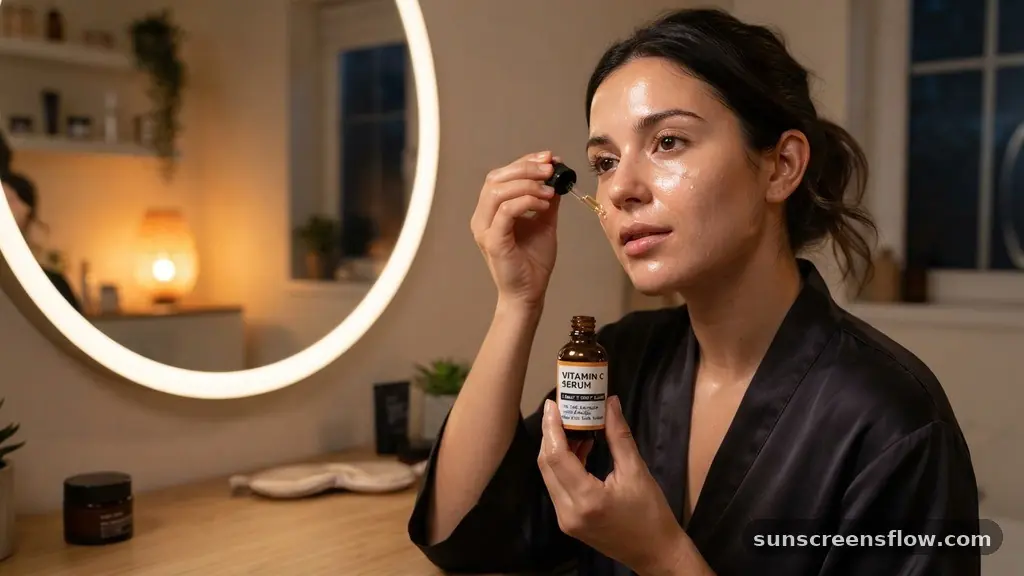
A critical factor in the success of your regimen is the stability of your product. Vitamin C, particularly in its purest form as L-ascorbic acid, is notoriously prone to oxidation.
When exposed to light, heat, or air, the serum will turn from a clear or light straw color to a dark orange or brown. Once oxidation has occurred, the product is not only less effective but can potentially cause irritation or even promote the very free radical damage you are trying to prevent.
To ensure your nighttime application is effective, proper storage is non-negotiable. Always keep your bottle in a cool, dark place—a bathroom cabinet is often better than a vanity exposed to sunlight. If you use a dropper bottle, be careful not to touch the dropper to your skin, as this introduces bacteria into the serum, which can further degrade the formula.
If your serum has significantly changed color or developed a metallic smell, it is time to discard it. By maintaining the integrity of your product, you ensure that every application is delivering the maximum potential for skin brightening and photoaging prevention.
The Role of Moisturizer in Nocturnal Protection
Applying a serum is only half the battle; locking it in is where the real transformation happens. After your vitamin C serum has been applied and allowed to settle, it is essential to follow up with a high-quality moisturizer.
This step acts as a sealant. Because vitamin C can sometimes be drying, a moisturizer helps maintain the skin’s lipid barrier, preventing transepidermal water loss while you sleep.
When selecting a moisturizer to pair with your nighttime vitamin C, look for ingredients that support barrier repair, such as ceramides, peptides, or squalane. Avoid thick, occlusive products that contain heavy silicones if you have acne-prone skin, as these can trap the serum and potentially cause congestion. The goal is to provide a breathable but protective layer.
By locking in the serum, you ensure that the active ingredients remain concentrated on the surface of the skin where they are needed most, rather than evaporating into the dry air of your bedroom. This final step is the difference between a simple treatment and a comprehensive nightly ritual.
Addressing Topical Gaps: Troubleshooting Common Issues
Even with the best intentions, users often encounter hurdles when incorporating vitamin C into an evening routine. One common issue is the sensation of stinging or tingling upon application.
While a mild tingle can be normal for high-concentration formulas, persistent burning indicates that your skin barrier may be compromised. If this occurs, stop usage immediately and focus on hydration for several days before reintroducing the serum at a lower frequency or concentration.
Another topical gap is the misconception that vitamin C must be used in the morning to be effective. While it does provide antioxidant protection against UV rays, the long-term dermatological benefits—such as the stimulation of collagen synthesis—are cumulative. The skin does not care what time of day it receives the nutrients; it only cares about the frequency and consistency of the delivery.
If your skin is too sensitive for morning application (due to potential reactions with sunscreen filters or heat), moving your entire vitamin C routine to the evening is a perfectly valid and often highly effective strategy. Always remember to perform a patch test on your inner forearm before applying any new serum to your face, especially if you have a history of sensitive skin or contact dermatitis.
Building a Consistent Routine for Long-Term Results
Consistency is the cornerstone of any effective skincare journey. Results from vitamin C are not instantaneous; they are the result of weeks and months of diligent use.
To see a visible reduction in hyperpigmentation or an improvement in overall texture, you must commit to the process. Many users make the mistake of using the product sporadically or switching between different brands too frequently, which prevents the skin from adapting to the active ingredients.
* Begin with a low concentration (5-10%) to allow your skin to build tolerance.
* Use your vitamin C serum at the same time every evening to build a habit.
* Monitor your skin’s response for the first two weeks; adjust frequency if you notice redness.
* Always ensure your hands are clean before touching your face to prevent bacterial transfer.
* Keep a simple skincare journal to track how your skin tone and brightness evolve over time.
By sticking to this structured approach, you allow your skin the time it needs to synthesize the collagen and shed the damaged cells that lead to dullness. Patience, in this case, is truly a virtue, and the long-term payoff is a clearer, more resilient complexion.
FAQ Section
What will happen if I apply vitamin C serum at night?
Applying vitamin C at night allows the ingredient to work during the skin’s peak repair phase. It helps neutralize oxidative stress from the day, promotes collagen synthesis, and works to fade hyperpigmentation without the interference of environmental pollutants, leading to a brighter and more rejuvenated complexion by morning.
What are the common mistakes when using vitamin C serum?
Common mistakes include storing the product in direct light, which leads to oxidation; applying it over heavy creams, which prevents absorption; and layering it with incompatible actives like high-strength retinols or exfoliating acids, which can cause severe skin irritation and compromise your natural protective barrier.
Is it okay to sleep with vitamin C serum on my face?
Yes, it is perfectly safe to sleep with vitamin C serum on your face. In fact, many dermatologists recommend it for those who find the product too reactive for daytime use. Simply ensure you follow it with a moisturizer to lock in the serum and prevent moisture loss.
How often should I use vitamin C serum as a beginner?
Beginners should start by using vitamin C serum two to three times per week. This allows the skin to acclimate to the acidity of the product. Once you are sure your skin handles it well without redness or stinging, you can gradually increase usage to every evening.
Conclusion
Learning how to use vitamin C serum on face at night is a transformative step for anyone serious about their skin health. By moving beyond the common marketing focus on morning application, you unlock the ability to harness your skin’s natural nocturnal repair cycle. Through the careful selection of stable formulas, a strict adherence to proper serum application order, and a thoughtful approach to ingredient layering, you can effectively combat photoaging, reduce dark spots, and encourage long-term collagen synthesis.
Remember that the journey to better skin is paved with consistency and patience. By protecting your serum from oxidation and supporting your skin barrier with adequate hydration, you provide your complexion with the very best tools for regeneration. Embrace the nightly ritual, stay consistent with your application, and allow the potent antioxidant properties of vitamin C to reveal a healthier, more radiant version of your skin.


