


Navigating the complexities of a modern skincare routine can often feel like solving a chemistry puzzle, especially when you are trying to determine what comes first moisturizer or serum. The general rule of thumb in dermatological circles is to apply products from the thinnest consistency to the thickest, which almost always places your serum before your moisturizer. Understanding the science behind this sequence is essential for ensuring that your active ingredients penetrate the epidermis effectively rather than just sitting on the surface of your skin.
By layering your products in the correct order, you optimize the absorption rate of your treatments while creating a protective seal that prevents transepidermal water loss. If you have ever wondered why your expensive treatments don’t seem to be working as expected, the culprit is often as simple as the sequence in which you apply them to your face.
The Science of Product Layering and Molecular Weight
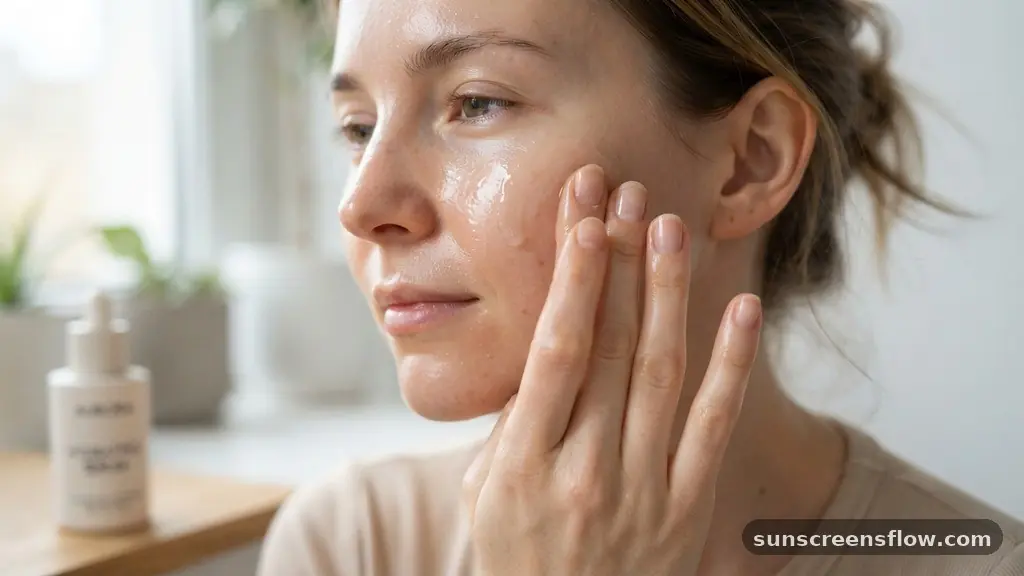
The primary reason we prioritize serums over moisturizers lies in the concept of molecular weight. Serums are engineered to be lightweight, often containing smaller molecules that can bypass the outer layers of the skin to reach the deeper dermis where they can exert their dermatological efficacy.
Because these formulas are typically water-based serum compositions, they possess a lower viscosity than heavier creams. If you were to apply a thick, occlusive moisturizer first, you would essentially be creating a physical barrier that prevents the lighter serum from reaching your pores.
Think of your skin as a sponge. If you coat the sponge in a thick layer of wax, it will struggle to absorb water. Similarly, when you apply a rich cream first, the active ingredients in your serum—such as vitamin c or niacinamide—will be trapped on top of that barrier.
By applying the serum first, you allow those high-concentration actives to sink in while the skin is still slightly damp. Once the serum has had a moment to absorb, the moisturizer acts as a lid, locking in that hydration and preventing the moisture from evaporating into the air. This fundamental skincare routine order is the cornerstone of effective topical treatment.
Understanding the Role of Humectants and Occlusives
To truly grasp why the order matters, it helps to distinguish between the two main categories of moisturizing agents: humectants and occlusives. A humectant, such as hyaluronic acid, works by drawing moisture into the skin from the environment or from deeper layers of the tissue.
Because humectants need to be sealed in to be effective, they are almost always found in your serum stage. If left exposed on the skin without an occlusive layer over them, humectants can actually draw moisture out of the skin in dry environments, leading to further dehydration.
An occlusive moisturizer, on the other hand, is designed to create a physical seal over the skin. These products are often formulated with oils, waxes, or silicones that physically block the path of water molecules, thereby reducing transepidermal water loss. If you place your occlusive layer before your humectant serum, you are effectively sealing the skin against the very ingredients you want to introduce.
Mastering the balance between these two types of products is critical for maintaining a healthy skin barrier. By layering a humectant-rich serum followed by an occlusive cream, you provide your skin with a dual-action system that hydrates from within and protects from without.
Maximizing the Efficacy of Active Ingredients
When you invest in high-quality skincare, you are paying for the active ingredients that target specific concerns like hyperpigmentation, fine lines, or acne. These ingredients require a specific pH balance and a direct path to the skin to function correctly.
For instance, retinol is a potent ingredient that requires consistent contact with the skin cells to encourage turnover. If your skin is already coated in a heavy layer of lipids from a moisturizer, the retinol may be diluted or prevented from reaching its target sites.
Furthermore, the absorption rate is significantly influenced by the state of your skin during application. Applying your serum while the skin is still slightly damp from cleansing allows for better diffusion of the product. Once the serum is applied, you should wait thirty to sixty seconds for it to become slightly tacky.
This indicates that the water content is evaporating or sinking in, leaving the active ingredients concentrated on the surface, ready to be “locked down” by your moisturizer. This systematic layer skincare approach ensures that you are getting the full value of your products, as nothing is being wasted by sitting on top of an impenetrable layer of cream.
Morning Routine vs Evening Routine Requirements
While the basic rule of “serum before moisturizer” holds true for both your morning routine and your evening routine, the specific products you choose for each time of day will differ. In the morning, your primary focus is protection.
You want to use antioxidant-rich serums, such as those containing vitamin c, to defend the skin against environmental stressors like UV rays and pollution. After applying this serum, your moisturizer should ideally contain an SPF component or be followed by a dedicated sunscreen.
In the evening, your skin moves into a regenerative phase. This is the optimal time to use heavier, more restorative treatments. You might start with a niacinamide serum to soothe the skin, followed by a treatment-based serum like retinol or a chemical exfoliant.
Your evening moisturizer can be significantly thicker and more nourishing than your daytime option, as you don’t have to worry about how it sits under makeup. Regardless of the time of day, the core principle remains: the serum provides the treatment, and the moisturizer provides the protection and sealing. Deviating from this order in the evening can lead to the ingredients rubbing off onto your pillowcase before they have a chance to work.
Addressing Pore Clogging and Non-Comedogenic Choices
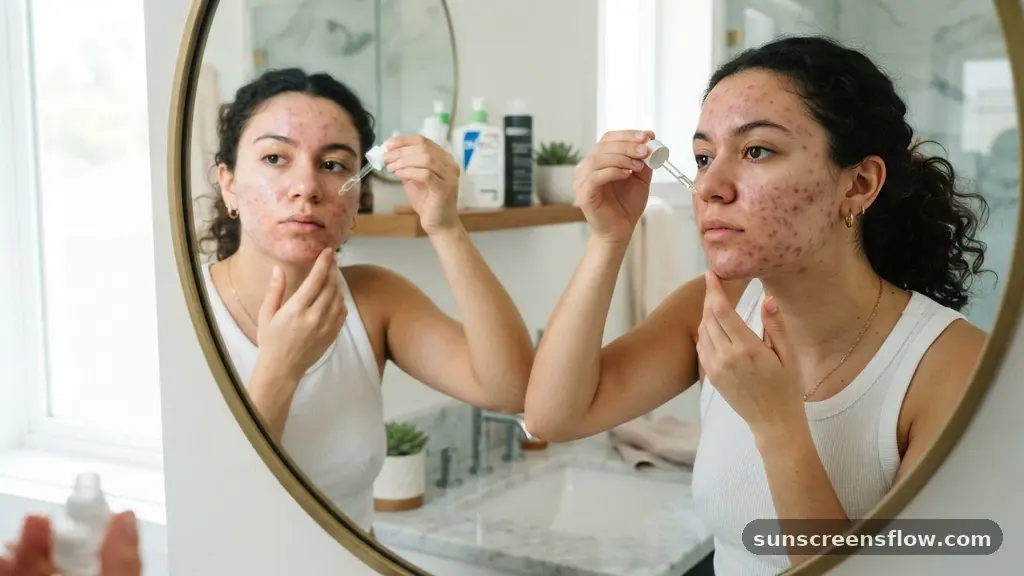
One common fear among those building a skincare regimen is that layering multiple products will lead to pore clogging. This concern is valid, especially for those with oily or acne-prone skin. However, the issue is rarely the order of application; it is usually the nature of the products themselves.
If you are worried about congestion, the solution is to choose non-comedogenic formulas. These products are specifically tested to ensure they do not block pores.
When you layer a lightweight serum underneath a moisturizer, you are actually less likely to clog your pores than if you used a single, ultra-heavy cream that contains pore-clogging waxes. A thin, water-based serum adds nutrients without adding excess oil, while a well-formulated, non-comedogenic moisturizer provides the hydration your skin needs without the heaviness.
If you suspect your routine is causing breakouts, look for products that are oil-free and fragrance-free. By layering correctly, you can achieve a sophisticated level of skin nourishment while keeping your pores clear and breathable.
The Role of Face Oil in Your Skincare Routine
Where does a face oil fit into the “what comes first moisturizer or serum” debate? Face oils are unique because they are typically occlusive but lack the water-binding properties of humectants.
Because oil and water do not mix, and because oil is highly effective at penetrating the lipid barrier of the skin, the general rule is to apply face oils after your moisturizer. If you apply oil before your water-based serum, the oil will act as a waterproof barrier that prevents the serum from ever reaching your skin.
Think of it as a hierarchy of density. Your water-based serum is the lightest, your moisturizer is the medium-weight cream, and your face oil is the final, most occlusive layer.
By applying the oil last, you create an ultimate seal that prevents water from escaping the skin throughout the night. If you have very dry skin, mixing a drop of oil into your moisturizer can be a great way to customize your routine, but generally, the oil should be the final step to ensure that all the beneficial ingredients underneath are properly sealed in.
Common Mistakes When Layering Skincare
Many people struggle with “pilling,” which is when products ball up or flake off the skin during application. This is a clear sign that you are either applying products in the wrong order or not allowing enough time between layers. Pilling happens when a product cannot absorb because the surface of the skin is already saturated or because you are layering incompatible formulations, such as a silicone-heavy primer over a water-based serum that hasn’t dried.
To avoid this, follow these best practices:
- Always cleanse your skin thoroughly to remove debris that could interfere with absorption.
- Apply your water-based serum to slightly damp skin to enhance penetration.
- Wait at least 60 seconds after your serum before applying your moisturizer.
- Pat your moisturizer onto the skin rather than rubbing it vigorously, which can disturb the layers underneath.
- Check the ingredient list: if your serum contains high levels of silicones, it might conflict with certain water-based moisturizers.
Comparison of Product Types and Application Order
The following table provides a quick reference guide to help you visualize where different types of products sit in your daily regimen. Following this structure ensures that you are working with the physics of your skin rather than against it.
| Order of Application | Product Type | Primary Function |
|---|---|---|
| 1 (First) | Cleanser | Removes dirt, oil, and makeup |
| 2 | Toner | Balances pH balance |
| 3 | Active Serum | Targets specific concerns (e.g., Vitamin C) |
| 4 | Humectant Serum | Draws moisture into the skin |
| 5 | Moisturizer | Seals in hydration (Occlusive) |
| 6 (Last) | Face Oil / SPF | Final protective barrier |
Addressing Topical Gaps: Why Texture Matters More Than You Think
A common topical gap in skincare education is the role of texture and finish. Many people assume that if a product is expensive, it will work regardless of how it is applied.
However, the dermatological efficacy of a product is entirely dependent on its ability to interact with the skin’s surface. If you are using a serum that is intended to treat dark spots, but you apply it over a heavy, SPF-laden moisturizer, you have effectively neutralized the treatment.
Another gap is the misconception that “thinner” always means “better.” While serums are thinner, they are not always better for every skin type. If you have a compromised skin barrier, you might find that serums cause irritation.
In these cases, it is often recommended to apply a very light layer of moisturizer first (often called “buffering”) before applying your active serum. This technique can reduce the intensity of potent actives like retinol while still allowing them to work. This is one of the few exceptions to the rule, but it is a vital strategy for those with sensitive or reactive skin who want to incorporate stronger treatments into their routine without causing inflammation.
FAQ: Common Questions About Skincare Ordering
Do I really need to wait for my serum to dry before applying moisturizer?
Yes, waiting for your serum to absorb—which usually takes about 60 seconds—is crucial. If you apply your moisturizer immediately, you risk “pilling” and may inadvertently dilute the active ingredients in your serum, preventing them from penetrating the skin’s surface effectively.
Can I mix my serum and moisturizer together in my palm?
While mixing them can save time, it is generally better to apply them separately. Mixing them can alter the pH balance of the serum and may interfere with the intended delivery system of the active ingredients, potentially reducing their overall effectiveness on your skin.
What if I use multiple serums? Which one comes first?
If you use multiple serums, apply them from the thinnest consistency to the thickest. For example, apply a watery, light-textured serum first, followed by a slightly thicker, gel-like serum. Always ensure each layer is absorbed before moving on to the next to prevent product buildup.
Does the order change if I have oily skin?
The order remains the same regardless of skin type. Even if you have oily skin, you still need to apply your serum before your moisturizer. The key difference is that you should choose a lightweight, non-comedogenic moisturizer to ensure you are hydrating without clogging your pores.
Conclusion
Determining what comes first moisturizer or serum is a fundamental aspect of building a successful skincare routine. By adhering to the principle of applying products from the thinnest consistency to the thickest, you ensure that your active ingredients reach the dermis where they are needed most. Remembering that serums are designed to treat and moisturizers are designed to protect and seal is the best way to keep your skin barrier healthy and resilient.
Whether you are dealing with transepidermal water loss or simply trying to optimize your morning routine, the order of application is your most powerful tool. By following these guidelines, you can avoid common pitfalls like pore clogging and pilling, ensuring that every product you apply contributes to a glowing, healthy complexion. Consistency and correct layering are the true secrets to achieving the dermatological efficacy you desire from your skincare investments.


