

Integrating targeted skincare with photobiomodulation has become a cornerstone of modern aesthetic routines. When you decide what serum to use with red light therapy, you are essentially determining how effectively your device interacts with your skin.
The primary goal of using a serum alongside light-emitting diodes is to enhance the delivery of active ingredients while ensuring the light penetrates the epidermal layer without interference. Because red light therapy functions by stimulating cellular energy, the right topical application can act as a catalyst for rejuvenation, hydration, and repair.
Many users mistakenly believe that applying any high-end product will yield superior results, but the physics of light transmission suggests otherwise. To optimize topical absorption, you must prioritize formulas that are lightweight and free of ingredients that might block or scatter the therapeutic wavelengths. By understanding the interaction between your chosen skincare and the light, you can significantly amplify your collagen production and overall skin health.
The Science of Light Penetration and Topical Absorption
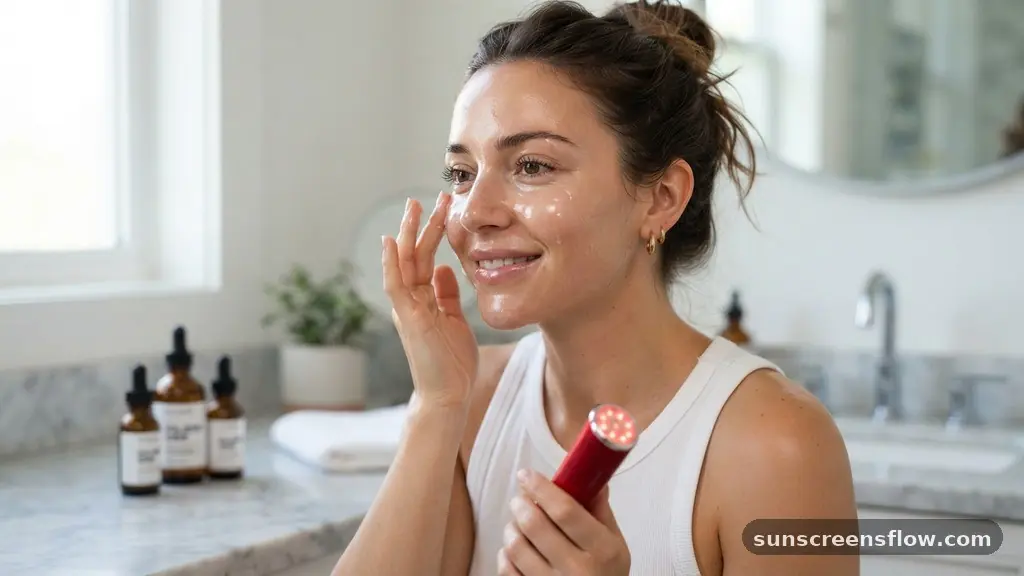
At the core of the relationship between light therapy and skincare is the concept of skin penetration. When you place a device against your face, the photons must travel through the surface layers of the skin to reach the mitochondria, where they trigger the biological benefits of photobiomodulation. If you apply a thick, heavy cream or a product containing opaque particles, you create a physical barrier that reflects or absorbs the light before it reaches its intended destination.
This is why water-based formulas are almost always superior for pre-treatment application. Water-based serums are designed to be absorbed quickly, allowing the light to pass through the skin with minimal resistance. Furthermore, the molecular weight of the ingredients matters significantly.
Ingredients with smaller molecular structures can bypass the surface tension of the skin, moving deeper into the dermis where they can be activated by the light. When selecting your products, look for serums that feel thin and watery rather than viscous or oily.
These products maintain the integrity of the skin barrier while allowing the light to work its magic at the cellular level. By keeping the skin clear of occlusive layers, you ensure the maximum amount of light energy reaches the target cells.
Why Hyaluronic Acid is the Gold Standard
If you are looking for the most reliable answer to what serum to use with red light therapy, hyaluronic acid consistently ranks at the top. As one of the most effective humectants available in modern dermatology, hyaluronic acid has a unique ability to draw moisture into the skin, creating a hydrated, plump environment. This hydration is vital because well-hydrated skin is more translucent, which inherently allows for better light transmission compared to dry, flaky skin.
Beyond its role as a conductivity aid, hyaluronic acid is inherently non-photosensitizing. This means it does not react negatively to the energy emitted by light therapy devices, making it a safe choice for daily use. Because it is typically formulated as a clear, oil-free serum, it does not leave a residue that would block the light.
Many users find that applying a high-quality hyaluronic acid serum a few minutes before turning on their device leads to a more “glowy” finish. The serum acts as a conduit, keeping the skin supple and responsive to the therapeutic wavelengths, thereby maximizing the efficiency of your at-home sessions. It is the safest bet for those with sensitive skin who want to avoid potential irritation from more active ingredients.
Navigating Ingredients to Avoid During Light Therapy
Not every product in your medicine cabinet belongs in your light therapy session. Some ingredients are designed to be occlusive, meaning they sit on top of the skin to lock in moisture. While this is great for a nighttime routine, it is counterproductive when using a red light device.
You want to avoid products that are highly comedogenic or contain heavy waxes, silicones, and thick oils. These substances create a film that scatters the light, effectively wasting the energy your device is outputting.
Furthermore, you should be wary of products that contain ingredients that might become unstable or cause irritation when exposed to heat or light. While red light is generally gentle, the increased blood flow and localized warmth can sometimes amplify the effect of certain chemicals. For instance, while some people argue about the use of retinoids or certain antioxidants, it is generally safer to apply these after your session rather than before.
This ensures that the light therapy is focused entirely on cellular stimulation rather than dealing with the potential for increased skin sensitivity. By keeping your pre-treatment surface clean and simple, you minimize the risk of adverse reactions and maximize the intended therapeutic benefits.
The Role of Antioxidants and Vitamin C
There is a growing trend of using vitamin C and other antioxidants in conjunction with light therapy, and for good reason. These bioactive ingredients are renowned for their ability to combat oxidative stress, which complements the anti-inflammatory effects of red light. When you use an antioxidant serum, you are essentially “pre-loading” the skin with the tools it needs to repair damage caused by free radicals.
However, the key is the formulation. If you choose to use vitamin C, ensure it is a lightweight, water-based serum that is fully absorbed before you begin your session. If the serum is too acidic or contains heavy stabilizers, it might cause stinging when the skin is stimulated by the light.
The goal is to provide a boost to your skincare routine without creating a barrier. Many experts recommend applying your antioxidant serum, waiting for it to dry completely—usually about five to ten minutes—and then proceeding with your light therapy. This allows the ingredients to penetrate the transdermal layers effectively, where the light can then help “activate” them, potentially leading to a synergistic effect that promotes brighter, more even-toned skin.
Comparing Serum Types for Light Therapy
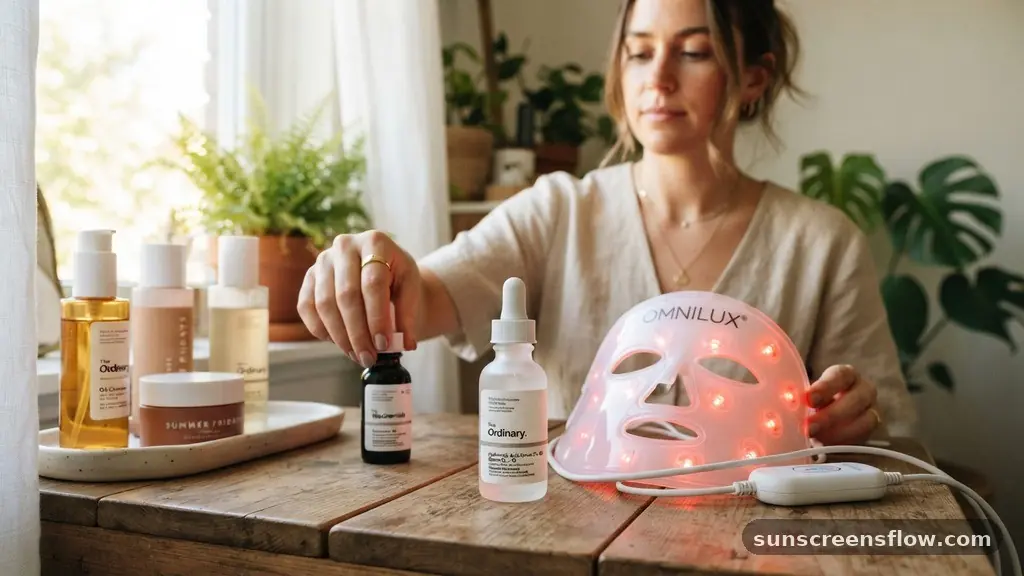
Choosing the right serum can be confusing given the vast array of options on the market. The following table provides a quick reference to help you distinguish which product categories are most suitable for use during your sessions.
| Serum Type | Compatibility | Key Benefit |
|---|---|---|
| Hyaluronic Acid | Excellent | High hydration, clear, non-occlusive. |
| Oil-Based Serums | Poor | Can block light penetration; greasy residue. |
| Vitamin C (Water-based) | Good | Antioxidant boost; pairs well if fully absorbed. |
| Retinoids | Caution | Potential for irritation; best used post-treatment. |
As indicated in the table, the priority should always be on oil-free serums that prioritize hydration and quick absorption. If a product feels heavy or requires a long time to sink in, it is likely not the best companion for your light therapy device. Stick to clear, thin textures that won’t interfere with the light waves.
Optimizing Your Skincare Routine for Maximum Results
To get the most out of your investment in light therapy, your routine needs to be intentional. It isn’t just about the serum; it’s about the sequence. A typical, effective routine starts with a gentle cleanse to remove dirt, oil, and dead skin cells.
Clean skin is the most receptive to light. Once the skin is clean and dry, this is the optimal time to apply a thin layer of your chosen serum.
If you are using a device that requires direct contact with the skin, you might consider conductive gels if the manufacturer specifically recommends them. However, for most LED masks or handheld panels, a simple, pure serum is sufficient. After the session, you can follow up with your heavier creams, oils, or occlusive moisturizers.
This “sandwich” method—cleansing, serum, light therapy, then heavy moisturizer—ensures that the light has a clear path to the skin while still allowing you to lock in hydration afterward. This approach respects the physics of near-infrared light and red light, ensuring that your skin receives the full therapeutic dose without any unnecessary interference from thick, topical layers.
Addressing Common Misconceptions About Light Therapy Serums
One of the most persistent myths in the beauty industry is that you need a “special” or “proprietary” serum to make light therapy work. In reality, you are looking for specific chemical properties, not a specific brand.
Many companies market expensive “activation serums,” but often, a simple, high-quality hyaluronic acid serum will perform just as well. The light therapy itself is the active agent; the serum is merely a supporting character that provides hydration and a clear medium for light transmission.
Another misconception is that you should use as much serum as possible to “protect” the skin. In truth, using too much product can be just as detrimental as using the wrong product. Excess serum can pool in the creases of your device or cause the light to reflect off the surface of the skin rather than penetrating it.
A thin, even layer is always better than a thick, globby application. Remember, the efficacy of photobiomodulation relies on the photons reaching the target cells.
If your skin is coated in a thick layer of product, you are essentially putting a filter over your light source. Keep your application light, precise, and consistent to ensure you are getting the intended results from your device.
The Importance of Non-Photosensitizing Ingredients
When you are researching what serum to use with red light therapy, you will inevitably encounter the term “photosensitizing.” A photosensitizing ingredient is one that makes the skin more reactive or sensitive to light exposure.
While red light is not the same as UV light—which is the primary cause of sunburn and skin damage—it is still a form of energy. Using ingredients that are known to increase sensitivity, such as certain essential oils or high-strength exfoliants, can lead to redness or discomfort during your session.
Always check your ingredient labels for items that are known to cause reactions. If you have sensitive skin, it is best to stick to products labeled “hypoallergenic” or “for sensitive skin.” These products are formulated to be gentle and usually avoid the harsh chemicals that might flare up when exposed to the heat of the light.
By choosing non-photosensitizing formulas, you ensure that your sessions are comfortable and that you aren’t inadvertently causing inflammation while trying to achieve rejuvenation. Your skin should feel refreshed and calm after a session, not irritated or tight. If you notice any redness, it is a sign that your skin is reacting to either the intensity of the light or the ingredients in your pre-treatment serum.
Selecting the Right Texture for Your Device
The physical design of your light therapy device should also influence your choice of serum. For instance, if you are using an LED mask that sits directly on your skin, you need a serum that dries down quickly and doesn’t get sticky.
A sticky serum can make the mask uncomfortable to wear and can even cause it to slide around, which disrupts the light distribution. On the other hand, if you are using a handheld wand that you move manually over the skin, a slightly more viscous serum might be acceptable, as it can help the device glide more smoothly.
Consider the following factors when matching your serum to your device:
- Absorption speed: Does it vanish into the skin, or does it leave a film?
- Slip: Does it provide enough glide for your specific device type?
- Residue: Will it leave a tacky sensation that attracts dust or lint?
- Compatibility: Is the serum specifically designed to be light-stable?
By tailoring your product choice to your specific hardware, you improve the overall user experience and ensure that the session remains effective and enjoyable. The goal is to make the process as seamless as possible so that you are more likely to stick to a consistent schedule, which is the most important factor in seeing long-term results from any light therapy regimen.
Frequently Asked Questions
Can I use a retinol serum before my red light therapy session?
It is generally recommended to avoid using retinoids immediately before red light therapy. Retinoids can increase skin sensitivity, and the combination of heat from the light and the active nature of the vitamin A derivative may cause unnecessary irritation or redness. Apply your retinoids in the evening after your session.
Is it necessary to use a serum at all during light therapy?
No, it is not strictly necessary. You can perform red light therapy on clean, bare skin, which is perfectly effective. However, using a light, water-based hydrating serum like hyaluronic acid can improve comfort and ensure the skin remains plump and receptive to the light throughout the duration of the treatment.
Will oil-based serums block the light from my device?
Yes, oil-based products are generally not recommended for use before light therapy. Oils are often occlusive and can create a physical barrier on the skin that reflects or scatters the light, preventing it from reaching the deeper cellular layers where it is needed for the best results.
What happens if I use a serum that is too thick?
If you use a thick, heavy serum, you may notice that the light therapy is less effective over time. The product acts as a filter, reducing the intensity of the light that reaches your skin. Additionally, thick products can interfere with the fit of LED masks, causing them to slide or lose contact.
Conclusion
Selecting the right serum for your red light therapy routine is a simple but impactful way to improve your results. By focusing on lightweight, water-based formulas like hyaluronic acid, you ensure that your skin is adequately hydrated and ready to absorb the therapeutic benefits of the light. Avoiding heavy, occlusive, or comedogenic products is crucial, as these can block the light and hinder the very process you are trying to stimulate.
Whether you are aiming to boost collagen production, reduce inflammation, or improve your overall skin texture, the key is to keep your pre-treatment application clean and intentional. Remember that the light is the primary driver of change; your serum is simply there to support the process by keeping your skin healthy, clear, and receptive.
By integrating these practices into your daily routine, you can enjoy the full, transformative benefits of consistent light therapy, leading to a radiant and rejuvenated complexion that stands the test of time. Keep your choices simple, prioritize hydration, and let the light do the hard work for you.


