


Navigating the complexities of a modern skincare routine often feels like solving a chemistry puzzle, especially when it comes to the layering technique. One of the most frequent questions individuals face is serum before or after moisturizer. The short answer is that you should almost always apply your serum before your moisturizer.
This sequence is rooted in the fundamental principles of dermatology, specifically regarding the molecular weight and texture of the products you are using. By applying your treatments first, you ensure that the high concentration of active ingredients can penetrate the skin barrier effectively without being blocked by the thicker, more protective layers of a cream.
The Science of Product Layering and Molecular Weight
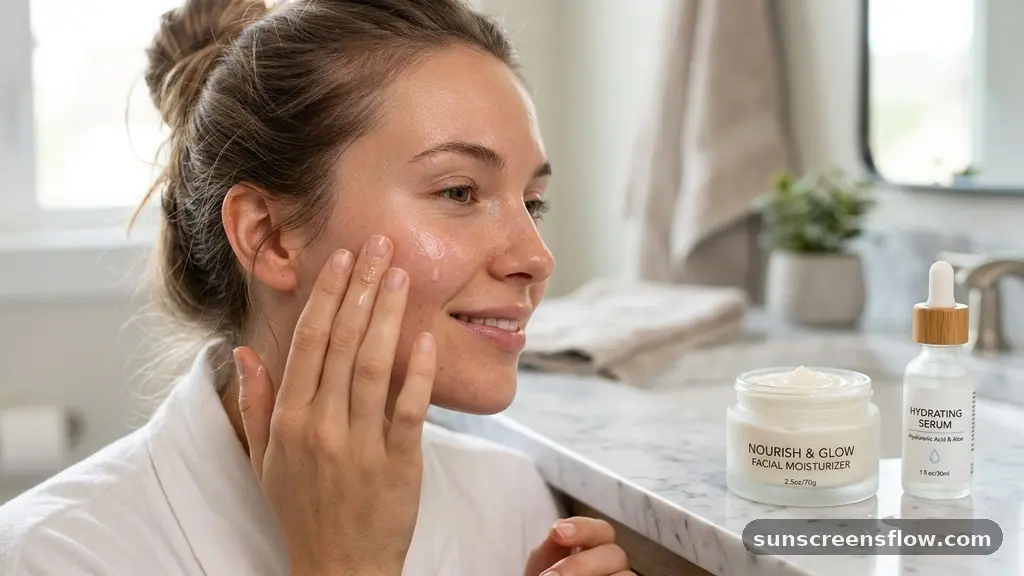
The primary reason for the specific skincare routine order is the concept of molecular weight. Cosmetic chemists formulate products based on their ability to travel through the epidermis. Serums are designed to be lightweight, often water-based, and composed of smaller molecules that can bypass the top layer of the skin to reach deeper levels.
If you were to apply a heavy face cream first, its larger molecules and occlusive ingredients would essentially create a physical barrier on the surface of your skin. This would prevent the serum from being absorbed, rendering those expensive and potent active ingredients largely ineffective.
Think of your skin like a sponge. If you coat a sponge in a thick layer of wax or heavy oil, and then try to pour water on top of it, the water will simply sit on the surface or bead off. However, if you apply the water-based serum first, the skin absorbs it readily.
Once the serum has had a moment to sink in, applying a moisturizer acts as a sealant. This process ensures that the active ingredients are locked into the skin, while the moisturizer provides the necessary fatty acids and lipids to support the skin barrier. Understanding this flow is essential for anyone looking to see real, visible changes in their skin texture and overall health.
Why Serums are the Heavy Lifters of Your Routine
Serums are essentially the powerhouses of any skincare regimen. Unlike a standard face cream, which is formulated to hydrate and protect, a serum is a concentrated treatment designed to target specific concerns such as fine lines, hyperpigmentation, or uneven skin tone. These formulas typically contain a higher percentage of active ingredients like vitamin C, niacinamide, or retinol.
Because these substances are highly reactive and sensitive, they need to reach the target cells directly. When you apply your serum directly to clean, damp skin, you maximize the absorption rate, allowing the ingredients to work at their full potential.
It is also important to consider the pH balance of these products. Many serums, particularly those containing acids or vitamin C, are formulated at a specific pH to maintain their stability and effectiveness. If you apply a moisturizer—which is often formulated at a different, more neutral pH—before the serum, you may disrupt the environment required for the serum to function.
By keeping your treatment step separate and applying it immediately after cleansing and toning, you honor the chemical design of your products. This strategic approach ensures that you aren’t just applying products, but actually treating your skin with intent.
The Role of Moisturizers as Occlusives
Once you have successfully applied your treatment, the moisturizer steps in as the essential final act. Most moisturizers contain ingredients classified as occlusives. Occlusives are substances that sit on top of the skin to create a physical seal, which is the most effective way to prevent trans-epidermal water loss.
If you left your skin with only a serum on it, the water content of that serum would eventually evaporate into the air, potentially leaving your skin feeling tighter or drier than before. The moisturizer traps the moisture provided by the serum and the natural water content of your skin cells, ensuring long-term hydration.
Furthermore, moisturizers often contain humectants, which are ingredients like glycerin or hyaluronic acid that draw moisture from the environment into the skin. When used in conjunction with a serum, these humectants work in tandem to keep the skin plump and hydrated throughout the day.
Without this layer, your skin might struggle to maintain its moisture balance, especially in dry climates or during winter months. The goal of using a moisturizer is not just to provide surface-level smoothness, but to reinforce the integrity of the lipid barrier, which protects you from environmental pollutants and irritants that can cause premature aging and inflammation.
Identifying the Correct Sequence for Complex Routines
While the general rule is to apply products from the thinnest consistency to the thickest, life is rarely that simple when you have a multi-step routine. A typical, effective layering technique looks like this:
- Cleansing: Remove dirt, oil, and makeup to create a clean canvas.
- Toning: Balance the skin’s pH and prepare it for better absorption.
- Treatment Serum: Apply your targeted formula (e.g., vitamin C or retinol) while the skin is slightly damp.
- Moisturizing: Apply a face cream or emulsion to lock in all previous layers.
- Sun Protection: If it is daytime, always apply SPF as the final step.
This hierarchy ensures that the most potent, lightweight ingredients touch the skin first, while the more substantial, protective products provide a finish that supports the barrier. If you are using multiple serums, the rule of thumb remains the same: apply the most water-based or fluid serum first, followed by thicker, oil-based serums.
Always wait about 30 to 60 seconds between applications to allow each product to absorb fully. This prevents “pilling,” which is that annoying phenomenon where your products start to roll off your face in little beads, usually caused by layering products too quickly or using incompatible formulas.
Addressing Topical Gaps: When to Deviate from the Rule
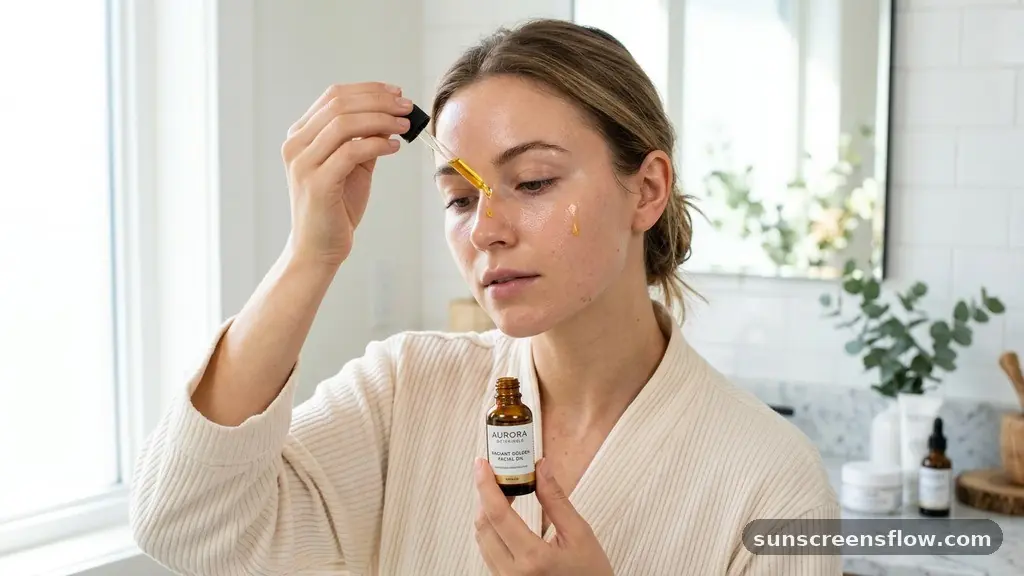
A common point of confusion arises when dealing with specific types of products that seem to blur the lines between serum and moisturizer. For example, some facial oils are marketed as “serums,” yet they are essentially occlusive. If you are using a pure oil, it should generally be applied after your water-based serum and potentially even after your moisturizer, depending on the thickness of the oil.
Oils are excellent at sealing in hydration, but they are generally too heavy to penetrate through a cream. If you apply oil before a cream, the cream will struggle to penetrate, and you may find your skin feels greasy rather than hydrated.
Another gap in common knowledge involves the use of non-comedogenic products. People with oily or acne-prone skin often worry that layering will lead to pore clogging. However, if you choose the right non-comedogenic formulas, layering is actually beneficial.
By using a lightweight, water-based serum, you can hydrate the skin without adding heavy waxes or butters that trigger breakouts. The key is in the ingredient list. Look for products that are oil-free or contain lighter botanical oils that mimic the skin’s natural sebum, rather than heavy, pore-clogging ingredients.
Comparing Common Skincare Textures and Their Application
To help visualize how these products interact with your skin, the following table breaks down the typical categories of skincare products and their standard order of operations.
| Product Category | Consistency | Application Order |
|---|---|---|
| Toner | Watery | 1st (After Cleanser) |
| Water-based Serum | Lightweight/Fluid | 2nd |
| Oil-based Serum | Viscous/Slippery | 3rd |
| Face Cream/Moisturizer | Creamy/Thick | 4th |
| Facial Oil | Heavy/Occlusive | 5th (or mixed with cream) |
By following this general flow, you minimize the risk of product incompatibility and ensure that every item in your cabinet serves a distinct purpose. Remember that the skin is a dynamic organ; what works for one person might need slight adjustments for another. However, the logic of “light to heavy” is a universal principle that holds up in almost all dermatological practices, regardless of the specific brand or formulation of the products you use.
The Importance of Skin Barrier Integrity
Your skin barrier, or the stratum corneum, is the outermost layer of your skin. It acts as a shield against the outside world, preventing irritants from entering and internal moisture from escaping. When you use serums that contain active ingredients like retinol or AHAs, you are essentially asking your skin to perform a task—whether that is increased cell turnover or exfoliation.
If your skin barrier is compromised, these ingredients can cause stinging, redness, and irritation. This is where the moisturizer becomes even more critical.
By layering correctly, you provide the tools for your skin to repair itself after the “stress” of a treatment serum. A well-hydrated skin barrier is far more resilient than one that is dehydrated. When your barrier is strong, your skin looks smoother, feels softer, and is less prone to sensitivity.
If you find that your skin feels tight or looks dull, it is often a sign that you are either skipping the moisturizer or not using one that is rich enough to support your skin’s specific needs. Always prioritize the health of your barrier over the intensity of your treatments.
Common Mistakes to Avoid in Your Skincare Routine
One of the biggest mistakes people make is over-applying products. Just because a serum is potent doesn’t mean you need to use a large amount. Most serums are designed to be used in small quantities—usually just a few drops—that are pressed into the skin.
Applying too much product can lead to a tacky residue that never fully absorbs, which defeats the purpose of the layering technique. Furthermore, trying to use too many active ingredients at once can lead to chemical interference. For example, using high-strength vitamin C and retinol at the same time can cause severe irritation for many people.
Another mistake is neglecting the neck and chest. The skin on your neck is thinner and has fewer oil glands than the skin on your face, meaning it shows signs of aging just as quickly, if not faster. When you apply your serum and moisturizer, extend the application down to your décolletage.
This ensures that your entire visible skin surface receives the same benefits. Finally, don’t forget the importance of patience. Skincare is a long game.
It takes weeks of consistent application to see the benefits of your routine. Switching products every few days won’t give your skin the time it needs to respond to the active ingredients you are introducing.
The Impact of Environmental Factors on Layering
Finally, consider how your environment affects your skincare needs. If you live in a high-humidity environment, you might find that you need less moisturizer, or that a lighter, gel-based cream is sufficient. In this case, your serum might do the heavy lifting for hydration.
Conversely, if you live in a dry, cold climate, your skin will naturally lose more water to the air. In these conditions, you may need a thicker, more emollient moisturizer to act as a stronger occlusive shield.
Some people also find that their skin needs change with the seasons. A routine that works perfectly in the summer might leave you feeling dry in the winter. It is perfectly acceptable to adjust your moisturizer based on the climate, while keeping your treatment serum consistent.
The core principle—serum before moisturizer—remains the constant. As long as you respect the order, you have the flexibility to swap out your creams to best suit the current needs of your skin. This adaptability is the hallmark of a sophisticated skincare enthusiast who understands how to listen to their skin’s feedback.
Frequently Asked Questions
Can I mix my serum and moisturizer together?
Yes, you can mix them in your palm before application if you are in a rush. However, applying them separately is generally more effective. Applying the serum first allows it to penetrate the skin directly, while the moisturizer applied afterward acts as a superior seal for hydration.
Does the order change if I use a facial oil?
Yes, facial oils should almost always be the final step in your routine. Because they are thick and occlusive, they create a barrier that prevents other products from penetrating. Always apply your water-based serums and creams first, then use the oil to lock everything in.
How long should I wait between applying serum and moisturizer?
You should wait about 30 to 60 seconds. This gives the serum enough time to absorb into the skin, preventing it from sliding around or pilling when you apply your moisturizer. There is no need to wait ten minutes; just wait until the skin feels slightly tacky but not wet.
Is it necessary to use a serum if I already have a good moisturizer?
It is not strictly necessary, but it is highly recommended if you have specific skin concerns. Moisturizers are designed for hydration and protection, while serums are formulated to treat issues like dark spots, acne, or fine lines. A serum provides the targeted intensity that a cream cannot.
Conclusion
Mastering the order of your skincare products is one of the most effective ways to improve your complexion and ensure you are getting the most out of your beauty investment. By consistently applying your serum before your moisturizer, you respect the science of molecular weight and ensure that your active ingredients can perform their intended functions.
Remember that the goal is to create a harmonious routine that hydrates, treats, and protects your skin barrier. With a solid understanding of the “light to heavy” rule, you can confidently navigate any new product additions and build a regimen that keeps your skin healthy, resilient, and glowing for years to come.


