

Many beauty enthusiasts invest significant time and money into achieving longer, fuller eyelashes, but one critical detail often goes overlooked: does lash serum expire? Like any cosmetic product applied near the delicate tissues of the eye, lash serums have a finite lifespan. Using a product beyond its prime is not just ineffective; it can pose genuine risks to your ocular health.
Understanding the chemistry of these formulations, the importance of the period after opening symbol, and the consequences of bacterial contamination is essential for any consistent user. Whether you are using a peptide-based formula or one containing prostaglandins, knowing how to track the longevity of your beauty tools ensures that your quest for lush lashes does not lead to unwanted eye irritation or infection.
Understanding the Shelf Life of Lash Serums
Every cosmetic manufacturer is required to test their products for stability, which determines the shelf life of the formula. This timeframe is not arbitrary; it is carefully calculated based on how the active ingredients interact with the preservative system over time. Most lash serums are water-based, which makes them inherently susceptible to microbial growth once the seal is broken.
In a sterile environment like a sealed factory bottle, the product remains stable for an extended period. However, once you introduce the applicator to your skin and then return it to the tube, you are effectively introducing microorganisms into the container.
The expiration date printed on the packaging or the bottom of the bottle usually refers to the unopened product. Once you begin using the serum, the clock starts ticking based on the PAO (Period After Opening) indicator. This is typically represented by a small jar icon with a number followed by an “M,” such as 3M, 6M, or 12M.
This indicates how many months the product remains safe for use after the initial seal is broken. Ignoring this guidance can lead to product degradation, where the chemical bonds within the formula begin to break down. When this happens, the serum might lose its efficacy, meaning those expensive peptides or conditioning agents are no longer working to nourish your follicles, rendering the application entirely useless.
The Role of the Preservative System
The preservative system is the unsung hero of your lash serum. Because these products are applied directly to the lash line—an area incredibly close to the sensitive mucosa of the eye—manufacturers must balance efficacy with safety. Preservatives are added to prevent the growth of fungi, yeast, and bacteria that thrive in moist, nutrient-rich environments.
If a formula lacks a robust preservative system, it would spoil within days of being opened. However, preservatives themselves are not infinite. Over time, they can break down due to exposure to air and light, a process known as oxidation.
When oxidation occurs, the chemical structure of the serum changes. This is often why a product might change color, develop an off-putting odor, or alter in consistency. If you notice your serum has transitioned from clear to cloudy, or if it has thickened significantly, the preservative system may have been compromised.
Using such a product is a gamble with your eye health. Since the eye has very little natural defense against pathogens, even a small amount of bacterial contamination can lead to significant discomfort. Always check the shelf-life indicators provided by the brand, as they have performed the dermatological testing necessary to determine the point at which the preservatives can no longer guarantee a safe, stable product.
Identifying Signs of Product Degradation
Knowing how to spot a spoiled product is a vital skill for maintaining your beauty routine. You should treat your lash serum with the same caution you would apply to contact lens solution or eye drops.
While some changes in a product are subtle, others are clear warning signs that it is time to discard the item. Pay close attention to the following indicators that your serum has reached the end of its useful life:
- Change in Color: If the serum was originally clear and has turned yellow, brown, or milky, this is a major red flag indicating chemical breakdown.
- Altered Odor: A fresh or neutral scent becoming sour, sharp, or chemically “off” suggests that the ingredients are oxidizing or have been compromised by bacteria.
- Texture Shifts: If the liquid has become clumpy, stringy, or developed a film on the surface, the formula is no longer stable.
- Performance Loss: If you stop seeing results despite consistent application, the formula potency has likely diminished, meaning the active ingredients are no longer effective.
- Irritation Upon Use: Any sudden onset of redness, itching, or stinging that did not occur when the bottle was new is a primary indicator that the product is no longer safe.
The Risks of Double-Dipping and Contamination
One of the most common ways users accidentally ruin their lash serum is through a habit known as double-dipping. This occurs when you pull the applicator out, apply the serum to your lashes, and then re-insert the applicator back into the tube without cleaning it.
Every time you touch your lash line, you pick up skin cells, sebum, and environmental bacteria. When that applicator goes back into the serum, it acts as a delivery system for those contaminants, effectively turning your bottle into a breeding ground for microbes.
This practice is particularly dangerous because the eye is a highly sensitive area. Introducing foreign bacteria can lead to conjunctivitis or other forms of eye irritation that require medical intervention. To mitigate this risk, some users opt for disposable, single-use applicators.
By using a fresh, clean wand every time, you keep the bulk of the serum free from contamination, which can help maintain the integrity of the formula for the duration of its PAO window. If you suspect your bottle has been contaminated—perhaps you accidentally dropped the brush on a counter or touched it to an infected eye—it is best to discard the product immediately rather than risking an infection.
| Factor | Risk Level | Management Strategy |
|---|---|---|
| Double-dipping | High | Use disposable wands or clean the brush with alcohol. |
| Storage in Bathroom | Medium | Keep in a cool, dry place away from steam. |
| Ignoring PAO Icon | High | Mark the opening date on the bottle with a permanent marker. |
| Sharing Product | Extreme | Never share eye products with others under any circumstances. |
Storage Conditions and Their Impact on Longevity
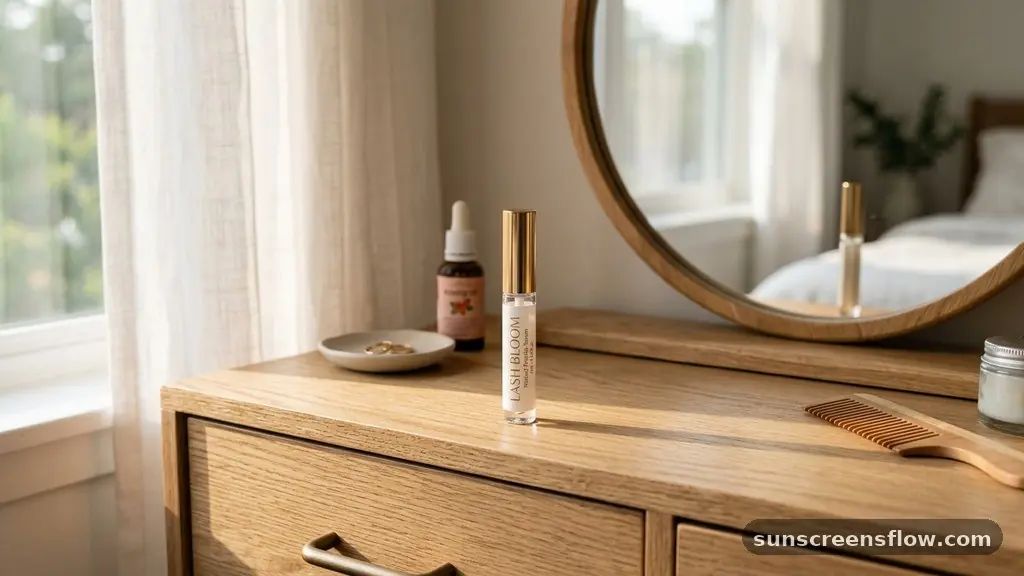
Many people store their beauty products in the bathroom, but this is often the worst environment for a lash serum. The bathroom is subject to constant fluctuations in heat and humidity, both of which accelerate product degradation. High temperatures can cause the active ingredients to break down faster, while moisture can encourage mold growth around the cap of the container.
To maximize the life of your serum, store it in a cool, dark, and dry place. A bedroom vanity or a dedicated skincare drawer is far superior to a humid bathroom cabinet.
Consistent storage conditions are key to maintaining shelf stability. If your serum is exposed to direct sunlight, the UV radiation can degrade the chemical structure of the peptides or prostaglandins within the formula. By keeping the bottle in its original box or a dark drawer, you protect the ingredients from light-induced oxidation.
Furthermore, ensure the cap is tightened firmly after every use to minimize the amount of air—and therefore oxygen—that enters the bottle. Air is the enemy of shelf life, as it is the primary driver of oxidation in cosmetic chemistry. Treating your lash serum like a delicate medication rather than a standard makeup item will help you get the most out of your purchase.
Topical Gaps: What Happens if You Use Expired Serum?
A common question that often arises is: “What actually happens if I ignore the expiration date?” The answer is rarely a sudden, dramatic reaction, but rather a gradual increase in risk. When you use an expired serum, you are essentially applying a degraded chemical mixture to your eyes.
Because the preservative system has likely failed, the product may contain a high concentration of bacteria, even if it looks and smells normal. This can lead to a condition known as bacterial conjunctivitis, which presents with symptoms like redness, discharge, crusting of the eyelids, and a gritty sensation.
Furthermore, expired active ingredients like prostaglandins or synthetic peptides can become unstable. Instead of nourishing the hair follicles, they may cause localized inflammation. If you find yourself experiencing persistent dryness or sensitivity, your expired serum could be the culprit.
It is also important to note that dermatological testing for lash serums is conducted on fresh, stable formulas. Once that formula expires, it is no longer the product that was tested for safety.
You are essentially using an unverified substance near your eyes, which is a significant gamble. If you are ever in doubt, the safest course of action is to replace the product.
The Science of Prostaglandins and Peptide Formulas
Lash serums generally fall into two categories: those that use prostaglandins (or prostaglandin analogs) and those that rely on peptides and botanical extracts. Prostaglandin-based serums are known for being highly effective at extending the growth phase of the hair cycle, but they are also more prone to causing side effects like darkening of the iris or eyelid pigmentation.
Because these ingredients are pharmacologically active, the stability of the formula is even more critical. If a prostaglandin-based serum degrades, the chemical properties of the analog can change, potentially leading to unpredictable results or increased sensitivity.
Peptide-based serums are generally considered milder, focusing on conditioning and strengthening the lashes to prevent breakage. However, these formulas are often rich in amino acids and vitamins, which are excellent food sources for bacteria. This makes them just as susceptible to microbial growth as their medicinal counterparts.
Regardless of the active ingredients, the base of the serum—usually water—remains the primary factor in its shelf life. Whether you prefer a high-potency medicinal serum or a gentle conditioning one, the chemistry dictates that once the seal is broken, the product’s lifespan is limited.
Best Practices for Maintaining Eye Safety
Protecting your vision while using beauty enhancers should be a top priority. Eye safety is not just about the product itself but also about how you handle it. Always wash your hands before applying any serum to ensure you aren’t transferring dirt or pathogens from your fingers to the applicator.
Additionally, avoid applying the serum while wearing contact lenses, as the serum can become trapped between the lens and the eye, potentially causing prolonged irritation or chemical burns. Wait until your lenses are out and your eyes are clean before application.
Another essential practice is to keep a log of when you open your products. Many users find it helpful to write the date they opened the bottle directly on the label using a fine-tip permanent marker. This takes the guesswork out of determining whether the product is still safe.
If you have been using a bottle for longer than the manufacturer’s recommended PAO period, do not try to “finish it up” to save money. The cost of a new tube of serum is negligible compared to the cost of treating an eye infection or dealing with potential long-term damage to the delicate skin around your eyes.
Frequently Asked Questions
How can I tell if my lash serum is definitely expired?
Look for visible changes such as cloudiness, a shift in color, or a thickened consistency. If the product develops an unusual smell or causes any new sensation of stinging, redness, or itching upon application, it has likely degraded and should be discarded immediately for your safety.
Does an unopened lash serum expire?
Yes, even unopened products have a shelf life. While they stay stable much longer than opened bottles, the ingredients will eventually break down over time due to natural oxidation. Always check the expiration date printed on the packaging to ensure the product remains safe and effective for use.
Is it safe to use a lash serum past its PAO date?
No, it is not recommended. The period after opening (PAO) icon indicates when the preservative system is no longer guaranteed to prevent bacterial growth. Using a product beyond this date increases the risk of eye infections and ensures that the active ingredients are likely no longer effective.
Why do some lash serums have a shorter shelf life than others?
The shelf life is determined by the specific formulation, particularly the strength and type of the preservative system used. Serums with fewer synthetic preservatives or those containing highly active or volatile ingredients may have a shorter lifespan and require stricter adherence to the recommended use-by date.
Conclusion
Ultimately, the question of whether lash serum expires is one that every user must take seriously. While it is tempting to keep using a bottle until the very last drop, the risks associated with bacterial contamination and product degradation are simply too great to ignore. By paying attention to the PAO icon, maintaining proper storage conditions, and avoiding harmful habits like double-dipping, you can enjoy the benefits of your lash serum safely and effectively.
Remember that your eyes are among your most precious assets; no amount of lash length is worth compromising your ocular health. Always prioritize fresh, stable products, and when in doubt, replace your serum to keep your beauty routine safe, effective, and free from unnecessary irritation. Keeping track of your product’s lifespan is not just a chore—it is a fundamental aspect of responsible skincare and long-term eye health.


