


Establishing a consistent evening skincare ritual is one of the most effective ways to support your skin’s natural repair processes while you sleep. A common question that arises for both beginners and enthusiasts is whether you should apply moisturizer after serum at night.
The short answer is yes; in the vast majority of cases, locking in your serum with a moisturizer is a critical step for achieving healthy-looking skin. While serums are designed to deliver high concentrations of active ingredients deep into the skin, they are generally not formulated to provide the complete nourishment or protection that your skin barrier requires overnight.
The Science of Skincare Layering and Absorption
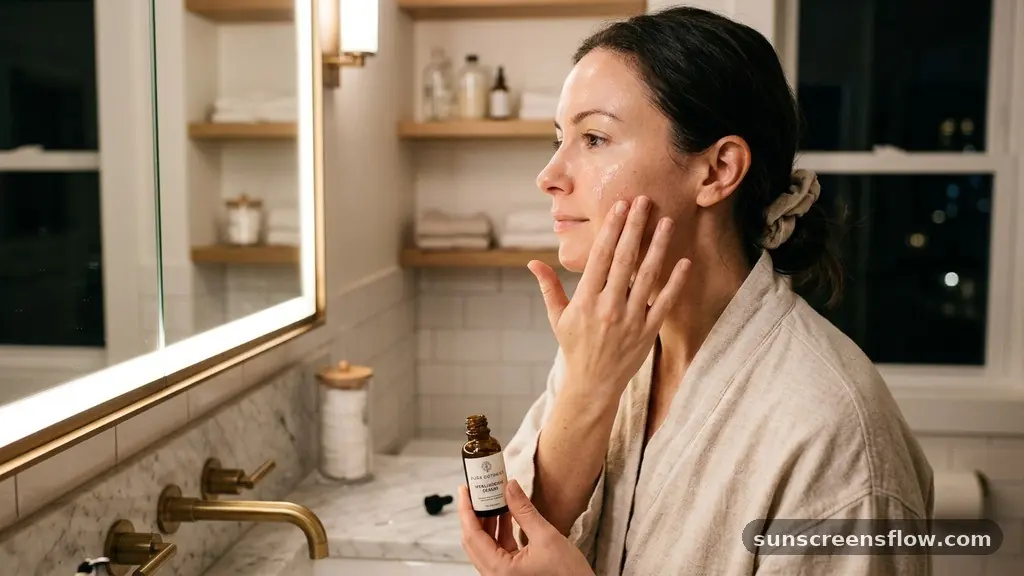
Understanding why layering order matters is the foundation of an effective beauty regimen. Your skin is a complex organ, and its ability to absorb products is dictated by the chemical properties of those products.
Generally, you should follow the rule of applying products from the thinnest consistency to the thickest. Serums are typically lightweight, water-based formulations packed with potent actives, whereas moisturizers are thicker, often containing a blend of emollients and occlusives designed to sit on the surface of the skin.
When you apply a serum, the goal is to allow those actives to penetrate the epidermis. If you were to apply a heavy cream first, the smaller, thinner serum molecules might struggle to bypass the barrier created by the thicker cream. By applying the serum directly to clean skin, you ensure that ingredients like hyaluronic acid or niacinamide have the best chance of performing their intended function.
Once the serum has been absorbed, applying a moisturizer acts as a finishing touch that seals everything in, preventing the evaporation of water and protecting the skin from environmental stressors. This systematic approach ensures that you get the maximum value out of every product in your cabinet.
Preventing Transepidermal Water Loss
One of the primary reasons you should apply moisturizer after serum at night is to combat transepidermal water loss (TEWL). This is the process where water evaporates from the deeper layers of the skin into the surrounding air.
Even if you use a hydrating serum filled with humectants, these ingredients work by pulling water into the skin. If the environment is dry, or if your skin barrier is compromised, humectants can sometimes pull moisture out of the deeper layers of your skin rather than from the air, potentially leaving your face feeling tighter or more dehydrated than before you started.
A moisturizer functions as an occlusive or semi-occlusive layer. By sitting on top of the epidermis, it creates a physical seal that traps the moisture provided by your serum and your skin’s natural oils. This is especially vital during the night, as your skin’s natural barrier function is highly active during its repair cycle.
If you leave your serum exposed without a moisturizer, you are effectively leaving the door open for that hydration to escape. A good moisturizer ensures that the humectants in your serum stay put, allowing your skin to remain plump and hydrated until morning.
Understanding the Role of Humectants vs. Occlusives
To master your routine, it helps to distinguish between the two main categories of ingredients you are applying. Humectants, which are commonly found in water-based serums, are “water-loving” molecules. Examples include hyaluronic acid, glycerin, and honey.
They are excellent at attracting moisture, but they lack the structural integrity to hold that moisture in place for an extended period. This is where your moisturizer comes in.
Moisturizers often contain occlusives, such as ceramides, petrolatum, or plant-based oils, which create a protective film on the skin. You can think of the serum as the “drink” of water for your skin and the moisturizer as the “lid” that keeps the glass from spilling. If you omit the moisturizer, you are essentially providing the drink without the lid.
For most individuals, the combination of a humectant-rich serum followed by an occlusive moisturizer is the gold standard for maintaining a resilient, healthy-looking skin barrier. Without this combination, you might find that your skin feels dry or irritated, particularly if you are using active ingredients that can increase sensitivity.
The Interaction of Actives: Retinol and Niacinamide
When dealing with potent active ingredients like retinol or niacinamide, the order of operations becomes even more important. Retinol is a powerhouse for anti-aging, but it is notorious for causing dryness and flaking as the skin adjusts to its cell-turning properties.
Applying a moisturizer after a retinol serum is not just a recommendation; it is a necessity for many to mitigate side effects. The moisturizer provides a buffer that can help reduce the irritation often associated with retinoids.
Niacinamide, on the other hand, is a versatile ingredient that helps with everything from oil control to redness reduction. While it is generally less irritating than retinol, it still benefits from being sealed in.
If you are using a specialized treatment serum, applying a moisturizer afterward ensures that the active remains evenly distributed across the face. Table 1 below highlights how different serum types interact with your final moisturizing step.
| Serum Type | Primary Function | Moisturizer Necessity |
|---|---|---|
| Hyaluronic Acid | Hydration | High (to seal in moisture) |
| Retinol | Cell Renewal | Essential (to reduce irritation) |
| Niacinamide | Barrier Repair | Recommended (for overall health) |
| Oil-based Serum | Nourishment | Optional (depends on skin type) |
Addressing Topical Gaps: When to Modify Your Routine

There are specific scenarios where the standard “serum then moisturizer” rule might need slight adjustments. For instance, if you are using chemical exfoliants such as AHAs (alpha-hydroxy acids) or BHAs (beta-hydroxy acids), your skin may require a more soothing, thicker moisturizer afterward to calm the slight inflammation caused by the exfoliation.
Conversely, if you have very oily or acne-prone skin, you might worry that applying a heavy cream over a serum will lead to breakouts. In this case, the solution is not to skip the moisturizer, but to switch to a non-comedogenic, lightweight gel-based moisturizer.
Another topical gap involves the use of oil-based serums. If you are using a facial oil, it can sometimes be confusing where it fits in the hierarchy. Generally, oil-based serums are richer than water-based serums but lighter than heavy creams.
If you find your skin is extremely dry, you might even mix a drop of your oil-based serum into your moisturizer to create a custom blend. Remember, the goal is always to support the skin barrier. If your skin feels tight or looks dull, you are likely failing to seal in your hydration properly, regardless of how expensive your serum might be.
Does Skin Type Influence Your Nightly Routine?
Your unique skin type significantly dictates how much moisturizer you need after your serum. Those with dry skin should look for creams that are rich in ceramides and fatty acids, as their skin often struggles to produce enough oil to protect itself.
For these individuals, skipping the moisturizer after serum is almost guaranteed to result in morning dryness. The moisturizer provides the lipids that the skin is missing.
On the other hand, individuals with oily or combination skin might feel that a moisturizer is “too much.” However, skipping it can sometimes backfire. When the skin is stripped of moisture, it may overcompensate by producing even more sebum, leading to increased oiliness.
By using a lightweight, oil-free moisturizer, you provide the necessary hydration without clogging pores. The key is to find the right texture. Whether your skin is sensitive, oily, or dry, the act of applying a moisturizer is a universal step that balances the skin’s pH and prepares it for the overnight recovery phase.
Common Mistakes to Avoid in Your Nightly Routine
Many people make the mistake of applying their moisturizer while their serum is still soaking wet. While it is good to apply products while the skin is damp, you want to ensure the serum has had at least 30 to 60 seconds to penetrate.
If you apply your moisturizer immediately, you might end up diluting your serum or causing it to “pill” on the skin. Pilling occurs when products don’t absorb properly and form little clumps, which is a sign that your layering technique needs refinement.
Another common error is choosing a moisturizer that is incompatible with the serum’s base. For example, trying to layer a water-based serum under a very heavy, silicone-heavy occlusive balm can sometimes cause the serum to sit on top, leading to stickiness. If you notice your skin feels sticky for more than a few minutes after your routine, it is a sign that the products are not working in harmony.
Try waiting a bit longer between steps or switching to a moisturizer with a texture that complements your serum. Consistency is key, but so is observing how your skin reacts to the combinations you choose.
The Role of Molecular Weight in Layering
The concept of molecular weight is essential for understanding why your skincare routine order is structured the way it is. Serums are formulated with small, low-molecular-weight molecules that can travel deep into the skin’s layers.
Moisturizers, by contrast, contain larger, high-molecular-weight molecules that are designed to sit on the surface. If you reverse this order, the larger molecules block the pathway, preventing the smaller ones from reaching their destination.
Think of it like building a stone wall. You place the small pebbles in the gaps between the larger rocks. If you put the large rocks down first, the pebbles have nowhere to go.
By applying your serum first, you ensure that the high-performance actives reach the target cells in the epidermis. The moisturizer then acts as the mortar, holding everything in place and providing a smooth, protective finish. This is the logic behind why layering order matters; it is a direct application of chemistry to the surface of your skin to ensure efficacy.
How to Adjust Your Routine for Optimal Results
If you feel that your current routine is not yielding the results you want, try these adjustments: first, ensure your face is properly cleansed. Residual oil or dirt can act as a barrier to your serum. Second, pay attention to the humidity of your environment.
If you live in a very dry climate, a humectant-rich serum needs an occlusive moisturizer more than ever. Third, consider the time of day. While your morning routine might focus on protection (SPF and antioxidants), your night routine should focus on repair.
If you are currently using a retinol, try the “sandwich method.” Apply a thin layer of moisturizer, then your retinol, then another layer of moisturizer. This is a great way to introduce actives to your skin without the risk of irritation.
For those using AHAs or BHAs, always follow up with a soothing moisturizer to replenish the skin’s moisture levels. By observing these nuances, you turn a simple routine into a highly effective, personalized strategy for long-term skin health. Remember, the goal is not just to apply products, but to provide your skin with the specific tools it needs to repair and rejuvenate itself while you sleep.
Frequently Asked Questions
Is it mandatory to use a moisturizer after serum every night?
For the vast majority of people, yes. Moisturizers provide essential occlusive properties that seal in the active ingredients from your serum. Without this step, your skin may experience transepidermal water loss, leaving it feeling dehydrated and preventing the serum from working at its full potential.
Can I skip moisturizer if my serum is hydrating?
Even if your serum contains hydrating ingredients like hyaluronic acid, it is rarely enough to provide comprehensive care. Humectants attract water, but they do not lock it in. Using a moisturizer is the only way to prevent that hydration from evaporating into the air while you sleep.
What happens if I apply my moisturizer before my serum?
Applying moisturizer first can create a barrier on the skin that prevents the thinner, active-rich serum from penetrating properly. This decreases the effectiveness of your serum. Always follow the rule of applying products from the thinnest to the thickest consistency to ensure maximum absorption of your active ingredients.
How long should I wait between applying serum and moisturizer?
You should wait until your serum feels mostly absorbed into the skin, which usually takes about 30 to 60 seconds. You don’t need to wait until the skin is bone-dry, but it should not be dripping wet, as applying moisturizer too quickly can cause the products to pill on the skin.
Conclusion
Deciding to apply moisturizer after your serum at night is one of the simplest yet most transformative changes you can make to your beauty regimen. By respecting the chemical order of your products—moving from the thinnest, most active serums to the thicker, occlusive moisturizers—you effectively support your skin’s barrier and maximize the benefits of your skincare investment. Whether you are using a simple hyaluronic acid or a potent retinol, the moisturizer acts as the essential final seal that protects your skin from water loss and environmental damage.
By consistently following this routine and adjusting for your specific skin type, you provide your complexion with the best possible opportunity to repair, hydrate, and thrive overnight. Consistent application of these steps is the most reliable path to achieving and maintaining healthy-looking skin over the long term.


