


Determining whether you apply serum before or after moisturizer is the most common point of confusion for anyone building a daily regimen. Because these products serve different purposes, their order of operations is essential for ensuring that your skin receives the maximum benefit from every drop of product.
You should generally apply your treatments from thinnest to thickest consistency to ensure proper skin absorption. By layering your skincare correctly, you prevent active ingredients from being blocked by heavier creams, allowing them to penetrate deeper into the epidermis where they can perform their specific functions effectively.
The Logic Behind Skincare Layering
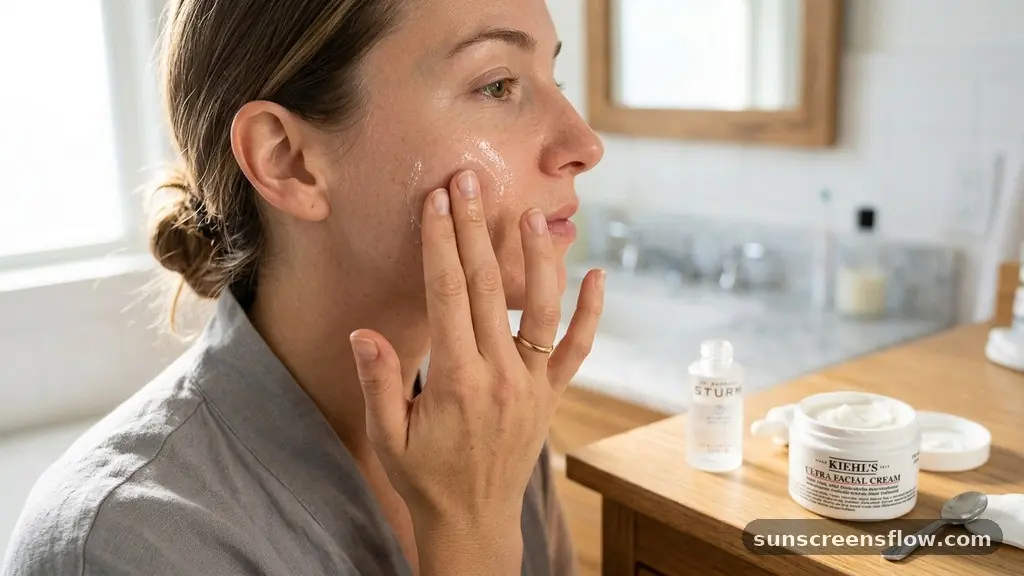
The golden rule of skincare layering is to apply products in order of consistency, starting with the lightest, water-based formulas and finishing with the heaviest, oil-based ones. Serums are typically lightweight, high-potency liquids designed to deliver concentrated doses of active ingredients, such as vitamin C, niacinamide, or hyaluronic acid, directly into the skin. If you were to apply a heavy cream first, it would create a physical barrier that prevents these smaller, faster-absorbing molecules from penetrating the skin surface.
On the other hand, moisturizers are formulated with occlusives, emollients, and humectants designed to create a protective seal over the skin. Their primary role is to lock in the hydration provided by your serum and prevent transepidermal water loss.
By placing your moisturizer after your serum, you essentially “sandwich” the active ingredients against your skin, forcing them to work harder and more efficiently. This standard sequence ensures that you aren’t wasting expensive products that would otherwise sit on top of a thick layer of face cream.
Understanding the Role of Serums
Serums are the heavy lifters of a beauty routine. Unlike lotions or creams, they lack the high concentration of thickening agents and oils that define traditional moisturizers. Because they are often water-based, they are designed to be absorbed rapidly.
When you use a serum, you are targeting specific concerns like hyperpigmentation, fine lines, or dehydration. These products contain smaller molecules that can bypass the outer layers of the skin more easily than heavier creams.
When you ask do you apply serum before or after moisturizer, the answer is rooted in the molecular weight of the ingredients. A serum acts as a delivery vehicle. If you apply a thick, occlusive-heavy moisturizer first, you are effectively closing the door on those active ingredients.
By respecting the order of application, you ensure that your skin isn’t just coated in product, but is actually receiving the treatment you intend for it to have. This is particularly important when dealing with targeted treatments like retinol or brightening agents.
How Moisturizers Function as a Barrier
Moisturizers serve a completely different purpose than serums. They are designed to support the skin barrier, keeping the surface soft and preventing the evaporation of natural moisture.
They achieve this through a combination of humectants, which draw water into the skin, and emollients, which soften the texture, and occlusives, which physically block water from leaving. Without a moisturizer, many of the active ingredients you applied via your serum might evaporate alongside the water in the formula.
Think of your skin as a sponge. If the sponge is already saturated with a thick, waxy substance, it cannot soak up any more liquid. Moisturizers act as that waxy substance.
While they are vital for long-term skin health and hydration, they must always be the final step in your treatment layering process. Once the serum has had a moment to sink in, the moisturizer acts as the final seal, locking everything in place and providing a smooth canvas for the rest of your day or night.
The Recommended Application Steps
To keep your routine organized, you should follow this standard sequence: cleansing, toning, treating, and moisturizing. Consistency is the key to seeing results, and having a clear set of steps helps you avoid errors that could irritate your skin or cause pilling. When you follow this order, you maximize the efficacy of your products and ensure your skin is prepped correctly for whatever comes next.
- Cleansing: Remove impurities, dirt, and excess oil to create a clean surface.
- Toning: Balance the skin’s pH levels and remove any lingering traces of cleanser.
- Treating: Apply your serums to target specific concerns while the skin is still slightly damp.
- Moisturizing: Apply your cream or lotion to lock in the hydration and active ingredients.
- Sunscreen: During daytime routines, always apply SPF as your final step to protect against UV damage.
Exceptions and Special Considerations
While the “thinnest to thickest” rule is a reliable standard, there are exceptions and special considerations that may require you to pivot. For instance, if you are using a very heavy, balm-like treatment or a prescription-strength retinoid, your dermatologist might recommend a different approach. Some people with extremely sensitive skin find that applying a thin layer of moisturizer before a strong active ingredient helps buffer the skin, reducing the risk of irritation without completely blocking the treatment.
Furthermore, facial oil can complicate the layering process. Oils are technically heavier than most creams, even though they might feel thinner. If you are using a facial oil, it should almost always be the very last step in your routine, even after your moisturizer.
The oil is the ultimate occlusive. If you apply it before your moisturizer, the cream will not be able to penetrate the oil layer to reach the skin. Always check the consistency of your specific products; if you are unsure, remember that oils are usually the final touch.
| Product Type | Consistency | Typical Order |
|---|---|---|
| Cleanser | Water/Gel | 1st |
| Serum | Thin/Fluid | 2nd |
| Moisturizer | Cream/Lotion | 3rd |
| Facial Oil | Oil/Lipid | 4th |
Common Mistakes to Avoid
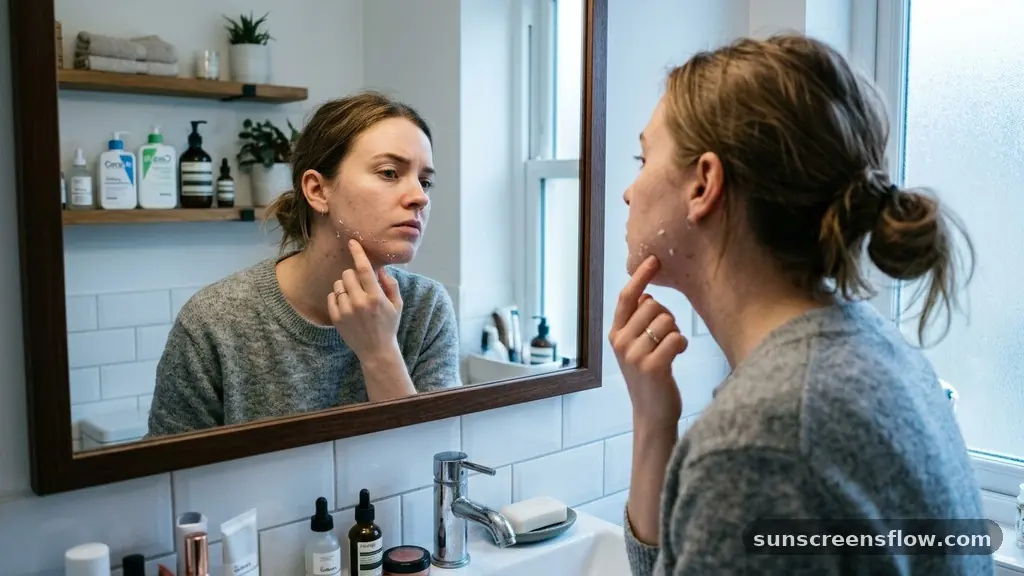
Many people struggle with product pilling, which is when your skincare rolls off in little balls. This is almost always caused by applying products in the wrong order or not allowing enough time for absorption.
If you apply a water-based serum immediately followed by an oil-based moisturizer without waiting, the two formulas may repel each other, leading to that frustrating pilling effect. Give your serum about 60 seconds to fully absorb into the skin before reaching for your moisturizer.
Another error is using too many active ingredients at once. If you are layering a vitamin C serum, a retinol, and a chemical exfoliant, you are likely over-stressing your skin barrier. Layering too many potent actives can lead to redness, flaking, and inflammation.
Instead of asking do you apply serum before or after moisturizer for every single item, focus on simplicity. Pick one hero serum for the morning and one for the evening. Your skin needs time to process these ingredients, and more is rarely better when it comes to potent chemical formulations.
The Role of pH Balance and Skin Absorption
The pH balance of your skin is crucial for effective absorption. Most serums are formulated to be effective at a specific pH level. When you cleanse, you might temporarily disrupt this balance.
Using a toner can help reset the skin to its ideal acidic state, making it more receptive to the active ingredients in your serum. If your skin is too alkaline, it may struggle to absorb the nutrients provided by your serum, rendering the product less effective regardless of when you apply it.
Skin absorption is also influenced by the state of your skin. Applying serums to damp skin can increase absorption significantly because the water acts as a transport mechanism. However, be cautious when applying strong retinoids or acids to damp skin, as this can increase the potential for irritation.
For most standard hydrating or brightening serums, a slightly damp face is ideal. Once the serum is applied, allow it to settle for a minute. This wait time allows the molecules to migrate into the skin before you apply the heavier occlusives found in your moisturizer.
Addressing Topical Gaps in Skincare Knowledge
A common gap in current advice involves how to handle multiple serums. If you are using a hyaluronic acid serum and a vitamin C serum, which one comes first? The rule remains the same: thinnest to thickest.
Usually, water-based serums should go before more viscous, gel-like serums. If you try to apply a thick, sticky serum before a watery one, the watery one will simply run off or fail to sink in. Always look at the texture of the bottle’s contents; the more “watery” the product, the earlier it should be applied in the sequence.
Another frequent question concerns whether you can skip moisturizer if your serum is hydrating enough. Even if a serum contains humectants like glycerin or hyaluronic acid, it lacks the occlusives necessary to keep that water in your skin.
Without a moisturizer, the humectants in your serum might actually pull moisture out of your skin into the dry air, a process that can leave your face feeling tighter and drier than before. Always follow up with an occlusive moisturizer to keep the hydration locked where it belongs.
Retinoids and Targeted Treatments
When incorporating retinoids into your routine, the layering order becomes even more critical. Because retinoids are highly active, they can be drying and irritating. While you should generally apply your serum before your moisturizer, some experts suggest “sandwiching” your retinoid.
This involves applying a light layer of moisturizer, followed by your retinol, and finishing with a second, heavier layer of moisturizer. This technique provides a buffer that protects the skin while still allowing the retinoid to work effectively.
However, if you are using a standard anti-aging serum that is not a prescription-strength retinoid, stick to the traditional order. Apply the serum first, let it absorb, and then apply your moisturizer. This ensures that the active ingredients are in direct contact with your skin.
If you are ever in doubt about a specific product, check the manufacturer’s instructions. Some brands formulate their products to work in a specific sequence, and deviating from that can sometimes decrease the stability or effectiveness of the formula.
Frequently Asked Questions
Can I mix my serum and moisturizer together?
While it might seem efficient to mix them in your palm, it is generally better to apply them separately. Mixing them can alter the pH of the serum and dilute the concentration of the active ingredients, which may prevent them from absorbing properly or working at their full potential.
How long should I wait between applying serum and moisturizer?
You should wait approximately 60 seconds between applications. This short window allows the serum to sink into the skin and dry down slightly. If you apply your moisturizer while the serum is still soaking wet, you may experience pilling or a slippery, uneven application of your cream.
Does the order change for nighttime routines?
The fundamental rule of applying products from thinnest to thickest remains the same at night. However, night routines often include richer, heavier creams or overnight masks. These should always be the final step, ensuring that all your serums and treatments remain protected and active while you sleep.
What if I use a facial oil in my routine?
Facial oil should always be the final step in your skincare routine. Because oils are highly occlusive, they create a barrier that prevents anything applied afterward from penetrating the skin. Always apply your serum and moisturizer first, then finish with a few drops of oil to seal everything in.
Concluding Thoughts on Skincare Layering
Mastering the order of your skincare routine is a simple way to get better results from the products you already own. By consistently remembering that you apply serum before moisturizer, you ensure that your active ingredients can reach their intended targets without being blocked by heavier creams. Start with your thinnest, most potent formulas, allow them a moment to absorb, and finish with a reliable moisturizer that locks in all those benefits.
This logical approach to layering prevents common issues like pilling and irritation while maximizing the hydration and treatment your skin receives. If you find your current routine isn’t delivering, look at the textures of your products and adjust your sequence accordingly. Your skin will thank you for the extra attention to detail.
Meta Description: Do you apply serum before or after moisturizer? Learn the correct order for your skincare routine to maximize absorption and get the best results.


