


Mastering the art of using hyaluronic acid and vitamin C serum together transforms your daily regimen into a powerful defense against environmental stressors. By understanding how these two ingredients interact with your skin’s biology, you can achieve a brighter, more hydrated complexion without irritation.
Many people struggle with the order of application or worry about potential reactions between active ingredients, but when you follow a logical layering strategy, these substances work in perfect harmony. You’ll gain clarity on the optimal sequence for your morning skincare routine, ensuring that each product penetrates effectively to deliver visible, lasting results for your skin health.
The Synergy of Vitamin C and Hyaluronic Acid
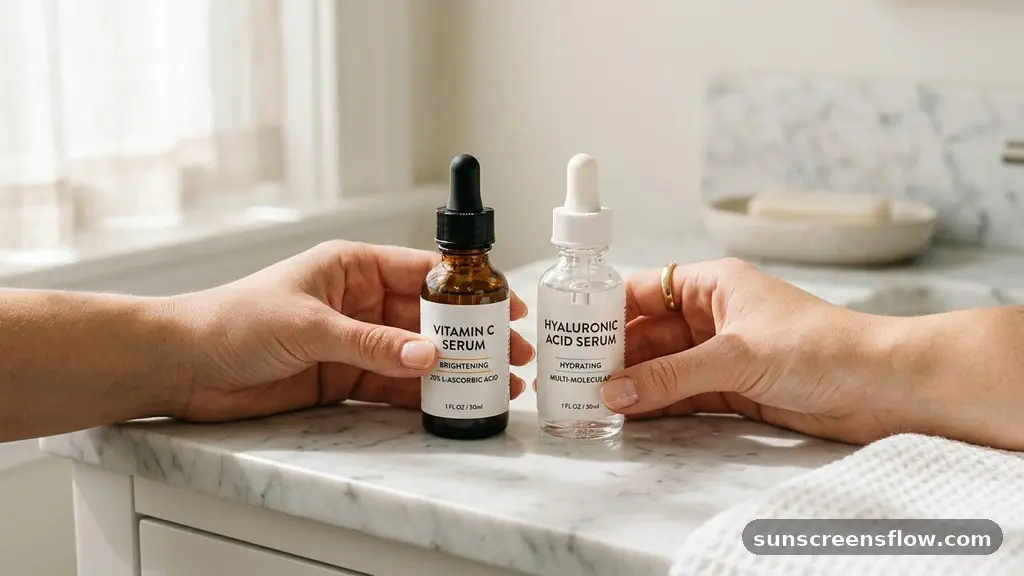
Combining these two powerhouses is often considered a gold standard in modern skincare. Vitamin C, typically found as ascorbic acid, acts as a potent topical antioxidant. It works by neutralizing free radical damage caused by UV rays and pollution, while simultaneously stimulating collagen production.
On the other hand, hyaluronic acid is one of the most effective humectants available. It functions like a sponge, drawing moisture into the epidermis to improve skin hydration and plump the surface.
When you use them together, you address two primary concerns at once: protection and hydration. The vitamin C brightens your tone and guards against oxidative stress, while the hyaluronic acid prevents the dryness that sometimes accompanies high-concentration vitamin C formulas.
Because they target different biological pathways, there is excellent dermatological compatibility between these ingredients. They don’t just coexist; they complement the physical state of your skin, ensuring it remains resilient and supple throughout the day.
Understanding Serum Consistency and Layering Rules
The most common question regarding skincare layering involves the order of application. A simple rule of thumb exists: always apply products from the thinnest consistency to the thickest.
Most vitamin C serums are water-based or lightweight liquids that penetrate best when applied directly to clean, dry skin. If you apply a thicker, gel-like hyaluronic acid serum first, it may create a barrier that prevents the vitamin C from reaching the deeper layers of the dermis.
Think of your skin as a porous surface that needs to absorb the most active, volatile ingredients first. Vitamin C is sensitive to pH balance, often requiring a lower, more acidic environment to remain stable and effective.
Hyaluronic acid is generally more pH-neutral and can be layered over the top to lock in moisture and soothe the skin. By following this sequence, you maximize serum absorption and ensure that neither product is compromised by the presence of the other.
The Role of Molecular Weight in Hydration
Not all hyaluronic acid is created equal. The molecular weight of the substance determines how deeply it penetrates the skin.
Products that feature a blend of high, medium, and low molecular weights are often the most effective. High-molecular-weight hyaluronic acid sits on the surface to prevent transepidermal water loss by creating a breathable film, while lower-molecular-weight versions can reach slightly deeper to provide internal hydration.
When you pair this with vitamin C, consider your specific skin type. If you have oily skin, you might prefer a lightweight, low-molecular-weight hyaluronic acid serum that absorbs instantly without leaving a sticky residue.
Those with dry or mature skin may benefit from a more viscous, multi-weight formula that provides an immediate plumping effect. Regardless of the weight, the goal remains the same: keeping the skin barrier intact so that your active treatments don’t cause unnecessary irritation or redness.
Managing pH Balance and Stability
One of the biggest concerns for enthusiasts is the potential for oxidation. Vitamin C, especially in the form of L-ascorbic acid, is notoriously unstable and can lose its potency when exposed to light, air, or conflicting pH levels.
When you layer products, you want to avoid neutralizing the acidity of your vitamin C serum. If your hyaluronic acid serum has a significantly higher pH, it could theoretically impact the efficacy of the vitamin C if applied simultaneously.
To mitigate this, wait about 60 seconds after applying your vitamin C serum before moving on to the next step. This brief pause allows the vitamin C to settle into the skin and perform its function without being diluted or shifted by subsequent layers. If you are worried about sensitivity, you can even use these products at different times of the day, though there is no clinical reason you cannot use them together if your skin tolerates the combination well.
Addressing Topical Gaps: Can You Use Niacinamide Too?
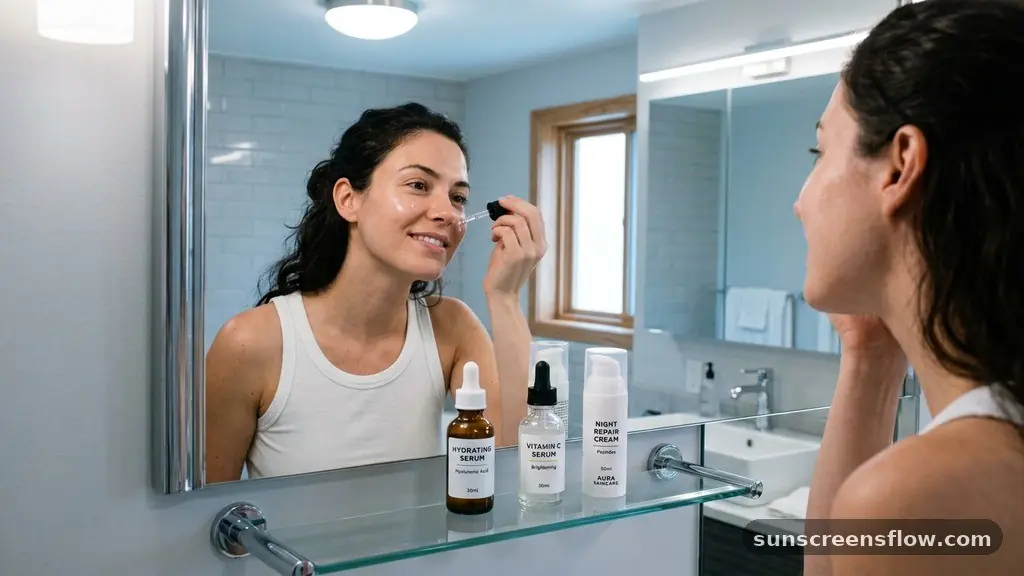
A common point of confusion involves adding niacinamide into the mix. Historically, some sources warned against combining vitamin C and niacinamide due to the risk of creating nicotinic acid, which can cause flushing.
However, modern formulations and stabilized versions of these ingredients make this concern largely outdated for most people. If you want to use all three, apply your vitamin C first, wait for it to dry, and then follow with a niacinamide and hyaluronic acid blend.
This trio is excellent for those looking to improve skin texture, reduce hyperpigmentation, and maintain deep moisture. The niacinamide works to regulate oil production and minimize the appearance of pores, while the other two handle brightening and plumping.
If you notice any redness or irritation, scale back to using them on alternate days or simplify your routine. The key is to listen to your skin’s feedback rather than strictly following a rigid, one-size-fits-all protocol.
The Importance of Proper Patch Testing
Before incorporating any new active serum into your daily routine, patch testing is essential. Even if a product is labeled as hypoallergenic, your skin may react differently to the specific concentration of ascorbic acid or the preservatives used in your hyaluronic acid serum. Apply a small amount of each product to the inside of your forearm or behind your ear and observe the area for 24 hours.
If you experience itching, burning, or visible inflammation, you may need to look for a different formulation. Some people find that high-percentage vitamin C causes tingling, which is often normal, but it should never turn into a painful burning sensation.
By testing these products individually before combining them, you can identify exactly which component might be causing an issue. This proactive approach saves you from potential breakouts or compromised skin health down the line.
Protecting Your Results with Sun Protection Factor
Using vitamin C and hyaluronic acid is only half the battle. Because vitamin C increases your skin’s brightness and turnover, it is vital to pair your routine with a high-quality sun protection factor (SPF).
Vitamin C provides antioxidant protection, but it does not replace the need for sunscreen. In fact, using them together is a powerful strategy; the vitamin C neutralizes the free radicals that sunscreen might miss, while the SPF prevents the sun from degrading the vitamin C throughout the day.
Never skip this step in your morning skincare routine. If you use potent actives without adequate sun protection, you risk undoing all the benefits you’ve worked so hard to achieve. Consistent use of SPF ensures that your skin remains protected, allowing the vitamin C to work on brightening existing sun damage rather than constantly fighting new UV-induced stress.
| Product Type | Primary Benefit | Order of Application |
|---|---|---|
| Vitamin C Serum | Brightening & Antioxidant | 1st (After cleansing) |
| Hyaluronic Acid | Hydration & Plumping | 2nd (After Vitamin C) |
| Moisturizer | Barrier Repair | 3rd (Final step) |
Common Pitfalls in Serum Application
Many users make the mistake of applying these serums to completely dry skin versus damp skin. While vitamin C generally prefers dry skin for optimal absorption, hyaluronic acid is a humectant that actually works better when applied to slightly damp skin.
This can create a conflict for those trying to layer them. The best solution is to apply your vitamin C, let it absorb fully, and then lightly mist your face with a gentle facial toner or thermal water before applying your hyaluronic acid.
Another pitfall is using too much product. You only need a few drops of each. Over-applying serums can lead to pilling, where the product rolls off the skin like little beads.
This is often caused by the polymers in the serum clumping together when you apply a moisturizer or makeup over the top. If you find your products are pilling, allow more time for each layer to dry completely before applying the next one, and try using a thinner layer overall.
- Always check the ingredient list for potential irritants like added fragrances or essential oils.
- Store your vitamin C serum in a cool, dark place to prevent premature oxidation.
- If you have sensitive skin, start with a lower percentage of vitamin C to build tolerance.
- Consider the texture of your products; if your hyaluronic acid is watery, it may need to go before a thicker, cream-based vitamin C.
- Consistency is more important than strength; daily use yields better long-term results than occasional high-dose treatments.
Addressing Specific Skin Concerns
If you are dealing with acne-prone skin, look for non-comedogenic formulas for both your hyaluronic acid and vitamin C. Some vitamin C serums are oil-based, which might be too heavy for those with oily skin types.
Conversely, if you have very dry skin, a simple hyaluronic acid serum might not be enough. You may need to layer a thicker, ceramide-rich moisturizer over your serums to provide the lipids your skin needs to hold onto that hydration.
For those focusing on anti-aging, the combination of these two ingredients is a cornerstone of a long-term strategy. The vitamin C works on the surface to fade dark spots and improve tone, while the hyaluronic acid maintains the structural integrity of the skin by keeping it hydrated.
This dual-action approach helps reduce the appearance of fine lines and maintains a youthful, dewy glow. Remember that real results take time, so be patient and stick to your routine for at least 8 to 12 weeks before expecting significant changes.
Frequently Asked Questions
Can you put vitamin C serum and hyaluronic acid together in the same routine?
Yes, you can absolutely use them together. They are highly compatible ingredients that target different skin needs. By applying the vitamin C first to clean skin and following up with hyaluronic acid, you ensure both ingredients are absorbed effectively to provide maximum protection and deep hydration.
Which goes first, vitamin C or hyaluronic acid?
Always apply your vitamin C serum first. Vitamin C typically has a lower pH and a thinner consistency, meaning it needs direct contact with the skin to work properly. Hyaluronic acid acts as a humectant and can be applied afterward to seal in moisture and soothe the skin.
Can I use vitamin C and hyaluronic acid every day?
Yes, both ingredients are generally safe for daily use. Most people tolerate them well in their morning routine. If you have particularly sensitive skin, start by using them every other day to ensure your skin barrier remains healthy and free from irritation before moving to daily application.
Do I need to wait between applying vitamin C and hyaluronic acid?
Waiting about 60 seconds between applications is recommended. This allows the vitamin C serum to absorb fully and prevents the layers from mixing or pilling. This brief pause ensures that the pH of your skin isn’t disrupted, allowing each product to function at its peak performance level.
Final Thoughts
Incorporating these two ingredients into your daily life is a straightforward way to protect your complexion and maintain a healthy glow. By focusing on the correct order—vitamin C first, followed by hyaluronic acid—you create a balanced routine that supports both surface brightness and deep, lasting hydration. Remember that the quality of your products and the consistency of your application matter more than the complexity of your routine.
Always follow up with a broad-spectrum sunscreen to defend your skin against environmental damage, and don’t be afraid to adjust your approach based on how your skin feels. Start slow, observe the results, and enjoy the process of building a regimen that truly serves your unique needs. Your skin will thank you for the extra attention and care.
Meta Description: Learn exactly how to use hyaluronic acid and vitamin C serum in your daily routine. Discover the correct order, layering tips, and how to maximize results.


