


Figuring out exactly when to apply your products can feel like a complex puzzle, especially when you are wondering if toner go before or after serum. The golden rule of layering in any effective skincare regimen is to move from the thinnest, most watery consistency to the thickest, most occlusive formulas. Because toners are designed to prep the skin and balance its environment, they almost always precede your treatment steps.
Understanding this order ensures that your active ingredients can actually penetrate the epidermis rather than sitting uselessly on the surface. Getting the sequence right is the most reliable way to see real results from your expensive serums.
The Fundamental Logic of Product Layering
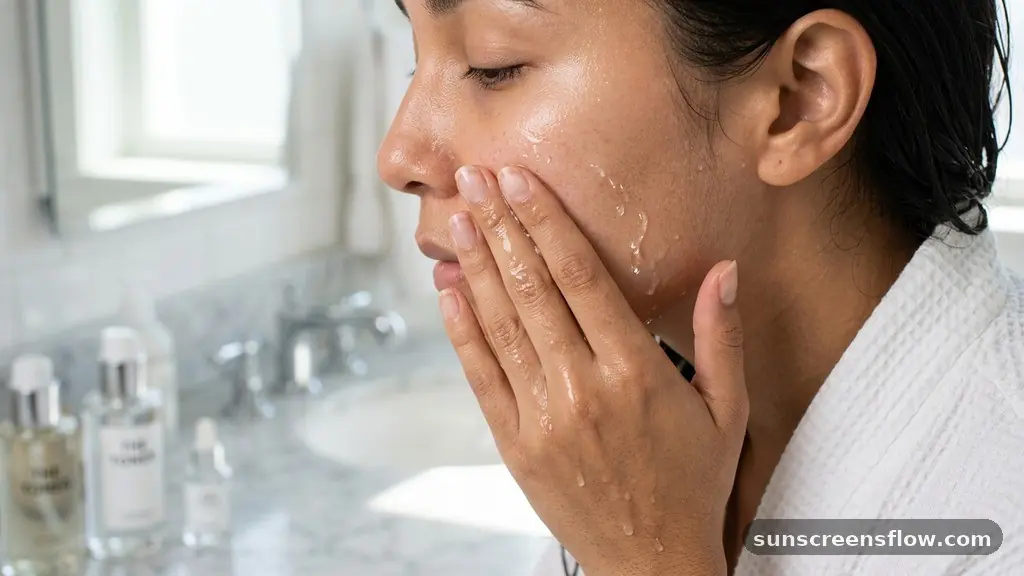
The primary reason we layer skincare products in a specific order is to maximize the absorption rate of active ingredients. Your skin acts as a barrier, and while it is designed to keep things out, it also needs to be primed to let specific molecules in.
If you apply a heavy, oil-based cream first, it creates an occlusive seal that blocks lighter, water-based products from reaching the deeper layers of the skin. By starting with the most liquid products, you provide a clear pathway for your targeted treatments to reach the dermis.
Think of your skin like a sponge. If the sponge is already saturated with thick grease, it cannot absorb water.
Applying a serum directly to dry, unprimed skin might work, but applying it to skin that has been prepped with a hydrating toner allows the active ingredients to glide across the surface more efficiently. This is why the question of whether toner goes before or after serum is so critical for enthusiasts who want to see visible improvements in their skin texture and tone.
Defining the Role of Toner in Your Routine
Modern toners are a far cry from the harsh, alcohol-heavy astringents of the past. Today, they serve as a bridge between your cleansing routine and your treatment phase.
Their primary functions are to restore the pH balance of the skin after washing and to provide an initial layer of hydration. By resetting the skin’s pH, you create an optimal environment for your subsequent products to function correctly.
Many toners also contain humectants like glycerin or hyaluronic acid, which help draw moisture into the skin. This immediate boost of hydration makes the skin more permeable, which is essential for the efficacy of your serums.
If you skip this step, you might find that your skin feels tight or dehydrated before you even get to your treatment phase. Using a toner effectively sets the stage for everything that follows.
Why Serum Must Follow Toner
Serums are concentrated powerhouses packed with potent active ingredients, such as vitamin C, retinol, or niacinamide. Because these products are formulated with a specific molecular weight to penetrate the skin, they need a clean, damp, and balanced surface to perform their best. If you were to apply a serum before a toner, you would be applying a high-value product onto residue from your cleanser or onto skin that hasn’t been properly prepped for absorption.
When you apply your serum after your toner, you are taking advantage of the “damp skin effect.” Skin that is slightly moist is significantly more absorbent than completely dry skin.
By layering your serum over a layer of hydrating toner, you effectively “lock in” that moisture and push the active ingredients deeper into the skin. This sequence is the industry standard for a reason: it simply produces better clinical outcomes.
The Impact of Product Viscosity
Viscosity is the technical term for the thickness or “flow” of a liquid. In skincare, the general rule of thumb is to apply products from the lowest viscosity to the highest.
Toners are almost always essentially water-based products with a very thin, watery consistency. Serums, while often thin, are usually more viscous than toners due to the concentration of active botanical extracts or thickening agents.
If you are ever unsure about the order of your products, simply look at the bottle and feel the texture. If a product is thinner than water or just as thin, it should be applied first.
If a product has a gel-like or slightly syrupy feel, it belongs in the middle of your routine. Following this consistency-based hierarchy prevents pilling, which is that frustrating situation where your skincare rolls off your face in little balls because the products were applied in the wrong order.
Addressing Topical Gaps in Skincare Knowledge
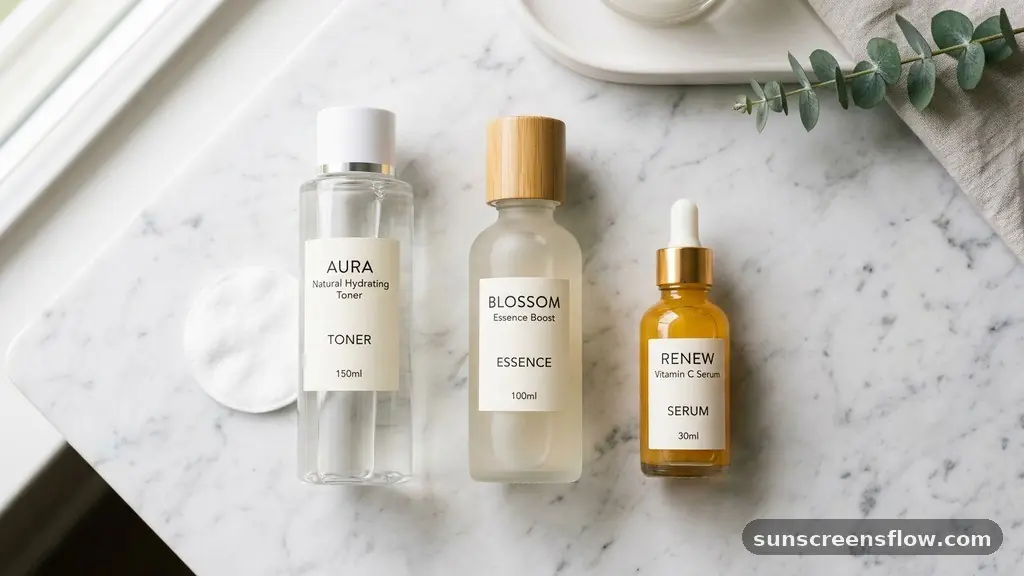
A common point of confusion arises when people compare toners to essences. While they are similar, they are not identical.
An essence is typically more concentrated than a toner and serves as an extra layer of hydration, but it still falls into the “water-based” category. If you use both, the rule remains the same: apply your toner first, then your essence, and finally your serum.
Another gap exists regarding chemical exfoliation. If your toner is specifically a chemical exfoliant—like one containing glycolic or salicylic acid—it should still go before your serum. However, you should be mindful of the pH of your serum.
Some highly active ingredients, like certain forms of vitamin C, require a specific pH to be stable. If your exfoliating toner is very acidic, you might want to wait a few minutes before applying a sensitive serum to avoid irritation.
Comparison of Skincare Product Categories
| Product Category | Primary Function | Typical Viscosity | Application Order |
|---|---|---|---|
| Cleanser | Removes debris | Varies | 1st |
| Toner | pH balance/Prep | Thin/Watery | 2nd |
| Serum | Targeted treatment | Medium/Gel | 3rd |
| Moisturizer | Lock in hydration | Thick/Cream | 4th |
Managing Trans-Epidermal Water Loss
Trans-epidermal water loss, or TEWL, is the process where water evaporates from the skin into the surrounding air. If you don’t seal your hydration in, your skin can become dehydrated regardless of how much serum you apply.
This is where the final steps of your regimen become vital. Your toner and serum are designed to hydrate and treat, but they aren’t meant to act as a seal.
Once you have applied your serum, you must follow up with a moisturizer or an occlusive agent. These thicker products form a physical barrier that prevents the water from your toner and serum from evaporating.
If you stop at the serum step, you are effectively leaving your skin exposed to the environment, which can lead to dullness and increased sensitivity. Always treat your serum as the middle layer of a sandwich, with toner as the base and moisturizer as the top.
The Role of Molecular Weight in Absorption
The concept of molecular weight is essential for understanding why specific products work better in a certain order. Large molecules, like those found in heavy creams or oils, have a harder time penetrating the lipid bilayer of the skin. Smaller molecules, such as those in water-based toners or certain serums, can move through the intercellular spaces much more easily.
When you apply a toner, you are effectively “opening” the path for these smaller molecules. Hyaluronic acid, for example, is a humectant that works by binding water to the skin.
If you apply a hyaluronic acid serum to dry, un-toned skin, it might actually draw moisture out of the deeper layers of your dermis, causing further dehydration. Applying it after a toner ensures that the serum has plenty of external water to bind to, keeping your skin plump and hydrated throughout the day.
Common Mistakes to Avoid in Your Routine
One of the biggest mistakes people make is waiting too long between steps. You don’t need to let your toner dry completely before applying your serum.
In fact, it is better to apply your serum while the skin is still slightly damp. This technique, often called “damp application,” can significantly improve the absorption of your active ingredients.
Another error is using the wrong type of toner for your specific skin needs. If you have dry skin, you should avoid astringent toners that contain high levels of alcohol, as these will strip your skin barrier and make your serum less effective. Instead, opt for hydrating toners that soothe the skin.
If you have oily skin, you might prefer a toner with pore refinement properties, but ensure it doesn’t leave your skin feeling stripped. Always match your toner to your skin’s current state.
- Always cleanse your face thoroughly before applying any toner.
- Apply toner while the skin is still slightly damp to boost absorption.
- Wait a few seconds for the toner to settle, but apply serum while the skin is still moist.
- Ensure your serum is fully absorbed before moving on to your moisturizer.
- Avoid applying too many active ingredients at once, as this can compromise the skin barrier.
- Check the consistency of your products; if it’s watery, it goes on early.
Refining Your Daily Skincare Regimen
Creating an effective routine is about consistency and listening to your skin. While the general rule is toner before serum, you should always adjust based on how your skin reacts. If you find that a particular serum causes irritation when applied over a specific toner, try waiting a bit longer between steps or switching to a gentler toner.
Remember that your skin barrier is your first line of defense. If you notice redness, flaking, or excessive tightness, you may be over-exfoliating or using too many incompatible actives.
Scale back your routine to the basics—cleanser, toner, serum, and moisturizer—and introduce new products slowly. By mastering the sequence of your products, you are not just following a trend; you are optimizing your skin’s health for the long term.
Frequently Asked Questions
Can I skip the toner step entirely?
Yes, you can skip toner if your cleanser is pH-balanced and non-stripping. However, many people find that using a hydrating toner provides an essential boost that makes their serums work better, especially in dry climates or during winter months when the skin needs extra moisture.
Does the order change if I use a retinol serum?
Retinol is a powerful active ingredient that is best applied to clean, dry skin to minimize irritation. While you should still use a toner for pH balance, you might want to let the toner dry completely before applying your retinol to ensure the skin is not overly sensitive.
What if my toner is an exfoliant?
If your toner contains chemical exfoliants like BHA or AHA, it should definitely go before your serum. However, be cautious about layering it with other potent actives like vitamin C or additional acids, as this combination can disrupt your skin barrier and cause significant irritation or redness.
Should I use different toners for morning and night?
Using different toners can be very beneficial. In the morning, you might prefer a refreshing, antioxidant-rich toner to prep for the day. At night, you might choose a more treatment-oriented toner, such as one with gentle exfoliating properties, to help remove dead skin cells while you sleep.
Conclusion
Mastering the order of your skincare products, specifically knowing that toner goes before serum, is a simple yet transformative change for your daily routine. By layering your products from the thinnest consistency to the thickest, you ensure that every drop of your serum is working effectively to nourish and protect your skin. This sequence is not just about preference; it is about respecting the biology of your skin and ensuring that active ingredients reach their target.
Start by evaluating the products you currently own and organizing them by their viscosity. If you have been struggling with products that pill or don’t seem to provide the promised results, re-evaluating your layering order is the best place to start.
As you become more comfortable with this sequence, you will likely notice a significant improvement in how your skin feels and looks. Feel free to experiment with different combinations, but always keep the foundation of toner before serum at the heart of your process.


