Choosing the right serum to use for microneedling is just as critical as the treatment itself. When you create tiny, controlled micro-injuries in your skin, you are essentially opening a direct highway to the deeper layers of the dermis.
This process, known as collagen induction therapy, relies on the quality of the products you apply to either facilitate the glide of your device or to enhance the healing process. Using the wrong formula can lead to irritation or adverse reactions, while selecting the right one ensures your skin absorbs potent nourishment during the most receptive phase of your skincare routine.
Understanding the Role of Transdermal Delivery
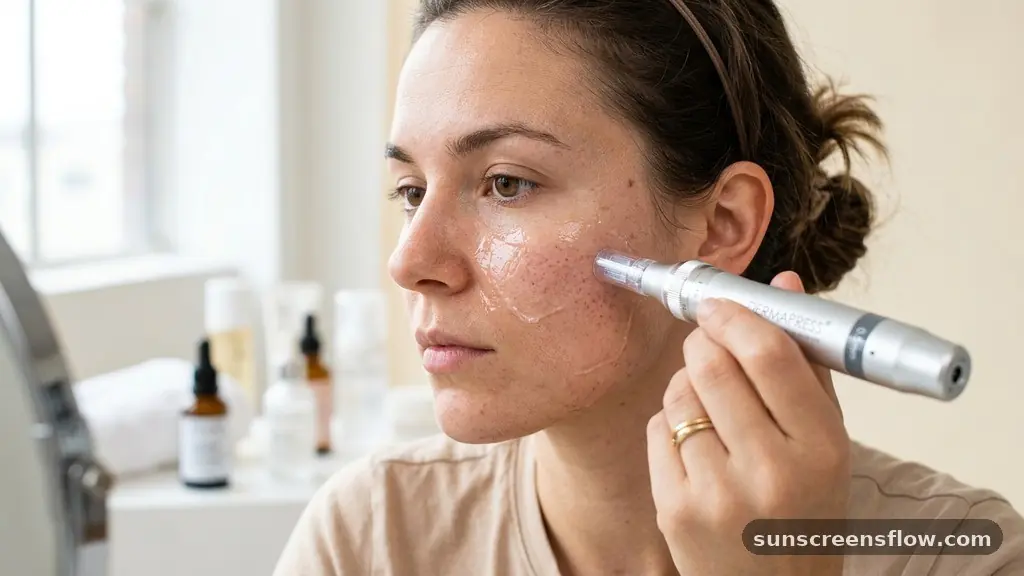
Microneedling fundamentally changes how your skin interacts with topical products. Under normal conditions, your skin barrier acts as a gatekeeper, preventing most large molecules from penetrating deeply.
When you use a microneedling pen or a dermaroller, you bypass this natural defense, creating channels that allow for significantly higher levels of epidermal absorption. This concept of transdermal delivery is the reason why professional-grade ingredients can have such a profound impact on skin rejuvenation when applied during or immediately after a session.
Because these channels remain open for a limited window, you must be extremely selective about what you introduce to the skin. The goal is to provide hydration and support the body’s natural repair mechanisms without triggering an immune response.
If you apply a product loaded with synthetic fragrances, harsh preservatives, or unstable chemicals, you are essentially injecting those irritants directly into your skin. This is why you should always prioritize sterile vials or products specifically formulated for professional procedural use, as these are designed to be free from contaminants that could cause unnecessary skin inflammation.
Why Hyaluronic Acid is the Gold Standard
When people ask what serum to use for microneedling, the most consistent recommendation from dermatologists and estheticians is a pure hyaluronic acid serum. Hyaluronic acid is a naturally occurring humectant that can hold up to a thousand times its weight in water. During a microneedling session, your primary goal is to keep the skin hydrated and lubricated so the device can glide smoothly without catching or dragging, which could cause tearing or unnecessary trauma.
Beyond its lubricating properties, hyaluronic acid is incredibly gentle and rarely causes allergic reactions. Because it is a molecule that your body already recognizes, it fits seamlessly into the healing process. It creates a soothing, cooling effect on the skin, which helps to mitigate the redness and heat that often follow the procedure.
When selecting a product, look for a formula with a simple ingredient list. Avoid serums that contain additives like essential oils or complex botanical extracts, as these can be unpredictable when introduced into the deeper layers of the skin. A clean, medical-grade hyaluronic acid is the safest and most effective foundation for any microneedling session.
Identifying Ingredients to Avoid During Treatment
Knowing what to avoid is just as important as knowing what to include. Certain ingredients that are staples in a normal anti-aging routine can be disastrous if applied during or immediately after a microneedling procedure.
You must strictly avoid any product that contains potent chemical exfoliants. Glycolic acid, salicylic acid, and other AHAs or BHAs are designed to dissolve the outer layer of dead skin cells; if these enter the micro-channels created by your needles, they will cause significant burning, stinging, and prolonged downtime.
Similarly, you should steer clear of high-strength retinol or retinoids during the procedure. While these are excellent for long-term skin cell turnover, they are far too aggressive for skin that has just been intentionally injured. Using them immediately after microneedling can lead to severe irritation, peeling, and even post-inflammatory hyperpigmentation.
Vitamin C can also be tricky; while it is a powerful antioxidant, many formulations are highly acidic and can cause a stinging sensation if applied to freshly needled skin. If you want to use vitamin C, it is generally better to wait until your skin has fully recovered, or use a highly stabilized, non-acidic derivative specifically designed for sensitive skin.
Optimizing Results with Growth Factors and Peptides
Once you have mastered the basics of using a simple, sterile hyaluronic acid, you may want to look toward more advanced ingredients that can boost your results. Peptide complexes are excellent candidates for post-procedure care because they act as messengers, signaling your cells to produce more collagen and elastin. When delivered via transdermal absorption, these peptides can reach the fibroblasts more effectively than they would through topical application on an intact skin barrier.
Growth factors are another popular, albeit more expensive, option. These are bioactive proteins that play a vital role in wound healing and tissue regeneration. Because microneedling stimulates the skin’s natural repair mechanisms, adding growth factors can act as a catalyst, potentially shortening recovery time and enhancing the overall texture of the skin.
However, you must ensure that these products are formulated specifically for post-procedure use. Look for brands that utilize sterile, medical-grade processing, as you do not want to introduce any bacteria or unstable proteins into your skin while the barrier is compromised.
Addressing Common Topical Gaps
Many users often wonder about the difference between professional-grade serums and standard drugstore options. The primary gap lies in the formulation’s sterility and the molecular weight of the active ingredients.
A standard drugstore serum may be perfectly fine for daily application on your face, but it is not intended for injection into a wound. These products often contain stabilizers, emollients, and fragrances that are safe for the surface of the skin but can cause granulomas or contact dermatitis if they penetrate deep into the dermis.
Another gap involves the pH balance. The skin’s acid mantle is vital for protection, and professional serums are carefully buffered to match the physiological pH of the skin. If you use a product with an incorrect pH, you risk disrupting the natural healing environment.
Always check that your serum is non-comedogenic and free from alcohol, as alcohol will dehydrate the skin exactly when it needs moisture the most. If you are unsure about a product’s safety for microneedling, test it on a small, inconspicuous area or consult with a professional who understands the mechanics of needle depth and tissue penetration.
The Importance of Sterile Technique and Environment
Regardless of the serum you choose, the way you handle it is paramount. Even the best hyaluronic acid serum can become a source of infection if it is contaminated during the process.
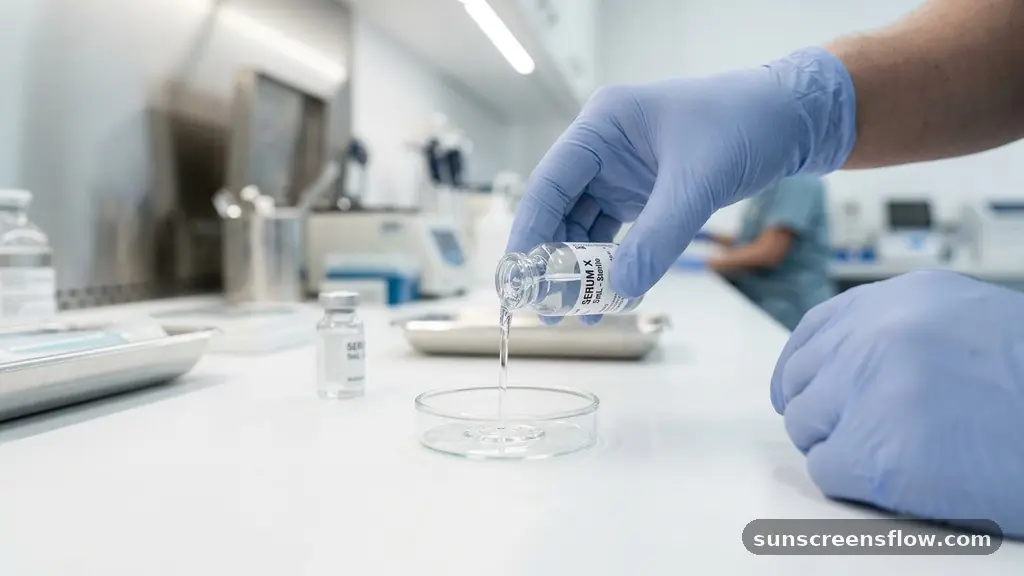
If you are performing microneedling at home, you should ideally use single-use, sterile vials. Once a bottle is opened, it is exposed to the air and the environment, and bacteria can begin to colonize the product.
Never dip your microneedling device into a shared container of serum. Instead, pour the required amount into a sterile glass dish or apply it directly to the skin using a clean dropper. If you are using a dermaroller, ensure that it has been properly disinfected before use.
The combination of an open skin barrier and a contaminated serum is a recipe for infection. Always wash your hands thoroughly, clean your face with a gentle, non-stripping cleanser, and ensure your workspace is sanitized. The safety of your procedure depends on these basic hygiene protocols as much as the chemistry of your serum.
Comparing Serum Types for Microneedling
The following table provides a quick reference for the types of ingredients you might consider and their suitability for use during a microneedling session.
| Ingredient Category | Suitability | Notes |
|---|---|---|
| Pure Hyaluronic Acid | High | Best for lubrication and hydration; safe for all skin types. |
| Peptide Complexes | Moderate | Great for collagen stimulation; ensure they are fragrance-free. |
| Growth Factors | Moderate | Effective for healing; requires medical-grade, sterile formulas. |
| Glycolic/Salicylic Acid | None | Will cause severe chemical burns; avoid completely. |
| Retinols/Retinoids | None | Too aggressive for open micro-channels; leads to irritation. |
Post-Procedure Care and Maintenance
After you finish your session, your post-procedure care is just as important as the serum you used during the treatment. Your skin will be highly sensitive and vulnerable to environmental stressors like UV radiation and pollution.
For the first 24 to 48 hours, focus solely on hydration and protection. Continue to use your hyaluronic acid serum, but you can also introduce gentle, occlusive agents to help lock in moisture and prevent transepidermal water loss.
Avoid heavy makeup, sweating, and direct sun exposure for at least a day or two. If you must go outside, wear a physical mineral sunscreen rather than a chemical one, as the chemicals in some sunscreens can irritate the skin. Your skin barrier is currently in the process of rebuilding itself, and it needs a calm, protected environment to function at its best.
If you notice persistent redness, swelling, or signs of infection, stop all active products immediately and consult a healthcare professional. Patience is key; the benefits of collagen induction therapy are cumulative and often become most apparent weeks after the procedure as your body finishes the repair process.
Building Your Microneedling Routine
Creating a consistent routine is the best way to see long-term improvements in skin texture and tone. You should not be microneedling too frequently; the skin needs time to heal and synthesize new collagen. Depending on your needle depth and skin sensitivity, most experts recommend waiting anywhere from two to six weeks between sessions.
To maximize your results, follow this simple, safe protocol:
- Prep your skin by cleansing thoroughly with a mild, pH-balanced cleanser.
- Apply a generous layer of sterile, medical-grade hyaluronic acid to the treatment area.
- Work in small sections, reapplying serum as needed to maintain a slick surface.
- After the procedure, apply a soothing, fragrance-free moisturizer to support the skin barrier.
- Stay out of direct sunlight and avoid active skincare ingredients like vitamin C or retinol for at least 48 hours.
- Monitor your skin for any adverse reactions and prioritize hydration throughout the healing process.
By sticking to this structured approach, you minimize the risks associated with DIY treatments while maximizing the potential for skin rejuvenation. Remember that the goal of microneedling is to trigger your body’s natural regenerative response. The serum acts as a vehicle to support that process, not as a replacement for the work your skin does on its own.
Frequently Asked Questions
Do I really need to use a serum during microneedling?
Yes, using a serum is essential. It provides the necessary lubrication for your device to move across the skin without snagging, which prevents physical trauma. Furthermore, it hydrates the skin during a time when it is highly permeable, allowing beneficial ingredients to reach deeper layers.
Can I use any hyaluronic acid serum for microneedling?
Not every hyaluronic acid serum is suitable. Many commercial products contain preservatives, fragrances, or botanical extracts that are not intended for deep tissue absorption. Always ensure you are using a professional-grade, sterile, and fragrance-free formula to avoid potential allergic reactions or irritation during your session.
What happens if I use an active ingredient like retinol by mistake?
Using an active ingredient like retinol or an exfoliating acid during microneedling will likely cause intense burning, redness, and inflammation. Because the needles have bypassed the skin’s protective barrier, these potent chemicals can penetrate too deeply, potentially leading to chemical burns, peeling, and long-term skin sensitivity.
How do I know if a serum is sterile?
Look for products labeled as “professional grade” or “post-procedure.” These are often packaged in single-use sterile vials. Avoid large, pump-style bottles that are exposed to air and repeated contact, as these are more likely to harbor bacteria that could lead to infections when applied to micro-injured skin.
Final Thoughts on Serum Selection
Selecting the right serum for your microneedling sessions is a balance between safety and efficacy. By prioritizing clean, medical-grade hyaluronic acid and avoiding harsh active ingredients, you can significantly reduce the risk of irritation while supporting your skin’s natural healing process. Remember that the primary purpose of the serum is to provide a smooth glide and lasting hydration, creating the perfect environment for your skin to repair and regenerate.
As you continue your journey with collagen induction therapy, always listen to your skin. If a product feels like it is stinging or causing unusual redness, wash it off immediately and simplify your routine.
Consistent, gentle care will always yield better long-term results than aggressive, potentially damaging treatments. If you are ever in doubt about the safety of a product, consult with a licensed professional to ensure your skincare routine is working for you, not against you.
Meta Description: Discover the best serum to use for microneedling. Learn why medical-grade hyaluronic acid is the gold standard and which ingredients you must avoid.