


A serum for face is a lightweight, highly concentrated skincare product designed to deliver potent doses of active ingredients directly into the skin. Unlike a standard facial moisturizer, which primarily focuses on creating a seal to lock in hydration, a serum is engineered for specific concerns. Because of its unique formulation—often featuring a lower molecular weight—it can bypass the surface layers of the epidermis to provide targeted care.
Whether you are dealing with hyperpigmentation, fine lines, or dehydration, these products serve as the heavy lifters in a daily regimen. By understanding the chemistry behind these formulas, you can significantly improve the health and appearance of your complexion through more efficient skin penetration.
Understanding the Chemistry of Face Serums
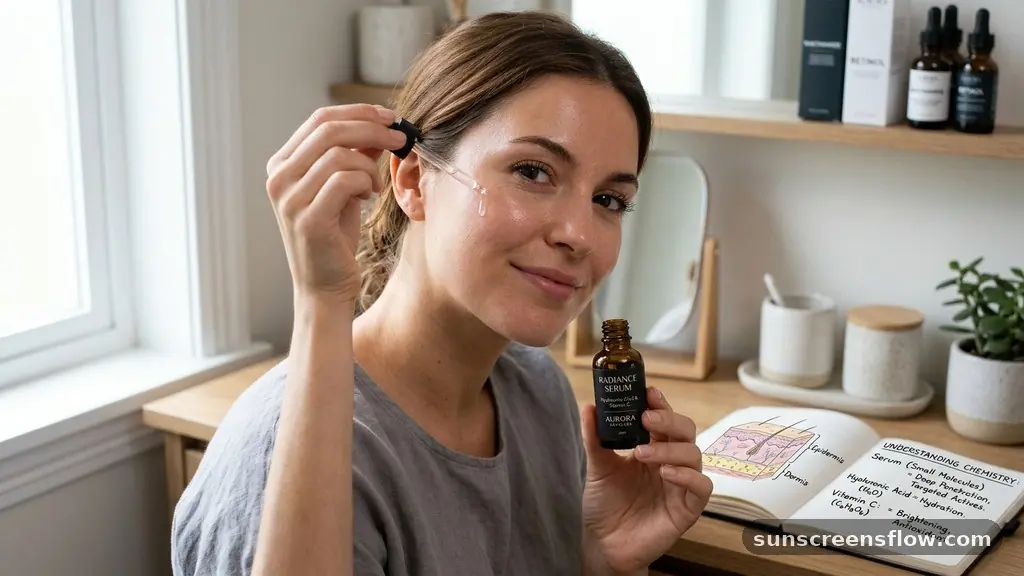
At the core of the question “what is a serum for face” lies the concept of delivery systems. A serum is essentially a vehicle for high-potency molecules.
Because they are typically water-based or formulated with thin, oil-free carriers, they have a thin serum texture that absorbs rapidly without leaving a heavy, greasy residue. This is made possible through careful chemical engineering that balances solubility and stability.
The molecular weight of the ingredients is the most critical factor in their performance. Larger molecules found in thick creams often sit on top of the skin, whereas the smaller, refined molecules in a serum are capable of deeper delivery. This makes them ideal for addressing issues like collagen synthesis or cellular turnover.
Furthermore, the absence of heavy occlusives—the ingredients that make creams feel thick—allows the serum to work in synergy with your skin’s natural biology rather than just coating it. When you apply a serum, you are essentially providing the skin with “nutrition” in a highly bioavailable format that the dermis can process much faster than traditional lotions or balms.
The Role of Active Ingredients
The efficacy of any topical treatment is determined by its active components. While a basic cream might contain humectants, a serum is often built around a “hero” ingredient that performs a specific biological task.
For example, vitamin c is a powerhouse antioxidant that brightens the skin and protects against oxidative stress, while retinol works to accelerate cell turnover and smooth out texture. Because these ingredients are concentrated, serums allow for a much higher “dose” per application than a multi-purpose cream could ever provide.
Beyond these well-known actives, modern serums often incorporate complex structures like peptides to signal skin cells to produce more structural proteins. These ingredients are delicate and often prone to degradation when exposed to air or light, which is why they are rarely found in the high concentrations required for visible results in thicker, less stable cream formulas. By utilizing a serum, you ensure that these sensitive actives remain stable and effective until they reach the target site within your skin layers.
Comparing Serums and Facial Moisturizers
Many people confuse serums with moisturizers, but they serve distinct functions. Think of a serum as the treatment and a moisturizer as the protection.
A facial moisturizer is formulated with larger molecules and occlusives, such as shea butter or heavy oils, designed to prevent trans-epidermal water loss by creating a physical barrier on the skin’s surface. A serum, conversely, is designed to penetrate.
If you skip the serum, you may be missing out on the opportunity to correct underlying issues like dullness or uneven tone. If you skip the moisturizer, you may find that the serum evaporates too quickly or fails to provide the long-term hydration needed to maintain a healthy skin barrier. The ideal routine involves layering: you apply the thinner, treatment-focused serum first, allowing it to sink in, and then follow up with a moisturizer to “lock in” the actives and provide a protective shield.
| Feature | Face Serum | Facial Moisturizer |
|---|---|---|
| Primary Goal | Targeted treatment | Hydration and protection |
| Texture | Thin, watery, or gel-like | Thick, creamy, or emollient |
| Absorption | Rapid, deep penetration | Slower, surface-level seal |
| Active Concentration | High | Low to Moderate |
Addressing Skin Hydration and Barrier Health
One of the most common reasons people turn to serums is for skin hydration. While water is essential, it evaporates quickly.
Serums containing hyaluronic acid are revolutionary because they act as moisture magnets, pulling hydration from the environment into the skin. When properly formulated, these serums can hold up to 1,000 times their weight in water, creating a plump, hydrated appearance that lasts throughout the day.
However, hydration is only half the battle. A healthy complexion also requires a strong skin barrier. Ingredients like ceramides are often added to serums to reinforce the lipid matrix between skin cells.
By strengthening this barrier, you reduce the risk of irritation and sensitivity. This is particularly important for those using harsh treatments like chemical peels or high-strength acids. A well-formulated serum acts as a buffer, ensuring that your skin remains resilient even while undergoing intensive rejuvenation.
Targeting Hyperpigmentation and Tone
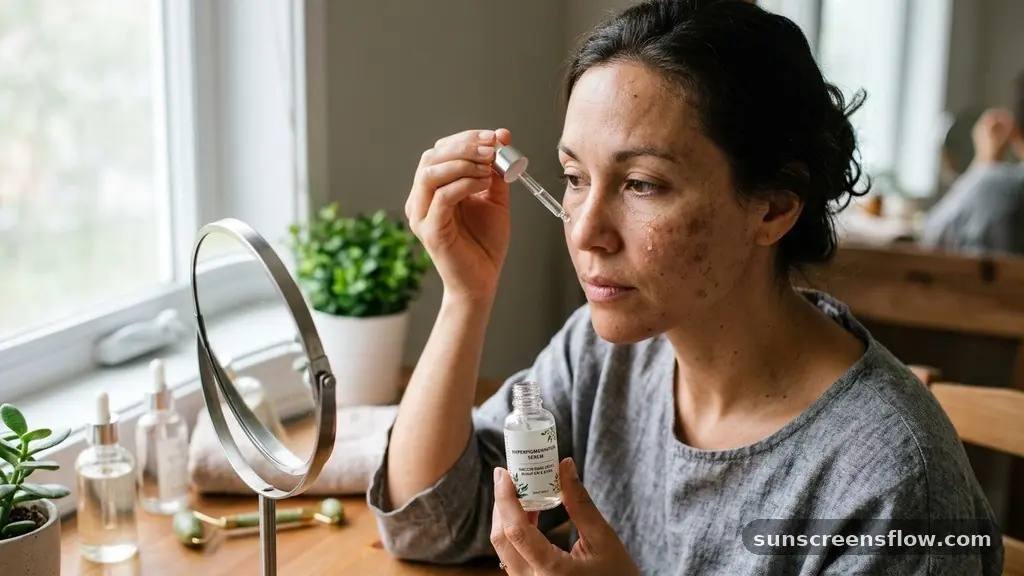
For those struggling with dark spots or uneven skin tone, serums are the gold standard. Hyperpigmentation is caused by the overproduction of melanin, often triggered by sun exposure, inflammation, or hormonal changes. Topical treatments that inhibit melanin production are most effective when delivered in a serum format. Ingredients like niacinamide are particularly effective, as they not only brighten the skin but also improve texture and reduce inflammation.
Because niacinamide and other brightening agents are highly stable and work well in water-based vehicles, they are perfect candidates for daily serum use. Consistency is key here; unlike a spot treatment that you might apply occasionally, a brightening serum should be part of your daily morning or evening ritual to gradually fade discoloration over time. This slow-and-steady approach is far safer than aggressive clinical treatments and allows for sustained results without damaging the surrounding skin.
The Science of Collagen Synthesis and Anti-Aging
Aging is a complex biological process, but much of it can be managed by stimulating the skin’s natural repair mechanisms. Collagen synthesis is the process by which the body produces the structural protein responsible for skin firmness and elasticity. As we age, this production slows down. Ingredients like peptides and retinol are included in anti-aging serums specifically to kickstart this process.
Retinol, a derivative of Vitamin A, is perhaps the most researched ingredient for skin rejuvenation. It works by binding to receptors in the skin cells, signaling them to behave like younger, healthier cells.
This results in increased collagen production and faster exfoliation, which sheds dead skin cells and reveals fresh, glowing skin underneath. Because these ingredients are so potent, they are almost exclusively delivered via serums to ensure they reach the deep layers where they can interact with the fibroblasts responsible for building collagen.
Serum Application and Daily Routine
Knowing how and when to apply a serum is just as important as choosing the right one. Because of their thin consistency, serums should always be applied after cleansing and toning, but before heavier creams or oils. This ensures that the serum texture doesn’t have to fight through a layer of grease to reach your pores.
* Cleanse your skin thoroughly to remove debris.
* Apply a toner to balance the pH of your skin.
* Gently pat a few drops of serum onto damp skin to enhance absorption.
* Wait 30 to 60 seconds for the product to fully absorb.
* Follow up with a facial moisturizer to seal the actives in.
* Always apply sunscreen during the day if your serum contains photosensitizing actives like retinol.
Following this serum application sequence ensures that you get the most out of your investment. Applying a serum on damp skin is a pro-tip that many dermatologists recommend, as it helps the humectants draw more water into the epidermis.
Common Misconceptions and Safety Concerns
There is a prevalent myth that because serums are “strong,” they are inherently irritating. While it is true that some active ingredients can be potent, most modern formulations are designed to be non-comedogenic and soothing. The irritation often arises from improper usage—such as layering too many different active serums at once or failing to use a moisturizer afterward.
Another concern is the idea that “natural” is always better. In the world of dermatological skincare, “natural” does not necessarily mean effective or safe.
Many synthetic compounds, like stabilized vitamin c or lab-engineered peptides, are far more reliable and less likely to cause allergic reactions than raw botanical extracts. When evaluating a serum, look for clinical data, patch-test the product, and introduce new actives slowly to allow your skin to acclimate.
Topical Treatments and Future Innovations
The field of cosmetic science is rapidly evolving, moving toward more personalized topical treatment options. We are seeing a rise in “smart” serums that utilize encapsulated delivery systems to release ingredients only when they reach a specific pH level on the skin. This minimizes surface irritation while maximizing the impact of the active components.
Furthermore, the integration of antioxidant properties into everyday serums is becoming standard. With the increasing awareness of pollution and blue light damage, serums are no longer just for “fixing” problems; they are now essential for environmental defense.
By neutralizing free radicals before they can damage your DNA, these serums act as a preventative shield, keeping the skin healthy for the long term. As research into the skin microbiome continues, expect to see more serums that support the “good” bacteria on your face, further enhancing the skin’s natural resilience.
FAQ: Common Questions About Face Serums
Can I use a face serum every day?
Yes, most face serums are formulated for daily use. However, if your serum contains high-strength actives like retinol or exfoliating acids, you may need to start by using it only a few times a week to allow your skin to build tolerance before transitioning to daily application.
What is the main disadvantage of using a face serum?
The primary disadvantage of serums is their cost relative to volume. Because they contain highly concentrated, stable, and expensive ingredients, they are often more expensive than moisturizers. Additionally, some users may find certain actives irritating if they do not follow up with a proper moisturizing routine.
Do I really need a serum if I already use a moisturizer?
While not strictly mandatory, a serum provides targeted care that a moisturizer cannot. If you have specific concerns like dark spots, fine lines, or extreme dehydration, a moisturizer alone won’t be enough to address those issues effectively. Serums act as the treatment step, while moisturizers provide the necessary seal.
How do I know which serum is right for my skin?
Choose your serum based on your primary skin concern. For hydration, look for hyaluronic acid. For brightening and sun damage, choose vitamin c or niacinamide. For anti-aging and texture, opt for retinol or peptides. Always consider your skin type—oily, dry, or sensitive—when selecting the specific formulation.
In conclusion, a serum for face is an essential tool for anyone looking to go beyond basic hydration. By utilizing a high concentration of active ingredients with a low molecular weight, these products offer a sophisticated way to address specific concerns like hyperpigmentation, loss of elasticity, and impaired skin barrier function.
Whether you are using vitamin c to brighten your morning complexion or retinol to support long-term collagen synthesis, the key to success lies in proper serum application and pairing your treatment with a reliable facial moisturizer. With a consistent routine and an understanding of how these powerful formulas interact with your skin, you can achieve a healthier, more radiant, and resilient appearance.


