

Knowing exactly when to put serum on face is the difference between a product that transforms your complexion and one that just sits on the surface. Skincare is built on the principle of effective delivery, and because serums are concentrated powerhouses, their placement in your sequence matters more than almost any other step.
You want those potent ingredients to reach the deeper layers of the epidermis without being blocked by heavier creams or oils. By mastering the timing and order of your applications, you ensure that every drop of expensive formula works to its full potential.
The Fundamental Rule of Skincare Layering
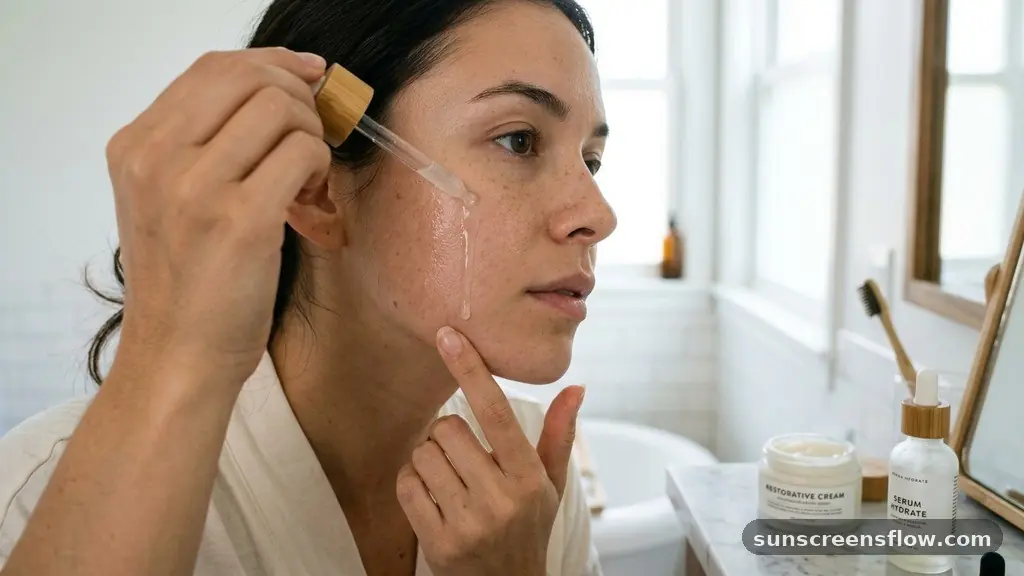
The golden rule of any effective regimen is to apply products from the thinnest consistency to the thickest. Serums are purposefully engineered with a low viscosity, meaning they have a low molecular weight that allows them to penetrate the skin barrier quickly.
If you apply a thick, creamy moisturizer first, you create a physical barrier that prevents the serum from being absorbed. Think of your skin like a sponge; it needs to be prepped and porous to drink up the nutrients you provide.
When you decide when to put serum on face, always look at the texture. A watery, liquid serum should go on immediately after cleansing and toning. If you are using a slightly oilier or thicker serum, it might come later in the sequence, but it should almost always precede your heavy creams.
This layering technique respects the chemical architecture of your products. By allowing the serum to sink in for about sixty seconds before moving to the next step, you maximize the absorption rate and ensure that the active ingredients interact with your skin cells rather than just sitting in a pool of moisturizer.
Preparing Your Skin for Maximum Absorption
Before you even reach for your serum, the state of your skin determines how well that product will perform. Cleansing is the non-negotiable first step. You must remove the day’s accumulation of dirt, oil, and pollution to reveal a clean surface.
Using a gentle facial cleanser that respects your natural pH balance is vital. If your skin is too acidic or too alkaline, the efficacy of your serum can be compromised, as many active ingredients are pH-dependent.
Once your face is clean, you have a brief window of opportunity. Applying serum to damp skin is a pro tip that significantly boosts hydration. When the skin is slightly moist, it acts as a better conduit for water-binding agents like hyaluronic acid.
The water on your face helps pull the serum deeper into the dermis, preventing it from evaporating into the air. If you use a toner, apply it first to balance the skin, then immediately follow with your serum while the skin is still slightly tacky. This simple habit changes the entire trajectory of your skincare results.
Morning Versus Evening Strategy
Your skin has different needs depending on the time of day, which changes your approach to when to put serum on face. In your morning skincare routine, your primary goal is protection. You want to shield your skin from environmental stressors like UV rays and pollution.
This is the time to reach for antioxidant-rich formulas, such as vitamin C. These ingredients neutralize free radicals that cause premature aging.
Conversely, your evening skincare routine should focus on repair and renewal. At night, the skin enters a recovery mode, making it the perfect time for more intense treatments.
This is when you incorporate ingredients like retinol or exfoliating acids that might make the skin sensitive to sunlight. Because these actives can be harsh, the order of application is critical to avoid irritation.
| Ingredient Type | Best Time to Use | Function |
|---|---|---|
| Vitamin C | Morning | Antioxidant protection |
| Retinol | Evening | Cell turnover |
| Hyaluronic Acid | Both | Deep hydration |
| Niacinamide | Both | Barrier support |
Understanding Molecular Weight and Penetration
The reason we obsess over the order of operations is rooted in the chemistry of molecular weight. Serums are formulated with smaller molecules that can bypass the stratum corneum, the outermost layer of the skin.
If you apply an occlusive product—like a thick night cream containing petroleum or heavy waxes—before your serum, you are essentially slamming a door shut. The occlusive layer is designed to lock moisture in, but it also locks everything else out.
When you put serum on face after your moisturizer, you are effectively wasting the product. It will sit on top of the occlusive barrier, unable to reach the living cells where it needs to work. Always prioritize the products that provide the most benefit to the skin’s structure.
By placing your serum directly onto the skin, you ensure that the active ingredients can work their way down to the dermis. This ensures that you aren’t just hydrating the dead skin cells on the surface, but actually influencing the health of your complexion at a deeper level.
Common Mistakes in Serum Application

Even with the best products, many people struggle because they skip the basics of application. One major mistake is applying too much product. Because serums are concentrated, a few drops are usually plenty.
Overloading your skin can lead to a sticky residue that pills when you apply sunscreen or makeup later. If you find your products rolling off your face, you are likely using too much or not giving the serum enough time to absorb.
Another frequent error is skipping the waiting period. While you don’t need to wait twenty minutes, giving your serum one or two minutes to “set” is helpful. During this time, the product moves from the surface into the skin.
If you rush immediately to the next step, you risk mixing the layers together and potentially neutralizing the active ingredients. For example, applying a moisturizer immediately over a low-pH vitamin C serum might raise the pH of the serum, rendering it less effective. Patience is a key component of a high-performing routine.
Navigating Active Ingredients and Compatibility
Understanding when to put serum on face also involves knowing which ingredients play nicely together. Some actives, like retinol and vitamin C, can be unstable if layered incorrectly.
If you are using multiple serums, the general rule is to apply them from thinnest to thickest, but you should also consider the potency of the ingredients. Always place the most important treatment closest to the skin.
If you have a complex routine, consider splitting your actives between morning and night. This prevents “cocktailing” too many ingredients at once, which can lead to inflammation or pore clogging.
For instance, stick to your vitamin C and niacinamide in the morning, and save your retinoids or exfoliating acids for the evening. This not only simplifies your life but also ensures that each product has the environment it needs to function properly without interference from other chemicals.
Addressing Topical Gaps: Why Serum Order Matters
A common question is whether it really matters if you swap the order of your moisturizer and serum. The answer lies in the concept of occlusion. A moisturizer acts as an occlusive or emollient layer, which is designed to seal the skin.
If you apply this before your serum, you are creating a seal over your pores that prevents the penetration of the serum’s active compounds. This is a significant gap in many people’s knowledge, as they assume that “more is better” regardless of the order.
Furthermore, many people forget that serums can be used as spot treatments rather than all-over applications. If you have a specific concern, like dark spots or fine lines, you can apply your serum just to those areas before applying a lighter moisturizer over your entire face.
This targeted approach allows you to control the delivery of actives precisely where they are needed most. By understanding that serums are meant to be the “engine” of your routine while moisturizers are the “protective shell,” you can structure your regimen with much greater success.
The Role of Toners and Exfoliation
People often get confused about where a toner fits into the mix. Think of a toner as a transition step that prepares the skin to receive the serum. It helps adjust the skin’s pH, which can be disrupted by some cleansers.
Once the toner has been applied, your skin is perfectly primed for the serum. If you are using an exfoliating toner, this step is even more critical because it removes dead skin cells that would otherwise block the serum from reaching fresh, healthy skin.
Exfoliation should never be done every single day, but when it is part of your routine, it must come before your serum. By clearing away the dull, outer layer of cells, you create a clear path for your serum to penetrate.
However, be careful with chemical exfoliants; if they are too strong, they can make your skin sensitive to the active ingredients in your serum. Always listen to your skin and scale back if you notice any redness or stinging, as this is a sign that your barrier is compromised.
Consistency and Long-Term Results
The final piece of the puzzle is consistency. Applying your serum correctly once a week won’t yield the results you are looking for. Dermatological efficacy is cumulative.
When you are consistent with your routine, you are essentially training your skin to respond to the active ingredients over time. Whether you are targeting hyperpigmentation, fine lines, or acne, the skin needs regular exposure to the actives to show visible change.
Remember that skincare is a marathon, not a sprint. It often takes several weeks of consistent usage to see a difference in your skin’s texture or tone.
If you are diligent about when to put serum on face, you are stacking the odds in your favor. By respecting the order of application, the timing of your routine, and the specific needs of your skin, you create a sustainable practice that will serve you for years to come.
Frequently Asked Questions
Should I apply serum before or after my moisturizer?
Always apply your serum before your moisturizer. Serums are designed with smaller molecules meant to penetrate the skin barrier, while moisturizers are thicker and act as an occlusive layer to lock in hydration and prevent water loss. Applying moisturizer first would block the serum from absorbing.
Can I use multiple serums at the same time?
Yes, you can layer multiple serums, but apply them from the thinnest consistency to the thickest. If both have similar textures, apply the one that addresses your most important skin concern first so it has direct contact with your skin. Avoid mixing too many harsh actives simultaneously.
Does it matter if my face is dry or damp when I apply serum?
Applying serum to slightly damp skin is generally better. The residual water helps the ingredients penetrate more effectively, especially humectants like hyaluronic acid. If you use a toner, apply your serum while the toner is still slightly wet on your skin for the best results.
Why does my serum pill or roll off my face?
Pilling usually happens when you use too much product, don’t allow enough time for absorption between layers, or if the products are incompatible. Try using a smaller amount of serum and wait at least sixty seconds before applying your next layer to ensure it has fully settled.
Conclusion
Mastering the sequence of your skincare products is the most effective way to see real results from your investment. By understanding the importance of molecular weight and the role of occlusives, you can ensure that your serums penetrate deeply and work exactly as intended. Remember to keep your morning routine focused on protection and your evening routine on repair, always moving from your lightest, most liquid products to your heaviest creams.
Consistency is your greatest tool in achieving a healthy, glowing complexion. Take the time to observe how your skin reacts to different layering techniques, and don’t be afraid to adjust based on your specific needs.
By following these principles, you turn your daily routine into a high-performance ritual. Start refining your process tonight and enjoy the long-term benefits of a truly optimized skincare regimen.
Meta Description: Learn exactly when to put serum on face for maximum results. Discover the best layering techniques, order of application, and tips for better absorption.


