


Navigating the world of skincare can feel like deciphering a complex scientific manual, especially when you are trying to figure out how to choose face serum that actually works for your specific complexion. Unlike moisturizers, which are designed to create a protective seal over the skin, a face serum is a highly concentrated formula packed with potent active ingredients designed to penetrate deep into the dermis.
Because these products are lightweight and typically water-based, they deliver targeted results for everything from stubborn hyperpigmentation to persistent dryness. Choosing the right one requires more than just picking a pretty bottle; it necessitates an understanding of your unique dermatological concerns and how different molecules interact with your biological makeup.
Understanding the Role of Molecular Weight in Serum Absorption
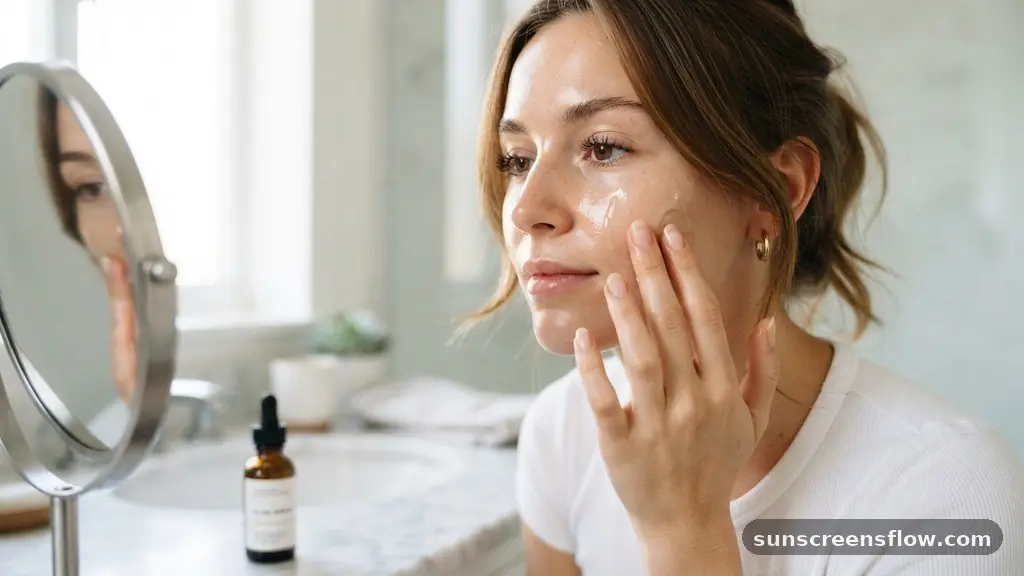
At the heart of any effective skincare routine is the concept of molecular weight. When you are learning how to choose face serum, you must consider that the size of the molecule determines how deep it can travel into the skin’s layers.
High-molecular-weight ingredients, such as large-chain hyaluronic acid, sit primarily on the surface to draw moisture from the environment and provide immediate surface-level plumping. Conversely, low-molecular-weight ingredients, such as specialized peptide complexes or smaller variants of hyaluronic acid, are designed to bypass the outer layer of the skin to reach the deeper epidermis.
This distinction is crucial because if you want to address issues like fine lines or loss of elasticity, you need ingredients that can influence collagen production at a cellular level. Serums that rely on heavy emollients or thickeners often fail to penetrate effectively, which is why serums are formulated with thin, fluid bases. When you apply a serum, you are essentially providing the skin with a concentrated dose of building blocks.
If your goal is to repair the skin barrier, you should look for formulas containing ceramides that have been engineered to match the lipid structure of your skin. By understanding that “lighter is better” for penetration, you can avoid heavy, pore-clogging products that don’t offer the clinical-grade performance you expect from a high-quality serum.
Identifying Your Primary Skin Concerns and Goals
Before you browse the aisles or scroll through online shops, you must define what you want to fix. Are you battling chronic acne, or is your main objective to brighten a dull complexion? Knowing your specific skin goals is the most important step in how to choose face serum.
Most users fall into one of four categories: hydration, anti-aging, brightness, or clarity. For those struggling with trans-epidermal water loss, a serum featuring humectants is non-negotiable. If you are dealing with dark spots or uneven skin tone, you should pivot toward brightening agents.
It is also vital to recognize that your skin is dynamic. A serum that worked perfectly in the humid summer months might not be sufficient during a dry, cold winter. During colder seasons, your focus should shift toward protecting the skin barrier and preventing irritation.
If you have sensitive skin, you should look for soothing ingredients like centella asiatica or panthenol, which can mitigate the potential stinging associated with stronger actives. By keeping a simple journal of how your skin reacts to different textures and ingredient concentrations, you can create a personalized roadmap that makes future purchases much easier and far more effective.
The Science of Active Ingredients: Vitamin C and Retinol
When discussing how to choose face serum, two ingredients almost always dominate the conversation: vitamin C and retinol. These are the heavy hitters of the skincare world, but they serve very different functions. Vitamin C is a powerful antioxidant that helps neutralize free radicals caused by UV exposure and pollution.
It is essential for those looking to combat environmental damage and improve overall radiance. However, vitamin C is notoriously unstable and prone to oxidation, which is why you should always look for serums in opaque, airtight packaging.
On the other hand, retinol is the gold standard for anti-aging and improving skin texture. It works by accelerating cell turnover and stimulating the production of new skin cells. Because it is so potent, beginners often make the mistake of starting with too high a concentration, leading to redness and peeling.
If you are integrating a retinoid into your routine, start with a low percentage and use it only at night. Remember that these two ingredients should generally be used at different times of the day—vitamin C in the morning to protect the skin, and retinol at night to repair it. This strategic timing ensures you get the maximum benefit without overwhelming your skin’s natural tolerance levels.
Managing Oily Skin and Acne-Prone Complexions
For those with oily or acne-prone skin, the prospect of adding an extra layer of product can be daunting. The key here is to prioritize non-comedogenic formulas that won’t clog your pores. When learning how to choose face serum for this skin type, look for salicylic acid or niacinamide.
Salicylic acid is a beta-hydroxy acid that excels at deep-cleaning pores and removing excess sebum, making it ideal for those who struggle with blackheads and breakouts. Niacinamide, meanwhile, is a multitasking powerhouse that regulates oil production and minimizes the appearance of enlarged pores while also strengthening the skin’s defense against inflammation.
Many people with oily skin mistakenly believe they don’t need hydration. This is a common misconception that can actually lead to more oil production, as your skin tries to compensate for the lack of moisture. A lightweight, water-based serum provides epidermal hydration without adding heavy oils that can feel greasy.
By focusing on balancing ingredients rather than just “drying out” the skin, you can achieve a clear, matte complexion that feels comfortable and hydrated throughout the day. Always check the ingredient list for potential irritants like denatured alcohol or fragrance, which can trigger an inflammatory response in acne-prone skin.
The Importance of Patch Testing and Serum Layering
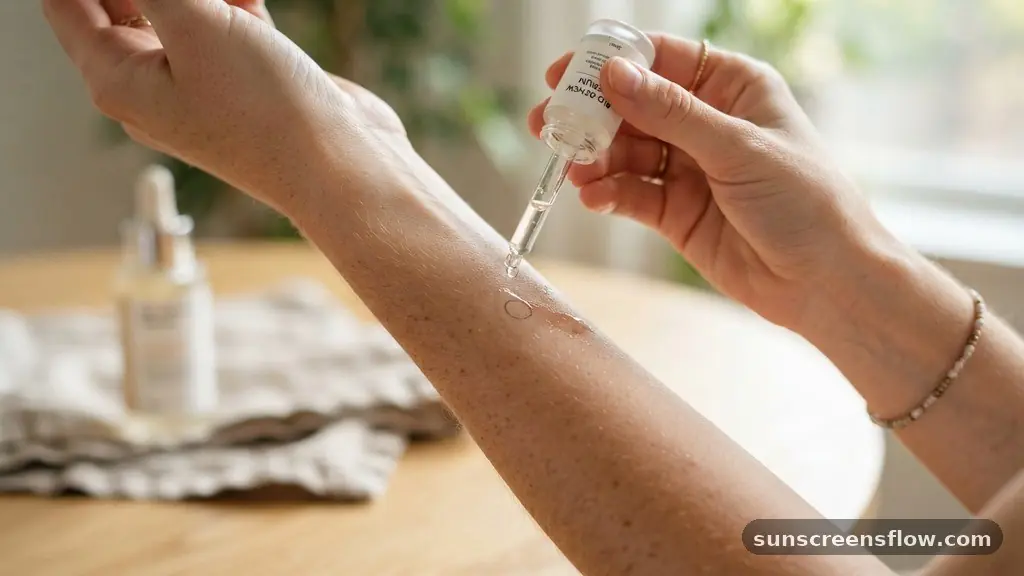
One of the most overlooked aspects of skincare is the practice of patch testing. Before you commit to applying a new serum all over your face, apply a small amount to your inner arm or behind your ear. Wait at least 24 to 48 hours to see if any redness, itching, or irritation develops.
This is particularly important if you have skin sensitivity or a history of allergic reactions. If your skin remains calm, you can safely introduce the product to your routine.
Once you have established that a serum is safe, you need to consider serum layering. The general rule of thumb in the skincare industry is to apply products from thinnest to thickest consistency. This allows the most lightweight, water-soluble formulas to absorb fully before you apply heavier creams or oils.
If you are using multiple serums—for example, a hydrating serum followed by a treatment serum—give each layer a minute or two to sink in. Over-layering too many products can sometimes lead to pilling, where the product rolls off the skin in little beads. If you notice this, you are likely using too much product or your skin is not absorbing the layers efficiently.
| Ingredient Class | Primary Benefit | Best For |
|---|---|---|
| Humectants (e.g., Hyaluronic Acid) | Deep Hydration | All skin types, especially dry |
| Exfoliating Acids (e.g., Salicylic Acid) | Pore Clarity & Oil Control | Oily and acne-prone skin |
| Antioxidants (e.g., Vitamin C) | Brightening & Protection | Dull skin & environmental damage |
| Retinoids (e.g., Retinol) | Cell Turnover & Anti-aging | Fine lines & uneven texture |
Addressing Topical Gaps: Why Your Serums Might Not Be Working
If you have been using serums for weeks without seeing results, you might be falling into common traps that hinder efficacy. A major gap in the market is the lack of education regarding the “waiting period” after application. Many users apply a serum and immediately follow it with a thick moisturizer, which can push the active ingredients around or prevent them from settling into the skin.
Another issue is the storage of your products. Ingredients like vitamin C or certain plant extracts are sensitive to light and heat; if you keep your serums in a bathroom that gets steamy and bright, you might be rendering the active ingredients inert before you even use them.
Furthermore, consider the “consistency trap.” Many people switch between different brands and active ingredients too quickly. Skin cells have a natural renewal cycle of approximately 28 days.
If you stop using a product after only two weeks because you haven’t seen a “miracle,” you aren’t giving your skin enough time to respond to the treatment. Additionally, ensure that your cleanser isn’t stripping your skin’s natural oils before you apply your serum.
A harsh cleanser can disrupt the skin barrier, making the skin more reactive and less able to absorb the beneficial ingredients in your serum. Always aim for a gentle, pH-balanced cleanser to prepare your face for the treatment phase.
Choosing Serums for Specific Age-Related Changes
As we age, our skin undergoes structural changes that require a shift in approach. The production of natural lipids and collagen slows down, leading to thinner skin and more pronounced wrinkles. When figuring out how to choose face serum for mature skin, look for products that emphasize moisture retention and structural support. Peptide complexes are excellent in this regard, as they act as chemical messengers that signal the skin to produce more collagen and elastin.
Dryness is another frequent concern for aging skin, as the ability to retain water decreases over time. Using a serum that contains a combination of hyaluronic acid and ceramides can help replenish the lipid barrier and keep the skin looking plump and youthful. Don’t be afraid to incorporate richer, oil-based serums in the evening if your skin feels particularly parched.
While the goal is always to keep the skin hydrated, as we get older, we need more support to prevent that “crepey” look. Consistency with these targeted treatments is the difference between temporary hydration and long-term skin health.
Common Mistakes to Avoid When Starting New Serums
Even the most expensive, high-end serum will fail if you use it incorrectly. One of the most frequent mistakes is using too much product. Because serums are highly concentrated, a few drops are usually enough to cover the entire face and neck.
Applying too much not only wastes the product but can also lead to a sticky residue that interferes with the rest of your routine. Another common error is skipping sunscreen.
If you are using exfoliating acids or retinol, your skin becomes significantly more sensitive to UV radiation. If you don’t wear a broad-spectrum SPF every single day, you are essentially undoing the hard work your serum is doing.
You should also be wary of “mixing and matching” too many active ingredients at once. A routine that includes vitamin C, retinol, salicylic acid, and AHAs all in one session is a recipe for irritation. Your skin needs time to adjust to each new active.
If you want to incorporate multiple types of treatment, try alternating them—for example, use your exfoliating serum on Monday, Wednesday, and Friday, and your antioxidant serum on the other days. This “cycling” approach allows you to reap the benefits of multiple ingredients without compromising the health of your moisture barrier.
The Future of Skincare: Personalized Serum Selection
The beauty industry is shifting toward more personalized solutions. We are seeing a rise in “custom-blended” serums where you can select specific concentrations of ingredients based on a digital skin analysis.
While these can be effective, you don’t necessarily need a custom-made product to see great results. By becoming an expert on your own skin—observing how it reacts to different environmental factors and learning which ingredients help you look and feel your best—you can curate a routine that is just as effective as any high-end custom blend.
The bottom line is that choosing a face serum is an exercise in trial and error combined with scientific literacy. Start simple, focus on the health of your skin barrier, and introduce new actives slowly.
Whether you are aiming to smooth out fine lines, brighten a dull complexion, or simply maintain a healthy, hydrated glow, the right serum is out there. It just takes a bit of patience and the willingness to listen to what your skin is telling you.
Frequently Asked Questions
How do I know if a serum is actually working for my skin?
You should look for subtle, consistent improvements rather than overnight miracles. Skin cell turnover takes about a month, so wait at least four to six weeks. Signs of success include a more even skin tone, improved texture, less frequent breakouts, or a general feeling of comfort and hydration.
Which two serums should I never use together?
Avoid layering high-strength retinol and potent exfoliating acids (like AHAs or BHAs) at the same time, as this combination significantly increases the risk of irritation and barrier damage. Also, be careful combining high concentrations of vitamin C with other harsh actives, as it can cause stinging and redness.
Is it better to use retinol or hyaluronic acid for aging skin?
Both are valuable but serve different roles. Retinol is the gold standard for long-term anti-aging because it boosts collagen and cell turnover. Hyaluronic acid provides immediate hydration, which plumps the skin and makes fine lines less visible. For best results, many people use both: hyaluronic acid for daily moisture and retinol for treatment.
What is the most recommended type of serum for a beginner?
For most beginners, a hydrating serum featuring hyaluronic acid or a gentle niacinamide serum is the best starting point. These are generally well-tolerated by almost all skin types, provide immediate benefits to the skin barrier, and don’t carry the high risk of irritation associated with stronger exfoliating acids or retinoids.
Do I really need to apply a moisturizer after my face serum?
Yes, in most cases, you should follow your serum with a moisturizer. Serums are designed to deliver active ingredients, but they don’t always provide enough occlusive support to prevent water from evaporating from the skin. A moisturizer acts as a seal, locking in the serum and keeping your skin hydrated for longer.
Conclusion
Choosing the right face serum is a transformative step in any skincare journey. By focusing on your unique skin type, understanding the function of key ingredients like vitamin C, retinol, and hyaluronic acid, and maintaining a consistent, patient routine, you can effectively address your most pressing dermatological concerns. Remember that the goal is not to overwhelm your skin with every trendy ingredient on the market, but to provide it with the specific support it needs to remain healthy, resilient, and radiant.
Whether you are managing hyperpigmentation, looking to refine your skin texture, or simply aiming for better epidermal hydration, the right serum acts as a powerful tool in your daily arsenal. Always prioritize the health of your skin barrier, perform your patch testing, and give your products the time they need to deliver the results you deserve. With this knowledge, you are well-equipped to make informed decisions that will keep your skin looking its best for years to come.


