


If you have ever found yourself staring at a collection of bottles on your vanity, wondering whether you should reach for the toner or the serum first, you aren’t alone. Establishing a logical flow for your products is essential to ensure every ingredient actually reaches your skin rather than just sitting on the surface. When you consider whether does toner or serum go first, the answer consistently comes down to one core principle: consistency and viscosity.
By applying products from the thinnest to the thickest, you maximize the performance of your daily regimen. Understanding this simple rule will save you time, money, and frustration while helping you achieve better results from your favorite formulas.
The Fundamental Rule of Skincare Layering
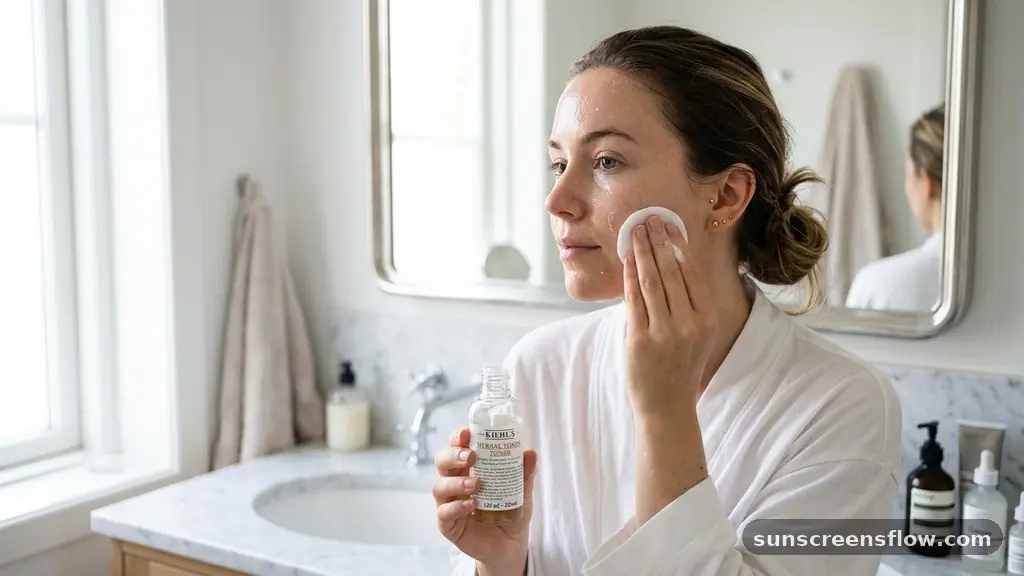
The most reliable way to determine the sequence of your routine is to follow the rule of viscosity. Think of your skin as a sponge; it can only absorb so much at once, and it prefers lighter, water-based formulas to penetrate first.
A toner is almost always a thin, liquid-based product, whereas a serum is typically more concentrated and slightly more viscous. If you apply a thicker substance before a thinner one, you create a barrier that prevents the lighter product from ever reaching your pores.
When you ask does toner or serum go first, keep in mind that the toner acts as a bridge between cleansing and treatment. After you wash your face, your skin’s pH balance can be slightly disrupted. A toner restores that balance and preps the surface for the active ingredients waiting in your serum.
Because the toner is designed to be absorbed instantly, it doesn’t block the skin; instead, it creates a hydrated canvas. By sticking to this order, you ensure that the high-performance molecules in your serum can move past the outer layer of the skin efficiently.
Understanding the Role of Facial Toner
Many people mistakenly believe that toners are just glorified water, but modern formulas serve a specific purpose in your routine. Originally designed to remove residual soap scum from high-pH cleansers, today’s toners are packed with beneficial botanicals, humectants, and mild exfoliants.
They are meant to be applied immediately after cleansing, often while the skin is still slightly damp. This dampness helps the skin soak up subsequent products more effectively.
If you are using a toner for pore tightening or gentle exfoliation, you want those ingredients to interact with your skin before you apply your more intensive treatments. A toner acts as a primer, removing any lingering impurities that your cleanser might have missed.
By clearing the path, you are effectively increasing the product efficacy of everything that follows. If you were to apply a heavy serum first, you would essentially be applying your treatment over impurities or debris, which is the exact opposite of what you want for clear, healthy skin.
Why Serums Require a Direct Path
Serums are the heavy hitters of the skincare world, designed to deliver high concentrations of active ingredients directly into the dermis. Whether you are using vitamin c for brightening, hyaluronic acid for hydration, or niacinamide for oil control, these products rely on targeted delivery. Because serums are usually formulated with specific molecular weights to facilitate deep penetration, they need a clean, prepped surface to work their magic.
When you consider the question of does toner or serum go first, remember that serums are meant to be the “treatment” phase of your routine. They are denser than toners but lighter than moisturizers. If you layer them after a toner, you are capitalizing on the hydration provided by that first step.
The toner hydrates the skin, and the serum provides the concentrated actives. This combination ensures that the skin remains supple and receptive. If you skip the toner and go straight to serum on dry, un-prepped skin, you might find that the serum absorbs too quickly or doesn’t spread evenly across your face.
The Science of Molecular Weight and Absorption
The reason skincare layering works is rooted in the physics of topical application. Products with a lower molecular weight penetrate the skin barrier more easily than those with a higher molecular weight.
Toners are primarily water-based products, which means they have the lowest molecular weight and the thinnest consistency. Serums, while still mostly water, contain higher concentrations of proteins, peptides, or oils that give them a more substantial feel.
If you apply a product with a higher molecular weight first, you essentially “seal” the skin before the lower-weight products have a chance to enter. This is why you should always move from the thinnest to the thickest consistency in your daily ritual. Think of your routine like painting a wall; you wouldn’t apply a thick, heavy sealant before the primer.
Your toner is the primer that ensures the surface is ready, and your serum is the concentrated pigment that provides the primary benefit. By respecting this order, you are working with the natural physiology of your skin rather than against it.
Comparing Toner and Serum Characteristics
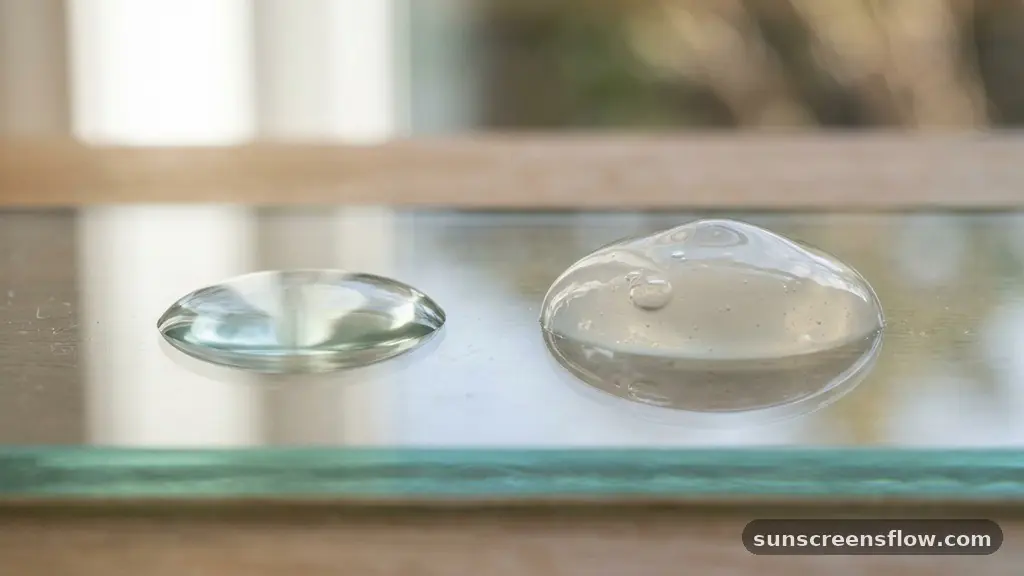
To make it easier to visualize the difference, it helps to look at how these products function side-by-side. While both are essential for a complete regimen, they serve different functions in terms of texture and intent. The following table highlights the key differences that dictate their placement in your routine.
| Feature | Toner | Serum |
|---|---|---|
| Primary Purpose | pH balance & hydration | Targeted treatment |
| Consistency | Very thin, watery | Gel-like or viscous |
| Application Order | First (after cleansing) | Second (before moisturizer) |
| Absorption Speed | Instantaneous | Moderate |
As shown above, the logic of applying the toner first is clear. It is designed to be the first point of contact after your cleanser has stripped away surface debris. By the time you reach for your serum, your skin should feel refreshed and slightly damp, which is the perfect environment for a serum to settle in and begin its work.
Addressing Common Topical Gaps
A common point of confusion arises when people use multiple types of serums or specialized treatments. You might wonder if you should use a toner between two different serums. Generally, you should group your serums together after your toner and before your moisturizer.
If you have a water-based serum and an oil-based serum, the water-based one goes first. The toner always stays at the beginning of the sequence.
Another gap involves the use of chemical exfoliants. If your toner contains active acids like glycolic or salicylic acid, it is still applied first. However, you must be careful not to over-exfoliate.
If you are using a potent exfoliating toner, you might want to skip an additional exfoliating serum in the same session. Always prioritize the health of your skin barrier.
If your skin feels tight or irritated, cut back on the number of products you are layering and focus on hydration. The goal is to support the skin, not to overwhelm it with too many chemicals.
The Importance of Skin Hydration and pH Balance
Maintaining the natural pH balance of your skin is critical for preventing irritation and breakouts. Your skin’s mantle is naturally slightly acidic, and harsh cleansers can disrupt this, leaving your skin vulnerable.
A good toner is specifically formulated to return the skin to that ideal pH range. When the pH is balanced, your skin is much more capable of absorbing the active ingredients in your serum.
Without this step, your skin might be too alkaline, which can actually prevent certain serums from working correctly. For instance, vitamin c is notoriously fickle and performs best at a specific pH level. By using a toner first, you are creating the optimal environment for your expensive treatments to function.
Think of the toner as a regulator that ensures your skin is in the best possible state to receive the heavy lifting provided by your serums. This simple preparatory step is the secret to getting the most value out of your skincare investments.
Building a Consistent Skincare Regimen
Consistency is the most important factor in seeing real improvements in your skin texture and tone. If you are constantly changing your order or skipping steps, you won’t give your skin the chance to adjust to the active ingredients.
When you decide on a routine, stick with it for at least four to six weeks. This is the typical cycle of skin cell turnover, and it is the amount of time needed to see if a product is actually working for you.
* Start with a gentle cleanser to remove the day’s debris.
* Apply your toner while the skin is slightly damp to lock in moisture.
* Use your targeted serum to address specific concerns like dark spots or fine lines.
* Follow with a moisturizer to seal everything in and protect the barrier.
* Always finish with sunscreen during the day to prevent further damage.
By following this sequence, you create a system that is easy to remember and highly effective. When you know exactly where each product belongs, you are less likely to skip steps and more likely to maintain the habit long-term.
Common Mistakes in Skincare Layering
One of the biggest mistakes people make is applying their products too quickly. Give your toner at least thirty seconds to sink in before you reach for your serum. If you apply your serum onto a face that is still dripping wet with toner, you might dilute the product, making it less effective.
Conversely, don’t wait too long. Applying your serum while your skin is still slightly damp ensures better absorption.
Another frequent error is using too many active ingredients at once. If you are using a retinol, a vitamin c serum, and an exfoliating toner all in the same session, you are likely to damage your skin barrier. Instead, try to rotate your actives.
Use your exfoliating toner in the evening and your vitamin c in the morning. By spreading out your treatments, you allow your skin to recover and thrive. Remember that the order of application is only half the battle; the other half is choosing the right combination of products for your unique skin type.
Frequently Asked Questions
Does the order change if I have oily skin?
The fundamental rule of applying products from thinnest to thickest remains the same regardless of your skin type. Even if you have oily skin, you still need to balance your pH with a toner before applying your treatment serums to ensure maximum absorption and efficiency.
Can I apply serum immediately after toner?
Yes, you should apply your serum while your skin is still slightly damp from the toner. This helps the serum spread more evenly and aids in the absorption of active ingredients. Just wait a few seconds so the toner isn’t completely pooling on your skin.
What happens if I apply serum before toner?
If you apply a serum first, you risk creating a barrier that prevents the toner from reaching the skin. Furthermore, you might be applying your treatment over impurities that the toner was meant to clear away, which can hinder the overall effectiveness of your skincare routine.
Do all toners need to be followed by a serum?
Not necessarily. If your toner is very hydrating and you have a simple routine, you might move straight to moisturizer. However, if you are using serums to target specific concerns like hyperpigmentation or aging, they should always follow the toner to ensure they penetrate the skin properly.
Conclusion
Getting your routine in the right order is the simplest way to upgrade your results without buying a single new product. When you consistently apply your toner before your serum, you are respecting the natural physics of your skin and ensuring that every drop of your treatment is put to good use. By focusing on thin-to-thick application, you create a logical, efficient flow that supports your skin barrier and improves the efficacy of your active ingredients.
Take a moment to evaluate your current shelf and ensure your products are laid out in the order you use them. Once this sequence becomes second nature, you will find that your skin feels more balanced, hydrated, and receptive to the care you provide. If you have any remaining questions about your specific products, don’t hesitate to reach out or consult with a dermatologist to fine-tune your routine further.
Meta Description: Wondering does toner or serum go first? Learn the correct order for your skincare routine to maximize absorption and improve your skin’s health.


