


Navigating the crowded aisles of skincare products can be overwhelming, especially when trying to determine what face serum should I use to achieve your specific complexion goals. Serums are potent, lightweight formulations designed to deliver a high concentration of active ingredients directly into the skin.
Unlike heavy creams that sit on the surface to lock in moisture, these concentrated elixirs are engineered to penetrate deeper, addressing specific issues like dehydration, dullness, or premature aging. By understanding the unique properties of ingredients like hyaluronic acid, vitamin c, and retinol, you can curate a routine that transforms your skin health rather than just masking surface-level imperfections.
Understanding the Role of Serums in Your Daily Routine
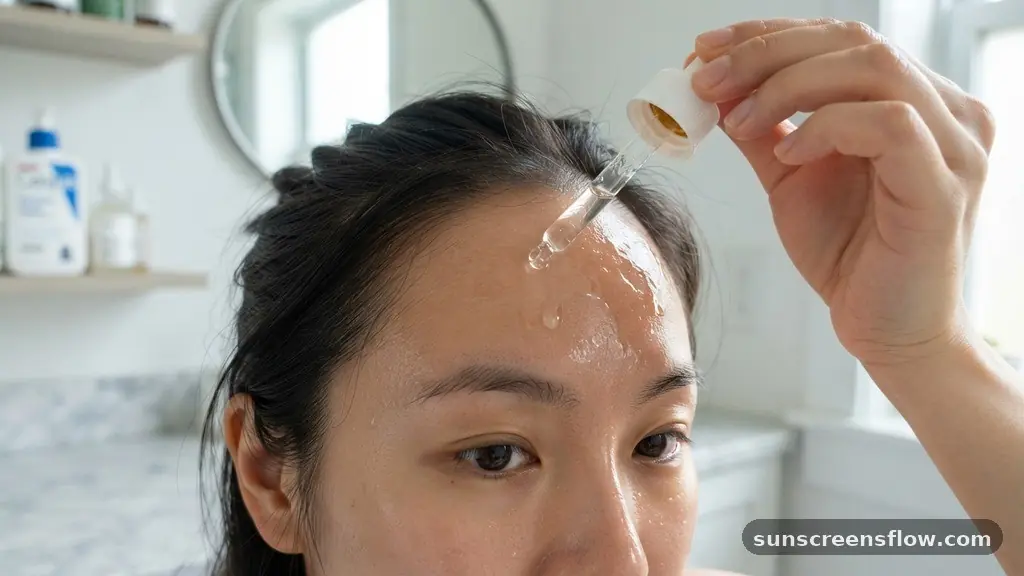
To grasp what face serum should I use, you must first understand that a serum is not a replacement for your moisturizer but rather a targeted treatment that works in tandem with it. Because they contain smaller molecules, they can bypass the top layer of the skin, making them the most effective vehicle for delivering potent compounds. Many people mistakenly think that if they have a good cleanser and moisturizer, they have a complete routine; however, serums provide the specialized care needed for long-term improvements in skin texture and tone.
When you incorporate a serum into your regimen, you are essentially providing your skin cells with the building blocks they need to function optimally. For example, if your primary concern is maintaining a healthy skin barrier function, you might look for serums rich in ceramides or lipids.
These ingredients act as the mortar between your skin cells, preventing trans-epidermal water loss and keeping environmental irritants out. Furthermore, because serums have a thin, watery consistency, they are generally non-comedogenic, meaning they won’t clog your pores, making them an excellent choice for those with acne-prone skin who might otherwise fear heavy lotions.
Selecting the Right Ingredients for Your Skin Type
The secret to choosing the right product lies in matching your specific skin concerns with the corresponding active ingredients. If you are struggling with dullness, you need an antioxidant to brighten your complexion.
If you are dealing with fine lines, you need ingredients that stimulate collagen production. The following table provides a quick reference guide for common skin concerns and the ingredients that effectively treat them.
| Skin Concern | Recommended Key Ingredient | Primary Benefit |
|---|---|---|
| Dehydration | Hyaluronic Acid | Deep hydration and plumping |
| Dullness/Dark Spots | Vitamin C | Brightening and evening skin tone |
| Aging/Fine Lines | Retinol | Cell turnover and collagen boost |
| Acne/Congestion | Salicylic Acid | Pore clearing and inflammation reduction |
| Redness/Sensitivity | Niacinamide | Calming and barrier support |
By analyzing this table, you can see that your choice should be dictated by your current physiological skin state. It is also important to note that you can use different serums at different times of the day. For instance, a brightening serum is best utilized during your morning routine, while a treatment focused on cellular repair is ideal for nighttime application.
Harnessing Vitamin C for Radiance and Protection
If you often find yourself asking what face serum should I use to look more awake and radiant, vitamin c is the industry-standard answer. As a powerful antioxidant, it neutralizes free radicals caused by pollution and UV exposure, which are the primary culprits behind premature aging.
Beyond protection, it is an essential tool for treating hyperpigmentation and dark spots. Consistent use of a high-quality vitamin C serum can lead to a visible improvement in overall skin luminosity.
However, not all vitamin C products are created equal. You should look for formulations that use L-ascorbic acid, as it is the most well-researched form of the vitamin. Because this ingredient can be unstable when exposed to light and air, opt for serums packaged in opaque, airtight bottles.
When applying, use it in the morning after cleansing and before your sunscreen. It is worth noting that some users may experience a slight tingling sensation upon application, which is typically normal, but if irritation persists, look for derivatives like sodium ascorbyl phosphate, which are gentler for sensitive skin.
The Power of Retinol for Anti-Aging and Texture
When the goal is to address fine lines, wrinkles, or uneven skin, retinol is arguably the most effective ingredient available in the over-the-counter market. This derivative of Vitamin A works by accelerating cell turnover, which naturally slows down as we age. By encouraging the skin to shed dead cells and produce new ones, retinol significantly improves skin texture and stimulates the production of collagen.
Because retinol can be potent, it is essential to introduce it slowly into your routine. Start by using it two to three times a week at night, gradually increasing frequency as your skin builds tolerance.
It is also important to note that retinol increases sun sensitivity, so wearing broad-spectrum SPF every single day is non-negotiable. If you have particularly sensitive skin, you might consider “sandwiching” the retinol by applying a light layer of moisturizer before and after the serum to buffer the impact while still receiving the benefits.
Hydration Strategies: The Role of Hyaluronic Acid
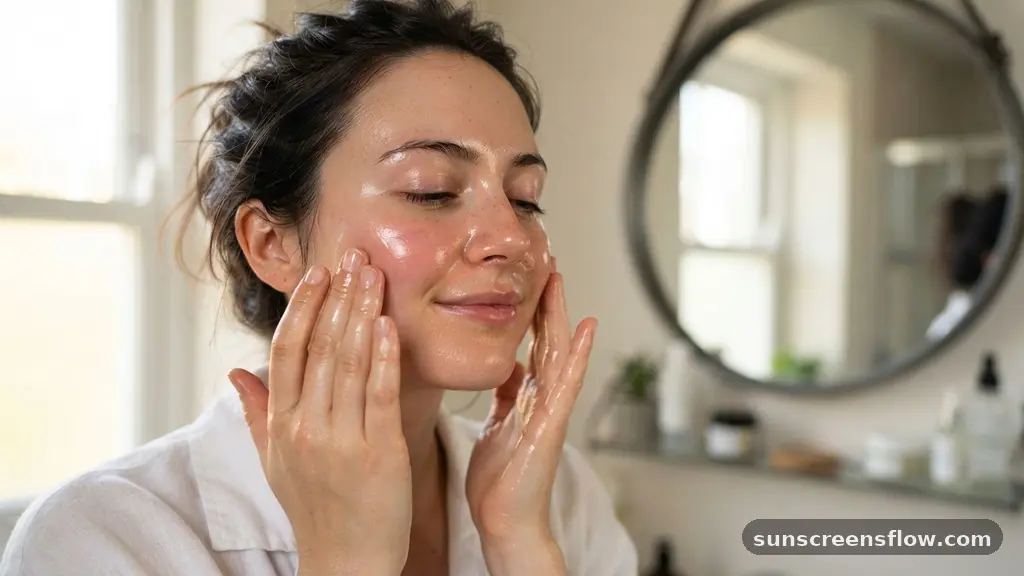
Many people suffer from tight, dehydrated skin, especially in dry climates or during winter months. Hyaluronic acid is a powerhouse humectant that can hold up to 1,000 times its weight in water. When applied to damp skin, it pulls moisture from the air and the deeper layers of the dermis to the surface, resulting in a plump, dewy appearance. This ingredient is generally safe for all skin types, including sensitive and acne-prone skin, because it is lightweight and non-irritating.
To maximize the efficacy of your hyaluronic acid serum, apply it to slightly moist skin after washing your face. Following up immediately with a moisturizer is crucial; the moisturizer acts as a sealant, preventing the water that the hyaluronic acid has attracted from evaporating back into the atmosphere. Without this step, you might actually experience more dryness, as the serum could pull moisture away from your skin if the surrounding air is very dry.
Managing Breakouts with Salicylic and Glycolic Acid
If your primary concern is congestion, blackheads, or active breakouts, you need to incorporate chemical exfoliation into your routine. Salicylic acid is a beta-hydroxy acid (BHA) that is oil-soluble, meaning it can penetrate deep into the pores to dissolve the sebum and debris that cause acne. This makes it an essential component for those with oily or blemish-prone complexions.
Alternatively, glycolic acid, an alpha-hydroxy acid (AHA), works on the surface of the skin to dissolve the bonds between dead skin cells. This is excellent for smoothing out rough patches and fading post-acne marks. You do not necessarily need to use these every single day.
In fact, over-exfoliation can compromise your skin barrier function, leading to redness and increased sensitivity. Start with a few times a week and observe how your skin responds. Always follow these treatments with a robust moisturizer to keep the skin hydrated and protected.
Niacinamide and Ceramides for Sensitive Skin
For individuals who find that many active ingredients cause stinging or irritation, niacinamide and ceramides are the gold standard for soothing and repairing the skin. Niacinamide, a form of Vitamin B3, is a versatile ingredient that helps regulate oil production, minimize the appearance of pores, and reduce redness. It is exceptionally well-tolerated by almost everyone and can be used both morning and night.
Ceramides, on the other hand, are lipids that occur naturally in the skin. As we age or use harsh cleansers, these lipids can become depleted. Using a serum infused with ceramides helps to restore the protective barrier, preventing moisture loss and blocking out external stressors.
This is particularly beneficial for those with eczema, rosacea, or chronic dryness. These ingredients provide a “calming” effect that can balance out a routine that includes more aggressive actives like retinoids or acids.
The Art of Serum Layering and Application
Once you have identified the right products, the next step is mastering serum layering. The general rule of thumb in the dermatological community is to apply products from the thinnest consistency to the thickest. This ensures that the most lightweight, water-based serums can penetrate the skin without being blocked by heavier creams or oils.
- Always start with a clean face; use a gentle cleanser to remove impurities.
- Apply your lightest, water-based serum (like hyaluronic acid) first.
- Follow with targeted treatment serums (like vitamin C or retinol).
- Allow each layer to absorb for about 30 to 60 seconds before moving to the next.
- Lock everything in with a moisturizer to prevent evaporation.
- Never skip your SPF during the day, especially when using active acids or retinoids.
It is also important to consider the concept of patch testing. Before slathering a new serum all over your face, apply a small amount to your inner forearm or behind your ear.
Wait 24 hours to ensure you do not have an adverse reaction. This simple step can save you from a full-face breakout or contact dermatitis, particularly if you have a history of allergies or reactive skin.
Addressing Topical Gaps: Common Misconceptions
A common gap in consumer knowledge is the belief that higher concentrations of active ingredients always yield better results. In reality, more is rarely better.
A 20% vitamin C serum, for instance, might cause significant irritation for some, whereas a 10% formulation provides the same benefits with much less risk of sensitivity. When deciding what face serum should I use, prioritize stability and formulation quality over high percentage claims.
Another frequent misconception is that you need a facial tonic or toner before your serum. While toners can be refreshing, they are not strictly necessary if you are using a well-formulated serum. Modern serums are often designed to be applied directly to clean skin.
Furthermore, don’t feel pressured to use a dozen different products. A streamlined routine consisting of one morning serum and one evening serum is often more effective than an inconsistent, complex routine that disrupts your skin’s natural balance. Trust the process, be patient, and give your skin at least six to eight weeks to show results from any new active ingredient.
Frequently Asked Questions
How do I know which face serum to use for my skin type?
The best way to determine the right serum is to identify your primary concern. For oily or acne-prone skin, look for salicylic acid or niacinamide. For dry or dehydrated skin, prioritize hyaluronic acid. For aging or dullness, look for vitamin C or retinol.
Which serum should I use every day?
A hydrating serum containing hyaluronic acid is generally safe and beneficial for daily use, both morning and night. Niacinamide is also excellent for daily application as it helps regulate oil and supports the skin barrier. Always pair these with a moisturizer to lock in the hydration.
Do face serums actually work?
Yes, face serums are highly effective because they contain a higher concentration of active ingredients compared to traditional moisturizers. Their small molecular structure allows them to penetrate the skin more deeply, making them the most efficient way to deliver targeted treatments for specific issues like acne or aging.
What is the best way to introduce a new serum?
Always perform a patch test on your inner forearm to check for reactions. Start by using the new serum only a few times a week, especially if it contains potent actives like retinol or acids. Gradually increase the frequency as your skin builds tolerance over several weeks.
Conclusion
Selecting the right serum is a highly personal process that requires listening to your skin’s needs rather than following trends blindly. By focusing on proven ingredients like hyaluronic acid, vitamin c, and retinol, you can effectively treat your unique concerns, from stubborn hyperpigmentation to persistent dryness. Remember that consistency is the most important factor in any skincare journey.
By following a structured approach to serum layering and maintaining a healthy skin barrier function, you will notice a significant improvement in your skin’s health and appearance over time. When you finally stop asking what face serum should I use and start implementing a routine tailored to your specific biology, you unlock the potential for a clearer, brighter, and more resilient complexion.


