


When you look at the crowded shelves of a beauty aisle, it is easy to feel overwhelmed by the sheer variety of bottled liquids. Among these, the facial serum stands out as a high-performance powerhouse designed to target specific skin concerns with precision. If you have ever wondered what does facial serum do compared to your standard lotion, the answer lies in its unique composition and delivery system.
Unlike heavier creams, these lightweight formulas are engineered to penetrate the surface of the skin more effectively, delivering a concentrated dose of nutrients exactly where they are needed most. By understanding how these products function, you can transform your daily regimen from a basic routine into a targeted treatment plan that addresses everything from dullness to fine lines.
The Science of Serum Formulation and Skin Absorption
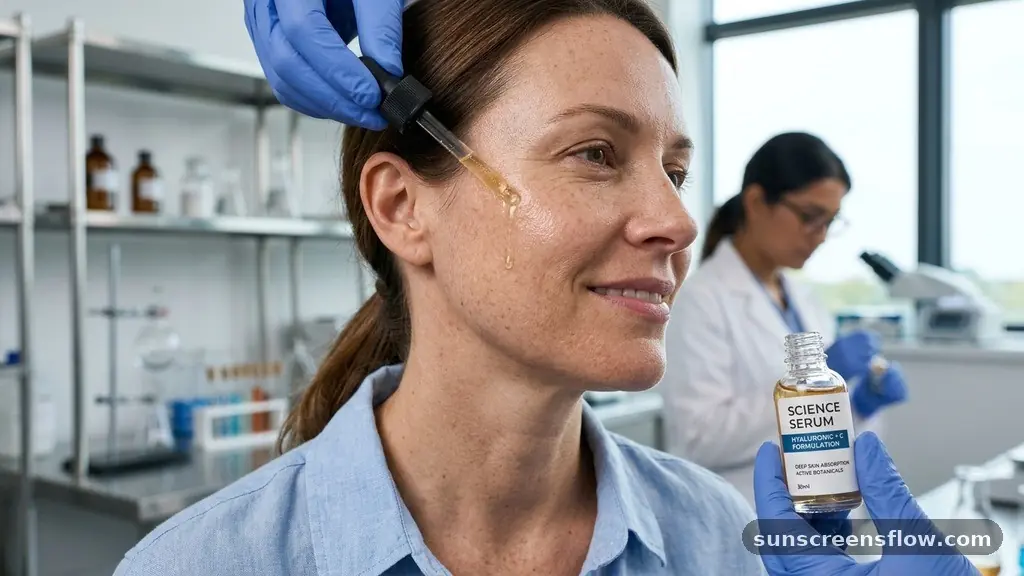
To understand what does facial serum do, one must first look at the physics of the product itself. The primary distinction between a serum and a thicker moisturizer is the molecular weight of the ingredients.
Serums are formulated with smaller molecules, allowing them to bypass the top layers of the epidermis and deliver active ingredients deeper into the dermis. This high concentration of actives—which can range from vitamins to botanical extracts—is suspended in a base that is typically water-based or oil-based but lacks the heavy occlusives found in creams.
Because they are lightweight, serums possess superior skin absorption capabilities. When you apply a serum, it sinks in almost instantly, leaving no greasy residue behind. This is crucial for layering in a skincare routine order, as it ensures that the treatment phase happens before you seal everything in with a moisturizer.
The absence of heavy fillers, such as petroleum or thick waxes, makes most quality serums non-comedogenic, meaning they are less likely to clog pores. This makes them an ideal choice for individuals with oily or acne-prone skin who still require the benefits of potent dermatological compounds without the risk of breakouts. By utilizing these targeted formulas, you are effectively feeding your skin high-potency fuel that works on a cellular level to improve overall health and appearance.
Targeting Specific Concerns with Active Ingredients
The true magic of a serum lies in its ability to focus on a singular goal. Whether you are battling hyperpigmentation, visible signs of aging, or stubborn blemishes, there is likely a serum designed to handle that exact issue. Because they are not diluted with as many emollients as moisturizers, they can pack a significantly higher percentage of active components.
For instance, if your primary goal is brightening, you might reach for a serum containing Vitamin C. This powerful antioxidant provides antioxidant protection against environmental stressors like pollution and UV rays, while simultaneously inhibiting melanin production to fade dark spots. On the other hand, if your goal is smoothing fine lines, you might look for a formula centered on retinol or peptides.
Retinol is the gold standard for stimulating collagen production and increasing cell turnover, which drastically improves skin texture over time. By choosing a product based on specific needs rather than a “one-size-fits-all” approach, you maximize the efficiency of your skincare budget and ensure that your skin receives exactly what it is craving to look its best.
Hydration Mechanics and Trans-Epidermal Water Loss
One of the most common misconceptions is that serums are only for “treating” issues like wrinkles or spots, ignoring the vital role they play in hydration. Many serums are built around humectants, with hyaluronic acid being the most famous example. Hyaluronic acid is a sugar molecule that can hold up to 1,000 times its weight in water, acting as a magnet that pulls moisture from the environment into the deeper layers of the skin.
This process is essential for preventing trans-epidermal water loss (TEWL). When your skin loses moisture to the air—a process that happens constantly throughout the day—it becomes dehydrated, leading to tightness, flaking, and a dull appearance. By applying a humectant-rich serum, you create a moisture reservoir within the skin.
However, it is vital to remember that these serums need to be “locked in.” Without a cream or oil applied afterward, the water drawn into the skin by the humectant can actually evaporate, potentially leaving the skin even drier than before. This is why the distinction between serums vs moisturizers is so important; the serum hydrates and treats, while the moisturizer seals and protects the skin barrier.
The Role of Antioxidants in Environmental Defense
We live in a world filled with invisible aggressors. From blue light emitted by screens to ozone and particulate matter in the city air, our skin is constantly under attack by free radicals.
These unstable molecules cause oxidative stress, which leads to the degradation of collagen and elastin, accelerating the aging process. A facial serum functions as a biological shield against these threats.
When you incorporate a serum rich in antioxidants—such as Vitamin C, Vitamin E, or ferulic acid—you are essentially neutralizing these free radicals before they can cause damage. Think of it as an insurance policy for your face. While sunscreen is the primary defense against UV rays, an antioxidant serum acts as a secondary defense, catching any damage that might slip through the cracks.
Consistent use of these protective serums leads to a more resilient complexion that can better withstand the rigors of daily life. Over time, this cumulative protection manifests as skin that looks firmer, brighter, and significantly more youthful, as the structural integrity of the skin remains intact rather than being broken down by external factors.
Addressing Skin Texture and Exfoliation
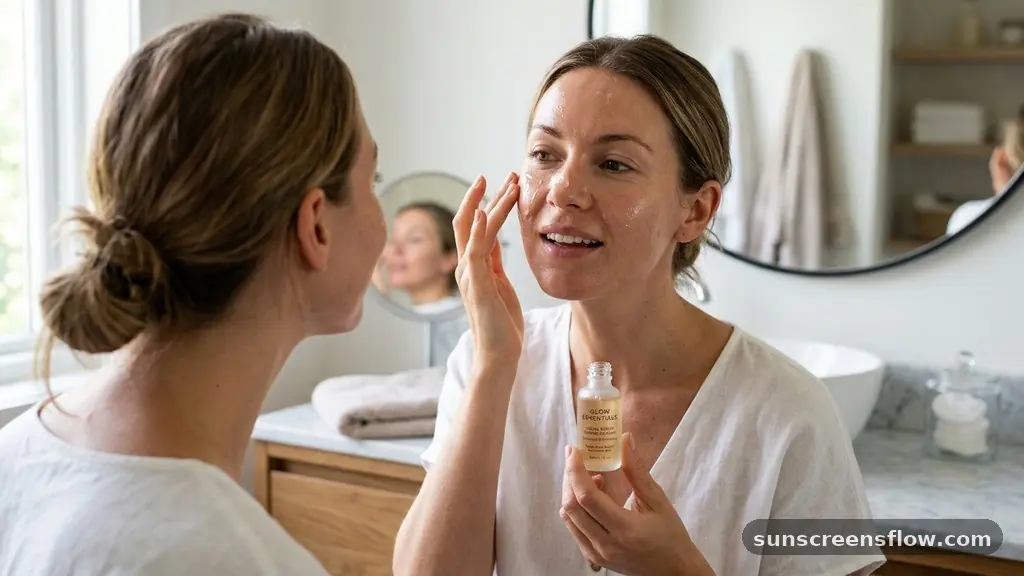
If you struggle with rough patches, enlarged pores, or uneven surfaces, you are likely dealing with a buildup of dead skin cells. This is where serums containing chemical exfoliants come into play. Unlike physical scrubs, which can be abrasive and cause micro-tears, serums containing salicylic acid or alpha-hydroxy acids (AHAs) provide a controlled, chemical approach to exfoliation.
Salicylic acid, a beta-hydroxy acid, is oil-soluble, allowing it to penetrate deep into the pore lining to dissolve the “glue” holding dead cells together and clear out excess sebum. This is incredibly effective for those prone to blackheads or congestion. Meanwhile, AHAs like glycolic or lactic acid work on the surface to dissolve the bonds between dead cells, revealing the fresh, glowing skin beneath.
By incorporating these serums into your routine, you are effectively resurfacing your skin without the harshness of a mechanical scrub. The result is a smoother, more refined complexion where makeup applies more evenly and light reflects more beautifully off the surface of your face.
Comparing Serums and Moisturizers
Many people ask if they really need both products, or if a moisturizer is sufficient on its own. To answer this, it helps to look at the functional differences between the two categories.
| Feature | Facial Serum | Moisturizer |
|---|---|---|
| Primary Function | Targeted treatment/Active delivery | Sealing/Hydration/Barrier repair |
| Consistency | Lightweight, liquid or gel | Creamy, thick, emollient |
| Absorption | Rapid, deep penetration | Slower, sits on the surface |
| Key Ingredients | High-potency actives (Retinol, Vitamin C) | Ceramides, fatty acids, occlusives |
As the table illustrates, these products serve different roles. A moisturizer is primarily concerned with the skin barrier—the outer layer that keeps irritants out and moisture in. It often contains ceramide and lipid-rich ingredients to mimic the skin’s natural oils.
A serum, conversely, is the “active” part of your regimen. If your skin were a house, the moisturizer would be the walls and roof protecting you from the elements, while the serum would be the high-tech electrical system and plumbing that keeps the house functioning efficiently. You need both to ensure your skin is not just protected, but also actively improving.
Topical Gaps: What You Might Be Missing
A common gap in skincare knowledge involves the timing and frequency of application. Many users treat serums like a luxury rather than a necessity, or they apply them in the wrong order, effectively wasting expensive product.
Another major gap is the failure to address the “synergy” between products. For example, many people use Niacinamide and Vitamin C together, not realizing that if the pH levels are not balanced, they can cause unnecessary irritation or cancel each other out.
Another often overlooked aspect is the importance of neck and chest application. Your face does not stop at your jawline, yet many people neglect these areas. The skin on the neck is thin and prone to losing elasticity just as quickly as the face.
Applying your treatment serums to your neck and décolletage is a professional secret for maintaining a consistent, youthful appearance. Additionally, there is a gap in understanding that “more is not better.”
Because serums are highly concentrated, using an entire dropper full of product is often unnecessary and can lead to a sticky, pilled-up finish. A few drops, warmed in the palms and pressed into damp skin, is usually the optimal amount for full-face coverage.
Developing a Sustainable Routine
Integrating a serum into your life should not be complicated. The goal is consistency. Whether you are using a calming niacinamide serum to reduce redness or a hydrating formula to plump the skin, the benefits are cumulative.
- Cleanse your skin thoroughly to remove impurities.
- Apply a toner if desired to balance your skin’s pH.
- Dispense 3-4 drops of your serum into your palms.
- Gently press the serum into the skin rather than rubbing it vigorously.
- Wait 60 seconds for it to absorb fully.
- Follow with your preferred moisturizer to seal in the hydration.
- In the morning, always finish with broad-spectrum sunscreen.
By following this simple structure, you ensure that the active ingredients have the best chance to penetrate and work their magic. Remember that skincare is a marathon, not a sprint.
While some serums, like those focused on instant hydration, provide immediate results, others—particularly those targeting collagen or hyperpigmentation—require weeks of daily use before the changes become visibly apparent. Patience is the most important ingredient in any effective regimen.
Frequently Asked Questions
Is it necessary to use a facial serum every day?
Yes, for most active-based serums, consistency is essential for results. Because these products are designed to influence cellular behavior or provide constant protection against environmental stressors, using them daily ensures your skin maintains a steady supply of beneficial nutrients to stay healthy and resilient over time.
Can I use multiple serums at the same time?
You can use multiple serums, but it is best to layer them from thinnest to thickest consistency. However, be cautious when mixing strong actives like retinol and high-strength acids, as this can lead to irritation. It is often better to use one in the morning and one at night.
Do serums really work better than moisturizers?
Serums and moisturizers serve different purposes. Serums work better at delivering concentrated actives into the deeper layers of the skin, while moisturizers are superior at protecting the surface and preventing water loss. They are designed to complement each other, not to compete for the same role.
Are there any downsides to using facial serums?
The main disadvantage is the potential for irritation if you choose a formula that is too strong for your skin type or if you use too many actives at once. Always perform a patch test when trying a new serum to ensure your skin tolerates the specific concentration of ingredients.
Conclusion
Ultimately, understanding what does facial serum do is the key to unlocking your skin’s full potential. These specialized treatments bridge the gap between simple hygiene and advanced dermatological care. By delivering concentrated, high-performance ingredients deep into the epidermis, they allow you to address your specific concerns with precision and efficiency.
Whether you are seeking the antioxidant protection of Vitamin C, the smoothing effects of retinol, or the deep hydration of hyaluronic acid, there is a serum formulated to help you achieve your aesthetic goals. By integrating these products into a consistent routine—paired with proper moisturization and sun protection—you provide your skin with the tools it needs to remain vibrant, healthy, and resilient against the passage of time and the challenges of the environment. Remember to listen to your skin, start slowly with new actives, and enjoy the transformative journey toward a more radiant complexion.


