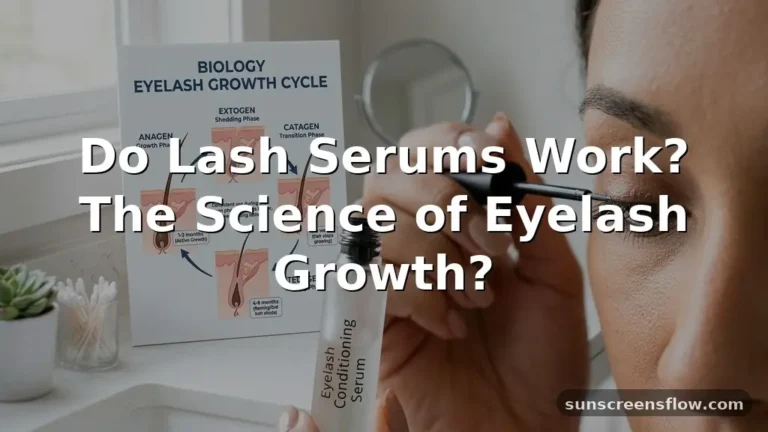


Achieving longer, fuller, and healthier-looking lashes often comes down to the precision of your application process. Learning how to apply lash serum effectively is the difference between seeing a dramatic transformation in your lash density and experiencing frustration due to wasted product or potential irritation.
While many people view these serums as a “set it and forget it” beauty product, the reality is that the biology of your eyelash follicles requires a consistent and strategic approach to derive any real clinical efficacy. Whether you are using peptide-based serums or formulas containing prostaglandin analogs, the method of delivery remains the primary factor in determining whether the active ingredients actually penetrate the skin to reach the hair root.
Understanding the Lash Growth Cycle and Serum Function
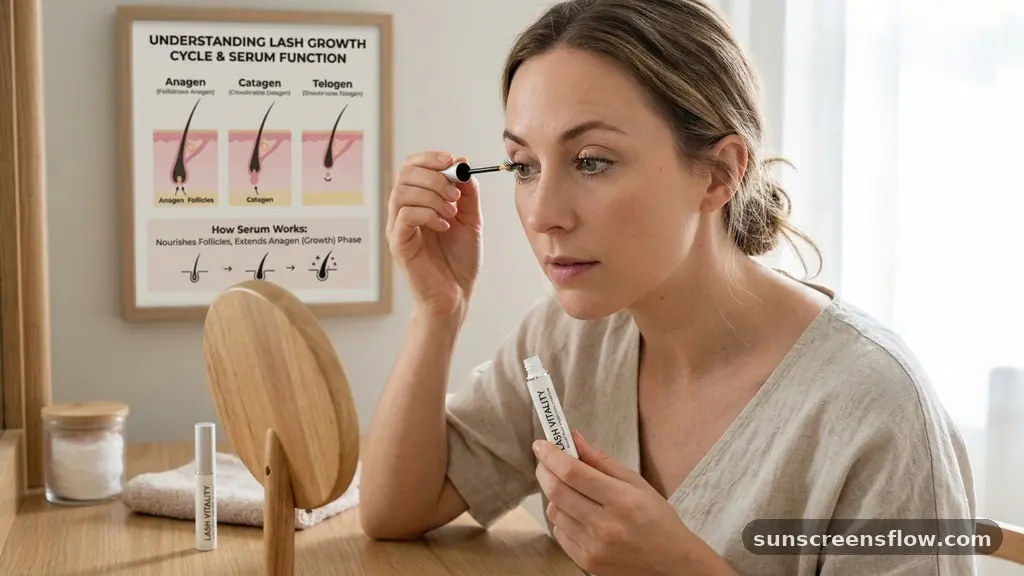
To master the application process, you must first understand the biology of your lashes. Your lashes undergo a continuous lash growth cycle consisting of three distinct phases: the anagen phase (active growth), the catagen phase (transition), and the telogen phase (resting).
Serum ingredients generally work by prolonging the anagen phase, allowing the hair to reach a longer length before it naturally sheds. When you apply a serum, you are essentially feeding the eyelash follicles with nutrients, peptides, or stimulating compounds during their most vulnerable and receptive state.
Many users fail to see results simply because they interrupt this cycle through inconsistent use or poor application techniques. If you do not apply the product directly to the lash line, the ingredients cannot effectively reach the follicle. Furthermore, understanding that there are dormant follicles along your lash line explains why some areas might seem sparse.
Consistent application over a period of 8 to 12 weeks is necessary to stimulate these areas and see a noticeable improvement in overall volume. By respecting the biological timeline of your hair growth, you set realistic expectations and maintain the discipline required for success.
Preparing Your Eyes for Serum Application
The foundation of a successful application is a clean canvas. Before you even touch the product, your eyelids must be free of oils, dirt, and residual makeup. If your skin is coated in sebum or remnants of a heavy night cream, the serum absorption rate drops significantly because the barrier prevents the active ingredients from reaching the eyelash follicles.
You should always start by washing your face with an oil-free cleanser. Oil-based products can leave a film on the skin that acts as a physical barrier, rendering your expensive serum ineffective.
If you wear contact lenses, it is standard professional advice to remove them before applying your serum. Even with high-quality, dermatologist-tested formulas, there is a risk of the liquid migrating into the eye or adhering to the lens material, which can lead to discomfort or ocular irritation.
If you are a first-time user, it is also highly recommended to perform a patch test on your inner forearm or behind your ear. This is especially important for those with sensitive skin, as it allows you to monitor for any allergic reaction or redness before applying the product to the delicate skin of the eyelid margin.
Step-by-Step Application Technique
When you are ready to apply the serum, precision is your best friend. Most products come with a sterile applicator, which is designed to deposit the perfect amount of liquid exactly where it is needed. Do not be tempted to double-dip the wand; the amount collected on the brush upon pulling it out of the tube is usually sufficient for both eyes.
1. Start by ensuring your eyelid is dry.
2. Use the applicator to draw a thin, even line along the base of your upper lashes.
Think of it like applying liquid eyeliner, but focus on the skin right at the lash root rather than the lashes themselves.
3. Once the upper lash line is coated, close your eye for a moment to allow the product to settle.
4.
If your specific product instructions allow, you may apply a tiny amount to the lower lash line, though caution is advised here as the skin is thinner and more prone to irritation.
5. Wait at least 90 seconds for the serum to dry completely before applying any other eye creams or moisturizers to your beauty routine.
By following these steps, you minimize the risk of serum residue dripping into your eyes, which is the most common cause of stinging or redness.
Common Mistakes to Avoid During Application
Even with the best products, common errors can sabotage your progress. One of the most frequent mistakes is overloading the applicator. Many users assume that more product equals faster growth, but this is a misconception.
Excess serum will not be absorbed by the eyelash follicles; instead, it will sit on the skin or run into the eyes, increasing the likelihood of ocular irritation. If you find that your eyes look puffy or feel heavy in the morning, you are likely using too much product.
Another major mistake is applying the serum over makeup. Applying a treatment over mascara or eyeliner is essentially useless, as the product cannot penetrate the layers of pigment and wax. Furthermore, using a waterproof mascara during the day can make it harder to clean your lashes at night, leading to residue buildup that blocks the follicles.
You must commit to a thorough cleansing ritual every evening using a gentle makeup remover to ensure that your pores and follicles are clear for the next dose of serum. Consistency is key, but it must be paired with clean, unobstructed skin to function as intended.
The Role of Ingredients in Lash Health
Not all lash serums are created equal, and the ingredients list should dictate how you handle the product. Peptide-based serums are generally considered the gentlest option, as they work by conditioning the hair shaft and supporting the follicle structure with amino acids. These are great for daily, long-term maintenance and are less likely to cause irritation.
On the other hand, serums containing prostaglandin analogs are chemically designed to stimulate growth more aggressively. While highly effective, these require extra caution during application to avoid contact with the surrounding skin, as they can sometimes cause darkening of the eyelid skin or hyperpigmentation if used incorrectly.
Ingredients like hyaluronic acid are often included to provide hydration, which prevents the lashes from becoming brittle and breaking. This is particularly important because as your lashes grow longer, they are more susceptible to mechanical damage from rubbing your eyes or using an eyelash curler.
When choosing a product, look for formulas that emphasize dermatological safety and have been tested for ophthalmological compatibility. By understanding what is in your bottle, you can better tailor your application technique to suit the potency of the formula.
Managing Sensitive Skin and Ocular Health
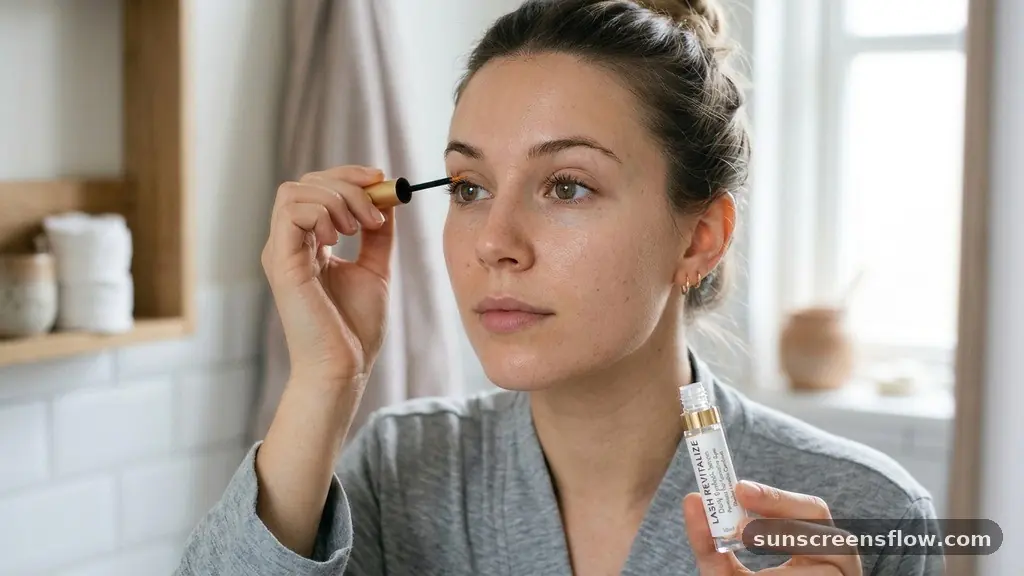
If you have sensitive skin, the area around the eyelid margin can be incredibly reactive. Many people experience temporary redness or a slight tingling sensation when first starting a new serum. This is often a sign that the active ingredients are potent, but it should never be painful.
If you experience significant itching, burning, or swelling, discontinue use immediately and consult a professional. To mitigate these risks, always apply the serum sparingly. You only need a very thin layer; the skin will absorb what it needs, and the rest is simply waste.
Ocular health is paramount. If you ever feel that the serum has entered your eye, rinse it immediately with cool water or saline solution. To further protect your eyes, avoid applying the serum too close to the inner corner of the eye, where the tear ducts are located.
This area is highly absorbent, and product migration is much more likely to occur there. By staying focused on the outer two-thirds of the lash line, you can achieve the desired lash density while keeping the sensitive inner corner of your eye clear and comfortable.
Strategic Application for Bottom Lashes
The question of whether to apply serum to the lower lashes is common. While many products are formulated primarily for the upper lashes, you can safely treat the lower lashes if you are careful.
The key is to use an extremely small amount of product. Because the lower lash line is very close to the eye, there is a much higher risk of the serum migrating into your eye when you blink.
If you decide to treat the lower lashes, do so only after the upper lash application has dried. Use the very tip of the sterile applicator to lightly touch the base of the lower lashes. Do not coat them as heavily as you would the upper lashes.
If you notice any irritation, stop the lower lash application immediately. For most people, the natural transfer of serum from the upper lashes to the lower lashes during sleep is sufficient to see some benefit without the added risk of direct application.
Integrating Serum into Your Beauty Routine
Consistency is the cornerstone of any effective beauty routine. Because the lash growth cycle takes time, you will not see overnight results.
This is why it is best to incorporate your serum application into a stable habit, such as your nighttime skincare ritual. By placing the serum next to your toothbrush or your nightly moisturizer, you serve yourself a visual reminder to use it daily.
It is important to note that consistent application does not mean applying it twice a day. Most manufacturers recommend once-daily application, usually at night.
Applying it more frequently does not speed up the growth process; it only increases the likelihood of product runoff and potential side effects. Once you have reached your desired lash length, you can often switch to a maintenance schedule of three to four times per week, but be sure to follow the specific instructions provided by the brand, as some formulas require continuous daily use to maintain the results.
Comparing Serum Types and Application Needs
Different types of lash serums require slightly different handling techniques to ensure maximum efficacy. Below is a comparison of the primary categories of lash serums found on the market today.
| Serum Type | Primary Focus | Application Frequency | Risk Level |
|---|---|---|---|
| Peptide-Based | Conditioning & Strength | Daily | Low |
| Prostaglandin Analogs | Growth Stimulation | Daily | Moderate |
| Natural/Botanical | Hydration & Health | Daily/Twice Daily | Very Low |
| Vitamin-Infused | Nourishment | Daily | Low |
Understanding these differences helps you manage your expectations. A peptide-based serum will likely result in healthier, thicker-looking lashes over time, whereas a prostaglandin-based formula is designed for structural growth. Choose the product that aligns with your specific goals and your sensitivity level.
Topical Gaps: Addressing Common User Concerns
There are several areas where standard advice often falls short. One common gap is the use of waterproof mascara while undergoing a lash serum treatment.
Many users do not realize that the harsh chemicals required to remove waterproof mascara can strip the lashes of the very nutrients the serum is trying to provide. If you are serious about your lash health, try to switch to a water-resistant or tubing mascara that can be removed with warm water or a gentle cleanser.
Another gap is the impact of environmental factors. If you live in a very dry climate or work in an office with heavy air conditioning, your lashes may become brittle. Pairing your serum with a hydrating eye cream (applied carefully to the orbital bone, not the lash line) can help maintain the overall health of the eye area.
Finally, remember that your health matters. Stress, poor nutrition, and hormonal fluctuations can all impact your lash growth cycle. If you have been using a high-quality serum for months with no results, it may be worth looking at your overall health rather than blaming the product.
Frequently Asked Questions
Do I really need to use lash serum every single day?
Yes, consistency is vital. The active ingredients in lash serums work by interacting with the follicles during specific phases of the hair growth cycle. Skipping days disrupts this process, making it difficult for the serum to maintain the necessary concentration of nutrients required to stimulate growth effectively.
Can I apply makeup immediately after using lash serum?
No, you should allow the serum to dry completely before applying any makeup. Applying mascara or eyeliner over wet serum will cause the product to smudge, dilute its efficacy, and potentially drag bacteria into your lash line. Wait at least 90 seconds to two minutes for full absorption.
Is it safe to use lash serum if I have sensitive eyes?
It can be safe, provided you choose a formula specifically labeled for sensitive eyes or one that is ophthalmologist-tested. Always perform a patch test first. If you experience persistent redness, itching, or swelling, discontinue use immediately as these are signs of an adverse reaction to the ingredients.
Does the serum expire or lose its effectiveness over time?
Yes, lash serums have a shelf life, typically ranging from three to six months after opening. Using an expired product can lead to bacterial contamination, which increases the risk of eye infections. Always check the PAO (Period After Opening) symbol on the packaging to ensure your product remains safe.
Conclusion
Mastering how to apply lash serum is an essential skill for anyone looking to enhance their natural beauty without the constant need for extensions or false lashes. By focusing on a clean, oil-free application, respecting the delicate nature of your eyelash follicles, and maintaining a strict, consistent routine, you can significantly improve your lash density and overall hair health.
Remember that success with these products is a marathon, not a sprint; it requires patience, the correct application technique, and a commitment to protecting your eye health throughout the process. When you treat your lash care with the same level of attention as the rest of your beauty routine, the results will speak for themselves, giving you the long, lush lashes you desire while keeping your eyes safe and comfortable.