


Incorporating how to use CeraVe retinol serum into your daily regimen is a transformative step for those looking to improve their complexion. Because retinol is a potent form of topical vitamin A, it works by accelerating cellular turnover, which helps address concerns ranging from post-acne marks to uneven skin texture.
However, because this ingredient is highly active, the method of application is just as important as the product itself. Whether you are a skincare novice or a seasoned enthusiast, understanding the nuances of application, frequency, and ingredient layering ensures you reap the benefits while maintaining a healthy, resilient skin barrier.
Understanding the Role of Encapsulated Retinol
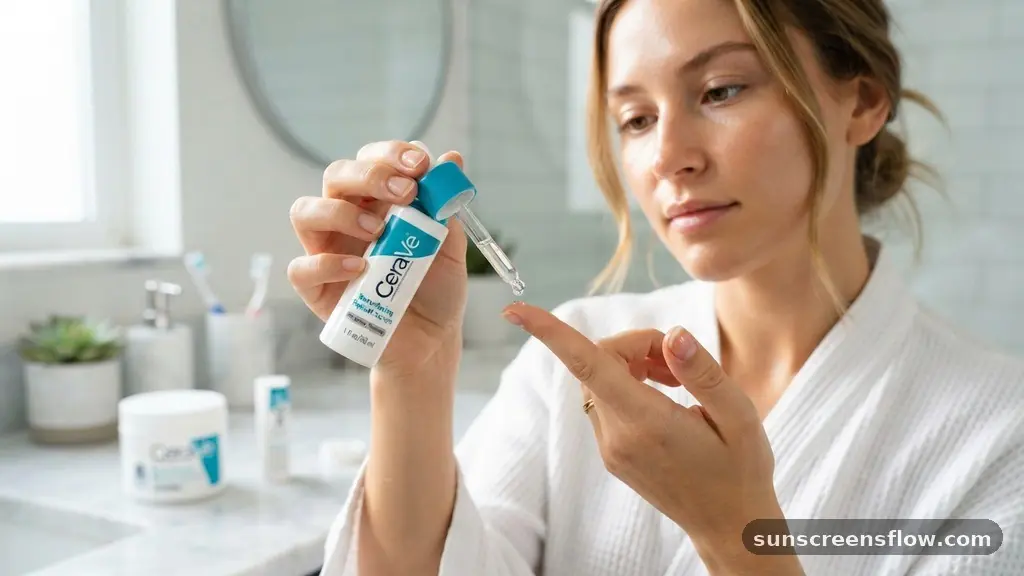
The primary active component in CeraVe’s formula is encapsulated retinol. Unlike traditional retinol formulations that can sometimes cause immediate irritation or instability, encapsulation technology protects the integrity of the ingredient until it reaches the deeper layers of the epidermis.
This controlled-release mechanism is a game-changer for those who are typically sensitive to standard retinoids. By slowly releasing the active agent over time, the serum minimizes the potential for stinging or excessive redness, making it a more accessible entry point for beginners.
When you apply this serum, the encapsulated retinol penetrates the skin to stimulate collagen production and promote the shedding of dead skin cells. This process is essential for tackling photoaging—the premature aging of the skin caused by cumulative sun exposure.
By smoothing out fine lines and promoting a more uniform complexion, the serum acts as a catalyst for long-term skin health. It is important to remember that because this is an active treatment, consistency is the key factor in seeing visible results, which typically manifest after several weeks of dedicated use.
The Importance of Ceramides and Niacinamide
One of the standout features of CeraVe products is the inclusion of essential ceramides. These are lipids that naturally exist in your skin, acting as the “glue” that holds your cells together and keeps moisture locked in.
When you introduce a strong active ingredient like retinol, your skin can become temporarily dehydrated or compromised. The presence of ceramides in this serum helps to reinforce the skin barrier, ensuring that as the retinol works to resurface the skin, the protective layer remains intact and hydrated.
Complementing these lipids is niacinamide, a form of Vitamin B3 that is widely praised in the dermatological community for its calming and brightening properties. Niacinamide plays a dual role here: it helps to soothe the skin during the adjustment phase of retinization and works to regulate sebum production. If you are using the serum to target post-acne marks, the combination of retinol and niacinamide is particularly effective.
While the retinol works to resurface the skin, the niacinamide helps to reduce inflammation and even out skin tone. This synergistic blend makes the product highly effective for those dealing with both blemishes and texture issues simultaneously.
Integrating the Serum into Your Evening Skincare Routine
Because retinol increases photosensitivity, it is non-negotiable that you include this product only as part of your evening skincare routine. During the day, your skin is exposed to UV rays that can deactivate the retinol and potentially lead to irritation if the skin barrier is already sensitized. By applying the serum at night, you allow the active ingredients to work in tandem with your skin’s natural overnight repair cycle.
To properly integrate the serum, start with a clean, dry face. Using a gentle, pH-balanced cleanser is recommended to ensure you aren’t stripping your skin before applying the treatment. Once your face is dry—damp skin can increase the absorption rate of retinol, which may lead to irritation—apply a pea-sized amount of the serum.
Focus on areas of concern, such as the forehead, cheeks, or chin, while avoiding the delicate eye area unless the product is specifically formulated for it. Let the serum absorb completely before moving on to the next step of your regimen.
The Art of Moisturizing and Layering
A common mistake users make is skipping hydration, but moisturizing is perhaps the most critical step when using any form of retinol. After the serum has fully absorbed into the skin, follow up with a high-quality night cream.
This step provides an occlusive layer that prevents transepidermal water loss and creates a buffer for the active ingredients. If you have particularly sensitive skin, you might consider the “sandwich method,” where you apply a thin layer of moisturizer, then the retinol serum, and then another layer of moisturizer.
In addition to your standard moisturizer, incorporating hyaluronic acid can be a massive benefit. Hyaluronic acid is a humectant that draws moisture into the skin, offsetting the drying effects often associated with cell-turning agents.
By keeping the skin plump and hydrated, you reduce the likelihood of experiencing the “flakiness” that sometimes occurs during the initial adjustment period. Remember that the goal is to keep the skin comfortable; if you feel tightness, reach for a thicker, barrier-repairing moisturizer to seal in the goodness.
Managing Skin Purging and Retinization

When you first start using a retinoid, you may experience a period known as retinization. This is the process during which your skin adjusts to the increased rate of cellular turnover. During this time, you might notice mild redness, dryness, or even a phenomenon called skin purging.
Purging occurs when the retinol brings underlying congestion, such as micro-comedones, to the surface more quickly than usual. It is important to distinguish this from a negative reaction or an allergic breakout.
Purging is usually temporary and tends to occur in areas where you are prone to breakouts. If you experience this, do not stop using the product immediately. Instead, decrease your frequency of application.
For instance, if you were applying it every night, drop back to twice or three times a week. This gives your skin the necessary recovery time to build tolerance.
Once your skin feels resilient again, you can slowly increase the frequency of use. Patience is the ultimate virtue when it comes to long-term skincare transformation.
The Role of Sunscreen and UV Protection
Since retinol promotes skin resurfacing by removing the outermost layers of dead skin cells, your skin becomes significantly more vulnerable to the sun. This is why daily sunscreen application is not optional—it is a mandatory component of using this serum. Even on cloudy days, UV rays can penetrate the skin, leading to further damage and hyperpigmentation, which effectively cancels out the benefits of your nighttime treatment.
Choose a broad-spectrum sunscreen with an SPF of at least 30. Because you are using a product that encourages cell turnover, your new, fresh skin is essentially “younger” and less protected than the layers that were shed.
Failing to protect this new skin can lead to increased photoaging and dark spots, which is the exact opposite of the results you are seeking. Make your morning sun protection as habitual as brushing your teeth to ensure your results are protected throughout the day.
Addressing Topical Gaps: Common Pitfalls
Many users struggle because they treat retinol like a standard moisturizer. One major gap in existing advice is the failure to account for other active ingredients in the routine. You should avoid using high-strength AHAs (alpha hydroxy acids), BHAs (beta hydroxy acids), or vitamin C serums at the same time as your retinol.
These ingredients can cause excessive exfoliation, leading to a compromised barrier and intense burning. If you wish to use these ingredients, it is best to alternate them on different nights or use them in the morning while reserving the retinol for the evening.
Another gap is the reliance on the product to solve skin issues overnight. Retinol is a long-term investment. You will not see a total transformation in three days.
It takes roughly 8 to 12 weeks of consistent use to see significant changes in skin texture and the fading of post-acne marks. Some users also forget to perform a patch testing step.
Before applying the serum to your entire face, apply a small amount to your inner arm or behind your ear to check for any severe reaction. This simple step can save you from widespread irritation if your skin does not agree with the specific formulation.
Key Features and Comparison Table
When selecting a retinol, it is helpful to understand what sets specific formulas apart. CeraVe is generally known for being non-comedogenic and fragrance-free, which are critical markers for anyone with reactive or acne-prone skin. The following table highlights why these features are essential for a successful skincare experience.
| Feature | Benefit to the User |
|---|---|
| Non-comedogenic | Ensures the product does not clog pores or cause acne breakouts. |
| Fragrance-free | Reduces the risk of allergic contact dermatitis or skin irritation. |
| Encapsulated Delivery | Provides steady, controlled release to minimize initial stinging. |
| pH-Balanced | Maintains the skin’s natural acidic mantle for barrier health. |
Beyond these technical features, the inclusion of licorice root extract in some formulations adds an extra layer of soothing benefits. This botanical ingredient is known for its ability to brighten the complexion and reduce inflammation, making it a perfect partner for the heavy lifting done by the retinol.
Best Practices for Consistent Results
To maximize the efficacy of your serum, follow these structured steps every time you prepare for your evening routine. Consistency is the foundation of any successful skincare journey, especially when working with high-performance ingredients.
- Cleanse your face using a gentle, fragrance-free cleanser to remove makeup and debris.
- Pat your skin dry with a clean towel; ensure no moisture remains to prevent rapid absorption.
- Dispense a pea-sized amount of the retinol serum onto your fingertips.
- Dot the product onto your forehead, cheeks, and chin, then gently smooth it over your face.
- Avoid the immediate eye area and the corners of the nose, where skin is thinner and more sensitive.
- Allow the product to sit for at least 5-10 minutes to absorb fully before applying a moisturizer.
- If you are new to retinol, start by applying it only two nights a week and observe your skin’s reaction.
By following these steps, you minimize the risk of irritation while ensuring that the active ingredients have the best possible environment to perform their function. Remember that dermatological testing has confirmed the safety of these ingredients, but your individual skin is unique. If you experience persistent redness, stop use and consult a professional.
Frequently Asked Questions
Can I use CeraVe retinol serum every day?
Most experts recommend starting slowly. Use the serum two or three times a week during the first few weeks. If your skin shows no signs of irritation, you can gradually increase the frequency to every other night or eventually every night, depending on your skin’s tolerance levels.
Should I apply the serum before or after my moisturizer?
It is generally recommended to apply the serum before your moisturizer. This allows the active ingredients to penetrate the skin directly. However, if you have very sensitive skin, applying a thin layer of moisturizer first can act as a buffer, which is known as the “sandwich method.”
What should I never mix with retinol?
Avoid using strong chemical exfoliants like AHAs (glycolic or lactic acid) or BHAs (salicylic acid) at the same time as your retinol. Additionally, avoid using high-concentration Vitamin C in the same application, as these combinations can increase the risk of irritation and compromise your skin barrier.
Does the serum help with active acne or just scars?
The serum is primarily designed for skin resurfacing and addressing post-acne marks and texture. While it can help keep pores clear, it is not a spot treatment for active, inflamed acne. If you have severe acne, consult a dermatologist for a more specialized treatment plan.
Conclusion
Mastering how to use CeraVe retinol serum requires a blend of patience, proper layering, and dedicated sun protection. By understanding the science behind encapsulated retinol, niacinamide, and ceramides, you are better equipped to navigate the journey toward smoother, more radiant skin. Always prioritize the health of your skin barrier by moisturizing effectively and listening to your skin’s needs, especially during the initial phase of retinization.
By integrating these best practices into your evening skincare routine and maintaining a consistent, long-term approach, you can successfully minimize the signs of photoaging and improve your overall skin texture. Remember that the path to better skin is a marathon, not a sprint; stay consistent with your sun protection, be gentle with your application, and allow your skin the time it needs to transform.


