


Incorporating an eye serum into your daily skincare routine is one of the most effective ways to address specific concerns in the delicate periorbital area. Unlike thicker creams, a high-quality eye serum is formulated with a higher concentration of active ingredients, designed to penetrate the epidermis and deliver targeted results.
Learning how to use eye serum correctly ensures that you maximize the absorption rate of these potent actives, whether you are targeting persistent dark circles, fine lines like crow’s feet, or morning puffiness. Because the skin around your eyes is significantly thinner than the skin on the rest of your face, it requires a specialized approach—one that balances efficacy with extreme gentleness to maintain the integrity of your skin barrier.
Understanding the Anatomy and Needs of the Periorbital Area

The skin surrounding your eyes is the thinnest on the human body, lacking the same density of oil glands and collagen support found elsewhere. This unique anatomy makes the region highly susceptible to environmental stressors, dehydration, and the natural aging process.
When you learn how to use eye serum, you are essentially providing a concentrated delivery system of nutrients to a zone that cannot support heavy, occlusive formulas. Ingredients like hyaluronic acid work by drawing moisture into the deeper layers of the dermis, while peptides act as messengers to encourage collagen production.
Furthermore, the periorbital area is prone to fluid retention, which manifests as visible bags or swelling. By using a serum, you provide the skin with lightweight hydration that doesn’t weigh down the tissue, which is a common mistake when people use heavy, greasy creams that can actually exacerbate swelling.
Understanding that this area has a specific pH balance is also crucial; using products that are too acidic or alkaline can lead to irritation, redness, and a compromised moisture barrier. When you treat this area with the respect its fragility demands, you set the stage for long-term skin health and a more refreshed appearance.
Mastering the Application Technique: The Tapping Motion
The most common error users make is rubbing or pulling the skin during application. This mechanical stress can lead to sagging and irritation over time. Instead, the gold standard for applying any treatment to the eyes is the tapping motion.
By using your ring finger, you naturally apply the least amount of pressure, which is ideal for the delicate orbital region. You should gently tap the serum along the orbital bone rather than applying it directly to the lash line or the eyelid itself.
The orbital bone acts as a natural boundary. Once the serum is placed on the bone, the product will naturally migrate slightly upward as it warms to your skin temperature, ensuring the skin receives the benefits without the risk of the product entering the eye and causing discomfort.
This tapping technique also serves a secondary purpose: it acts as a mild form of lymphatic drainage. By gently stimulating the skin, you help encourage the movement of stagnant fluids that contribute to the appearance of under-eye bags, making the area look more awake and less congested.
The Role of Active Ingredients in Eye Serums
Eye serums are distinguished from creams by their sophisticated ingredient profiles. When you choose a product, you are often looking for specific molecules that address your unique concerns. Retinol is a powerhouse for smoothing crow’s feet, but it must be used with caution; because it increases cell turnover, it can be drying, so it is often paired with soothing agents. Vitamin C is the go-to for brightening dark circles caused by hyperpigmentation, while caffeine is a vasoconstrictor that excels at reducing puffiness by tightening the blood vessels.
Niacinamide is another star ingredient, known for its ability to strengthen the skin barrier and soothe inflammation. Many modern serums also include hyaluronic acid to ensure the skin remains plump and hydrated, preventing the “crepey” look that often comes with dehydration.
When selecting an eye serum, look for non-comedogenic formulas to ensure that the product does not clog pores or lead to the formation of milia—small, white bumps that can occur when the skin is overwhelmed by heavy, occlusive ingredients. Always check the ingredient list to ensure it aligns with your specific skin goals and sensitivity levels.
Timing and Layering: When to Apply Eye Serum
A frequent question among skincare enthusiasts is whether the serum goes on before or after other products. The general rule of thumb for skincare layering is to apply products from the thinnest consistency to the thickest.
Therefore, your eye serum should be applied after cleansing and toning, but before your heavier moisturizer. If you apply a thick cream first, you create an occlusion layer that prevents the serum from penetrating the skin, effectively rendering your expensive treatment useless.
In the morning, your routine should prioritize protection. After your serum has fully absorbed—usually after 60 seconds—you can apply a gentle eye cream if needed, followed by your sunscreen. Sun protection is non-negotiable, as UV exposure is the primary culprit behind collagen breakdown and the deepening of fine lines.
At night, you have the luxury of using slightly more restorative ingredients, such as encapsulated retinol or thicker peptide-rich formulas. Regardless of the time of day, consistency is the key to seeing results; the skin requires time to repair, and skipping applications will significantly delay the visible benefits of your chosen serum.
The Importance of Patch Testing for Sensitive Eyes
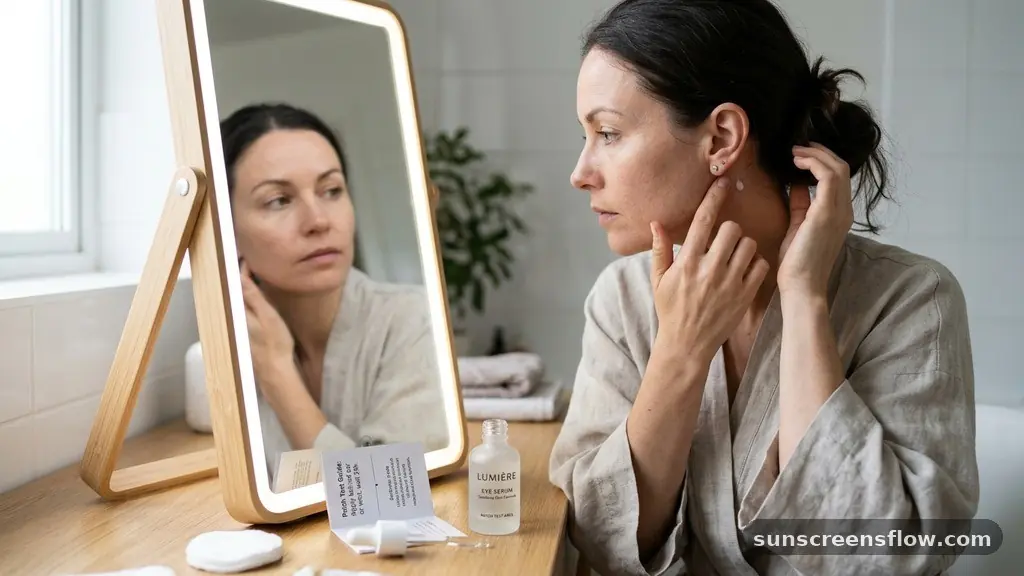
Because the skin around the eyes is so delicate, you must perform a patch testing protocol before committing to a new product. Even if a formula is labeled “gentle” or “dermatologist-tested,” individual reactions can vary significantly.
To patch test, apply a small amount of the serum to the inner corner of your forearm or behind your ear. Leave it there for 24 hours to observe any signs of redness, itching, or swelling.
If your skin remains calm, you can proceed to use the product around your eyes. However, if you experience any stinging or burning upon initial application, it is a sign that the product may be too potent or that your skin barrier is currently compromised.
In such cases, you might consider using the serum every other night to allow your skin to build tolerance. Never force a product that causes persistent irritation, as the inflammation caused by the reaction can actually accelerate the aging process you are trying to combat.
Maximizing Results with a Rollerball Applicator
Many modern eye serums come equipped with a rollerball applicator. This tool is more than just a convenient way to dispense product; it is a functional part of the treatment. The metal ball is typically cool to the touch, providing an immediate soothing effect that helps constrict blood vessels and reduce morning swelling.
When using a rollerball, ensure that you maintain a light touch. It is easy to press too hard, which defeats the purpose of the gentle cooling effect.
If your serum does not come with a rollerball, you can mimic this benefit by keeping your eye products in a dedicated skincare fridge. The cold temperature helps to stimulate lymphatic drainage and provides a refreshing sensation that wakes up tired eyes. Whether you use a built-in applicator or your own fingers, the goal remains the same: treat the area with a light, rhythmic touch that facilitates product absorption without stretching the skin.
Addressing Common Concerns: Dark Circles and Puffiness
Dealing with dark circles and puffiness requires a multifaceted approach. While topical serums can provide significant improvements, it is important to have realistic expectations. Dark circles can be caused by genetics, thin skin, or hyperpigmentation, while puffiness is often a result of fluid retention or lifestyle factors like high sodium intake and lack of sleep.
A high-quality serum can help brighten the area and smooth the surface, but it works best when paired with healthy lifestyle habits. For instance, staying hydrated and getting adequate sleep significantly reduces the severity of under-eye concerns.
When applying your serum to combat these issues, focus on the inner corner of the eye and move outward along the orbital bone. This motion encourages the movement of fluid toward the lymph nodes, which helps to drain the excess fluid that causes the appearance of bags.
Comparison of Eye Care Delivery Systems
To understand why serums are preferred by many dermatologists, it is helpful to look at how they compare to other common eye care formats. The following table highlights the differences in formulation and intent.
| Product Type | Consistency | Absorption Rate | Primary Benefit |
|---|---|---|---|
| Eye Serum | Lightweight/Liquid | High/Fast | Targeted Active Delivery |
| Eye Cream | Rich/Emollient | Moderate | Deep Hydration/Occlusion |
| Eye Gel | Cooling/Water-based | Fast | Soothing/De-puffing |
As the table demonstrates, serums are designed specifically for high-efficiency delivery. While creams have their place for those with extremely dry skin, the serum’s ability to penetrate the epidermis makes it the superior choice for addressing specific concerns like fine lines or hyperpigmentation.
Common Mistakes to Avoid and FAQ
Many individuals inadvertently sabotage their skincare efforts by using too much product or applying it too close to the eye. Below are some essential tips to keep in mind:
- Avoid applying product directly onto the eyelid, as this can lead to migration and eye irritation.
- Do not pull or tug the skin during application; always use a gentle tapping motion.
- Wait at least one minute between applying your serum and your next product to ensure proper absorption.
- Store your eye products in a cool, dark place to maintain the stability of active ingredients like vitamin C.
- Be patient; most eye treatments require 4 to 8 weeks of consistent use to show visible improvements in fine lines and skin texture.
Can I use my regular face serum around my eyes?
Generally, it is safer to use products specifically formulated for the eyes. Face serums may contain high concentrations of ingredients that are too potent for the delicate periorbital skin, leading to irritation or sensitivity. Always check the label to see if the product is ophthalmologist-tested.
How much eye serum should I apply per use?
A little goes a long way. You only need about a pea-sized amount for both eyes combined. Using too much product can lead to residue buildup, which can cause puffiness or make it difficult to apply makeup smoothly afterward.
Is it necessary to use an eye cream on top of an eye serum?
It is not always necessary, but it can be beneficial if your skin is particularly dry. If your serum provides enough hydration, you may not need an extra layer. However, in cold or dry climates, a light eye cream can provide extra protection for your moisture barrier.
What should I do if my eye serum causes stinging?
If you experience stinging, wash the product off immediately with cool water. It is possible the active ingredients are too strong for your skin type. You may want to try applying it less frequently or switching to a formula designed for sensitive skin.
Conclusion: Achieving Long-Term Eye Health
Learning how to use eye serum effectively is a journey toward better skin health and a more vibrant appearance. By respecting the unique needs of the periorbital area, utilizing the correct application techniques like the tapping motion, and choosing potent ingredients like retinol, peptides, and caffeine, you can significantly improve the look of dark circles, crow’s feet, and puffiness. Remember that the skin around your eyes is a reflection of your overall health; consistent use of these targeted treatments, combined with a protective routine involving sunscreen and proper hydration, will yield the best results over time.
Stay patient, observe how your skin responds to different formulations, and keep your routine simple and consistent to maintain a healthy, resilient skin barrier for years to come. By focusing on quality over quantity and following these professional guidelines, you ensure that every drop of serum works to its full potential, keeping your eyes looking refreshed and youthful.


