


Achieving radiant, healthy skin often hinges on the specific steps you take during your daily skincare routine. While cleansers and toners prepare the canvas, learning how to use serum on face effectively is the secret to delivering potent active ingredients directly where they are needed most.
Serums are lightweight, high-potency formulations designed to penetrate the epidermis more efficiently than standard creams, thanks to their smaller molecular weight. By understanding the science of application, you can maximize the results of your investment, whether you are targeting hyperpigmentation, fine lines, or chronic dryness.
Understanding the Role of Face Serums in Your Routine
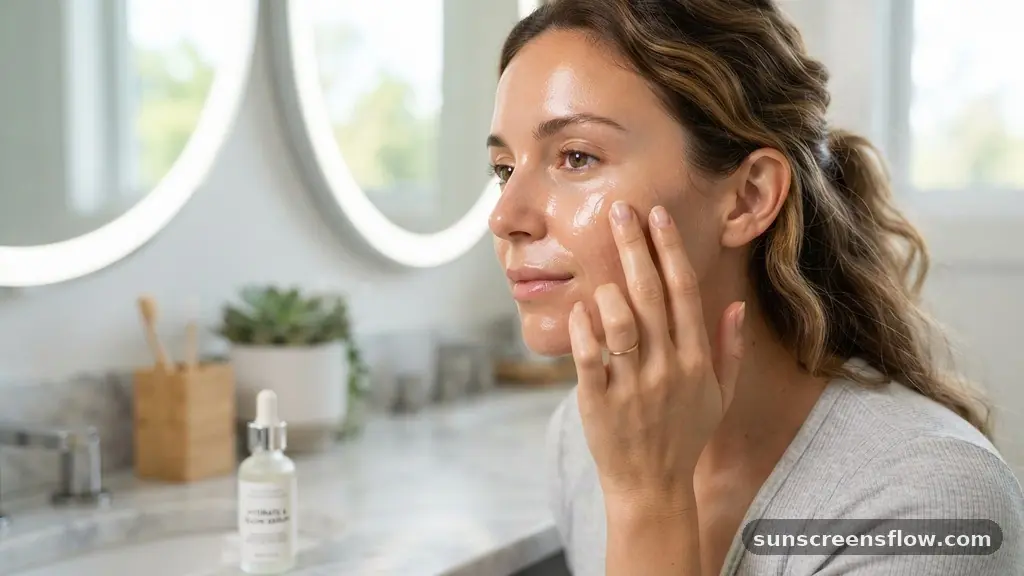
To master application, one must first appreciate what a serum actually does. Unlike a moisturizer, which is primarily designed to seal in hydration and protect the surface, a serum is a delivery system. These liquids contain a high concentration of specific molecules that address targeted concerns.
Because they lack the heavy oils and emollients found in creams, they can reach deeper layers of the skin. When you apply these products, you are essentially feeding your skin the nutrients it needs to repair and regenerate.
The effectiveness of a serum is largely determined by its formulation. For instance, hyaluronic acid works by binding water to the skin, while vitamin C provides essential antioxidant protection against environmental stressors. Because these ingredients are concentrated, the way you distribute them across your face matters.
Applying them to damp skin can significantly improve the absorption rate, as the moisture helps the product glide smoothly and penetrate more effectively. Ignoring this simple step can lead to product wastage and suboptimal results, as the serum might evaporate before it has a chance to work.
Step-by-Step Guide to Proper Serum Application
The sequence of your skincare steps is just as important as the technique itself. A general rule of thumb is to apply products from the thinnest consistency to the thickest. Your serum should almost always follow cleansing and toning, but precede your occlusive moisturizer.
To begin, start with a clean face. Gently pat your skin dry with a clean towel, leaving it slightly moist if you are using humectant-based serums.
Using the dropper application method, dispense three to four drops into the palm of your hand or directly onto your fingertips. Avoid letting the dropper touch your skin to prevent bacterial contamination of the bottle. Using your fingertips, distribute the product across your forehead, cheeks, and chin.
Use a gentle patting technique rather than rubbing vigorously. Rubbing can pull at delicate skin and disrupt the product’s distribution.
By patting, you encourage the serum to settle into the pores and integrate with the skin’s natural lipid barrier. Allow the serum to dry for about sixty seconds before moving on to your next product, ensuring it has fully set.
The Science of Serum Layering and Compatibility
One of the most common questions involves whether you can use multiple serums at once. The answer is yes, but only if you understand the principles of serum layering. The primary risk when combining too many products is pore congestion or simple irritation.
If you are using multiple treatments, always start with the most watery consistency and progress to the more viscous ones. For example, a water-based niacinamide serum should be applied before an oil-based treatment.
Be mindful of ingredient interactions. Some actives, such as certain retinoids or potent AHAs, can be aggressive when combined. If you are new to high-strength products, it is wise to separate your morning and evening routines.
You might use vitamin C in the morning to leverage its antioxidant benefits and save retinol for the evening, as many forms of vitamin A can increase sun sensitivity. Keep a log of how your skin reacts to these combinations to ensure you aren’t inadvertently causing inflammation or damaging your skin barrier.
Optimizing Absorption with Facial Massage
While the patting technique is standard, incorporating a light facial massage can enhance the experience and potentially improve blood circulation. As you apply your serum, use upward, outward strokes. This not only helps the product distribute evenly across the jawline and neck but also promotes lymphatic drainage.
The key is to be gentle. You aren’t looking for a deep tissue massage; rather, you want to ensure the serum is thoroughly worked into the surface without causing friction.
When massaging, focus on areas of concern. If you are using a serum for fine lines, spend a few extra seconds gently tapping the product into the orbital bone or across the forehead. The warmth from your fingertips can also help thin out the serum slightly, making it easier to spread.
Remember, the goal of the massage is to facilitate the absorption rate without stretching the skin. Over-massaging can lead to redness, especially for those with sensitive skin types, so keep the process brief and soothing.
Selecting the Right Serum for Your Skin Type

Not all serums are created equal, and choosing the right one is half the battle. If you have oily or acne-prone skin, look for labels that indicate the product is non-comedogenic.
Ingredients like niacinamide are excellent for this skin type as they help regulate sebum production without adding heavy oils. Conversely, those with dry or dehydrated skin should prioritize serums rich in glycerin, ceramides, or hyaluronic acid.
It is also important to consider concentration levels. Higher percentages of active ingredients do not always equate to better results. In fact, a 20% L-ascorbic acid serum might cause severe irritation for a beginner, whereas a 10% solution would provide the same benefits with fewer side effects.
Always check the ingredient list for potential allergens and remember that the order of ingredients reflects their concentration. If you are unsure about a new product, always perform a patch testing protocol on the inside of your wrist or behind your ear before applying it to your entire face.
Addressing Topical Gaps: Common Mistakes
Many users struggle with common pitfalls that render their expensive serums ineffective. One common error is applying serum over a layer of heavy cream.
Because moisturizers are designed to be occlusive, they create a barrier on the skin that prevents other substances from penetrating. If you apply your serum after your thick night cream, it will simply sit on top, unable to reach the deeper layers of the epidermis.
Another mistake is neglecting the neck and chest. The skin on your neck is thinner and often shows signs of aging faster than the face. Always extend your serum application downward to ensure a consistent appearance.
Furthermore, avoid the temptation to “over-apply.” Using half a bottle of serum in one go does not yield twice the results; it only leads to a sticky residue that can pill under makeup.
Stick to the recommended dosage, which is usually a pea-sized amount or a few measured drops. Consistency over a period of weeks is far more effective than an occasional heavy application.
The Role of Chemical Exfoliation and Retinoids
Integrating chemical exfoliation and retinoids into your routine requires a strategic approach. Chemical exfoliants, such as AHAs or BHAs, remove dead skin cells, which can actually help subsequent serums penetrate better. However, over-exfoliating can compromise your skin barrier, making your skin more susceptible to irritation from your other serums.
When using retinoids, the “sandwich method” is often recommended for those with sensitive skin. This involves applying a light layer of moisturizer, then your retinoid serum, and finally another layer of moisturizer. This buffers the intensity of the active ingredient while still allowing it to perform its function.
Because retinoids accelerate cell turnover, they inherently increase sun sensitivity. Consequently, you must never skip your sunscreen during the day if you are using these potent ingredients at night. Failing to protect your skin while using high-potency actives can lead to hyperpigmentation and long-term damage.
Table: Comparing Serum Application Strategies
To help you visualize how different serum types fit into your daily regimen, the following table outlines the best practices for common active ingredients.
| Ingredient Category | Best Time to Apply | Key Application Tip |
|---|---|---|
| Vitamin C | Morning | Apply to dry skin for maximum stability and antioxidant protection. |
| Hyaluronic Acid | Morning/Evening | Apply to damp skin to lock in maximum hydration. |
| Retinoids | Evening | Start with a low concentration; avoid use on broken or irritated skin. |
| Niacinamide | Morning/Evening | Excellent for mixing; wait for it to dry before applying heavy creams. |
Safety Protocols and Patch Testing
Before diving headfirst into a new, high-potency serum, the importance of patch testing cannot be overstated. Allergic reactions or sensitivities can manifest as redness, itching, or even breakouts. To perform a patch test, apply a small amount of the serum to a clean patch of skin on the inside of your forearm.
Cover it with a bandage if possible and leave it for 24 hours. If no redness or irritation occurs, it is generally safe to proceed with facial application.
If you have highly reactive skin, consider introducing only one new product at a time. Wait at least two weeks between adding new serums to your routine.
This “slow and steady” approach allows you to identify exactly which product is causing an issue if your skin starts to act up. Remember that your skin barrier is a living ecosystem; treat it with respect, avoid harsh rubbing, and always prioritize products that support its integrity rather than those that promise overnight miracles.
Common Questions About Face Serums
What is the correct way to apply serum?
After cleansing and toning, dispense a few drops into your palms. Using a gentle patting technique, press the serum into your face and neck. Focus on problem areas, allow it to absorb for sixty seconds, and follow up with a moisturizer to seal the active ingredients in.
Can I use serum on my face daily?
Yes, most serums are designed for daily use. However, it depends on the active ingredients. Hydrating serums can be used twice daily, while stronger treatments like retinol or chemical exfoliants should be introduced gradually, perhaps starting with three nights a week to monitor for any potential irritation.
What are common serum mistakes?
The most frequent mistakes include applying serum after a thick moisturizer, using too much product, skipping the neck area, and failing to perform a patch test. Additionally, many people forget to use sunscreen, which is critical when using active ingredients that increase skin sensitivity to UV rays.
Can I leave serum overnight?
Absolutely. In fact, many high-potency serums, especially those containing retinoids or peptides, are best used at night. This allows the ingredients to work in tandem with your skin’s natural overnight repair cycle, providing concentrated support without the interference of environmental stressors like pollution or UV radiation.
Conclusion
Mastering how to use serum on face is about more than just applying a liquid; it is about understanding the synergy between your skin’s biology and the potent active ingredients you provide it. By respecting the order of application, focusing on the patting technique, and ensuring your skin barrier remains intact, you can achieve professional-grade results from the comfort of your home. Whether you are seeking the deep hydration of hyaluronic acid or the brightening effects of vitamin C, the secret lies in consistency and thoughtful layering.
Always remember that your skin is unique; take the time to test products, monitor your reactions, and adjust your skincare routine as your needs evolve. With the right approach, serums will become the most rewarding part of your daily ritual, transforming the health and appearance of your complexion over time.


