


Many people find themselves standing in the beauty aisle, staring at glass vials and dropper bottles, wondering if an ampoule is a serum or something entirely different. While both products look similar and promise transformative results, they occupy distinct roles in your daily regimen.
Understanding whether an ampoule is a serum helps you refine your approach to skin health, ensuring you aren’t doubling up on products that perform the same task or missing out on the specific benefits of a concentrated booster. By distinguishing between these two, you can curate a more effective approach to your complexion goals.
Defining the Role of a Serum in Your Routine
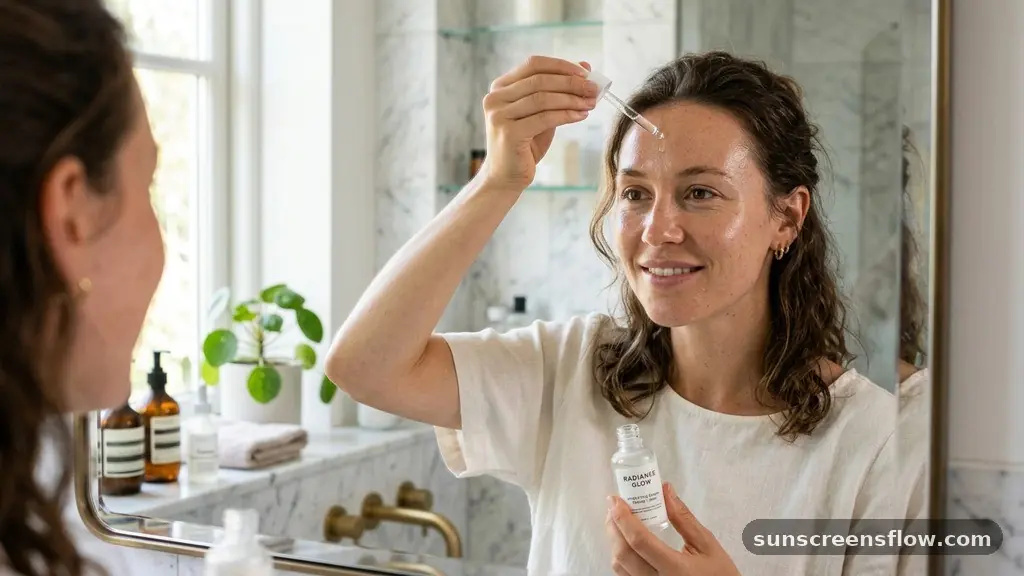
A serum is essentially the workhorse of a modern skincare routine. These products are formulated with a high concentration of active ingredients designed to penetrate the surface of the skin to address specific issues.
Whether you are dealing with hyperpigmentation, fine lines, or dehydration, a serum provides a targeted therapy that sits between your cleanser and your moisturizer. Because serums usually have a lightweight, fluid consistency, they are designed to sink into the epidermis quickly, delivering nutrients where they are needed most.
The primary function of a serum is to bridge the gap between basic cleansing and long-term protection. Unlike a heavy cream, a quality serum avoids thick occlusives that might sit on the skin’s surface. Instead, it relies on a carefully calibrated molecular weight to ensure the formula reaches the lower layers of the skin.
When you choose a serum, you are usually looking for a consistent, long-term solution to chronic skin concerns like dullness or loss of elasticity. It is the steady, reliable partner in your pursuit of a balanced complexion.
How Ampoules Differ from Standard Serums
If a serum is your daily driver, an ampoule is the high-octane fuel you use for a quick performance boost. The main difference between the two lies in the concentration of active ingredients. While a serum is potent, an ampoule is designed to be an ultra-concentrated formula, often containing a much higher percentage of specific actives like niacinamide or vitamin C.
Because of this intensity, ampoules are rarely meant for permanent, daily use. They are usually sold in smaller volumes and intended for short-term cycles to “reset” the skin.
In the world of K-beauty, the ampoule is treated as a specialized skin booster. You might reach for one when your skin is undergoing a period of extreme stress, such as during a seasonal change or after a harsh dermatological procedure.
Think of the ampoule as a surgical strike on a specific problem, whereas the serum is the maintenance crew keeping the landscape in check. Using them interchangeably without considering their potency can lead to irritation, especially if your skin barrier is already compromised.
The Science of Concentration and Absorption
When evaluating if an ampoule is a serum, the chemical structure and absorption rate provide the most clarity. Ampoules often have a slightly different viscosity compared to serums, sometimes feeling more like water or, in some cases, slightly oily depending on the delivery system.
The goal of an ampoule is to provide a massive influx of ingredients in a very short window. Consequently, the formulation process focuses on maximizing the absorption rate so that the skin receives the full dosage of the active compounds before they oxidize or evaporate.
Serums, by contrast, are formulated for sustained delivery. They often contain stabilizers that help the actives remain effective over the course of several hours or throughout the night. If you apply an ampoule, you are looking for an immediate impact—a visible change in texture or brightness within a few days.
If you apply a serum, you are looking for a gradual improvement that builds over weeks. This fundamental difference in delivery and intent is why skin experts generally advise against using them as direct substitutes for one another.
Layering Strategies for Optimal Results
Navigating the order of operations in your skincare routine can be confusing, but the general rule follows the principle of lightest to heaviest. If you decide to incorporate both products, the serum typically comes first, followed by the ampoule, or vice versa depending on the specific viscosity of the liquids.
A good rule of thumb is to allow each layer to dry completely before applying the next. This prevents pilling and ensures that the ingredients in your serum aren’t diluted by the intense concentration of the ampoule.
Layering is an art form that requires listening to your skin. If you find that your face feels tacky or heavy after applying your products, you are likely using too much product or stacking formulas that are too similar in function.
Always prioritize the health of your skin barrier. If you are using a highly active vitamin C serum in the morning, you might want to skip an exfoliating ampoule until the evening to avoid over-sensitizing the epidermis.
| Feature | Serum | Ampoule |
|---|---|---|
| Concentration | Moderate to High | Ultra-High |
| Usage Frequency | Daily | Short-term / Occasional |
| Primary Goal | Long-term maintenance | Rapid, targeted correction |
| Bottle Size | Standard (30ml+) | Small (Vials/Droppers) |
Addressing Common Topical Gaps

Many users wonder if they can skip a serum entirely if they use an ampoule, or if they need both. The gap in knowledge often stems from marketing language that uses the terms interchangeably. In reality, the “gap” is one of duration and necessity.
You do not strictly need an ampoule to have healthy skin, but you almost certainly need a serum to address ongoing environmental damage. Ampoules fill the gap when your serum is no longer providing enough “oomph” to get you through a particularly rough patch of skin distress.
Another common misunderstanding is the confusion regarding water-based versus oil-based formulations. Some ampoules are designed as oil-based concentrates to help seal in hydration, while most serums are water-based to ensure deep penetration. If you apply an oil-based ampoule before a water-based serum, the serum will fail to penetrate the oil layer.
Always check the base of your product. If it feels slick, it is likely oil-based and should be applied as one of the final steps in your treatment sequence.
The Role of Ingredients in Your Choice
When selecting between these products, pay close attention to the active ingredients list. Hyaluronic acid is a common component in both, but the concentration levels will vary wildly.
In a serum, hyaluronic acid provides a steady humectant effect throughout the day. In an ampoule, the concentration of hyaluronic acid might be boosted to provide an instant, dramatic plumping effect for a special event or to heal extreme dehydration after a flight.
Niacinamide is another ingredient frequently found in both. If you have sensitive skin, a niacinamide serum is a safer bet for daily use because the concentration is usually balanced with soothing agents.
An ampoule containing a high percentage of niacinamide might be too aggressive for daily use, leading to redness or stinging. Always start with a lower concentration serum to test your skin’s tolerance before graduating to the potent, short-term usage of an ampoule.
- Identify your primary skin concern: Is it a chronic issue or a temporary flare-up?
- Check the product instructions: Does the label recommend daily use or a 7-day cycle?
- Monitor your skin’s reaction: If you notice peeling or tightness, reduce the frequency of your ampoule.
- Consult with an aesthetician if you are unsure about layering potent actives like retinol or acids.
- Maintain a consistent base routine before adding high-potency boosters.
Professional Perspectives on Skin Boosters
Dermatological experts often view the rise of the ampoule as a response to the “more is more” trend in beauty. While these products are undeniably effective, they should be treated with the same respect as a prescription topical treatment. An aesthetician might suggest an ampoule during a professional facial to jump-start the skin’s renewal process, but they will rarely suggest that a client use a high-strength ampoule every single day without a specific goal in mind.
The dermis is a resilient organ, but it can be overwhelmed by a constant barrage of high-potency ingredients. If you treat your skin like a science experiment, you will likely end up with a damaged barrier rather than a glowing complexion.
Use the serum as your anchor—the steady, reliable foundation—and view the ampoule as a tactical tool to be deployed only when necessary. This balanced approach protects your investment in your skin and prevents the frustration of products that seem to work initially but cause issues later.
K-Beauty Influence and Market Trends
The global obsession with K-beauty has brought the ampoule into the mainstream, changing how Western consumers approach their vanity cabinets. In Korea, the philosophy of “layering” is deeply ingrained, and the ampoule fits perfectly into that multi-step framework. However, the Western market has often simplified this by rebranding serums as ampoules or vice versa.
This has caused a great deal of confusion for the average shopper. When browsing, ignore the marketing buzzwords and look at the ingredient list and the recommended usage.
If a product is marketed as an ampoule but lists water as the first ingredient and has a very low concentration of actives, it is essentially a serum. Conversely, a true ampoule will feel dense, concentrated, and will often come in a dark, airtight glass vial to protect the potency of the ingredients from light and air. Being a savvy consumer means reading past the hype and understanding the physical properties of the product in your hand.
Adapting Your Routine for Seasonal Shifts
Your skin’s needs are not static. During the harsh winter months, your skin barrier may require the extra support of a lipid-rich ampoule to prevent moisture loss.
Conversely, in the humid summer, you might find that a light, water-based serum is all you need to stay hydrated without feeling greasy. Adapting your routine allows you to be flexible, using the ampoule as a seasonal bridge rather than a permanent fixture.
Listen to your skin’s feedback. If you wake up with a dull, dry complexion despite your usual serum, that is a clear sign to introduce a hydration-focused ampoule for a few days. If you find your skin is reactive and red, strip back your routine to the basics and put the ampoules away until things settle down.
The goal is always balance. By understanding the specific roles of these products, you turn your bathroom counter into a place of genuine care rather than a source of confusion.
Frequently Asked Questions
Is an ampoule just a stronger serum?
Essentially, yes. An ampoule is a highly concentrated version of a serum, designed for short-term, intensive treatment rather than daily maintenance. While a serum provides consistent, long-term support for your skin, an ampoule delivers a potent surge of active ingredients to address specific, immediate concerns.
Can I use an ampoule every day?
It is generally not recommended to use an ampoule daily unless it is specifically formulated for it. Because they contain such high concentrations of active ingredients, frequent use can overwhelm the skin barrier, leading to irritation, redness, or sensitivity. Most ampoules are intended for short, targeted cycles.
Which should I apply first, serum or ampoule?
Apply products from the thinnest consistency to the thickest. Typically, you should apply your serum first, allow it to absorb, and then apply your ampoule. If your ampoule is significantly thinner than your serum, apply the ampoule first. Always ensure each layer is fully dry before adding the next.
Are ampoules necessary for a healthy complexion?
Ampoules are not strictly necessary for a healthy complexion. A high-quality serum, combined with a good cleanser and moisturizer, provides the foundation your skin needs to thrive. Ampoules are best viewed as specialized boosters that you can add to your routine to address temporary issues or specific goals.
Final Thoughts
Distinguishing between these two skincare staples is about more than just terminology; it is about respecting the needs of your skin. By understanding that a serum serves as your daily maintenance and an ampoule acts as a potent, short-term booster, you can craft a routine that is both effective and sustainable. Remember that the best results come from consistency and careful observation of how your complexion responds to different concentrations of ingredients.
Start slow, prioritize your skin barrier, and don’t feel pressured to add every new product you see on the shelf to your vanity. If you have questions about your specific skin type or concerns, consider consulting with a professional who can help you tailor your approach. Your journey to healthy skin is unique, and finding the right balance is the most important step forward.


