


Many people wonder is lash serum safe to use as part of their daily beauty routine. Achieving longer, fuller lashes often feels like a balancing act between aesthetic goals and ocular health.
Whether you are using a prescription-strength treatment or an over-the-counter botanical blend, understanding the chemistry behind these products is essential. By looking at how these formulas interact with your delicate lash follicle health and the surrounding skin, you can make an informed decision that protects your vision while enhancing your look.
Understanding Prostaglandin Analogs and Their Effects
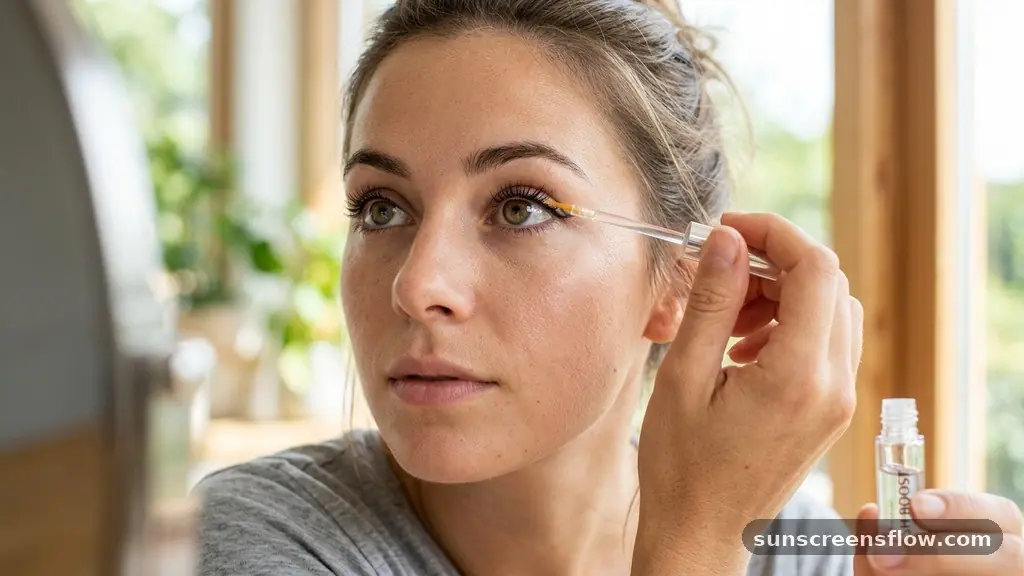
The most potent eyelash growth products on the market typically rely on a class of chemicals known as prostaglandin analogs. Originally developed to treat glaucoma, these compounds were found to have a notable side effect: longer, darker, and thicker eyelashes.
Ingredients such as bimatoprost or isopropyl cloprostenate work by extending the growth phase of your hair follicles. While this biological mechanism is highly effective for lengthening lashes, it is not without potential risks to the sensitive tissues around your eyes.
When you apply these substances, they can migrate from the lash line into the tear film. This is where ocular side effects often begin. Users sometimes report redness, itching, or a sensation of having something stuck in their eye.
More concerning is the potential for iris hyperpigmentation, a process where the pigment in your iris permanently darkens. While this is more common with prescription-strength medications, it remains a factor to consider for anyone using highly active growth stimulants. Because the skin around the eye is incredibly thin, it is also highly prone to eyelid skin irritation when exposed to these potent active agents.
The Role of Peptide-Based Formulas
For those who are hesitant about the side effects associated with prostaglandin analogs, many brands have pivoted toward peptide-based formulas. These serums focus on supporting lash follicle health through amino acids and proteins rather than forcing the hair to stay in a growth phase longer than its natural cycle. Peptides are essentially building blocks that can help strengthen the hair shaft, potentially leading to less breakage and a thicker appearance over time.
Because these formulas generally lack the harsh synthetic hormones found in medical-grade treatments, they are often perceived as a safer alternative. However, “natural” or “peptide-based” does not automatically mean immune to reactions. Allergic contact dermatitis can occur with any topical product, regardless of the active ingredients.
If you have a history of sensitive skin or seasonal allergies, even a gentle peptide serum could trigger redness or inflammation. Always perform a patch test on your inner forearm before applying any new serum near your lash line.
Identifying Common Ocular Side Effects
When assessing whether a lash serum is safe, you must pay attention to how your eyes react during the first few weeks of use. Ocular safety is paramount, as the eye is one of the most delicate organs in the body.
Some users experience dry eye syndrome, which occurs when the serum affects the meibomian glands—the tiny oil glands in your eyelids. If these glands become blocked or inflamed, they cannot produce the necessary oils to keep your tears from evaporating too quickly, leading to constant irritation.
Eyelid margin pigmentation is another reported phenomenon. This involves a darkening of the skin exactly where the serum is applied. While some users might view this as a form of “natural eyeliner,” it is technically a biological response to the ingredients in the formula.
If you notice your eyelids turning a shade or two darker, or if you experience persistent blurred vision, it is time to stop the application immediately. These are clear signals that your body is not tolerating the specific chemical composition of the product you have chosen.
Navigating Cosmetic Regulatory Standards
The cosmetic industry is governed by specific regulatory standards, but these rules vary significantly depending on where the product is manufactured and sold. In many regions, lash serums are classified as cosmetics rather than drugs, which means they do not always undergo the same rigorous clinical testing as pharmaceutical treatments. This leaves a significant gap in transparency, as companies are not always required to disclose the long-term effects of their proprietary blends.
Ingredient transparency is your best defense against unsafe products. When shopping, look for brands that provide a full, clear list of ingredients on their packaging and website. If a company uses vague terms like “proprietary growth complex” without defining the active agents, proceed with extreme caution.
Genuine safety comes from knowing exactly what you are putting near your eyes. If you cannot identify the primary active ingredient, it is better to skip that product in favor of one that adheres to higher standards of labeling and consumer safety.
Consulting with Professionals
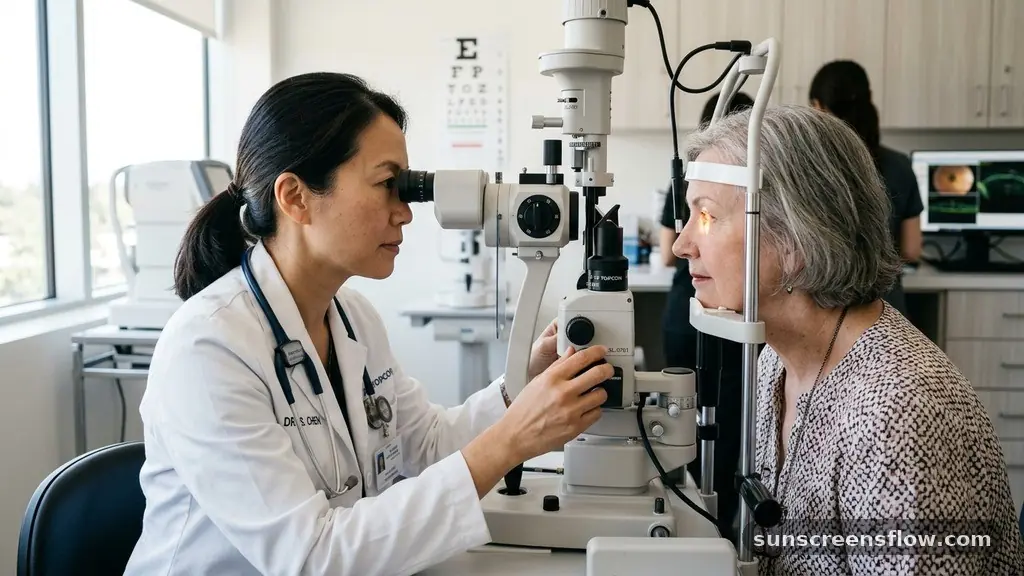
If you are serious about long-term lash health, a dermatologist recommendation or an ophthalmologist consultation should be your first step. A medical professional can evaluate your eye health, check for existing issues like chronic dry eye, and determine if you are a good candidate for growth-stimulating serums. They can also provide guidance on how to avoid common pitfalls during application.
| Factor | Prostaglandin-Based | Peptide-Based |
|---|---|---|
| Primary Goal | Maximum Growth | Strengthening/Conditioning |
| Risk of Pigmentation | Higher | Negligible |
| Speed of Results | Fast (4-8 weeks) | Slow (12+ weeks) |
| Clinical Status | Often Medical/Rx | Cosmetic |
Having a professional in your corner is particularly important if you wear contact lenses. Contact lens sensitivity can be heightened by the use of certain serums, as the lenses can trap ingredients against the cornea, leading to prolonged exposure and increased risk of irritation. Your eye doctor can tell you how long to wait after serum application before inserting your lenses, which can make all the difference in your comfort levels.
Addressing the Topical Gaps in Lash Safety
Many users ask if it is safe for younger individuals to use these products, yet there is a distinct lack of data on pediatric use safety. Most clinical studies on lash growth serums are conducted on adults, and there is no evidence to suggest that teenagers should be experimenting with prostaglandin analogs.
The developing physiology of a young person’s eyelids and eyes may react differently to these potent chemicals. Caution dictates that these products should be reserved for adult use only, and even then, only after careful consideration of the risks.
Another area that often lacks clarity is the long-term impact on the lash cycle. By artificially extending the growth phase, you are essentially disrupting the natural rhythm of your hair follicles. While your lashes may appear longer, the long-term effects of chronic interference with this cycle are not fully understood.
Some experts worry that constant stimulation could lead to follicle fatigue, where the lashes eventually become thinner or more brittle over time. This is a potential trade-off that is rarely discussed in marketing materials but is a vital consideration for long-term users.
Best Practices for Serum Application Techniques
Even if you choose a product that is generally considered safe, your application technique plays a massive role in preventing adverse reactions. Many people make the mistake of applying too much product, thinking that more serum equals faster results. In reality, the skin can only absorb a certain amount, and the excess just pools on the eyelid, increasing the likelihood of it migrating into the eye or causing irritation on the delicate skin of the eyelid margin.
- Always wash your face and remove all makeup before applying the serum.
- Use a very thin line, just enough to dampen the skin at the base of the lashes.
- Avoid getting the product directly into the eye; if this happens, flush with water immediately.
- Apply only once daily, ideally in the evening, to allow for absorption overnight.
- Replace your serum every three to six months to ensure the formula remains stable and free of bacteria.
Following these steps minimizes the risk of hypersensitivity reactions. By keeping the applicator clean and avoiding double-dipping, you also protect yourself from potential bacterial infections, which are a common but often overlooked risk of using any eye-area cosmetic.
Common Misconceptions About Lash Safety
A major misconception is that all serums are created equal. You might see a “best-selling” product on social media and assume it is safe because it is popular. However, popularity is not a substitute for safety.
Many viral products contain high concentrations of prostaglandin analogs that are not properly disclosed, leading to unexpected side effects for unsuspecting users. It is crucial to look past the marketing hype and focus on the science.
Another myth is that you can stop using the serum once you reach your desired length and your lashes will stay that way. Unfortunately, this is not true. Because the serum is actively altering the growth cycle of your lashes, once you stop the treatment, your lashes will eventually return to their natural state as the old ones shed and are replaced by new ones.
This means that maintaining your look requires a commitment to continued, safe use of the product. If you are not comfortable with the idea of long-term usage, you should carefully weigh whether the temporary results are worth the potential risks.
Is Lash Serum Safe for Your Unique Needs?
Determining if lash serum is safe for you is a highly individual process. It depends on your eye health, your skin sensitivity, and your willingness to manage potential side effects.
If you have pre-existing ocular conditions like meibomian gland dysfunction or severe allergies, the risks of using potent growth stimulants likely outweigh the aesthetic benefits. For others, a carefully chosen, high-quality peptide serum used sparingly may be a perfectly safe way to enhance their natural lashes.
The most important takeaway is that you should never prioritize beauty over the health of your eyes. If you decide to proceed, start slowly, monitor your eyes for any changes, and don’t hesitate to consult with an expert if something feels off.
By being proactive and informed, you can enjoy the benefits of longer, fuller lashes without compromising your vision or the health of your eyelid skin. Your eyes are irreplaceable, so treat them with the care they deserve while exploring the world of lash-enhancing treatments.
Frequently Asked Questions
What are the most common side effects of using lash serums?
Common side effects include redness, itching, and irritation around the eyes. Some users may experience dry eye or, with specific ingredients, a permanent darkening of the iris or the skin on the eyelid margin. These reactions usually occur if the serum migrates into the eye.
Can I use lash serum if I wear contact lenses?
You can, but you must be careful. It is recommended to apply the serum at least 15 to 20 minutes before inserting your lenses, or apply it at night after removing them. This prevents the serum from being trapped against your cornea, which can cause significant irritation.
Is it safe for a teenager to use eyelash growth serum?
There is no clinical evidence supporting the safety of these products for pediatric or adolescent use. Because teenage bodies are still developing, it is widely recommended by dermatologists to avoid using chemical growth stimulants until adulthood to prevent any interference with natural eye and lash development.
What should I do if my eyes start to feel irritated?
Stop using the product immediately. Flush your eyes gently with saline or cool water to remove any residue. If the irritation, redness, or blurred vision persists for more than 24 hours, contact an eye care professional to ensure there is no damage to your cornea or eyelid glands.
Final Thoughts on Lash Serum Safety
Deciding to use a lash serum is a personal choice that requires a thorough assessment of your own health history. While many people achieve the results they want without any issues, the potential for ocular side effects is real and should not be ignored. Focus on quality, prioritize transparency, and always listen to your body if it signals that a product is not working for you.
By maintaining open communication with your dermatologist or eye doctor, you can navigate the market with confidence and find a product that aligns with your safety standards. Remember that consistency and proper application techniques are just as important as the ingredients themselves. If you are ready to take the next step, start by researching reputable brands and scheduling a quick check-up to ensure your eyes are ready for the routine.
Meta Description: Is lash serum safe? Discover the truth about prostaglandin analogs, peptide formulas, and expert tips to protect your eye health while using growth serums.


