


When you look at the crowded shelves of a beauty aisle, it is easy to feel overwhelmed by the sheer variety of products available. You might wonder what does a serum do in the context of your daily routine, especially when you already have cleansers and moisturizers. At its core, a serum is a lightweight, potent treatment designed to deliver a high concentration of specific active ingredients directly into the deeper layers of the dermis.
Unlike heavy creams that sit primarily on the surface, these formulas are engineered for rapid absorption. By understanding how these products function, you can better target your unique skin concerns and achieve more visible, lasting results.
The Fundamental Mechanism of Skin Serums
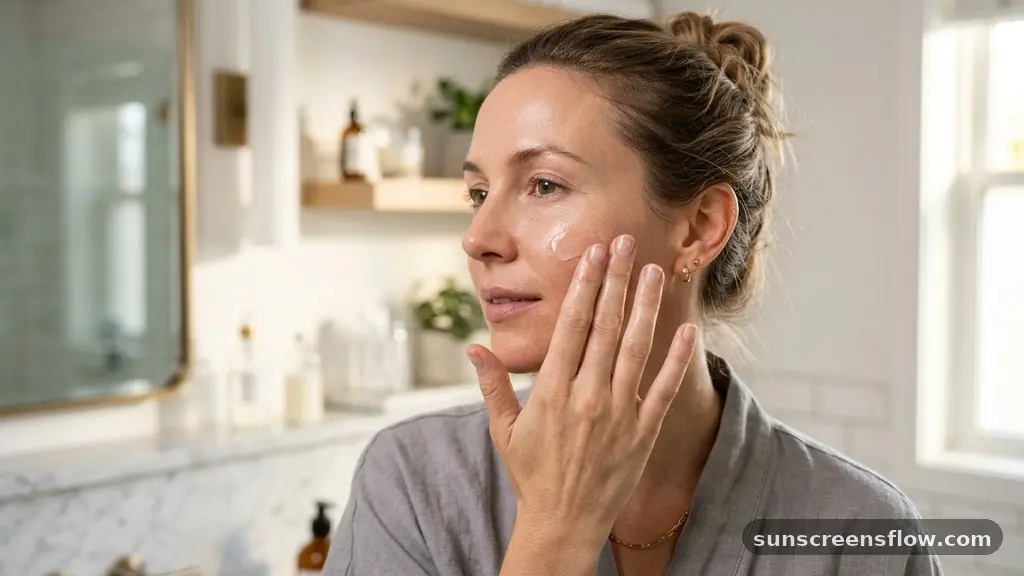
To grasp what a serum does, you must first recognize how it differs from traditional moisturizers. Most lotions and creams contain occlusives, which are ingredients that create a physical barrier on the skin to lock in moisture. While essential, these products often have a larger molecular weight, meaning they cannot penetrate as deeply as a targeted treatment.
A serum, conversely, is typically formulated with a much smaller molecular weight. This allows the active ingredients to bypass the top layer of the epidermis more effectively.
Think of a serum as the precision tool in your skincare kit. While a moisturizer provides a general protective seal, the serum provides the heavy lifting regarding specific issues like brightness, texture, or elasticity.
Because they are often water-based or lightweight oil-based emulsions, they evaporate or soak in quickly, leaving no greasy residue behind. This makes them the perfect vehicle for delivering high-potency compounds like antioxidants or vitamins that need to reach the cellular level to be effective.
Targeting Specific Concerns with Active Ingredients
The primary power of a serum lies in its concentration of active ingredients. While a moisturizer might contain a small percentage of a beneficial compound, a serum is often built entirely around one or two key components.
This allows for a more focused approach to skincare. For instance, if you are struggling with dullness, a product featuring vitamin C will provide a much higher dose than a standard brightening cream.
The following list outlines common active ingredients found in high-quality serums:
- Vitamin C: A potent antioxidant that brightens the complexion and helps combat environmental damage from pollution and UV exposure.
- Hyaluronic Acid: A powerful humectant capable of holding many times its weight in water, providing intense hydration to the skin.
- Retinol: A form of vitamin A that accelerates cell turnover, effectively minimizing the appearance of fine lines and wrinkles.
- Niacinamide: A versatile vitamin that helps regulate oil production, calm redness, and improve the overall skin texture.
- Peptides: Chains of amino acids that act as building blocks for proteins like collagen, supporting firmer, more resilient skin.
Improving Skin Texture and Tone
One of the most noticeable benefits of using a serum is the improvement in skin texture. Over time, factors like sun damage, aging, and environmental stress can cause the surface of your skin to become rough or uneven.
By using a serum with exfoliating agents—such as salicylic acid or lactic acid—you can gently remove dead skin cells. This process reveals the fresher, smoother skin underneath.
Beyond texture, serums are excellent for addressing uneven skin tone and hyperpigmentation. Many brightening serums target the melanin production process directly. By inhibiting the enzymes that lead to dark spots, these products help fade discoloration over time.
When used consistently, you will notice that your skin looks more uniform and radiant. It is important to note that these changes do not happen overnight; consistent use over several weeks is necessary to see the full potential of the ingredients.
The Role of Hydration and Transepidermal Water Loss
Hydration is not just about adding water to the skin; it is about keeping it there. Transepidermal water loss is the natural process where water evaporates from the skin’s surface throughout the day.
If your skin barrier is compromised, this loss happens more rapidly, leading to dryness, irritation, and a dull appearance. Humectants found in serums, such as hyaluronic acid or glycerin, work by drawing moisture from the environment and binding it to your skin cells.
By applying a serum before your moisturizer, you are effectively “plumping” the skin with hydration before sealing it in. This is why the order of application is so critical in dermatological practice.
If you apply a heavy cream first, the smaller molecules of the serum may struggle to penetrate the layer of oil and wax on your skin. By layering correctly, you ensure that the hydration is trapped deep within the skin, preventing dryness and maintaining a healthy glow throughout the day.
Supporting the Skin Microbiome and Barrier
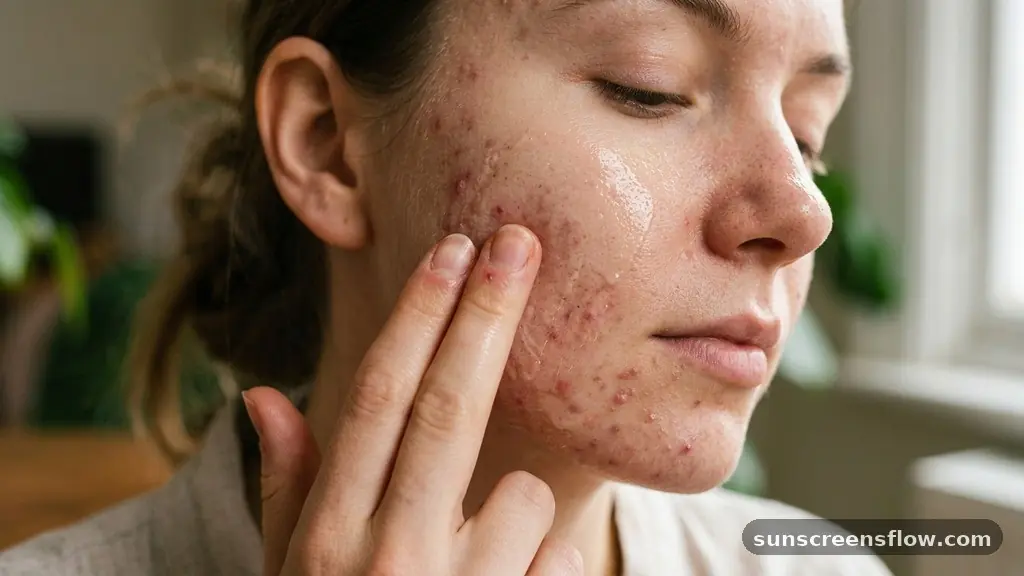
Your skin is home to a complex ecosystem of bacteria, fungi, and viruses known as the skin microbiome. A healthy microbiome is essential for maintaining a strong skin barrier, which protects you from pathogens and environmental stressors.
Many modern serums are formulated with prebiotics or soothing botanicals that support this delicate balance. When the microbiome is in equilibrium, the skin is less prone to breakouts, inflammation, and sensitivity.
Using a serum that is non-comedogenic is vital for those who are prone to acne. Non-comedogenic means the product is formulated specifically not to clog pores. Many people fear that adding more products to their routine will lead to congestion, but a high-quality, lightweight serum is often the opposite.
It provides the necessary nutrients without the heavy waxes or oils that can trap bacteria. By nourishing the skin from within, you strengthen its natural defenses and promote a clearer, more resilient complexion.
Comparison of Serum Types and Their Primary Functions
When choosing which product to add to your vanity, it helps to categorize them by their primary function. The table below compares common types of serums based on their target goals and typical ingredient profiles.
| Serum Type | Primary Goal | Key Ingredients |
|---|---|---|
| Hydrating | Plumping and moisture retention | Hyaluronic acid, glycerin, ceramides |
| Anti-Aging | Smoothing lines and firming | Retinol, peptides, growth factors |
| Brightening | Fading dark spots and glow | Vitamin C, kojic acid, niacinamide |
| Clarifying | Reducing acne and congestion | Salicylic acid, tea tree oil, zinc |
Addressing Common Misconceptions and Topical Gaps
There is often confusion regarding whether a serum is truly necessary or if it is just a marketing gimmick. Some believe that a simple moisturizer is enough to maintain skin health.
While a moisturizer is fundamental, it lacks the concentrated efficacy of a serum. If you have specific, stubborn skin concerns that a basic cream cannot address, a serum is the bridge between your basic routine and professional dermatological treatments.
Another common gap in knowledge is the belief that serums can replace moisturizers. For most people, this is not the case. Because serums are designed for absorption, they often lack the occlusive properties required to stop evaporation completely.
You should view the serum as the “treatment” and the moisturizer as the “sealant.” Without the sealant, the benefits of the serum might evaporate into the air before they can fully work their magic. Always allow the serum to dry for a minute before layering your heavier cream on top.
The Importance of Proper Absorption Techniques
How you apply your serum is just as important as the product itself. Because these formulas are concentrated, a little goes a long way.
You generally only need three to four drops for the entire face. Using more than this does not necessarily mean better results; it can sometimes lead to a tacky or sticky feeling on the skin.
To maximize absorption, apply your serum to slightly damp skin after cleansing. The water acts as a carrier, helping the active ingredients penetrate more efficiently. Gently press the product into your skin using your palms rather than dragging or rubbing it in.
This pressing motion stimulates circulation and ensures that the serum is evenly distributed across your face and neck. If you are using multiple serums, always apply the thinnest, most water-based formula first, working your way up to the thickest or most oil-based product.
Long-term Benefits for Collagen Production
As we age, our natural collagen production begins to decline, leading to a loss of elasticity and the development of fine lines. While topical application cannot replace the deep structural support of collagen, it can certainly stimulate the skin to produce more. Ingredients like retinol and peptides are scientifically proven to signal the skin to renew itself and produce more structural proteins.
By incorporating these ingredients into your routine early, you are essentially investing in the future health of your complexion. It is much easier to maintain healthy skin than it is to reverse significant damage later on.
Consistent use of a high-quality serum helps keep the skin’s architecture firm and supple. Over the course of years, this practice contributes to a more youthful appearance and better overall skin health, regardless of your age or skin type.
Frequently Asked Questions
Is a serum really necessary for everyone?
While not strictly mandatory, a serum is highly recommended if you have specific skin concerns like hyperpigmentation, deep dehydration, or signs of aging. If you have perfect skin and want to keep it simple, a cleanser and a quality moisturizer might be enough to maintain your current health.
Can I use more than one serum in the same routine?
Yes, you can layer serums, but you should limit yourself to two or three to avoid irritation. Always apply the lightest, most water-based serum first, followed by heavier, oil-based formulas. Wait for each layer to absorb fully before applying the next to ensure the ingredients work effectively.
Should I apply serum in the morning or at night?
It depends on the ingredients. Antioxidant serums, like vitamin C, are best for morning use to protect against daytime pollution. Exfoliating or retinol-based serums are generally better for nighttime, as they can increase sensitivity to sunlight. Always follow with sunscreen if you use active treatments during the day.
What happens if I skip my moisturizer after applying serum?
If you skip your moisturizer, you might experience transepidermal water loss. Serums are designed to treat, not seal. Without a moisturizer or an emollient to lock the active ingredients in, the hydration provided by the serum can quickly evaporate, potentially leaving your skin feeling tighter or drier than before.
Final Thoughts on Serum Integration
Incorporating a serum into your routine is one of the most effective ways to upgrade your skincare results. By focusing on targeted active ingredients, you can address specific issues like texture, tone, and hydration with precision. Remember that patience is key, as the benefits of these potent formulas often reveal themselves gradually through consistent daily use.
Whether you are looking to boost your collagen production or simply want to keep your skin barrier resilient and hydrated, there is a specific formula designed to help you reach your goals. Start by identifying your primary concern and selecting a product that fits your lifestyle, then monitor how your skin responds over the coming weeks. If you have questions about your specific skin type, consult a dermatologist to ensure you are choosing the most effective path forward for your unique needs.


