


Navigating the world of beauty routines can feel like solving a complex puzzle, especially when you are trying to determine exactly what step is serum in skincare. Generally, serums are applied after cleansing and toning but before moisturizing.
Because these potent formulations are designed to deliver high concentrations of active ingredients directly into the skin, their placement in your routine is dictated by their molecular weight and texture. Understanding this sequence is not just about following rules; it is about ensuring that each product you apply can effectively penetrate the epidermis to provide maximum benefits without being blocked by heavier creams or oils.
The Fundamental Principles of Product Layering
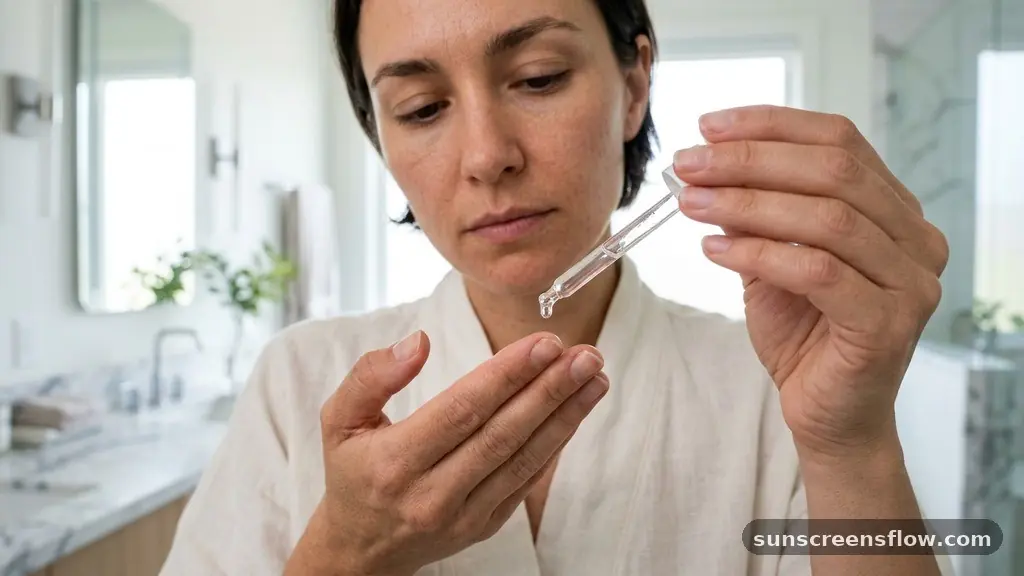
To master your routine, you must first understand the logic behind the “thin-to-thick” rule. The skin barrier is a sophisticated organ that regulates what enters and exits the body. When you apply products, you want to start with the lightest, most watery formulas and progress to the heaviest, most nourishing ones.
Serums are typically lightweight, water-based solutions that contain smaller molecules than traditional lotions or creams. If you were to apply a heavy facial moisturizer or an occlusive balm before your serum, the serum would simply sit on top of the barrier, unable to reach the deeper layers where it needs to work.
Think of your skin like a sponge. If you coat a sponge in a thick layer of wax, water will never soak in. Similarly, if you apply thick creams first, you create a physical barrier that prevents the absorption of the targeted treatments found in your serums.
By applying your serum directly onto clean, slightly damp skin—often immediately after using a toner—you ensure that the potent actives, such as niacinamide or vitamin c, have a clear path for optimal absorption rate. This systematic approach minimizes waste and maximizes the efficacy of every bottle in your vanity.
Why Cleansing and Toning Are Essential Precursors
Before you even consider applying a serum, your canvas must be prepared. Cleansing is the absolute baseline of any effective regimen. It removes the day’s accumulation of dirt, oil, pollution, and makeup.
If you apply a serum over unwashed skin, you are essentially trapping debris and bacteria against your pores, which can lead to inflammation and pore congestion. Once the skin is clean, the use of a toner can further refine the surface.
Modern toners are far more than simple astringents; they are often designed to balance the pH balance of your skin, making it more receptive to subsequent treatments. Applying a serum to skin that has been properly toned creates a hydrated environment.
Because many serums contain humectants like hyaluronic acid, they function best when there is a small amount of residual moisture on the skin. By toning, you are not only removing final traces of impurities but also ensuring your skin is primed to drink up the active ingredients that follow.
The Science of Molecular Weight and Absorption
The reason we obsess over the order of operations is rooted in chemistry. The molecular weight of a substance determines how easily it can pass through the lipid bilayers of the skin cells.
Serums are engineered to have a low molecular weight, allowing them to bypass the surface and interact with the dermis. Conversely, moisturizers are formulated with larger molecules and emollient ingredients that sit on the surface to lock in hydration and prevent transepidermal water loss.
If you reverse this order, you disrupt the natural function of these products. For example, if you apply an oil-based cream before a water-based serum, the oil acts as a hydrophobic shield. Since water and oil do not mix, the water-based serum will fail to penetrate the oil layer.
This is why the layering process is strictly defined by the physical properties of the products. By following the thin-to-thick rule, you ensure that the specialized molecules in your serum are not being blocked by the larger, protective molecules found in your thicker creams and lotions.
Managing Multiple Serums and Active Ingredients
Many skincare enthusiasts wonder if they can use more than one serum. The answer is yes, but you must be strategic. If you are using multiple treatments, apply them from the thinnest consistency to the thickest.
For instance, if you are using a watery vitamin c serum in the morning and a slightly more viscous hyaluronic acid serum, apply the vitamin c first. Always allow each layer to dry for about sixty seconds before moving to the next.
However, you must be cautious about which ingredients you combine. Some active ingredients can interact negatively or cause irritation if layered incorrectly. For example, using high-strength retinol alongside strong chemical exfoliants like AHAs or BHAs can compromise the skin barrier and lead to redness or sensitivity.
Always perform a patch testing protocol when introducing new products to ensure your skin reacts well to the combination. When in doubt, separate your actives: use your antioxidants in the morning and your rejuvenating treatments like retinol at night.
Table: Routine Sequencing Guide
| Step | Product Type | Purpose | Texture |
|---|---|---|---|
| 1 | Cleanser | Remove impurities | Liquid/Gel |
| 2 | Toner | Balance pH | Watery |
| 3 | Serum | Targeted treatment | Lightweight |
| 4 | Moisturizer | Lock in hydration | Cream/Lotion |
| 5 | Sunscreen | Protect from UV | Lotion/Fluid |
The Role of Humectants and Occlusives

Understanding the difference between humectants and occlusives is vital for effective serum application. Humectants are ingredients that attract water to the skin, while occlusives are ingredients that create a seal to prevent that water from escaping. Most serums rely heavily on humectants, such as glycerin or hyaluronic acid, to plump the skin and improve texture.
Because humectants are “water-loving,” they require a source of hydration to function properly. If you apply a humectant-rich serum to bone-dry skin in a dry environment, the serum may actually pull moisture out of your skin rather than into it. This is why applying your serum to damp skin is a pro tip that changes everything.
Once the serum is applied, you follow up with a facial moisturizer, which typically contains occlusives like ceramides or plant oils. These act as the “lid” on your skincare, trapping the hydration provided by the serum and ensuring your skin remains supple throughout the day.
Addressing Topical Gaps: Why Some Serums Fail
One of the most common reasons people feel their serum isn’t working is due to improper application order or timing. A frequent gap in knowledge is the assumption that more is better. You do not need a generous amount of serum to see results.
Because these products are highly concentrated, a pea-sized amount is usually sufficient for the entire face. Using too much can lead to product pilling, where the serum rolls off the skin in small beads, effectively wasting the product.
Another gap is the failure to consider the base of the product. If you are mixing a water-based serum with an oil-based serum, the order becomes even more critical. Water-based products must always go first.
If you apply an oil-based product first, the water-based serum will simply bead up on the surface. Furthermore, many people forget that sunscreen is the final step in any morning routine. Never apply your serum over your sunscreen; it will disrupt the protective film and significantly reduce the spf rating, leaving your skin vulnerable to UV damage.
Day Versus Night: Adjusting Your Routine
Your skincare needs change between morning and evening. In the morning, your focus should be on protection and prevention. This is the ideal time to use antioxidants like vitamin c, which neutralize free radicals caused by pollution and sun exposure.
Because these are vulnerable to oxidation, applying them early in the day is essential. After your serum, you follow with a moisturizer and, most importantly, a broad-spectrum sunscreen.
At night, your skin shifts into repair mode. This is the best time to incorporate ingredients that encourage cell turnover, such as retinol or peptides. Since these ingredients can make your skin more sensitive to sunlight, they are best reserved for your evening routine.
The sequence remains the same: cleanse, tone, apply your treatment serum, and finish with a heavier night cream. By segmenting your ingredients this way, you allow your skin to receive the specific support it needs depending on whether it is facing the environmental stressors of the day or undergoing the natural recovery processes of the night.
Common Mistakes to Avoid in Your Skincare Sequence
Even with the best intentions, it is easy to fall into traps that hinder your results. One of the most significant errors is not allowing enough time for products to “set.”
If you rush through your routine, applying one layer immediately after another, you risk diluting the concentration of your active ingredients. Allow the skin to feel “tacky” or dry to the touch before moving on to the next step.
Another common mistake is ignoring the neck and décolleté. The skin on your neck is often thinner and more prone to signs of aging than the skin on your face. When you apply your serum, bring it down to your neck and chest.
Furthermore, do not skip exfoliation just because you are using serums. While serums provide the nutrients and actives, exfoliation removes the dead skin cells that block absorption. However, ensure you are not exfoliating too aggressively, as this can damage the skin barrier, making your skin reactive to the very serums you are trying to use for improvement.
- Always cleanse thoroughly to remove surface debris before applying treatments.
- Apply your serum to slightly damp skin to enhance the performance of humectants.
- Use the thin-to-thick rule: water-based serums first, followed by heavier creams.
- Wait at least 60 seconds between layers to prevent product pilling or dilution.
- Never skip sunscreen as the final step in your morning routine to protect active ingredients.
- Patch test new serums on your inner arm to check for potential irritation.
- Focus on morning routines for antioxidants and nighttime for repair-based actives.
The Importance of Consistency and Patience
Skincare is a marathon, not a sprint. One of the biggest misconceptions is that a serum will provide immediate, overnight results. While some products, like those containing niacinamide, might provide a subtle glow or immediate hydration, most active ingredients require weeks of consistent use to show visible changes in skin texture, tone, or fine lines.
Because the skin cell turnover cycle takes roughly 28 to 40 days, you should commit to your routine for at least a full month before deciding if a product is working for you. Documenting your skin with photos can help you track progress that you might miss in the mirror day-to-day.
By maintaining a consistent order—cleansing, toning, applying your serum, and locking it in with a moisturizer—you build a foundation for long-term skin health. Remember that the “best” routine is the one you can stick to every single day, so keep your steps simple, effective, and tailored to your specific skin concerns.
Frequently Asked Questions
Is it necessary to use a toner before applying serum?
While not strictly mandatory, using a toner is highly beneficial. It balances the skin’s pH levels and removes residual impurities, creating a clean, prepped surface that allows your serum to absorb more effectively. It also provides a light layer of hydration that helps humectants in the serum perform better.
Can I apply moisturizer before my serum?
No, you should avoid applying moisturizer before your serum. Moisturizers are typically thicker and designed to create a barrier to lock in hydration. If you apply them first, they will block the serum from penetrating the skin, rendering the active ingredients in your serum largely ineffective.
How long should I wait after applying serum before using moisturizer?
It is recommended to wait about 60 seconds after applying your serum. This allows the product to absorb into the skin and “set” properly. If you apply your moisturizer immediately, you risk moving the serum around or diluting it, which can cause the products to pill or not absorb fully.
Can I mix different serums together in the same step?
You can layer different serums, but you should always apply them from the thinnest consistency to the thickest. However, be careful not to mix incompatible ingredients, such as strong retinols and harsh acids, in the same application, as this can lead to significant skin irritation and barrier damage.
Final Thoughts on Serum Integration
Determining what step is serum in skincare is the key to unlocking the full potential of your products. By placing your serum after cleansing and toning but before your moisturizer, you provide your skin with the most efficient route for nutrient delivery. Remember that the success of your routine relies on the science of layering—starting with the lightest, water-based formulas and finishing with the heavier, occlusive creams.
By respecting the molecular needs of your skin and maintaining consistency in your application order, you will ensure that your active ingredients work exactly as intended. Whether you are targeting dehydration with hyaluronic acid, brightening with vitamin c, or refining texture with retinol, the correct sequence is your best tool for achieving healthy, radiant skin.


