


Mastering the art of how to use facial serum is a transformative step for anyone looking to elevate their daily skincare routine. These potent, lightweight formulas are designed to deliver a high concentration of active ingredients directly into the deeper layers of the skin, bypassing the superficial barriers that heavier creams might struggle to penetrate.
By understanding the science of delivery and the correct order of application, you can significantly enhance your complexion, address specific concerns like hyperpigmentation or dehydration, and ensure that every drop of product works effectively. Whether you are a beginner or looking to refine your current regimen, learning the nuances of serum application is the secret to unlocking radiant, healthy-looking skin.
Understanding the Role of Facial Serums in Your Routine
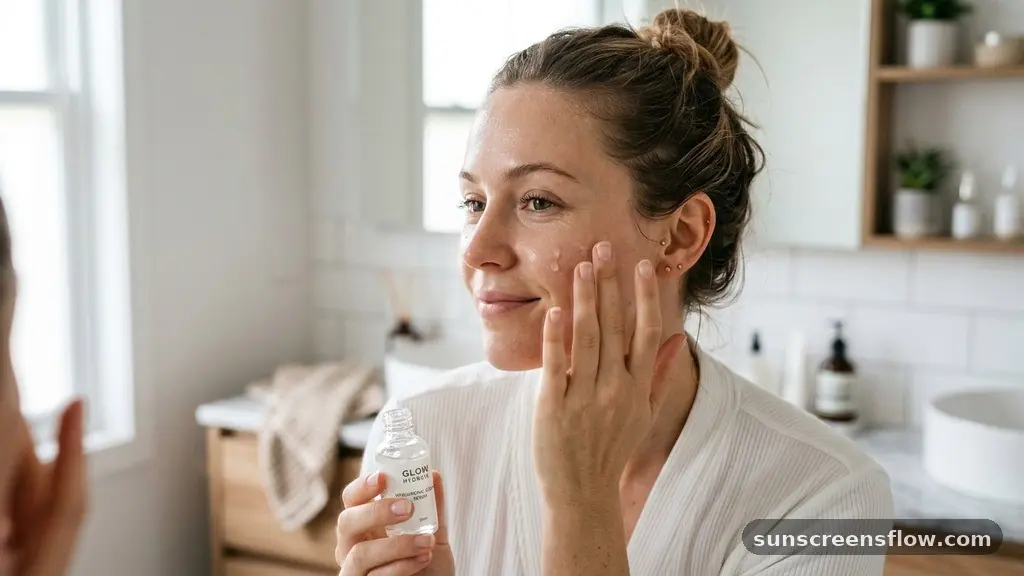
At its core, a facial serum is a targeted treatment. Unlike a standard moisturizer, which is formulated to sit on the surface to lock in hydration, a serum typically possesses a lower molecular weight. This allows the product to penetrate the epidermis and reach the dermis more efficiently.
Because these formulas are packed with concentrated active ingredients—such as antioxidants, peptides, and botanical extracts—they act as the “engine” of your skincare regimen. Think of your cleanser as the prep, the serum as the treatment, and your moisturizer as the protective seal.
When you incorporate these treatments into your daily life, you are essentially providing your skin cells with the nutrients they need to function optimally. Because of their high potency, you only need a few drops to cover the entire face and neck. This is why most high-quality serums come with a pipette or a pump dispenser; the goal is precision.
If you are using too much, you are not only wasting expensive product but potentially overwhelming your skin barrier. Always remember that the goal is consistent, measured delivery rather than heavy saturation.
The Importance of Proper Application Order
The golden rule of skincare layering is to move from the thinnest consistency to the thickest consistency. Following this principle is vital when considering how to use facial serum effectively. After you have used a facial cleanser to remove dirt, oil, and debris, your skin is a blank canvas.
If you apply a thick, emollient-rich cream first, the serum will simply sit on top of that barrier, unable to reach the skin cells it is meant to treat. By applying your serum immediately after cleansing—and perhaps a light toner—you ensure maximum absorption.
Think of your skin like a sponge. A slightly damp sponge absorbs liquid much faster than a bone-dry one. Many dermatologists recommend applying your serum while the skin is still slightly moist from your toner or a light mist.
This creates a hydration bridge, allowing the active ingredients to glide across the skin and penetrate more deeply. Once the serum has been absorbed for about sixty seconds, you can follow up with your moisturizer, which acts as an occlusive layer to trap the serum’s benefits inside.
Applying Serum During Your AM and PM Regimen
Your skin has different needs throughout the day, which is why your AM and PM regimen should be distinct. In the morning, your primary goal is protection. Using a vitamin C serum is a common and highly effective practice because it acts as an antioxidant shield, neutralizing free radicals caused by pollution and UV exposure.
When applying this, ensure your face is clean and dry. Use your fingertips to gently pat the product into the skin rather than rubbing it vigorously. This gentle patting motion encourages blood circulation and ensures an even distribution of the formula without dragging the skin.
At night, your skin shifts into repair mode. This is the ideal time to use serums containing retinol, exfoliating acids, or niacinamide. Retinol, in particular, requires specific care.
Because it is a powerful cell-turnover agent, it can be irritating if used incorrectly. Apply a pea-sized amount to clean, dry skin, and always follow up with a nourishing moisturizer to support the skin barrier. By splitting your active ingredients between morning and night, you prevent “over-treating” your skin, which can lead to redness, inflammation, or a compromised moisture barrier.
Selecting the Right Technique for Maximum Absorption
The way you dispense and apply the product significantly impacts the absorption rate. Using a pipette, dispense three to four drops directly onto your fingertips or the palm of your hand. Avoid touching the dropper directly to your face, as this can introduce bacteria back into the bottle, compromising the stability of your active ingredients.
Once the product is in your hands, rub them together briefly to warm the serum. The warmth of your skin helps the formula become more fluid, making it easier to spread evenly across your forehead, cheeks, chin, and neck.
Once the serum is on your face, avoid the urge to rub it in circles for several minutes. Instead, use a gentle patting or pressing motion. This technique is less abrasive and helps the product settle into the pores.
If you are using a product with humectants like hyaluronic acid, patting is especially beneficial as it helps the ingredient pull water into the skin. Pay special attention to the neck and décolletage, as these areas often show signs of aging just as quickly as the face and are frequently neglected in standard routines.
Comparing Common Serum Categories
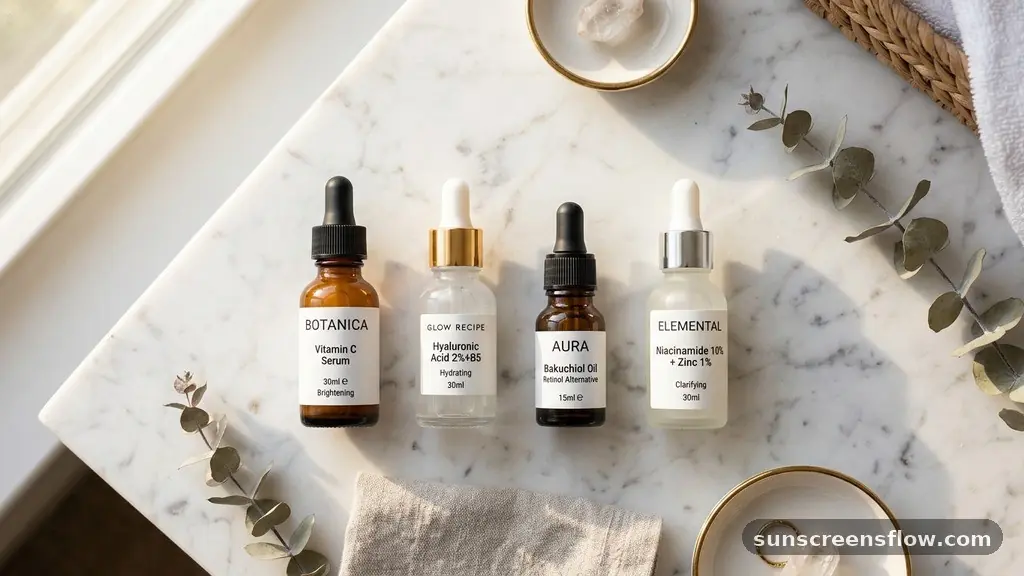
To better understand how to use facial serum, it helps to categorize them by their primary function. Different ingredients serve different purposes, and knowing what you are putting on your skin is half the battle.
| Serum Type | Primary Benefit | Best Time to Use |
|---|---|---|
| Vitamin C | Brightening & Antioxidant Protection | AM |
| Hyaluronic Acid | Deep Hydration & Plumping | AM & PM |
| Retinol | Anti-Aging & Cell Turnover | PM Only |
| Exfoliating Acids | Pore Cleansing & Smoothing | PM (1-3 times/week) |
Each of these categories requires a different approach to frequency and layering. For instance, while hyaluronic acid is generally non-irritating and can be used twice daily, exfoliating acids like glycolic or salicylic acid should be used sparingly to avoid stripping the skin. Understanding the specific needs of your skin type—whether you are oily, dry, or combination—will dictate which of these serums should be your daily staple versus your occasional treatment.
Addressing Topical Gaps: Common Mistakes and How to Avoid Them
Many people struggle with “pilling,” where the product rolls off the skin in little balls. This usually happens when you apply too much product or do not wait long enough for the serum to absorb before applying your moisturizer or sunscreen. If you find your serum is pilling, try using less product and waiting a full two minutes between steps.
Another common gap in knowledge is the misuse of comedogenic products. If you are prone to acne, look for serums labeled “non-comedogenic,” which indicates they are formulated not to clog pores.
Furthermore, many users forget to perform a patch test when introducing a new active ingredient. A patch test is simple: apply a small amount of the serum to the inside of your wrist or behind your ear and wait 24 hours to see if you have a reaction. This is especially important for potent formulas like retinol or vitamin C.
By taking this extra step, you save yourself the potential discomfort of a full-face allergic reaction. Remember, your skin barrier is delicate; respect it by introducing new products slowly and observing how your skin responds over a week or two.
The Role of Humectants and Occlusives
Understanding the chemistry of your products is key to long-term success. Humectants, such as hyaluronic acid or glycerin, work by drawing moisture from the environment into the skin. However, if you live in a very dry climate, these ingredients can sometimes have the opposite effect if not properly sealed.
This is where occlusives come in. Your moisturizer acts as the occlusive, creating a physical barrier that prevents the water pulled in by your humectants from evaporating back into the air.
If you use a serum that is purely humectant-based without following up with a moisturizer, you might actually feel drier after an hour. This is a common point of frustration for users who don’t understand the interplay between these two types of ingredients.
Always pair your hydrating serums with a cream or lotion that contains lipids, ceramides, or plant oils to lock in that moisture. This synergy is what maintains a healthy skin barrier and prevents transepidermal water loss, keeping your face looking plump and hydrated throughout the day.
Ingredient Synergy and Storage Tips
Not all ingredients play well together. For example, using high-strength exfoliating acids at the same time as retinol can lead to severe irritation and a compromised skin barrier. Instead, alternate these treatments on different nights.
On the other hand, some ingredients are designed to be used together. Niacinamide, for instance, is a fantastic partner for almost any serum, as it helps soothe the skin and reinforces the barrier. Creating a balanced routine requires patience and a bit of trial and error.
Storage is another often-overlooked factor. Active ingredients like vitamin C are notoriously unstable and can oxidize when exposed to light, heat, or air. You will know if your vitamin C serum has oxidized if it turns from clear or pale yellow to a dark orange or brown color.
To prolong the life of your serums, store them in a cool, dark place—not necessarily the bathroom, which can be humid and warm. A vanity drawer or a dedicated skincare fridge is ideal. Ensuring your products are stored correctly guarantees that you are getting the full potency of the active ingredients every time you apply them.
Consistency: The Key to Visible Results
The most important aspect of learning how to use facial serum is consistency. Skincare is not a quick fix; it is a long-term investment. While some hydrating serums provide an immediate “plumping” effect, active ingredients that target hyperpigmentation, fine lines, or acne require time to work.
Most dermatologists suggest giving a new serum at least four to six weeks of consistent use before deciding if it is working for you. This timeframe aligns with the natural cycle of skin cell turnover.
Keep a simple log if you are trying out multiple new products. Note the date you started and any changes you notice in your skin’s texture or clarity. If you experience persistent redness, flaking, or stinging, stop using the product immediately.
Your skin is communicating that it is either sensitive to the concentration of the active ingredients or that the product is not a good match for your specific skin type. By listening to your skin and maintaining a steady, disciplined routine, you will eventually see the cumulative benefits that make serums such a powerful tool in any professional skincare arsenal.
Frequently Asked Questions
Is it necessary to use a facial serum every single day?
Yes, for most people, using a serum daily is the best way to see results. Because serums contain concentrated active ingredients, consistent application is necessary to maintain the benefits, whether you are targeting hydration, brightness, or anti-aging. However, always follow the specific usage instructions for potent actives like retinol.
Can I apply moisturizer immediately after my serum?
It is better to wait about 60 seconds after applying your serum before layering your moisturizer. This short window allows the serum to absorb into the skin, ensuring it doesn’t get wiped away or diluted by the thicker, occlusive moisturizer you apply afterward for sealing in moisture.
Do I need to wash off my facial serum?
No, you should never wash off your facial serum. Serums are designed to be left on the skin so that the active ingredients can penetrate and perform their functions. Washing them off would essentially negate the purpose of using a targeted treatment in your skincare routine.
Can I use multiple serums at the same time?
Yes, you can use multiple serums, but you must layer them correctly. Apply the thinnest, most water-like formula first, followed by thicker, gel-like serums. Avoid layering too many actives, such as multiple types of exfoliating acids, as this can easily irritate your skin and damage your moisture barrier.
Conclusion
Learning how to use facial serum effectively is an essential skill for anyone serious about skin health. By focusing on the correct order of application, respecting the potency of active ingredients, and maintaining a consistent AM and PM regimen, you can harness the full power of these concentrated treatments. Whether you are aiming to boost skin hydration, improve texture, or protect against environmental damage, the right serum used correctly will serve as the backbone of your routine.
Remember that patience is a virtue in skincare; by allowing your products time to work and listening to your skin’s unique needs, you will achieve the radiant, healthy complexion you desire. Stay consistent, store your products properly, and enjoy the transformative journey toward better skin.


