


Finding the right moment to integrate potent treatments into your regimen is essential for achieving visible results. Knowing exactly when to use serum on face is not just about the order of operations; it is about respecting the chemistry of your products and the biological needs of your skin.
Because serums are formulated with high concentrations of active ingredients, they are designed to penetrate deeper than standard creams or lotions. If you apply them at the wrong time or in the wrong sequence, you risk neutralizing their efficacy or preventing them from reaching the dermis where they can do the most good.
The general rule of thumb in professional aesthetics is to apply products from the thinnest consistency to the thickest. Serums are typically lightweight, water-based, or oil-based fluids that absorb quickly. By placing them directly onto clean, slightly damp skin, you maximize epidermal absorption.
However, the timing also depends heavily on the specific ingredients involved. For example, some molecules are photosensitive and thrive in the dark, while others act as antioxidants that are best utilized as a shield against daily environmental stressors. Mastering this timing transforms a haphazard bathroom routine into a targeted, science-backed strategy for healthier, more resilient skin.
The Foundation of Skincare Layering
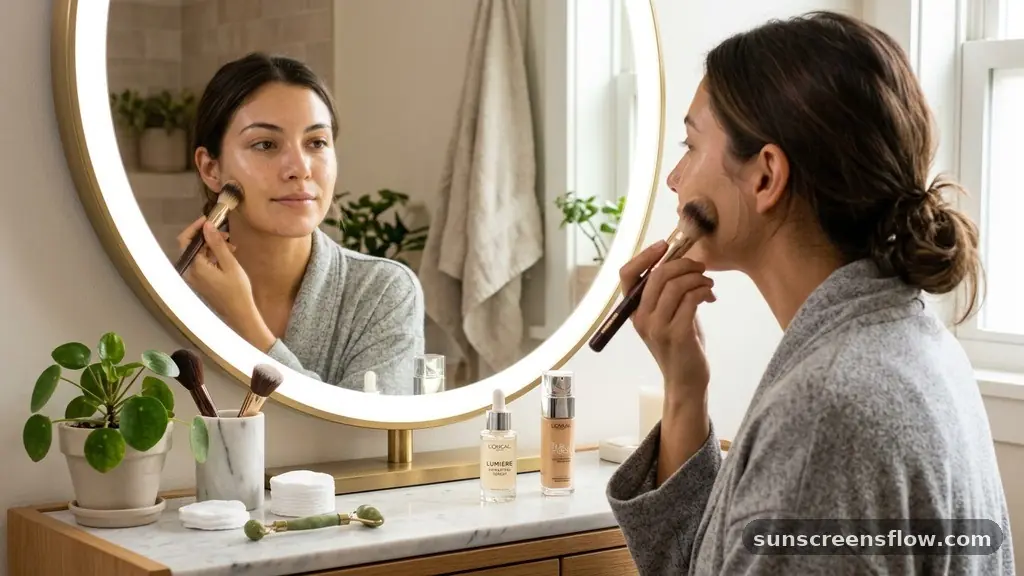
Successful skincare relies on the concept of skincare layering, which operates on the principle of molecular weight and viscosity. When you are determining when to use serum on face, you must first ensure your canvas is prepared. This begins with a thorough cleanse to remove debris, oil, and pollution.
After cleansing, many people use a toner to balance the pH balance of the skin, which can sometimes be disrupted by tap water or harsh cleansers. Once the skin is prepped, the serum should be the first “treatment” step you take.
Think of your skin as a sponge. If you have already applied a thick, heavy cream or a rich oil, the sponge is saturated and cannot take in the concentrated actives found in your serum. By applying the serum while the skin is still slightly damp from your toner or wash, you encourage better penetration.
This is particularly important for ingredients like hyaluronic acid, which is a powerful humectant. Humectants work by drawing moisture from the environment into the skin.
If you apply them to dry skin in a dry climate, they can sometimes have a paradoxical effect, drawing moisture out of your deeper skin layers. Applying them to damp skin ensures they have the hydration they need to plump and hydrate the surface effectively.
Morning Routine vs. Evening Routine
Understanding the distinction between your morning routine and your evening routine is critical for ingredient stability and skin health. During the day, your skin is under constant assault from UV radiation, pollution, and blue light. Therefore, the serums you choose for your morning regimen should focus on protection and prevention.
A vitamin c serum is the gold standard here. It acts as an antioxidant that neutralizes free radicals, effectively preventing oxidative stress before it leads to collagen breakdown.
In contrast, your nighttime routine is the “repair” phase. While you sleep, your skin enters a cycle of regeneration, increasing blood flow and cell turnover. This is the optimal time to use serums containing retinol or other chemical exfoliants.
These ingredients can increase sun sensitivity, making them unsuitable for daytime use unless paired with extremely diligent sun protection. Using these actives at night allows them to work in tandem with the body’s natural repair processes.
Furthermore, the evening is when you can afford to use heavier, more occlusive layers. Once your serum has dried down, you can follow it with a richer facial moisturizer that prevents trans-epidermal water loss while you sleep, ensuring that the active ingredients you applied earlier stay locked into the skin where they are needed most.
The Role of Absorption Rates and Product Consistency
The reason we apply products from lightest to heaviest is rooted in the absorption rate of different formulations. Serums are engineered to have small molecular sizes, which allows them to bypass the dead skin cells on the surface and deliver active ingredients deeper into the skin.
If you were to apply a heavy, oil-based cream before a serum, the oil would create a barrier on the skin, blocking the serum from entering. This is why serum consistency is such an important indicator of order.
If you are using multiple serums, you should apply them in order of thinnest to thickest. For instance, a watery niacinamide serum should go on before a thicker, gel-like peptide serum. Wait about 30 to 60 seconds between each application to allow the product to settle.
This “dry down” period is often overlooked but is crucial for preventing pilling—that annoying phenomenon where your skincare rolls off your face in little beads. If you are rushing, you are essentially mixing your products on the surface of your skin rather than allowing them to work independently in the layers where they are meant to function.
Managing Active Ingredients and Potential Irritation
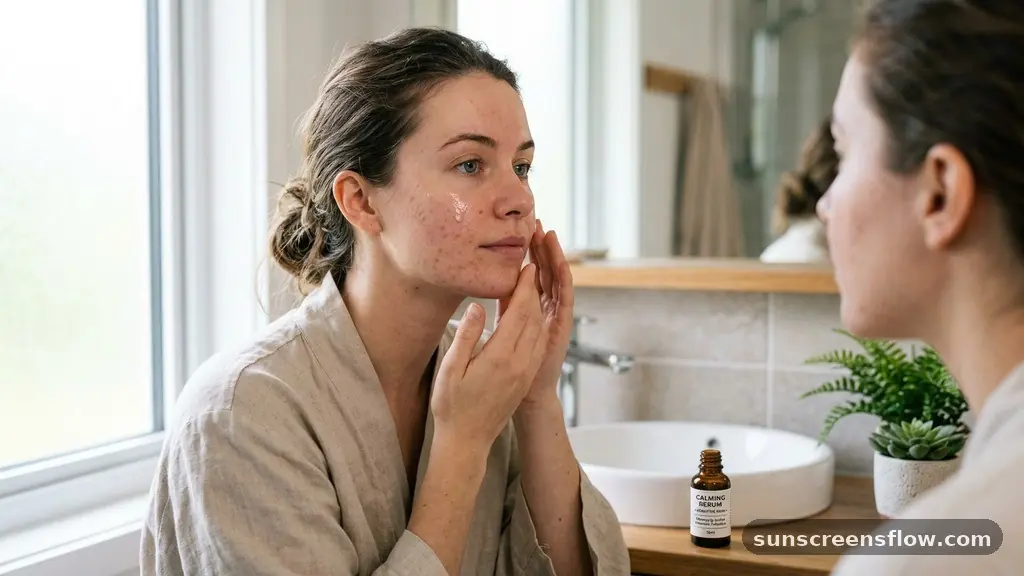
When you introduce potent compounds into your routine, you must be mindful of how they interact. Some active ingredients are chemically incompatible or can cause severe irritation when layered incorrectly.
For example, layering high-strength AHA/BHA acids with retinol can compromise your skin barrier, leading to redness, flaking, and sensitivity. This is why it is often recommended to use these on alternating nights rather than trying to layer them all at once.
If you are new to a specific active ingredient, always perform a patch testing protocol. Apply a small amount of the serum to your inner forearm or behind your ear and wait 24 hours to see if any reaction occurs. This is especially important for those with sensitive skin.
Additionally, consider your skin type when selecting serums. Oily skin types may prefer lighter, water-based serums that are non-comedogenic, meaning they won’t clog pores.
Dry skin types might look for serums that contain ceramides or fatty acids to support the lipid barrier. By choosing the right formula for your specific skin needs, you ensure that the serum works for you rather than against you.
The Importance of Occlusives and Moisturizers
After you have applied your serum, you must seal it in. This is where the facial moisturizer becomes the most important step in the process. Moisturizers often contain occlusive ingredients like petrolatum, shea butter, or dimethicone.
These ingredients create a physical film over the skin that slows down evaporation. Without this final step, the water-based serum you just applied could evaporate into the air, taking your skin’s natural moisture with it—a process known as trans-epidermal water loss.
Think of the serum as the “treatment” and the moisturizer as the “sealant.” If you only apply serum, your skin might feel tight or dry within an hour. If you only apply moisturizer, you are hydrating the surface but missing the opportunity to treat deeper concerns like hyperpigmentation, fine lines, or acne.
By combining them, you get the best of both worlds: the targeted delivery of the serum and the protective, hydrating benefits of the cream. Always wait until the serum is tacky or fully absorbed before applying your moisturizer to ensure you don’t smear the serum around or dilute it before it has had a chance to work.
Addressing Common Topical Gaps
Many people wonder if they can mix serums together in their palm before applying. While this is time-efficient, it is generally not recommended by dermatologists. When you mix products in your hand, you alter the pH and the formulation stability.
You might inadvertently deactivate the ingredients or change their penetration profile. It is always better to apply one serum, wait for it to sink in, and then apply the next.
Another common gap in knowledge is whether you need a serum if you have a great moisturizer. The answer is: it depends on your goals. If you have “perfect” skin and just want to maintain it, a good cleanser and moisturizer are sufficient.
However, if you want to address specific concerns like dark spots, acne, or signs of aging, a serum is necessary because it contains a much higher concentration of active ingredients than a standard moisturizer. A moisturizer is designed to support the skin barrier, while a serum is designed to change the behavior of the skin cells. You do not necessarily need a serum, but if you want to see specific results, it is the most effective tool in your kit.
Comparing Application Protocols
The following table summarizes the typical order of application to ensure you are getting the most out of your products.
| Order | Step | Purpose |
|---|---|---|
| 1 | Cleansing | Removes dirt, oil, and makeup |
| 2 | Toner | Balances pH and removes residual debris |
| 3 | Serum | Delivers high-potency active ingredients |
| 4 | Moisturizer | Locks in hydration and protects barrier |
| 5 | Sunscreen | Protects against UV damage (Morning Only) |
This sequence is designed to move from the most fluid to the most viscous products. By following this structure, you minimize the chance of product interference and maximize the efficacy of every drop of serum you use. Remember that the sunscreen step is non-negotiable in the morning, as many active ingredients make your skin more susceptible to sun damage.
Essential Tips for Effective Serum Usage
Beyond the “when” and “how,” there are several best practices that can elevate your results. First, always store your serums correctly. Ingredients like vitamin c are highly unstable and can degrade when exposed to light, heat, or air.
Keep your serums in a cool, dark place, such as a drawer or a skincare fridge, rather than on a sunny windowsill. If a serum changes color—for example, if a vitamin C serum turns dark orange or brown—it has likely oxidized and lost its potency.
Another tip is to be patient. Unlike a cleanser, which provides immediate results, serums are cumulative. You might not see a change in skin texture or brightness for several weeks.
It takes time for the dermis to respond to active ingredients and for the skin cycle to turn over. Do not jump from product to product every few days.
Give your skin at least six to eight weeks to adjust to a new serum before deciding whether it is working for you. Consistency is the secret ingredient in any successful skincare routine.
- Always apply serums to clean, slightly damp skin to enhance penetration.
- Use antioxidant-rich serums like Vitamin C in the morning for environmental protection.
- Reserve stronger actives like retinol for the evening when the skin is in repair mode.
- Layer products from thinnest to thickest to prevent pilling and ensure absorption.
- Always follow with a moisturizer to prevent trans-epidermal water loss.
- Perform a patch test on new products to check for allergic reactions or sensitivity.
- Avoid mixing different serums in your palm; apply them one at a time for maximum stability.
Frequently Asked Questions
Should I apply serum before or after moisturizer?
You should always apply your serum before your moisturizer. Serums are thinner, water-based, and contain concentrated active ingredients that need to reach the skin directly. Applying a moisturizer afterward acts as a seal, locking the serum into the skin and preventing moisture loss.
Can I use multiple serums at the same time?
Yes, you can layer multiple serums, but you should apply them from the thinnest consistency to the thickest. Wait about 30 to 60 seconds between applications to allow each one to absorb fully. Avoid layering too many actives, as this can increase the risk of skin irritation.
Do I really need to use a serum every day?
While not strictly mandatory for everyone, using a serum daily is the most effective way to address specific skin concerns like hyperpigmentation, fine lines, or dehydration. If your skin is healthy and you have no specific concerns, a simple cleanser and moisturizer routine is perfectly acceptable.
Why does my serum pill after I apply it?
Pilling often happens if you apply products too quickly without letting them dry down, or if the formulas are incompatible. Try waiting longer between steps or checking if your moisturizer contains silicones that might be clashing with your serum base. Ensure your skin is clean before starting.
Conclusion
Knowing when to use serum on face is a foundational skill that elevates your entire approach to skincare. By understanding the importance of skincare layering, respecting the absorption rate of your products, and balancing your morning routine with your evening routine, you can ensure that every bottle you purchase serves a purpose. Whether you are using hyaluronic acid for a hydration boost, vitamin c for antioxidant defense, or retinol for anti-aging, the timing of your application dictates the quality of your results.
Remember that skincare is a marathon, not a sprint. By maintaining consistency, protecting your skin barrier, and always following up with a quality facial moisturizer and sunscreen, you provide your skin with the best possible environment to thrive, heal, and glow.
Avoid the temptation to overcomplicate your routine, and focus instead on high-quality, targeted products applied in the correct order. With this structured approach, you will maximize the potential of your serums and achieve the clear, radiant skin you are working toward.


