


Determining whether your toner or serum goes first is a common point of confusion in any daily skincare routine. To get the most out of your expensive bottles, you need to understand the basic rule of thumb: apply products from thinnest to thickest consistency.
By placing your toner before your serum, you ensure that your skin is properly prepped, hydrated, and ready to absorb the more concentrated active ingredients found in your serums. This simple ordering shift can significantly change how well your skin responds to your chosen treatments.
The Fundamental Rule of Skincare Layering
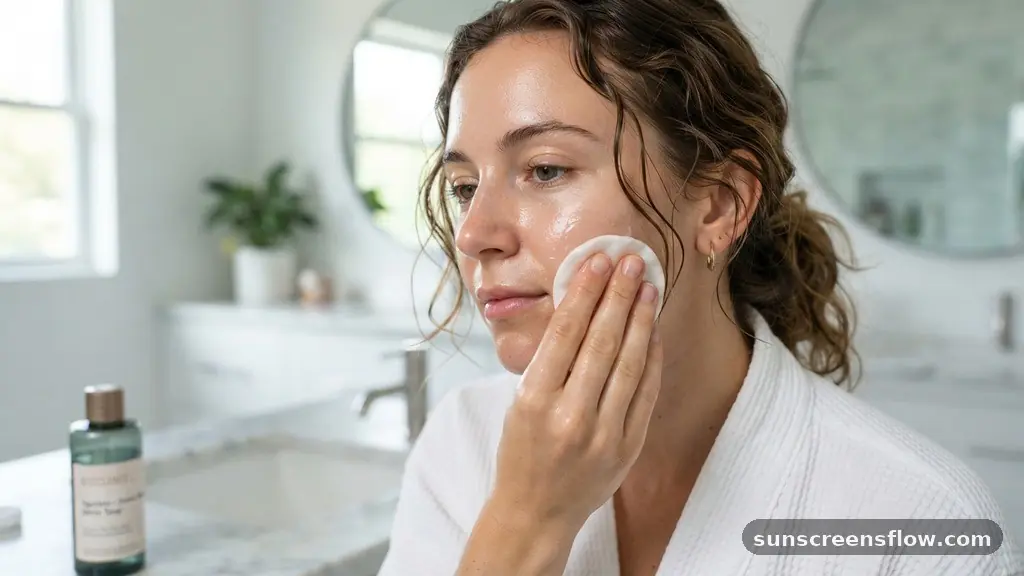
The golden rule of skincare layering is simple: apply products in order of product viscosity, starting with the thinnest and moving toward the thickest. When you ask what goes first toner or serum, the answer is almost always the toner.
Toners are typically water-like in consistency, designed to sweep away residual debris and reset your pH balance after cleansing. Because they are so lightweight, they sink into the epidermis almost instantly.
If you were to apply a thick, creamy serum first, it would create a barrier on the surface of your skin. This barrier would prevent the thinner toner from penetrating effectively. Conversely, applying a toner first creates a damp, receptive base.
This moisture helps the skin absorption of subsequent products, allowing them to travel deeper into the skin where they can do the most work. Think of your skin like a sponge; it absorbs liquid much more efficiently when it is already slightly damp than when it is bone dry.
Understanding the Role of Toner
Many people misunderstand the purpose of a toner. In the past, toners were often harsh, alcohol-based astringents that left the skin feeling tight and stripped. Today, modern formulations are vastly different.
They act as a bridge between cleansing and treatment, often providing initial skin hydration and soothing effects. Some toners even offer mild chemical exfoliation, which helps to clear away dead skin cells that might otherwise block your more potent treatments.
When you use a toner, you are essentially priming your skin. By removing any remaining impurities that your cleanser might have missed, you ensure that the pores are clean. Furthermore, by balancing the pH of your skin, you help maintain the integrity of your skin barrier.
A healthy, balanced barrier is much better at retaining moisture and defending against environmental stressors. Using a toner first is not just about order; it is about preparing the environment so that your later, more expensive products have a better chance of working.
Why Serums Follow Toners
A facial serum is a highly concentrated delivery system for active ingredients. Whether you are using vitamin C to brighten your complexion, retinol to address fine lines, or hyaluronic acid to plump the skin, these products are designed to be potent. Because they have a lower molecular weight than heavy creams or oils, they are meant to penetrate the dermis or the deeper layers of the epidermis.
If you place a serum after a toner, you are taking advantage of that slight dampness on the skin. The humectants in your serum, such as hyaluronic acid, actually pull that residual water from the toner into the skin, effectively boosting the hydration levels.
If you applied the serum to completely dry skin, it might not have enough moisture to “grab” onto, potentially leading to less effective results. By following the toner-first rule, you maximize the efficacy of these specialized treatments, ensuring that every drop of your serum is put to good use.
Consistency and Molecular Weight
The science behind the order of application relies heavily on molecular weight and texture. Generally, the smaller the molecule, the easier it is for the substance to penetrate the skin.
Toners are primarily water, meaning they have a small molecular size and high fluidity. Serums, while also often water-based, contain suspended active ingredients that make them slightly more viscous than a standard toner but thinner than a traditional moisturizer.
The Layering Hierarchy
To visualize how this works, consider the following standard order of application:
- Cleanser (to remove surface dirt and oil)
- Toner (to balance pH and prep the skin)
- Essence (a bridge between toner and serum)
- Facial Serum (targeted treatment with concentrated actives)
- Moisturizer (seals in all the previous layers)
- Sunscreen (the final protective layer during the day)
Following this sequence prevents the “pilling” effect, where products clump up on the skin because they were applied in an order that prevented proper absorption. When you apply a heavy product before a light one, the heavy product sits on top, blocking the light one from ever reaching the skin.
Addressing Common Skincare Myths
One persistent myth is that toners are unnecessary if you have a good cleanser. While a high-quality cleanser is essential, it cannot perform the specific tasks that a toner can.
Another myth is that you should wait until your face is completely dry before applying your serum. In reality, applying your serum while the skin is still slightly damp from the toner is a pro-tip for better absorption.
Another common confusion arises with the use of essence. An essence is similar to a toner but is often slightly more viscous and packed with fermented ingredients. If you are using both a toner and an essence, the rule of thumb remains: apply them from thinnest to thickest.
Usually, the toner is the thinnest, followed by the essence, and then the serum. Never feel pressured to add more steps than your skin actually needs; a simple routine that you can stick to is always better than a complex one that you abandon after a week.
Comparing Product Categories
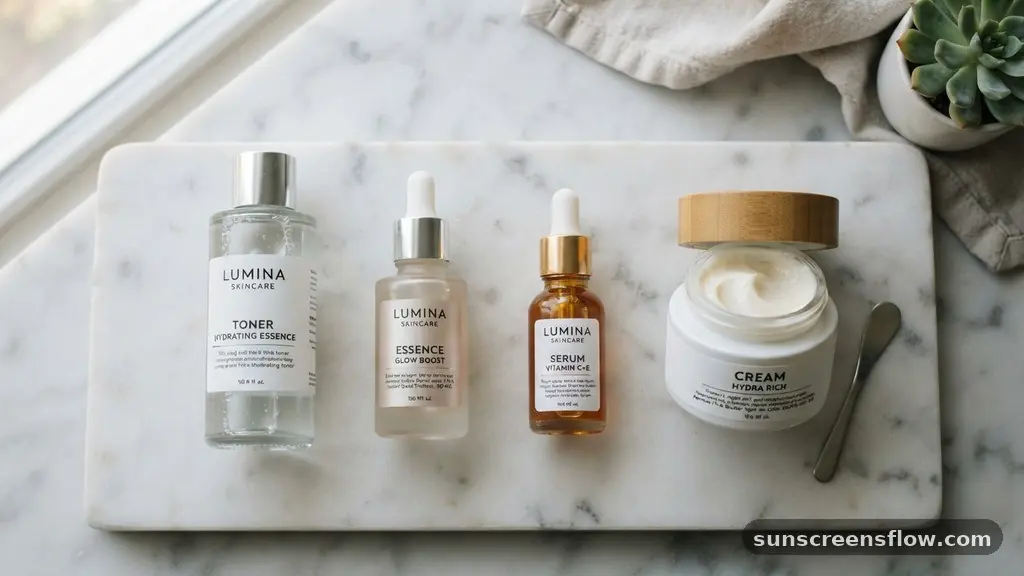
Understanding the differences between these product types helps clarify why the order matters. The following table provides a quick reference for how these products interact with your skin.
| Product Type | Primary Function | Relative Viscosity |
|---|---|---|
| Toner | pH balancing & prepping | Very Low (Water-like) |
| Essence | Hydration & skin health | Low |
| Serum | Targeted treatment | Medium |
| Moisturizer | Locking in moisture | High |
As you can see, the viscosity increases as you move down the list. By adhering to this order, you allow the skin to receive the hydration from the toner and essence first, followed by the active treatment from the serum, and finally the protective barrier from the moisturizer. This layering technique ensures that each product performs its job without interference from the others.
The Impact of Ingredients on Absorption
Different ingredients have different requirements for absorption. For instance, water-based products need to be applied before occlusives.
Occlusives are ingredients that create a physical seal over the skin to prevent transepidermal water loss. If you apply an occlusive product—like a thick face oil or a heavy cream—before a water-based serum, the serum will simply slide off the surface.
When you use a toner, you are often providing a water-based foundation. When you follow up with a serum containing hyaluronic acid, which is a powerful humectant, you are creating a synergy. The humectant binds to the water provided by the toner, effectively pushing that hydration into the skin.
If you reversed this, you would lose that synergy, and your skin might feel sticky or tacky rather than plump and hydrated. Always look for non-comedogenic formulas if you are prone to breakouts, as these will ensure that your layering routine doesn’t clog your pores while it hydrates.
Filling the Gaps in Your Routine
A common topical gap in many people’s knowledge is how to handle “active” toners versus “hydrating” toners. If you are using a toner with chemical exfoliation ingredients like AHAs or BHAs, you should treat it differently than a simple hydrating mist. These exfoliating toners should always go on clean, dry skin to ensure they can effectively break down the bonds between dead skin cells.
After an exfoliating toner, you might want to wait a minute or two to let the pH of your skin settle before applying your serum. This prevents any potential irritation that could occur if you layer a potent serum, like one containing high-strength retinol or vitamin C, directly over an acid-based toner.
If your skin is sensitive, it is perfectly fine to use a hydrating toner in the morning and reserve the exfoliating toner for your evening routine. Understanding the “active” nature of your products allows you to adjust your routine for safety and efficacy.
The Importance of Patience in Layering
While the order of application is critical, the time you allow between steps is equally important. Applying your serum immediately after your toner is fine, but you should wait until your serum has fully absorbed before applying your moisturizer. If you rush, you end up mixing the products together on the surface of your skin, which can dilute their effectiveness.
Give your skin about 30 to 60 seconds to absorb each layer. You will know your skin is ready for the next step when it no longer feels “wet” to the touch but instead feels slightly tacky or supple. This small investment of time makes a world of difference in how your products perform.
Consistency is the secret ingredient in any skincare regimen. By following the correct order and allowing for proper absorption, you ensure that you are getting the most value out of every product in your cabinet.
FAQ
Can I skip the toner and just use a serum?
Yes, you can skip toner if it doesn’t fit your needs. Toners are optional, but they provide a helpful layer of hydration and pH balancing. If your cleanser is gentle and you have a well-formulated serum, your skin will likely remain healthy and balanced without a separate toner step.
Should I apply toner while my face is still wet?
Applying toner to slightly damp skin after cleansing is ideal. It helps the skin absorb the product more efficiently. However, if your toner contains active exfoliating acids, it is often better to apply it to dry skin to avoid potential irritation or uneven application across the face.
What happens if I apply serum before toner?
If you apply a serum before a toner, the serum may create a barrier that prevents the toner from penetrating. Because serums are generally more viscous, they sit on top of the skin, potentially causing the thinner toner to evaporate or run off rather than being absorbed into the epidermis.
Does the order change at night?
The order remains the same regardless of the time of day. You should always layer from thinnest to thickest, starting with cleansing, then toner, followed by treatment serums, and finally moisturizer. The only difference at night is that you might use heavier, more reparative products rather than daytime protective ones.
Optimizing Your Daily Routine
Mastering the sequence of your skincare products is one of the easiest ways to improve your skin’s health. Remember that what goes first toner or serum is a question of consistency and molecular weight. By prioritizing the thinnest products, you allow your skin to drink in the nutrients it needs before sealing them in with a moisturizer.
Start with a clean slate, apply your toner to prep and balance, follow with your targeted serum to treat specific concerns, and always finish with a cream to protect your moisture barrier. If you ever feel overwhelmed by the number of steps, simplify your routine back to the basics and add products one at a time to see how your skin reacts. Your skin is unique, and finding the right balance of products is a personal journey that yields the best results when you stay consistent and patient.


