


A facial serum is a lightweight, highly concentrated skincare product designed to deliver high-potency active ingredients directly into the skin. Unlike standard moisturizers, which are primarily formulated to provide a protective barrier and lock in moisture, serums are engineered for targeted skincare. Because they have a lower molecular weight than heavy creams, they can penetrate the epidermis more effectively, allowing the active components to work at a deeper level.
Whether you are looking to brighten your complexion, smooth out fine lines, or manage acne, understanding the specific function of a serum is the first step toward building a more effective daily regimen. By focusing on specific skin concerns, these potent formulas act as the “engine” of your routine, while other products act as the support system.
The Core Mechanism: How Serums Penetrate Dermal Layers

The primary reason a serum differs from a lotion or cream lies in its formulation chemistry. Most facial serums are designed with a smaller molecular structure, which facilitates better transdermal absorption.
When you apply a product to your face, the goal is for the beneficial molecules to pass through the outermost layer of the skin—the stratum corneum—to reach the living cells beneath. Because serums are often formulated without the heavy thickening agents, waxes, or large-molecule occlusives found in moisturizers, they can bypass the surface-level resistance that often limits the efficacy of thicker creams.
Think of a serum as a precision tool. While a moisturizer is a broad-spectrum shield that sits on top of the skin to prevent transepidermal water loss, a serum acts as a carrier system for high-performance molecules. This ability to reach deeper dermal layers is what makes them so effective at addressing concerns like hyperpigmentation or loss of elasticity.
By delivering concentrated doses of vitamins, antioxidants, and peptides directly where they are needed, serums can initiate changes in skin behavior that simple surface hydration cannot achieve. This is why you will often see immediate, visible improvements in skin texture when incorporating a high-quality serum into your regimen.
Distinguishing Between Water-Based and Oil-Based Serums
Not all serums are created equal, and their base formulation dictates how they should be used within your facial routine sequence. A water-based serum is the most common variety.
These are typically fast-absorbing, non-greasy, and designed to deliver water-soluble ingredients like hyaluronic acid, vitamin C, or niacinamide. Because they are thin and light, they are almost always applied first, immediately after cleansing and toning, so that the water-loving molecules can sink into the skin before you apply heavier, oil-rich products.
Conversely, an oil-based serum is designed to provide nourishment and seal in hydration. These often contain plant oils or lipid-soluble actives like certain forms of retinol. While they are still lighter than a traditional face cream, they provide a different sensory experience and are often preferred by individuals with dry or dehydrated skin.
A key point to remember is the rule of “thinnest to thickest.” If you are using both types, the water-based serum must go on first.
If you apply an oil-based product first, it will create a barrier that prevents the water-based serum from penetrating. Understanding these textures is crucial for maximizing the efficacy of your products and ensuring your skin receives the full benefit of each layer.
The Role of Active Ingredients in Targeted Skincare
The efficacy of a serum is entirely dependent on its ingredient profile. Unlike basic cleansers or moisturizers, which rely on simple surfactants or emollients, serums are built around high concentrations of active ingredients. These are the “workhorses” of the skincare world.
For instance, vitamin C is a staple in many morning routines because of its powerful antioxidant protection, which helps neutralize free radicals caused by pollution and UV exposure. This not only brightens the skin but also prevents premature aging.
Other common actives include exfoliating acids, such as salicylic acid, which is highly effective at clearing out congested pores. Because serums are concentrated, a little goes a long way. This is why you typically see them packaged in small bottles with droppers; you only need a few drops to cover the entire face.
Using more than the recommended amount does not necessarily improve results and, in the case of strong actives, can even lead to irritation. By choosing a serum that specifically addresses your primary concern—be it acne, dullness, or fine lines—you are practicing a more sophisticated form of dermatological care that yields faster, more noticeable results than relying on general-purpose products.
Comparing Serums and Moisturizers: Understanding the Difference
One of the most common points of confusion for consumers is the distinction between a serum and a moisturizer. A common myth is that you can replace one with the other. In reality, they serve entirely different purposes.
A moisturizer is primarily composed of humectants (which draw water into the skin), emollients (which soften the skin), and occlusives (which create a seal to prevent moisture loss). Its primary job is to support the skin barrier.
A serum, on the other hand, is an delivery vehicle for high-concentration actives. It is not designed to be a standalone moisturizer, although some modern serums do contain hydrating ingredients. Below is a comparison table to help clarify their distinct roles in your routine.
| Feature | Facial Serum | Moisturizer |
|---|---|---|
| Primary Goal | Target specific skin concerns | Hydration and barrier protection |
| Texture | Light, thin, fast-absorbing | Creamy, thick, protective |
| Active Concentration | High | Low to moderate |
| Application Order | First (after cleansing) | Last (to seal) |
As shown in the table, the two products are complementary rather than interchangeable. If you use a serum but skip the moisturizer, you may find that your skin feels tight or dehydrated, especially in dry climates, because the serum lacks the occlusive properties required to keep moisture locked in. Conversely, if you only use a moisturizer, you are missing out on the opportunity to treat specific issues like hyperpigmentation or early signs of aging with high-potency ingredients.
Addressing Topical Gaps: Common Misconceptions About Serums
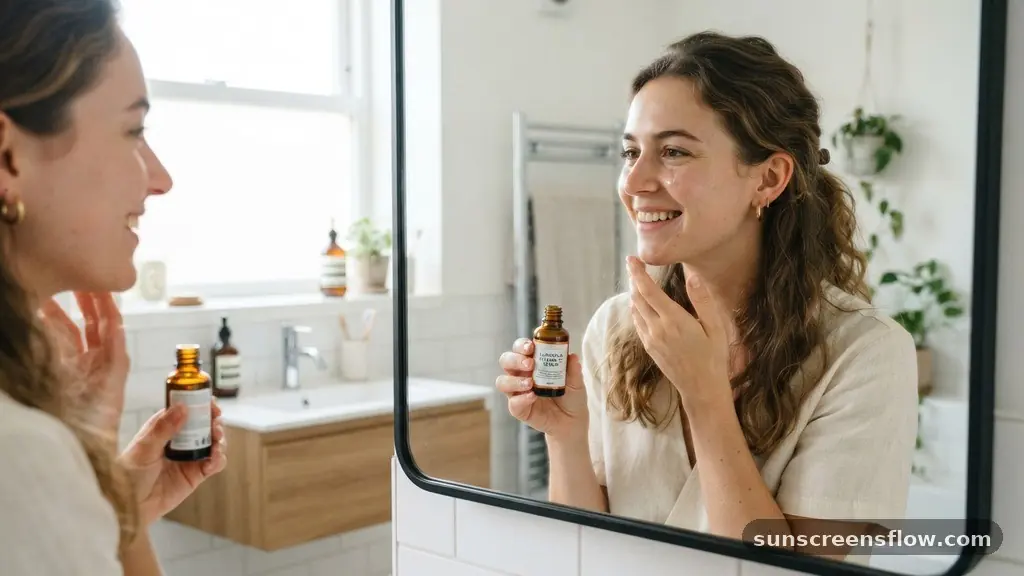
A frequent gap in knowledge regarding facial serums is the belief that they are only for “mature” skin. Many people think that because they are in their twenties, they do not need to use a serum. This is a significant oversight.
Prevention is the cornerstone of effective skincare. For example, using an antioxidant serum like one containing vitamin C in your twenties can prevent the oxidative damage that leads to wrinkles and dark spots later in life. You do not need to wait for damage to appear to start using targeted treatments.
Another common misconception is that serums are inherently more “irritating” than other products. While it is true that high-potency ingredients can cause sensitivity if used incorrectly, the issue is usually the user’s routine, not the serum itself. For instance, using a high-strength retinol serum every single night when you have never used it before will almost certainly lead to peeling and irritation.
The key is to start slow—a process known as “skin cycling” or gradually introducing the active—and to ensure your skin barrier is healthy before incorporating potent treatments. Additionally, many modern serums are now formulated with soothing agents like ceramides or centella asiatica to counteract the potential for irritation, making them suitable for a wider range of skin types than ever before.
The Impact of Ingredients on Skin Texture and Collagen Production
The long-term benefits of regular serum use are often linked to improvements in skin texture and the stimulation of collagen production. Ingredients like peptide complexes are specifically designed to signal the skin to repair itself.
By mimicking the proteins that naturally exist in our skin, these peptides can help firm the surface and reduce the appearance of fine lines over time. This is a slow, cumulative process that requires consistency, but it is one of the most effective ways to maintain skin health as you age.
Furthermore, the regular use of chemical exfoliants, such as salicylic acid or AHAs found in serums, helps to accelerate cell turnover. When dead skin cells are removed more efficiently, the surface of the skin appears smoother and more reflective. This also allows other products in your routine to penetrate more effectively.
When your skin is clogged with dead cells, even the most expensive moisturizer will struggle to perform. By keeping the surface clear and the underlying structure supported by peptides and antioxidants, serums essentially “reset” the skin, creating a smoother, more youthful canvas. This is why professional dermatologists almost universally recommend a serum-based approach for patients looking to improve the overall quality and resilience of their complexion.
How to Incorporate Serums into Your Daily Routine
Building a routine can feel overwhelming, but the golden rule is simplicity. You do not need five different serums; you need a few that address your specific goals. A typical morning routine should focus on protection and preparation.
After cleansing, apply a vitamin C serum to combat environmental stressors throughout the day. Follow this with a moisturizer and, most importantly, sunscreen. The sunscreen is the final, non-negotiable step, as many active ingredients in serums can make your skin more sensitive to UV rays.
In the evening, your routine should focus on repair and renewal. This is the ideal time to use ingredients that might be photosensitive or that work best while you sleep.
For example, a retinol serum is a classic evening choice because it promotes cell turnover and collagen production overnight. If your skin is prone to dryness, you might layer a hyaluronic acid serum before your retinol to keep the skin hydrated and minimize the potential for flaking.
- Cleanse your face thoroughly to remove oil and debris.
- Apply a toner if desired to balance your skin’s pH.
- Dispense 2-3 drops of your chosen serum into your palm.
- Gently press the serum into your skin rather than rubbing it vigorously.
- Wait 60 seconds for the serum to absorb fully.
- Follow with a moisturizer to lock in the actives.
- Always use a broad-spectrum sunscreen as the final step in the morning.
By following this sequence, you ensure that every product has the best chance to perform its intended function without interference from other layers.
Identifying Non-Comedogenic Options for Acne-Prone Skin
For those with acne-prone or oily skin, the word “serum” can sometimes sound intimidating. Many people worry that adding an extra product will clog their pores. However, the solution is to look for non-comedogenic formulas.
Non-comedogenic means that the product is specifically formulated not to block pores, which is essential for anyone struggling with breakouts. Most water-based serums, particularly those containing niacinamide or salicylic acid, are excellent choices for this skin type.
Niacinamide is a powerhouse ingredient for oily skin because it helps regulate sebum production, which can reduce the appearance of enlarged pores and prevent the excess oil that leads to acne. Salicylic acid, meanwhile, is oil-soluble, meaning it can travel deep into the pore lining to dissolve the “glue” holding dead skin cells together. When you use these ingredients in a serum format, you are treating the root cause of the acne rather than just spot-treating the surface. Always check the label for the “non-comedogenic” claim if you are prone to breakouts, and avoid heavy, oil-based serums that might contain thick emollients like coconut oil or cocoa butter, which are known to be highly comedogenic.
Navigating Potential Side Effects and Sensitivities
While serums are highly effective, they are also potent, and misuse can lead to skin sensitivity. The most common side effect of starting a new serum is a temporary period of irritation, redness, or dryness. This is sometimes referred to as “purging,” especially when using retinol or exfoliating acids.
Purging occurs when the skin’s cell turnover rate increases, causing underlying congestion to reach the surface all at once. This is a normal part of the process, but it can be uncomfortable.
To minimize these side effects, follow the “low and slow” rule. Start by using your new active serum only two or three times a week. If your skin tolerates it well, you can gradually increase the frequency to every other night, and eventually every night if your skin type allows.
If you experience intense stinging or persistent redness, stop using the product immediately and focus on repairing your skin barrier with gentle, fragrance-free moisturizers. Once your skin feels back to normal, you can try reintroducing the serum at a lower concentration or a lower frequency. It is also worth noting that you should never mix certain active ingredients, such as using retinol and strong exfoliating acids at the same time, as this is a recipe for a compromised skin barrier.
Frequently Asked Questions About Facial Serums
Do I really need both a serum and a moisturizer in my routine?
Yes, they serve different functions. A serum delivers high-potency ingredients to treat specific concerns, while a moisturizer hydrates the skin and creates a protective barrier to lock in those ingredients. Skipping the moisturizer can lead to dehydration, while skipping the serum means missing out on targeted treatment.
Can I use multiple serums at the same time?
Yes, you can layer serums, but keep it to two or three maximum to avoid irritation. Always apply them from the thinnest to the thickest consistency. For example, start with a water-based hyaluronic acid serum, let it absorb, and then apply a more viscous vitamin C or peptide serum.
How long does it take to see results from a facial serum?
Results depend on the active ingredients used. Hydrating serums with hyaluronic acid provide immediate plumping effects. However, serums targeting hyperpigmentation, fine lines, or collagen production typically require consistent use over four to eight weeks, as they work by influencing the skin’s natural biological processes over time.
Are there any disadvantages to using face serum?
The main disadvantage is the potential for irritation if the product is too strong for your skin type or if it is used incorrectly. Additionally, high-quality serums can be expensive compared to standard moisturizers. Choosing the wrong serum for your specific skin concern can also lead to wasted money.
Conclusion
Understanding what a facial serum is and how it functions is a transformative step in any skincare journey. By moving beyond basic cleansing and moisturizing, you allow yourself to address specific skin concerns with precision and efficiency. Whether you are aiming for the brightening effects of vitamin C, the smoothing power of exfoliating acids, or the firming benefits of peptide complexes, serums provide the concentrated active ingredients necessary to create visible, long-lasting changes in your skin texture and health.
Remember that success with serums is about consistency, proper layering, and listening to your skin. By integrating these potent formulas into a balanced routine that respects your skin barrier, you can achieve a more radiant, resilient, and healthy complexion. Always prioritize quality over quantity, start slowly when introducing new actives, and pair your serums with a robust moisturizer and sun protection to ensure your skin remains protected and nourished every single day.


