


Navigating the skincare aisle can feel overwhelming, but figuring out which Ordinary serum is best for acne becomes much simpler when you understand your specific skin needs. Whether you are dealing with active breakouts, persistent congestion, or the lingering marks left behind by past blemishes, The Ordinary offers targeted, science-backed solutions that don’t break the bank.
By focusing on active ingredients like Niacinamide or Salicylic Acid, you can build an effective, streamlined routine that addresses your concerns without overloading your complexion. This breakdown helps you identify exactly which formulas will provide the relief and clarity you’re looking for in your daily skincare journey.
The Role of Niacinamide in Sebum Regulation
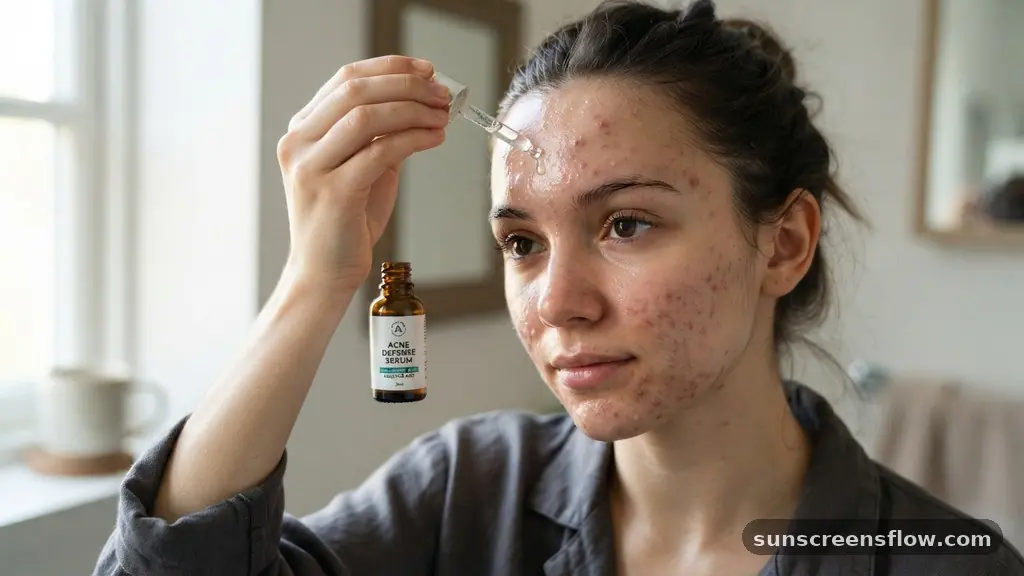
When people ask which Ordinary serum is best for acne, the Niacinamide 10% + Zinc 1% is almost always the first recommendation. This serum is a powerhouse for individuals with breakout-prone skin because it focuses on balancing oil production. By regulating sebum, Niacinamide helps prevent the excess oil that often leads to clogged pores and subsequent inflammation.
Niacinamide is a form of Vitamin B3 that provides multiple benefits for the skin barrier. While it isn’t an active treatment for killing bacteria, its ability to calm redness and improve overall texture makes it an essential daily staple.
The addition of Zinc PCA further enhances this effect by providing anti-inflammatory properties and assisting in oil control. Using this serum consistently can lead to a more matte, refined appearance throughout the day.
Many users find that this serum fits perfectly into almost any routine. Because it is water-based and lightweight, it layers well under moisturizers and sunscreens.
If you have oily or combination skin, this formula acts as a preventative measure, keeping your pores clear and minimizing the visibility of enlarged pores over time. It is a gentle yet effective way to maintain long-term skin health.
Targeting Active Lesions with Salicylic Acid
If you are currently dealing with active lesions, you need a potent exfoliant that can dive deep into the pore lining. Salicylic Acid, a well-known beta-hydroxy acid, is the gold standard for this. The Ordinary offers a 2% Salicylic Acid solution that acts as a direct topical treatment to dissolve the debris and oil trapped inside your pores.
Unlike other acids that only work on the surface, Salicylic Acid is oil-soluble. This unique property allows it to penetrate through the sebum and clear out the congestion that causes whiteheads and blackheads.
By removing this buildup, you significantly reduce the likelihood of new pimples forming. It is an excellent choice for spot treatment or for use on specific areas where you notice recurring breakouts.
When integrating this into your routine, remember that it is a powerful exfoliant. Start slowly to ensure your skin barrier remains intact. Using it every other night is usually sufficient for most people.
If you notice any dryness, reduce the frequency or apply it only to the affected areas rather than your entire face. Consistency is key, but balance is vital to avoid irritation.
Addressing Post-Inflammatory Hyperpigmentation
Acne doesn’t always end when the pimple heals; many people struggle with dark spots and acne scars long after the inflammation has subsided. This condition is known as post-inflammatory hyperpigmentation.
To tackle these stubborn marks, you need ingredients that brighten the skin and promote cell turnover. Alpha Arbutin 2% + HA is a standout choice for this specific concern.
Alpha Arbutin works by inhibiting the production of melanin, which helps fade the appearance of dark spots over time. By pairing it with Hyaluronic Acid, the formula ensures that your skin stays hydrated while the treatment works.
It is a much safer, more targeted alternative to harsher skin-lightening agents. For those looking to improve overall skin texture and tone, this serum provides a gentle yet effective solution.
Another excellent option for redness and scarring is the Azelaic Acid Suspension 10%. While it has a slightly different texture, its ability to brighten the complexion and improve skin texture is impressive.
It acts as an antioxidant and helps reduce the appearance of blemishes by gently exfoliating the surface of the skin. It is particularly effective for those with sensitive skin who might find stronger acids too irritating.
Comparing Common Acne-Fighting Formulas
Choosing the right product depends on whether your priority is prevention, active treatment, or fading old marks. The following table provides a quick reference to help you decide which serum aligns with your current skin goals.
| Serum Name | Primary Benefit | Best For |
|---|---|---|
| Niacinamide 10% + Zinc 1% | Oil Control | Sebum regulation and pore visibility |
| Salicylic Acid 2% | Exfoliation | Active breakouts and blackheads |
| Azelaic Acid Suspension 10% | Brightening | Redness and uneven skin texture |
| Alpha Arbutin 2% + HA | Pigmentation | Dark spots and acne scars |
The Importance of Chemical Exfoliation

Chemical exfoliation is a cornerstone of managing acne-prone skin. Unlike physical scrubs, which can cause micro-tears and spread bacteria, liquid chemical exfoliants work by loosening the bonds between dead skin cells. This encourages them to shed naturally, preventing the pore congestion that eventually turns into a breakout.
The Ordinary Aha 30% + Bha 2% Peeling Solution is perhaps the most famous example of this. This high-strength formula should be used as a weekly mask rather than a daily serum.
It provides a deep, intensive exfoliation that reveals smoother, brighter skin underneath. However, because it is so potent, you must use it cautiously.
If you have never used strong acids before, start with a lower concentration. The goal of chemical exfoliation is to maintain a healthy turnover rate without damaging your skin barrier.
When your barrier is compromised, your skin becomes more susceptible to bacteria, which can actually worsen acne. Always follow up with a good moisturizer and wear sunscreen the next day, as these acids increase your skin’s sensitivity to the sun.
Establishing a Consistent Regimen Layering Strategy
Layering your serums correctly is just as important as choosing the right ones. As a general rule, you should apply products from the thinnest consistency to the thickest.
Start with your water-based serums, like Niacinamide, and follow with heavier suspensions or moisturizers. This ensures that each layer can penetrate the skin effectively.
If you are using multiple treatments, it is often best to alternate them between morning and evening. For example, you might use Niacinamide in the morning to control oil and Salicylic Acid in the evening to treat congestion. Trying to use every active ingredient at once can lead to irritation and dryness, which often forces people to give up on their routine prematurely.
Always remember to introduce new products one at a time. This is the only way to know if a specific formula is working for you or if it is causing a reaction. Patch testing on a small area of your skin before applying it to your whole face is a standard practice that can save you from potential irritation or breakouts.
Addressing Topical Gaps and Common Misconceptions
Many people assume that drying out the skin is the best way to get rid of acne. This is a common misconception that often backfires. When you strip your skin of all its moisture, your oil glands may go into overdrive to compensate, producing even more sebum and leading to further congestion.
Another gap in many routines is the lack of proper sun protection. Many acne treatments, especially those containing acids, make your skin more sensitive to UV light.
If you don’t wear sunscreen, you increase the risk of your acne scars becoming darker and more permanent. Using a non-comedogenic sunscreen is a non-negotiable step if you want to see actual improvements in your skin.
Furthermore, don’t ignore the importance of a gentle cleanser. Using a harsh, high-pH cleanser can disrupt your skin barrier, making it easier for bacteria to thrive.
You don’t need a medicated cleanser if you are already using active serums. A simple, pH-balanced wash is usually enough to remove dirt and surface oil without causing unnecessary stress to your complexion.
Understanding the Role of Comedogenic Ingredients
When you are dealing with acne, you need to be mindful of what you put on your face. The term “non-comedogenic” refers to products that are formulated not to clog pores. Many traditional moisturizers or heavy oils can trap bacteria and debris, leading to new breakouts.
The Ordinary is transparent about their ingredients, which makes it easier to avoid pore-clogging agents. However, everyone’s skin is different. What doesn’t clog one person’s pores might cause a reaction in another.
Keep a simple log of your products and your skin’s reaction to them. If you notice a pattern of breakouts after using a new moisturizer, cross-reference the ingredient list to see if there are known offenders.
Focusing on hydration is key, even if you have oily skin. Dehydrated skin often produces more oil to protect itself.
Look for water-based hydrators or light gels that provide moisture without adding heavy occlusives. This balance is critical for maintaining a healthy skin barrier, which is your first line of defense against the bacteria that cause acne.
The Necessity of Patch Testing
Before diving headfirst into a new skincare regimen, you must perform a patch test. This simple process involves applying a small amount of the product to a discreet area, such as the inside of your arm or behind your ear, and waiting 24 to 48 hours. If you don’t experience any redness, itching, or swelling, the product is likely safe for you.
This step is especially important for active ingredients like acids and potent serums. Since acne-prone skin is often inflamed, it is more reactive than normal skin.
A patch test acts as a safety buffer. If a product causes a reaction on your arm, you can be certain it would have caused a much worse reaction on your face.
Taking the time to test your products ensures that you aren’t adding more inflammation to an already problematic situation. It allows you to build a routine that actually supports your skin’s healing process. Once you have confirmed a product is safe, you can confidently integrate it into your daily routine and work toward your goals of clearer, more radiant skin.
Frequently Asked Questions
Can I use Niacinamide and Salicylic Acid together?
Yes, you can use them together, but it is often better to separate them to avoid irritation. Many people prefer using Niacinamide in the morning for oil control and Salicylic Acid in the evening for deeper pore clearing. See how your skin reacts before layering them simultaneously.
How long does it take to see results with these serums?
Skincare is a marathon, not a sprint. While some people see minor improvements in a week, it typically takes four to six weeks of consistent use to see significant changes in acne and skin texture. Be patient and stick to your chosen routine for at least a full month.
Should I use these serums on my entire face or just as a spot treatment?
This depends on the product and your skin type. Niacinamide is generally safe for the whole face, while Salicylic Acid can be used as a spot treatment or over larger areas if you are prone to widespread congestion. Always monitor for signs of dryness or irritation.
Are these serums suitable for sensitive skin?
The Ordinary offers various concentrations, so those with sensitive skin should start with lower-strength options or use them less frequently. Always perform a patch test first. If a product causes persistent stinging or redness, discontinue use and focus on soothing, barrier-repairing products instead.
Conclusion
Finding which Ordinary serum is best for acne requires a thoughtful look at your specific skin concerns, whether you need to manage excess oil, clear out congested pores, or fade stubborn marks. By sticking to a consistent routine that incorporates Niacinamide for sebum regulation or Salicylic Acid for active breakouts, you can make meaningful progress toward a clearer complexion. Remember that the healthiest approach to skincare is one built on patience, proper layering, and a focus on maintaining your skin barrier rather than simply trying to strip it clean.
Start small, introduce new treatments one at a time, and pay attention to how your skin responds to each adjustment. With the right tools and a steady hand, achieving balanced, healthy-looking skin is well within reach for you.
Meta Description: Discover which Ordinary serum is best for acne by exploring targeted solutions for oil control, pore congestion, and scarring in this comprehensive guide.


