


Deciphering the correct order of your daily skincare routine can feel like solving a complex chemistry equation. If you have ever stared at your bathroom counter, wondering whether that thin, potent liquid should go on before or after your creamy moisturizer, you are certainly not alone. The simple rule of thumb that governs effective skincare layering is to apply products from the thinnest consistency to the thickest.
When you ask if should you apply serum or moisturizer first, the answer is almost always to lead with the serum. Because serums are designed to deliver concentrated active ingredients deep into the dermis, they require a clean, unblocked canvas to perform their best.
By placing your serum directly onto cleansed skin, you ensure that the product is not hindered by the heavier, protective layers of a moisturizer. Understanding the science of skin absorption and product viscosity is the secret to maximizing the benefits of your expensive beauty investments.
The Science of Product Viscosity and Absorption
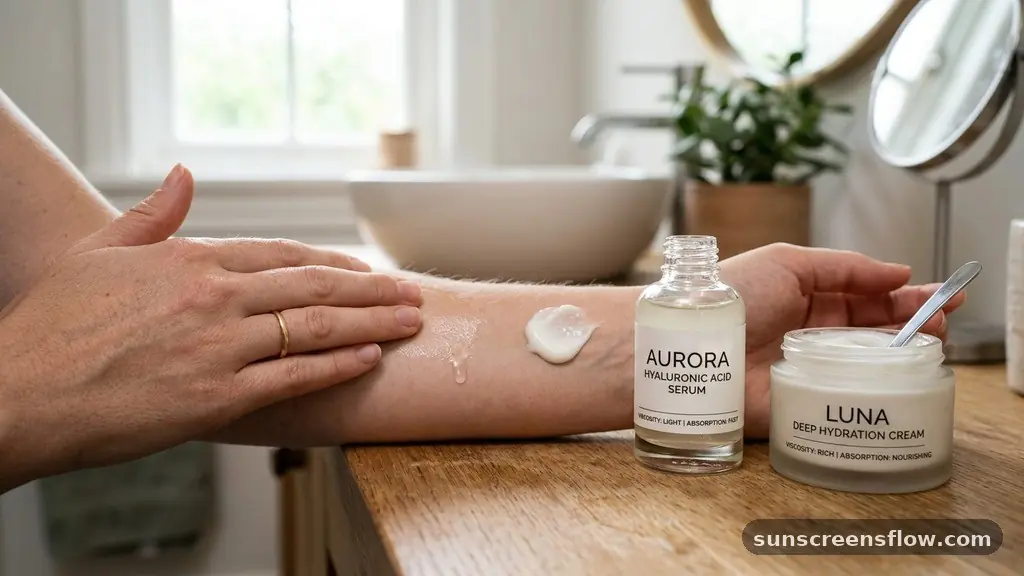
The primary reason we prioritize serums in the early stages of a routine is rooted in the concept of molecular weight. Serums are typically formulated with smaller molecules, allowing them to penetrate the surface of the skin more effectively than heavier creams. If you were to apply a thick, butter-like moisturizer first, you would essentially be creating a physical barrier on your face.
This barrier prevents the smaller molecules in your serum from reaching their intended target. Think of your skin like a sponge; if the sponge is already saturated with a thick substance, it cannot absorb the delicate nutrients found in a water-based serum.
Furthermore, the penetration rate of your skincare products is heavily influenced by the order of application. Serums often contain high concentrations of potent compounds like hyaluronic acid, vitamin c, or a peptide complex. These ingredients need to bypass the top layer of the epidermis to trigger cellular changes.
When you apply these before an emollient-rich moisturizer, you are allowing these actives to interact with the skin while it is still receptive. Once the serum has been fully absorbed—usually within sixty seconds—you can then proceed to seal everything in with your moisturizer, which serves to lock in the hydration and prevent transepidermal water loss.
Understanding the Role of Humectants and Occlusives
To truly master your routine, you must understand the difference between humectants and occlusives. Humectants, which are the stars of most serums, are ingredients that draw moisture into the skin. A classic example is hyaluronic acid, which can hold a significant amount of its weight in water.
If you apply a humectant-heavy serum to dry skin, it may actually pull moisture out of the deeper layers of the epidermis, leading to a feeling of tightness. This is why many experts recommend applying serums to slightly damp skin.
Once you have introduced this hydration, you need a way to keep it there. This is where occlusives and emollients come into play. Moisturizers are generally formulated with these ingredients to create a protective seal over the skin.
By applying your moisturizer after your serum, you are effectively creating an “occlusive” layer that prevents the moisture brought in by your humectants from evaporating into the air. If you reversed this order, the heavy oils or waxes in your moisturizer would sit on top of the skin, acting as a shield that blocks the humectants from doing their job. This layering logic is the cornerstone of a healthy skin barrier.
How Skin Type Influences Your Layering Strategy
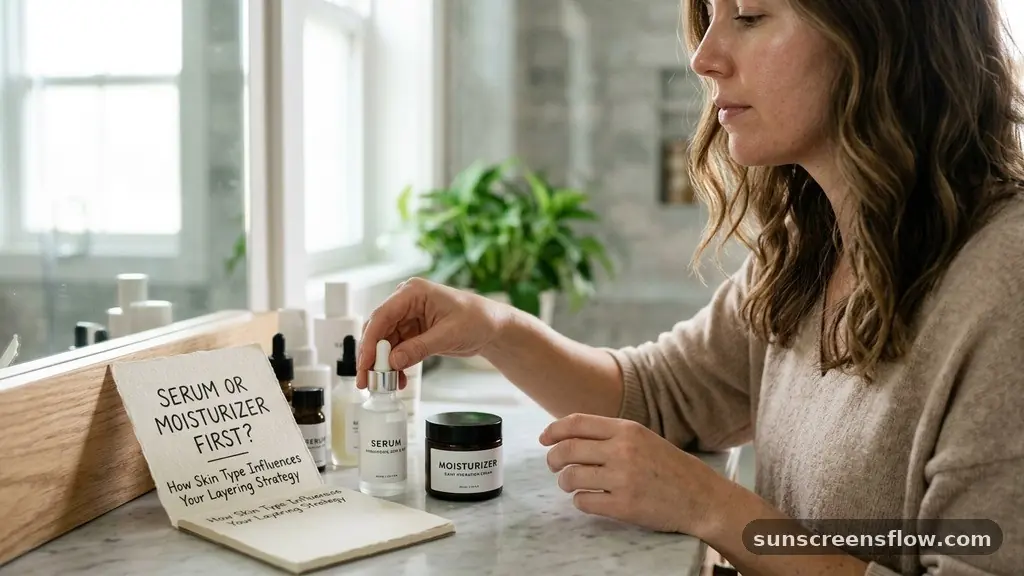
While the “thinnest to thickest” rule is a reliable standard, your specific skin type might require subtle adjustments to how you approach the serum or moisturizer first dilemma. For those with oily skin, the goal is often to provide hydration without clogging the pores.
In this case, a lightweight, water-based serum might be all you need, and you might find that a heavy moisturizer is unnecessary or even counterproductive. Oily skin types should look for non-comedogenic formulas that hydrate without adding excessive grease.
Conversely, individuals with dry skin may find that one serum is not enough to maintain comfort throughout the day. You might choose to layer multiple serums, such as a vitamin c serum for brightening followed by a hydrating hyaluronic acid serum. In this scenario, you still apply these from thinnest to thickest before finishing with a rich, lipid-replenishing moisturizer.
Regardless of your skin type, the goal remains the same: use the serum to treat specific concerns and the moisturizer to support the skin’s overall health and lipid barrier. If you ever feel like your products are “pilling” or rolling off your skin, it is a clear sign that you are either using too much product or not allowing sufficient time for each layer to dry.
The Importance of pH Balance and Active Ingredients
When building a dermatological routine, you must account for the pH balance of your products. Many active ingredients, such as retinol or a chemical exfoliant, work best at specific pH levels. If you apply a moisturizer with a high pH, it could potentially neutralize the acidic environment required for your serum’s active ingredients to be effective.
This is one of the more technical reasons why applying your treatment serum first is so important. By applying it to clean, balanced skin, you are ensuring that the ingredients operate in the environment they were designed for.
Common Skincare Product Functions
| Product Category | Primary Function | Typical Consistency |
|---|---|---|
| Cleanser | Removes impurities | Liquid or Gel |
| Treatment Serum | Targets specific concerns | Thin, watery |
| Moisturizer | Hydrates and seals | Cream or Lotion |
| Face Oil | Locks in moisture | Viscous liquid |
It is also worth noting that if you use multiple serums, the order matters. For example, always apply your antioxidant-rich Vitamin C serum in the morning on clean skin so it can fight free radicals throughout the day.
If you are using a niacinamide serum, it can usually be layered afterward. Always allow each layer to absorb for a minute or two; this prevents the products from mixing on the surface of your skin, which can sometimes lead to irritation or reduced efficacy.
Common Mistakes and How to Avoid Them
One of the most frequent mistakes people make is trying to save time by mixing their serum and moisturizer together in their palm before applying. While this feels efficient, it undermines the very purpose of layering.
When you mix them, you are effectively diluting the serum and changing its penetration profile. The serum is no longer being applied to the skin as a concentrated dose; instead, it is being incorporated into a thick emulsion that will likely sit on the surface.
Another common error is failing to perform a patch testing protocol when introducing new products. Even if you follow the correct layering order, a new serum might cause a reaction. Always apply a small amount to your inner forearm or behind your ear for 24 hours to ensure your skin tolerates the active ingredients.
Furthermore, do not assume that “more is better.” Applying three layers of serum will not triple your results; it will likely just lead to product buildup, stickiness, and a higher chance of breakouts. Stick to one or two targeted treatments that address your primary concerns.
Addressing Topical Gaps: The Role of Face Oils
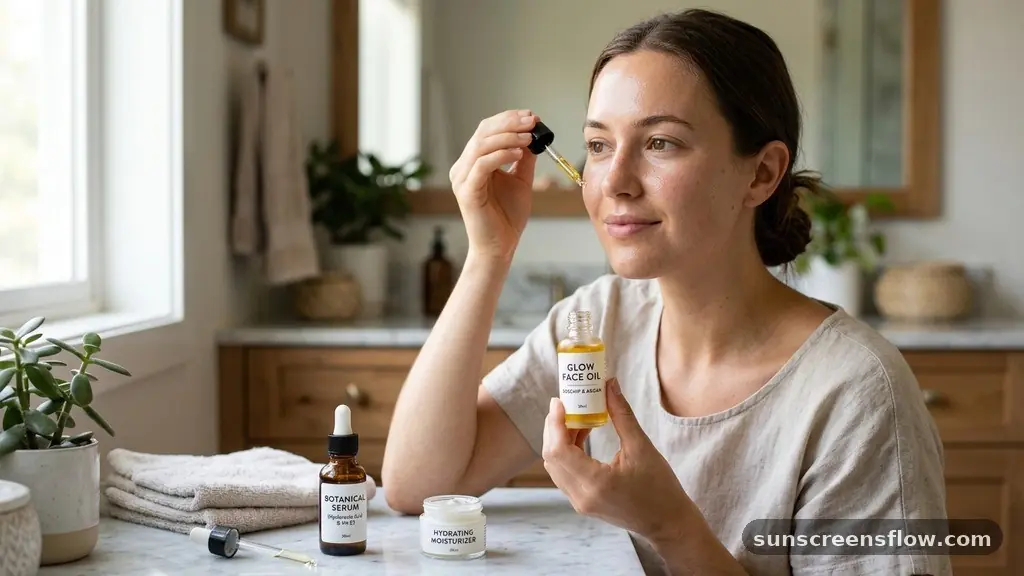
A frequent point of confusion arises when incorporating a face oil into the routine. People often wonder if an oil is a moisturizer or a serum. In the world of skincare, oils are generally considered occlusives.
They are excellent at sealing in moisture, but they are not humectants; they do not pull water into the skin. Therefore, an oil should almost always be the final step of your routine, applied after your serum and even after your moisturizer if your moisturizer is water-based.
If you apply a face oil before your serum, you are creating an impenetrable barrier that will prevent any water-based product from reaching your skin. This is a classic example of why the “thinnest to thickest” rule is so vital.
Water-based products must go on first, followed by lotions or creams, and finally, oils. By following this sequence, you allow the hydration to enter the skin, the moisturizer to provide the necessary lipids, and the oil to provide the final seal that prevents moisture loss.
Optimizing Your Routine for Maximum Efficacy
To get the most out of your serums and moisturizers, consistency is just as important as the order of application. Your skin cells go through a renewal cycle, and it often takes several weeks of consistent use to see visible changes from active ingredients like retinol or peptides. If you are constantly changing the order or skipping steps, you are not giving your skin the stability it needs to respond to these treatments.
- Cleanse your face thoroughly to remove dirt and excess sebum.
- Apply your serum while the skin is still slightly damp to boost absorption.
- Wait at least 60 seconds for the serum to settle into the skin.
- Apply your moisturizer to lock in the hydration and nutrients.
- Use an SPF product during the day to protect your skin from UV damage.
- Incorporate a face oil as the final step only if you have very dry skin.
By following these simple steps, you create a logical flow that respects the chemistry of your products. Remember that your skin barrier is the first line of defense against the environment, and a well-layered routine is the best way to keep that barrier strong, hydrated, and resilient.
The Future of Skincare Layering
As the beauty industry continues to innovate, we are seeing more hybrid products that blur the lines between serums and moisturizers. Some modern formulations contain both humectants and emollients, designed for the “minimalist” user who wants to streamline their routine. However, even with these hybrid products, the fundamental rule remains: if you are using separate products, prioritize the one with the thinner, more aqueous texture.
As we learn more about the skin microbiome and the importance of maintaining a healthy pH, the trend is moving toward simpler, more intentional routines. Instead of layering five different serums, experts are increasingly recommending that we focus on high-quality, multifunctional products. When you understand why you are applying a serum or moisturizer first, you can make smarter choices about what your skin actually needs, rather than just following a complicated set of instructions.
Frequently Asked Questions
Can I mix my serum and moisturizer together to save time?
Mixing your serum and moisturizer in your palm is generally discouraged. This practice dilutes the potency of the serum and prevents it from penetrating the skin effectively. To get the full benefits of your active ingredients, it is best to apply them in separate, distinct layers.
Does the order change if I am using a face oil?
Yes, the order changes because oils are occlusives. You should always apply your water-based serums first, followed by your cream moisturizer, and finally your face oil. The oil serves as the final seal to lock in all the hydration and active ingredients you applied in previous steps.
Why does my skin feel sticky after applying my serum?
Stickiness is often a sign that you have applied too much product or that you are not allowing enough time for the serum to dry. Try using a smaller amount and waiting at least one full minute before applying your moisturizer to ensure the product has absorbed.
Should I apply serum on completely dry skin?
Many dermatologists recommend applying serums to slightly damp skin, especially those containing humectants like hyaluronic acid. Damp skin is more permeable, which can enhance the absorption of the active ingredients. However, if you are using strong acids or retinol, ensure your skin is dry to avoid irritation.
Conclusion
Navigating the nuances of your skincare routine does not have to be an overwhelming task. By remembering the fundamental rule of applying products from the thinnest consistency to the thickest, you can ensure that every step of your regimen serves a purpose. When you apply your serum first, you allow the potent, concentrated active ingredients to reach the deeper layers of your skin without obstruction.
Following this with a moisturizer then creates a protective seal that prevents evaporation and supports a healthy skin barrier. Whether you are dealing with dry, oily, or combination skin, this layering strategy remains the most effective way to optimize skin absorption and achieve the results you desire.
By understanding the roles of humectants, occlusives, and the importance of product viscosity, you can move away from guesswork and toward a highly effective, science-backed approach to your daily care. Keep your routine consistent, be patient with your skin, and always prioritize the health of your barrier above all else.


