
Determining whether you should apply retinol before or after your serum is a foundational question for anyone looking to optimize their skincare routine. The confusion often stems from the diverse textures and concentrations of modern products, as well as the varying potency of retinoids. At its core, the rule of thumb for layering skincare is to apply products from the thinnest to the thickest consistency.
However, when active ingredients like vitamin A are involved, chemical interactions and the integrity of your skin barrier play a much larger role than just texture alone. Understanding the nuances of these interactions ensures you maximize the efficacy of your treatment while minimizing the risk of irritation or unnecessary sensitization.
Understanding the Role of Molecular Weight in Product Layering
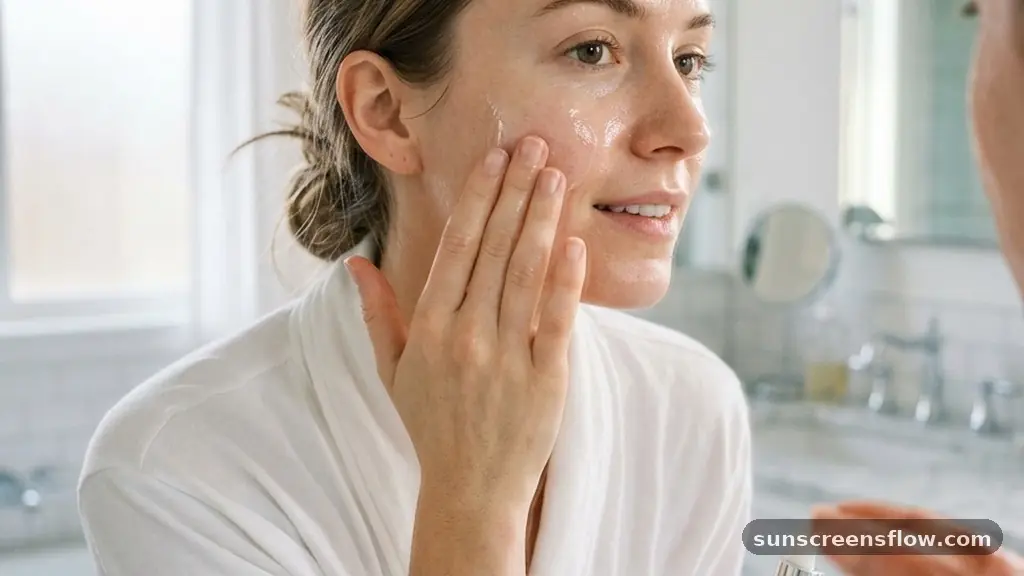
The efficacy of your skincare regimen is largely dictated by the absorption rate of the ingredients you apply. When considering whether to reach for your retinol first or your serum, you must look at the molecular weight of the components within those formulas. Generally, water-based products have smaller molecules that can penetrate the stratum corneum more effectively than thicker, oil-based, or creamy formulas.
Retinol, which is inherently lipid-soluble, often comes in an oil-based carrier or a specialized cream base designed to stabilize the molecule. If your serum is a lightweight, water-based formula—such as a hydrating essence or a brightening treatment—applying it before your retinol can help prep the skin, providing a baseline of moisture that prevents the retinol from causing immediate irritation.
However, the science of skin penetration is more complex than just size. The skin’s natural lipid barrier is designed to keep substances out, and applying a thick, occlusive-heavy product before a retinoid can potentially block the active ingredient from reaching the deeper layers of the dermis where it needs to work. Conversely, applying a very potent retinol directly onto bare skin can lead to a rapid uptake that the skin might not be ready for, especially if you are new to using tretinoin or high-strength retinol derivatives.
Balancing these factors requires a tactical approach: use your thinnest, most active water-based serums first, allow them to sink in for a minute or two, and then follow with your retinol treatment. This sequence ensures that the active ingredients have a clear path to the target cells without being hindered by heavier emollients.
The Interaction Between Retinol and Common Serum Ingredients
When you decide on the order of application, you must consider the compatibility of your retinol with other active ingredients in your routine. Many serums contain niacinamide, hyaluronic acid, or vitamin C. Each of these interacts differently with vitamin A.
For instance, niacinamide is a fantastic partner for retinol because it can soothe the skin and bolster the barrier, potentially mitigating the dryness often associated with retinoid use. Because niacinamide serums are typically water-based and have a neutral pH level, they are generally safe to apply before retinol. This creates a “buffer” that can reduce the intensity of the retinol without neutralizing it.
On the other hand, layering retinol with stronger acids—such as those used for chemical exfoliation—requires extreme caution. If your serum contains AHAs or BHAs, it is usually best to avoid layering them directly with retinol in the same session. Doing so can significantly disrupt the skin barrier, leading to increased trans-epidermal water loss (TEWL) and severe redness.
If you are determined to use both, it is often better to separate them by time of day or use a technique like skin cycling, where you rotate your actives on different nights. When in doubt, prioritize the product that addresses your most pressing skin concern and apply it closest to the skin, reserving the other for a different step in your routine.
Consistency Matters: Comparing Textures and Formulations
To help visualize how different products should be layered, consider the following table which breaks down common skincare categories based on their typical texture and recommended application order relative to retinol.
| Product Type | Texture/Consistency | Application Order |
|---|---|---|
| Hydrating Serum (e.g., Hyaluronic Acid) | Watery/Gel-like | Before Retinol |
| Treatment Serum (e.g., Niacinamide) | Lightweight/Fluid | Before Retinol |
| Retinol Treatment | Cream/Oil/Serum | Middle Step |
| Facial Oil | Viscous/Heavy | After Retinol |
| Moisturizer | Cream/Lotion | After Retinol (or before, for buffering) |
This table serves as a general guide, but it is crucial to remember that formulation matters more than product category. Some modern retinol serums are designed to be extremely lightweight and fast-absorbing, effectively acting more like a water-based serum than a thick cream. If your retinol product feels like a thin liquid, it should be applied earlier in your routine.
If it is a thick, rich cream, it should be applied toward the end. Always assess the “slip” of the product; if it glides on like water, it goes early. If it feels like a moisturizer, it goes later.
The Concept of Buffering and Skin Sensitivity
If you find that your skin is reactive to retinol, you might have heard of “buffering.” This is a technique where you apply a moisturizer before your retinol to slow down the absorption rate and lessen the impact on your skin. Does this mean you should apply your serum after retinol?
Not necessarily. Buffering is typically done with a simple, non-active moisturizer. If you apply a highly active serum after your retinol, you may be increasing the risk of irritation because the retinol has already altered the skin’s state.
For those with sensitive skin, the most dermatologist-recommended approach is to apply a gentle, hydrating serum (like one containing humectants such as glycerin or hyaluronic acid) first. This fills the skin with water, making it more resilient. Then, apply your retinol.
If the skin still feels irritated, you can follow up with a heavier cream that contains occlusives to lock in the moisture and prevent further water loss. This sandwich method is a highly effective way to use retinol without sacrificing the benefits of your other serums. It allows you to reap the anti-aging rewards of vitamin A while keeping your skin calm and hydrated.
Navigating Retinoid Strength: From Retinaldehyde to Prescription Tretinoin
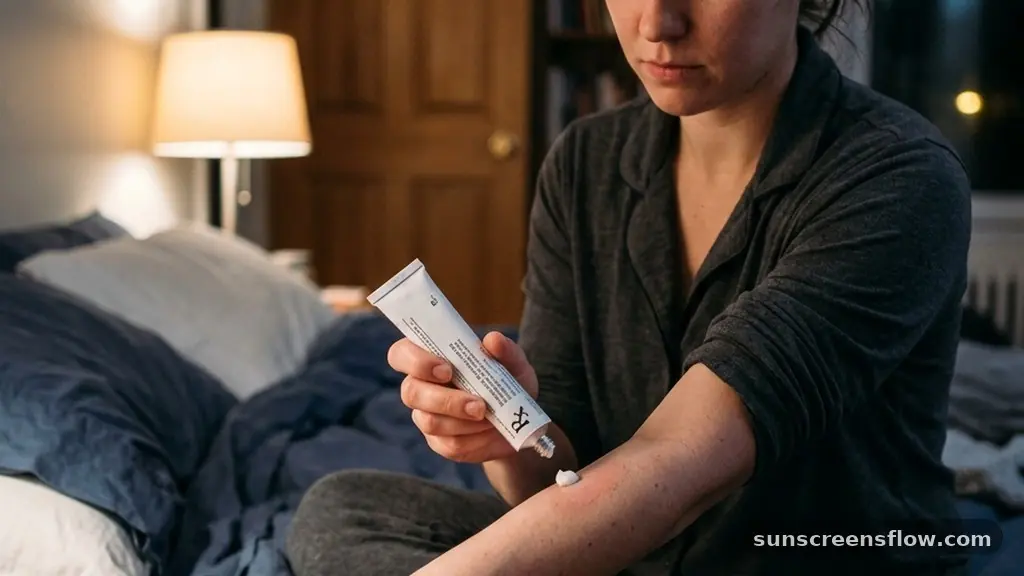
Not all forms of vitamin A are created equal. Your specific product choice will influence your layering strategy. Retinaldehyde, for example, is more potent than standard retinol and converts faster within the skin, which means it requires a more cautious approach to layering.
If you are using a prescription-strength tretinoin, the product is often formulated in a base that is specifically designed for maximum penetration. In these cases, applying anything underneath might inhibit the prescription’s ability to work as intended.
When using high-potency retinoids, it is often best to keep the routine as simple as possible. You might choose to skip the serum entirely on the nights you use your prescription treatment. Alternatively, you can apply your serum in the morning and reserve your evening routine strictly for cleansing, the retinoid, and a simple, non-comedogenic moisturizer.
By simplifying your routine, you avoid the complex chemical interactions that can occur when layering multiple products, ensuring that your expensive and potent treatments are actually hitting the mark. Always perform a patch testing exercise when introducing a new high-strength retinoid to ensure your skin can handle the concentration before applying it to your entire face.
Addressing Topical Gaps: Why Product Order Causes Confusion
A common gap in existing advice is the lack of distinction between “serum” as a broad category and the specific ingredients within those serums. Many people ask, “Can I use vitamin C with retinol?” The answer is usually no, not at the same time.
However, this is not because of the order of application; it is because of the chemical incompatibility. The confusion regarding “retinol before or after serum” often ignores the fact that some serums are actually treatments that should not be paired with retinol at all.
Furthermore, there is a lack of clarity regarding the pH level of products. Retinol works best in a neutral environment, while some serums, particularly those with antioxidants like vitamin C, require an acidic pH. If you apply an acidic serum and then a retinol, you are drastically shifting the pH of the skin, which can deactivate the retinol or cause an inflammatory reaction.
To bridge this gap, focus on the function of your serum. If it is a hydrating serum, it is a “before” product.
If it is an exfoliating or active treatment serum, it is likely an “alternate day” product. By categorizing your serums by their function rather than just their name, you can resolve the layering dilemma with confidence.
The Importance of the Skin Barrier and Preventing Water Loss
The primary goal of any skincare routine is to maintain a healthy skin barrier. When you use retinol, you are essentially accelerating cell turnover, which can temporarily thin the surface layer of the skin. This makes the skin more susceptible to trans-epidermal water loss.
This is why the order of application is so vital. If you apply a heavy occlusive before your retinol, you prevent the retinol from working. But if you don’t apply enough hydration after the retinol, you leave your skin vulnerable to dehydration.
To combat this, look for products that contain ceramides, fatty acids, and cholesterol—the building blocks of the skin barrier. Applying a serum rich in these ingredients after your retinol can help repair the damage caused by the cell-turnover process.
This is a crucial step in preventing the “retinol uglies,” such as flaking, redness, and tightness. By prioritizing barrier-repairing products in the steps following your retinol application, you ensure that the skin stays plump and hydrated, which in turn makes the retinol more tolerable over the long term.
Strategic Layering for Long-Term Skin Health
Long-term success with retinol is a marathon, not a sprint. The way you layer your products today sets the stage for your skin’s health months down the line. If you are constantly irritating your skin by layering incompatible products in the wrong order, you will likely discontinue use before you see the benefits.
This is why it is essential to build a routine that feels sustainable. If you enjoy the ritual of using multiple serums, prioritize the most important ones—usually a hydrating, barrier-supporting serum—and keep the others for the morning.
Remember that skin cycling—the practice of alternating nights for different actives—can simplify your layering process significantly. On nights when you use retinol, you only need to worry about one or two other products. This reduces the cognitive load of trying to layer five different serums and minimizes the risk of product interactions.
As you become more experienced, you can adjust your routine based on how your skin feels. If you wake up with dry, tight skin, you might need to add a heavier serum before your moisturizer or switch to a more hydrating retinol formula.
Common Myths and Best Practices for Retinol Users
There are many myths surrounding the use of retinol, such as the idea that it “thins” the skin permanently. In reality, retinol thickens the deeper layers of the skin while gently exfoliating the surface. Another myth is that you must apply retinol to bone-dry skin to prevent irritation.
While applying to damp skin can increase absorption (and thus irritation), you don’t necessarily have to wait for your skin to be desert-dry. A light pat-down with a towel is usually sufficient.
- Always start with the lowest concentration of retinol to gauge your skin’s tolerance.
- Use only a pea-sized amount for the entire face to prevent unnecessary irritation.
- Apply your retinol at night, as vitamin A can degrade when exposed to sunlight.
- Always wear broad-spectrum sunscreen the following morning, as retinol increases sun sensitivity.
- If you experience persistent redness or peeling, take a break from the retinol for a few days to let your barrier recover.
By following these best practices, you can navigate the complexities of layering with ease. Remember that the “correct” order is ultimately the one that allows your skin to thrive without irritation.
If you find a sequence that works for you, stick with it, even if it deviates slightly from the standard advice. Your skin is the final judge of what works.
Frequently Asked Questions
Should I apply my vitamin C serum before or after retinol?
You should generally avoid applying vitamin C and retinol at the same time. Vitamin C is best used in the morning to protect against environmental damage, while retinol is used at night to aid cell turnover. Using them separately prevents irritation and ensures each ingredient works effectively.
Can I apply a moisturizer over my retinol?
Yes, applying a moisturizer over your retinol is highly recommended. It helps seal in the active ingredient and provides a necessary layer of hydration to counteract the drying effects of vitamin A. This is a standard step in most effective nighttime skincare routines to maintain the skin barrier.
What happens if I apply my serum after my retinol?
If your serum is water-based and lightweight, applying it after a heavier retinol cream may prevent it from absorbing properly. However, if your serum is intended for barrier repair, applying it after retinol can help soothe the skin and lock in moisture, which is often beneficial for sensitive users.
How long should I wait between applying serum and retinol?
Allowing your serum to absorb for 60 to 90 seconds is usually sufficient. You want the skin to feel slightly damp but not wet. Waiting until the product is mostly dry ensures that the serum doesn’t dilute the retinol or create an uneven application, leading to better results.
Conclusion
Mastering the order of your skincare products, particularly when it comes to the question of retinol before or after serum, is essential for achieving a clear, youthful complexion. By understanding the importance of molecular weight, the role of your skin barrier, and the compatibility of different active ingredients, you can create a routine that is both effective and gentle. Remember to prioritize thin, water-based serums before your retinol treatment and follow up with protective, hydrating products to ensure your skin stays balanced.
Whether you are using a mild retinol or a prescription-strength retinoid, consistency and patience are your greatest allies. By following these guidelines and listening to your skin’s specific needs, you can safely integrate this powerful anti-aging tool into your daily life for long-lasting, visible results.