


Many people find themselves staring in the mirror, wishing their natural eyelashes appeared a bit longer, fuller, or more resilient. This common desire has led to the widespread popularity of eyelash enhancers, but many consumers remain curious about the mechanics behind these products.
Simply put, understanding what does lash serum do requires looking at the biological hair growth cycle and how specific chemical compounds interact with hair follicles. These serums are not just cosmetic coatings; they are designed to be active treatments that influence the health of the eyelid margin and the shaft of the hair itself, aiming to extend the time lashes stay in their active growth phase.
The Biological Foundation of Eyelash Growth
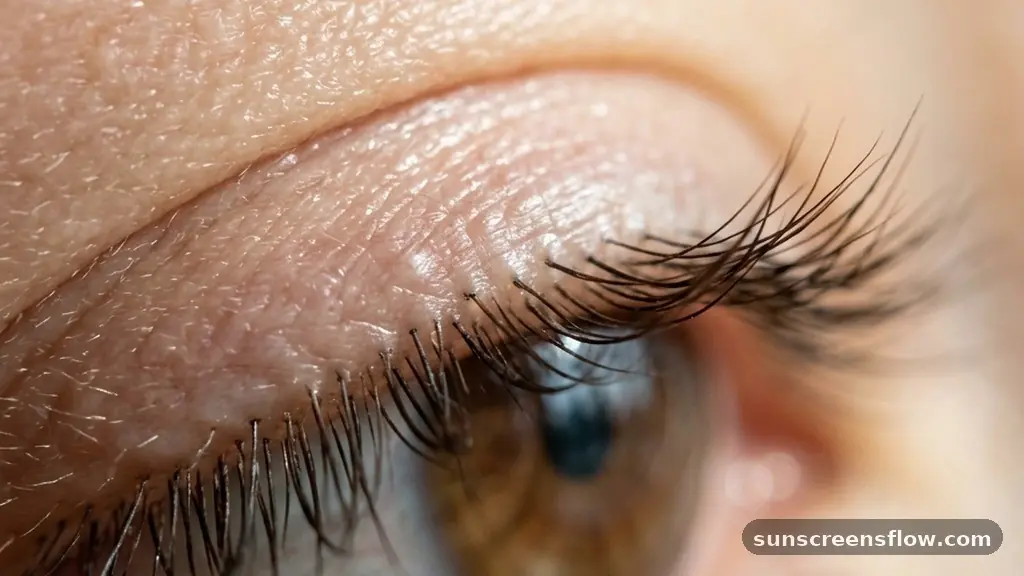
To understand the function of these products, one must first look at the anatomy of the lash. Eyelashes are hair follicles that undergo a very specific, three-stage growth process: the anagen phase (growth), the catagen (transition) phase, and the telogen phase (resting).
Unlike the hair on your head, which can stay in the growth phase for years, eyelashes have a relatively short anagen phase, usually lasting only a few weeks. This is why our lashes do not grow to be several feet long.
Lash serums function primarily by targeting this cycle. Most effective formulas aim to prolong the anagen phase, allowing each individual hair to grow for a longer period before it transitions into the catagen (transition) phase. When the growth phase is extended, the result is objectively longer lashes.
Furthermore, many serums contain conditioning agents that improve the structural integrity of the hair shaft. By providing moisture and essential nutrients, these products prevent premature breakage, which creates the appearance of greater density. When a lash is hydrated and strong, it is less likely to fall out during daily cleansing or makeup removal, which contributes to a fuller-looking lash line over time.
Active Ingredients and Their Roles
The efficacy of any lash enhancer depends heavily on its formulation. When analyzing what does lash serum do, we must categorize the ingredients into their functional groups. The most potent category includes prostaglandin analogs, which are synthetic versions of lipids that signal the hair follicle to stay active.
These are the gold standard for lengthening, though they are also the most likely to cause side effects. Other serums rely on peptides, which are chains of amino acids that serve as the building blocks of protein. Peptides work by strengthening the hair fiber, making the lash more resistant to damage and environmental stressors.
In addition to these, you will often find humectants and vitamins. Ingredients like panthenol (pro-vitamin B5) and biotin are common additions. Panthenol acts as a moisturizer, drawing water into the hair shaft to keep it supple, while biotin is often associated with keratin production, the protein that makes up our hair and nails.
Some formulas also incorporate botanical extracts, such as green tea or ginseng, which are intended to soothe the delicate eyelid skin and provide antioxidant protection. This combination of structural support, moisture retention, and growth signaling creates a multi-faceted approach to lash care that goes beyond simple surface-level conditioning.
Managing Expectations and Timeline
One of the most frequent questions users have is how quickly they will see results. It is important to emphasize that hair growth is a slow, biological process that cannot be rushed. When you start using a serum, you are not going to wake up the next morning with dramatic, sweeping lashes.
Because the growth cycle for eyelashes is measured in weeks, it generally takes between four to eight weeks of consistent, daily usage to observe a visible difference. During the first few weeks, you might not notice any change in length at all, but the lashes might appear slightly darker or more hydrated due to the conditioning agents.
The results are also cumulative. As more lashes enter the prolonged growth phase, the overall density of your lash line increases. It is helpful to take progress photos at the start of your journey to track changes objectively, as the daily subtle shifts can be difficult to perceive in the mirror.
If you stop using the product, your lashes will eventually return to their natural growth cycle. This means that once the application stops, any length or density gained from the serum will gradually fade as the treated lashes shed and are replaced by new, untreated hairs. Managing your expectations regarding this “maintenance” aspect is key to long-term satisfaction with these products.
Safety and Potential Side Effects
While these products are generally considered safe for cosmetic use, they are applied to an incredibly sensitive area of the body. The skin on the eyelid is the thinnest on the human face, and the eyes themselves are highly susceptible to irritation. The most common side effect reported by users is mild redness or irritation along the lash line.
This often occurs when the product is applied too liberally or if it migrates into the eye during sleep. In some cases, particularly with prostaglandin-based serums, users have reported darkening of the iris or hyperpigmentation of the eyelid skin.
If you experience persistent itching, burning, or significant redness, it is essential to discontinue use immediately and consult with an eye care professional. It is also worth noting that contact lens wearers should be particularly cautious. Many serums contain preservatives that can be absorbed by soft contact lenses, potentially leading to clouding or discomfort.
To mitigate these risks, always ensure that your face is clean and that you are using the minimum amount of product required to coat the base of the lashes. Never apply the serum directly into the eye, and if you have a history of ocular conditions, check with your doctor before adding a new product to your beauty regimen.
Best Practices for Application
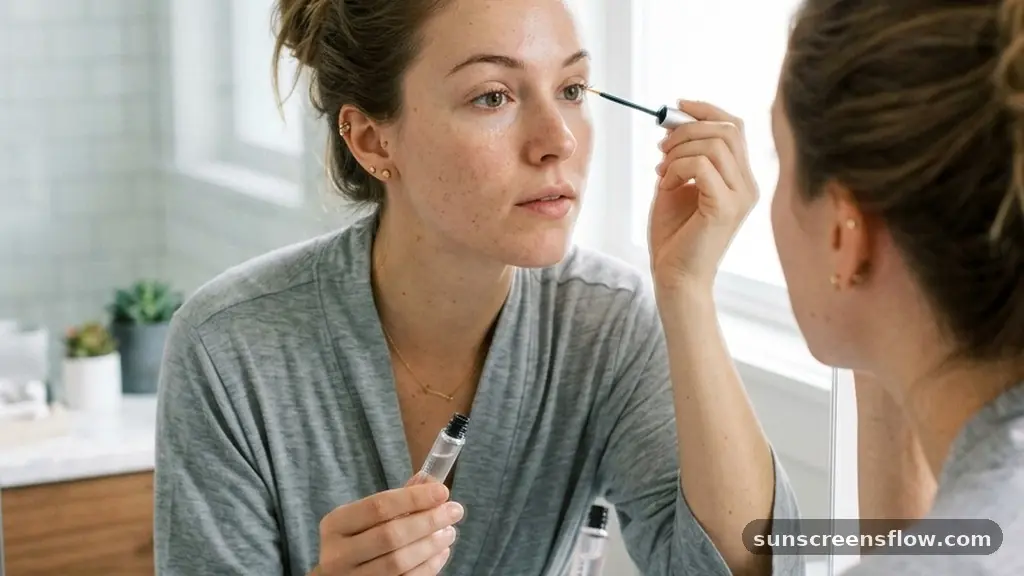
Achieving the best results requires consistency and precision. You should follow these application guidelines: always start with a clean, makeup-free eye area. If there is residual mascara or eyeliner, it can create a barrier that prevents the serum from reaching the hair follicle, rendering the product ineffective.
Use the applicator provided with the product, which is usually a fine-tipped brush, to ensure you are placing the liquid exactly where it is needed. Think of the process as similar to using liquid eyeliner. You want to trace the base of your upper lash line where the lashes emerge from the skin.
There is no need to apply the serum to the lashes themselves or to the lower lash line. As you blink, the serum will naturally distribute along the length of the lashes, and the product will eventually transfer to the lower lashes on its own. Applying too much product is a common mistake that does not yield faster results; instead, it increases the risk of the serum running into your eyes.
Consistency is far more important than quantity. Making the application a part of your nightly routine, right before you apply your moisturizer or eye cream, is usually the most effective way to ensure you do not miss a day, which is vital for maintaining the growth cycle.
Comparing Serum Types and Approaches
Not all lash products are created equal, and the market can be confusing. To help you navigate your options, we can categorize them based on their primary mechanism of action.
| Serum Category | Primary Mechanism | Best For |
|---|---|---|
| Prostaglandin Analogs | Stimulates follicle growth cycle | Maximum length and density |
| Peptide-Based | Strengthens and hydrates hair | Preventing breakage and brittle lashes |
| Botanical/Conditioning | Moisturizes and nourishes follicles | Sensitive eyes and overall lash health |
As shown in the table above, the choice depends on your specific goals. If you are looking for dramatic, measurable length, a prostaglandin-based product is typically the most effective choice. However, if you are prone to sensitivity or are worried about the side effects associated with stronger chemicals, a peptide-based or botanical formula is a much safer, albeit slower-acting, alternative.
These gentler formulas focus on “lash health” rather than “lash growth,” which is a distinction worth keeping in mind. By keeping the lashes hydrated and strong, these products reduce the rate at which lashes fall out, creating a fuller look over time without the risk of skin discoloration or eye irritation.
Addressing Topical Gaps: Why Some Serums “Fail”
There is a common complaint that “lash serums don’t work,” and it is important to address why this perception exists. Often, the failure lies in user error or unrealistic expectations. First, the product must be used daily.
If you use it sporadically, you will not disrupt the growth cycle enough to produce a visible change. Second, the product must reach the skin. If you are applying it over heavy eye cream or oil-based makeup, the serum cannot penetrate to the follicle.
Furthermore, some individuals may have underlying health issues, such as thyroid conditions or nutritional deficiencies, that affect hair growth. In these cases, no topical serum will produce significant results because the body is not supporting hair growth from the inside out.
Another factor is the natural shedding process. Every human sheds several eyelashes every day. If you are in a heavy shedding phase, it might feel like the serum is causing your lashes to fall out, when in reality, this is just a normal part of the cycle.
Finally, some generic or low-quality products on the market contain very few active ingredients, acting more like a clear mascara than a treatment. Checking the ingredient list is crucial; if you don’t see peptides, amino acids, or proven growth stimulants, you are likely just buying a conditioning gel. By addressing these gaps—consistency, proper absorption, and ingredient quality—you can better understand why a specific product may or may not be yielding the results you want.
The Future of Lash Enhancement
The landscape of lash care is constantly evolving. As consumer demand for “clean beauty” grows, many brands are moving away from harsh chemicals and toward more sophisticated, bio-available peptides that mimic natural growth factors without the side effects of traditional prostaglandin analogs.
We are also seeing a rise in “lash-friendly” makeup, such as mascaras that include the same conditioning ingredients found in high-end serums. This integrated approach allows users to treat their lashes throughout the day rather than just at night.
Furthermore, technology is allowing for better delivery systems. We are seeing the development of encapsulated ingredients that release slowly over the course of the night, reducing the risk of irritation while keeping the follicle nourished for longer.
As we learn more about the biology of the hair follicle, the next generation of products will likely focus on overall eye health, incorporating anti-inflammatory ingredients to ensure that the skin around the eyes remains healthy while the lashes are being treated. Ultimately, the future of this category is shifting toward a more holistic, wellness-oriented approach where the focus is not just on length, but on the overall vitality of the lash line and the delicate skin that supports it.
Frequently Asked Questions
Do eyelash serums actually work to make lashes longer?
Yes, they can make lashes appear longer by extending the anagen phase of the hair growth cycle. By keeping the follicles active for a longer duration, individual lashes have more time to grow before they naturally shed, resulting in increased length and overall density over several weeks.
How long does it take to see results from a lash serum?
Most users begin to notice a difference after four to eight weeks of consistent daily application. Because the growth cycle is gradual, it takes time for the treated lashes to grow out and for the cumulative effect of reduced breakage and longer growth phases to become visible.
What happens when you stop using lash serum?
Once you stop using the product, your eyelashes will gradually return to their natural growth cycle. As the lashes that were treated with the serum shed, they will be replaced by new, untreated hairs. Within a few months, your lash length will return to its original state.
Are there any serious risks to using these products?
While most people tolerate them well, potential side effects include eye irritation, redness, and, with certain formulas, darkening of the iris or eyelid skin. It is important to apply the product carefully, avoid contact with the eyeball, and discontinue use if you experience persistent discomfort or sensitivity.
Conclusion
Understanding what does lash serum do is a matter of looking past the marketing and into the biology of hair follicles. By extending the growth phase, providing essential nutrients, and fortifying the hair shaft, these products can effectively enhance the appearance of your lashes. However, success depends on choosing the right formulation for your sensitivity levels, maintaining a consistent nightly routine, and managing your expectations regarding the time it takes to see results.
Whether you choose a potent prostaglandin-based serum or a gentle peptide-based alternative, the key is to prioritize the health of your eyes while working toward your aesthetic goals. With patience and proper application, you can achieve a fuller, more resilient lash line that enhances your natural beauty.


