

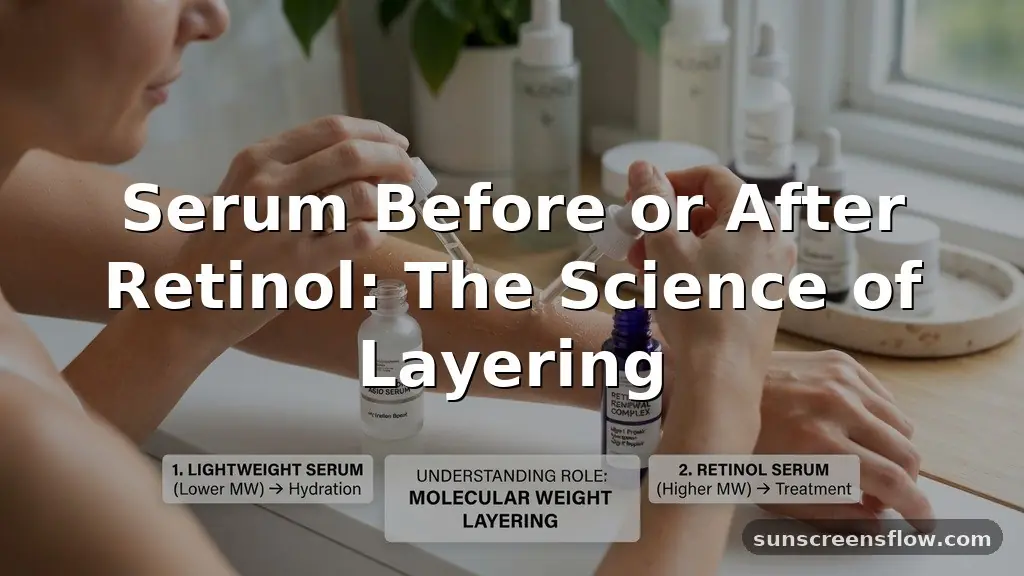
Determining whether to apply a serum before or after retinol is one of the most common points of confusion in modern skincare routines. Because retinol is a potent form of vitamin A that requires careful handling, the order of your products can significantly influence both the efficacy of your treatment and the potential for skin sensitivity.
While many assume that all serums are interchangeable, the reality is that the molecular weight and base composition of your products dictate their penetration depth. Getting the layering order wrong doesn’t just waste expensive products; it can lead to compromised skin barrier health or diminished results for your anti-aging goals.
Understanding the Role of Molecular Weight in Layering
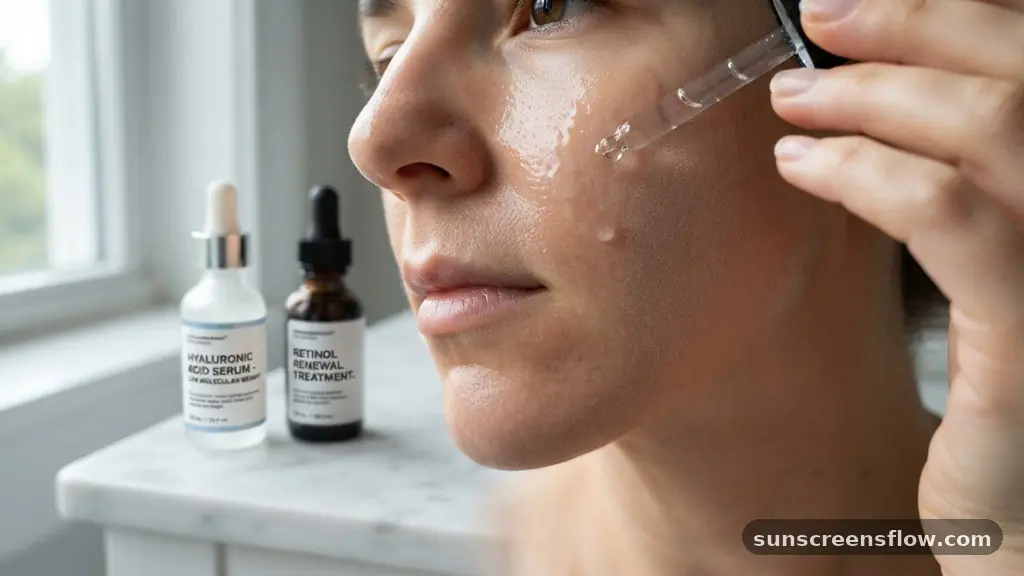
At its core, the rule of thumb for skincare layering is to apply products from the thinnest consistency to the thickest. However, this is more than just a matter of texture; it is a matter of epidermal absorption.
Water-based serums typically have a lower molecular weight compared to creams or heavy oils, allowing them to penetrate the skin’s surface more effectively. When you introduce retinol into this equation, you are dealing with a lipid-soluble active that needs to reach the deeper layers of the epidermis to stimulate cellular turnover.
If you apply a thick, occlusive serum or a heavy moisturizer before your retinol, you are essentially creating a physical barrier that prevents the retinol from reaching its intended target. This is why most dermatologist recommendations emphasize applying retinol on clean, dry skin.
By applying your retinol first, you ensure that the active ingredients have direct contact with the skin, maximizing their absorption rate. If you must use a serum, it should ideally be a lightweight, water-based formula applied after the retinol has fully absorbed, or a very thin hydrating serum applied before, provided it does not contain ingredients that might interfere with the retinol’s stability.
The Importance of Skin Barrier Health and Retinization
The process of retinization—the period during which your skin adjusts to the potency of vitamin A—is notorious for causing dryness, peeling, and redness. During this phase, maintaining your skin barrier health is paramount.
If you are struggling with irritation, the order of your products can actually serve as a buffer. Many experts suggest the “sandwich method,” where you apply a lightweight, hydrating serum or moisturizer, followed by your retinol, and then another layer of moisturizer.
This approach acknowledges that while direct contact is ideal for potency, the health of your moisture barrier is the foundation of all effective skincare. By using a serum with humectants like hyaluronic acid before your retinol, you can mitigate the risk of irritation without completely neutralizing the benefits of the vitamin A.
The humectant pulls moisture into the skin, creating a hydrated environment that helps the skin tolerate the potentially drying effects of the retinol. This balance is crucial for those with sensitive skin types who want to reap the anti-aging benefits of retinoids without suffering from the dreaded “retinol ugliness” or excessive purging.
Water-Based Serums Versus Lipid-Soluble Treatments
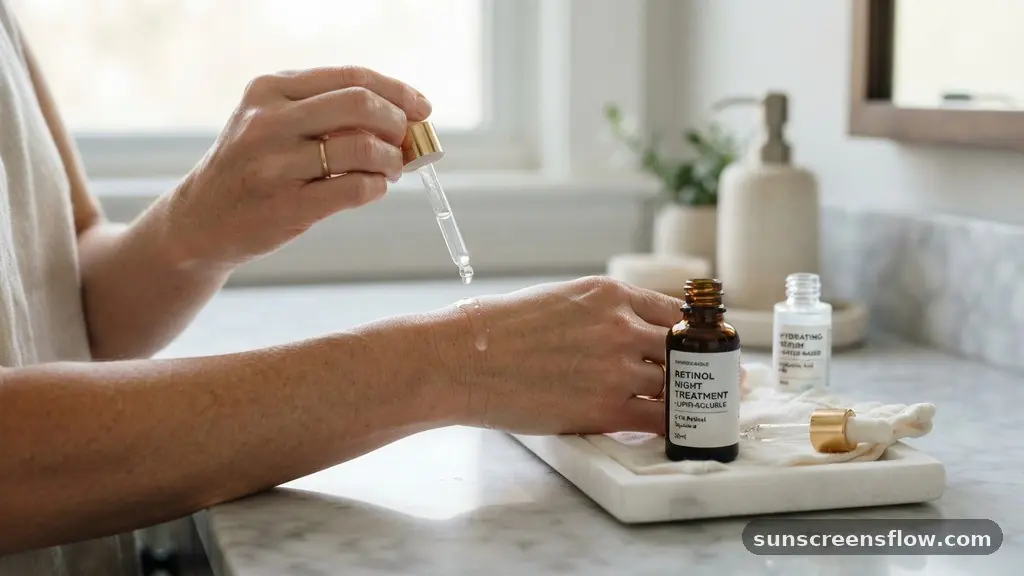
One of the biggest mistakes users make is failing to distinguish between different types of serums. A water-based serum containing niacinamide or vitamin C behaves very differently than a facial oil or a silicone-heavy serum.
Because retinol is lipid-soluble, it prefers to travel through the skin’s natural lipid barrier. If you apply a water-based serum that contains high levels of electrolytes or specific pH-adjusting agents before your retinol, you might accidentally shift the pH balance of your skin, which can decrease the efficacy of the retinol.
Conversely, applying a facial oil before retinol is almost universally discouraged. Oils are occlusives; they sit on top of the skin to lock in moisture and prevent trans-epidermal water loss. If you apply an oil before your retinol, the oil will act as a blanket, trapping the retinol in the upper layers of the skin or preventing it from penetrating at all.
Always reserve your facial oils for the final step of your nighttime routine. If you want to use a serum, ensure it is fully absorbed—give it at least two to three minutes—before applying your retinol treatment.
Optimizing the Layering Order for Specific Active Ingredients
When building a routine, it is helpful to look at how different ingredients interact. For instance, niacinamide is a popular partner for retinol because it can soothe inflammation and strengthen the barrier.
If you are using a niacinamide serum, applying it before your retinol is generally safe, provided the formula is lightweight and water-based. However, if you are using a serum containing chemical exfoliation agents like AHAs or BHAs, you should never layer these alongside retinol in the same session.
The combination of retinol and chemical exfoliants can lead to severe irritation and damage to the skin’s protective lipid mantle. If you choose to incorporate both, it is best to alternate nights or use the exfoliant in the morning and the retinol at night. The following table illustrates the general hierarchy of application to help you visualize where your serum fits into the workflow.
| Step Order | Product Category | Purpose |
|---|---|---|
| 1 | Cleanser | Removes impurities and prepares the surface. |
| 2 | Water-based Serum | Delivers targeted actives like niacinamide or HA. |
| 3 | Retinol Treatment | Stimulates cellular turnover; must be applied to dry skin. |
| 4 | Moisturizer | Hydrates and seals in the previous layers. |
| 5 | Facial Oil | Provides an occlusive seal to prevent moisture loss. |
Addressing Topical Gaps: Why Texture Matters
A common gap in existing advice is the lack of nuance regarding product texture. Not all serums are created equal, and some modern formulations are designed to be “retinol-friendly,” meaning they contain peptides or ceramides that work synergistically with vitamin A.
When deciding whether to put your serum before or after retinol, consider the “slip” of the product. If your serum feels slightly tacky or thick, it is likely to interfere with the retinol’s penetration.
Furthermore, many users overlook the importance of patch testing. Even if you have decided on a logical order, your skin’s unique reaction to the combination of two specific products is unpredictable.
You should always test new combinations on a small area of the neck or jawline before applying them to your entire face. This is particularly important if you are using prescription-strength tretinoin, which is significantly more potent than over-the-counter retinol and requires a more cautious approach to layering.
The Role of Humectants and Occlusives
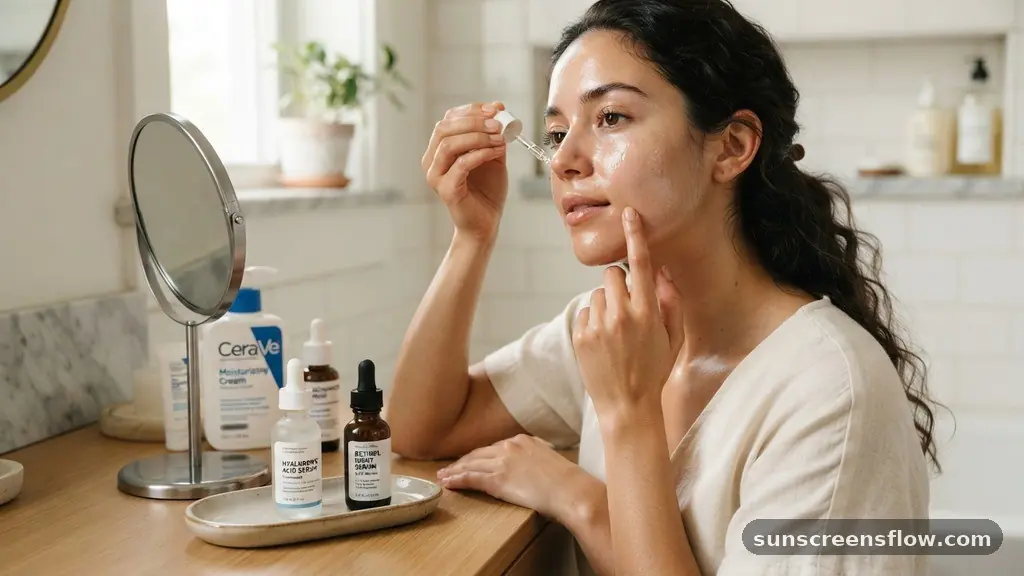
Understanding the difference between humectants and occlusives is essential for mastering your routine. Humectants, such as hyaluronic acid or glycerin, bind water to the skin. They are beneficial before retinol because they provide a reservoir of hydration.
Occlusives, such as petrolatum, squalane, or thick facial oils, create a physical seal. If you apply an occlusive before your retinol, you are effectively blocking the active.
However, applying an occlusive after your retinol is a pro-tip for reducing irritation. This technique, often called “slugging” (if done with a thin layer of petrolatum) or simply sealing, prevents the retinol from evaporating and forces it to remain in the skin longer.
This can increase the efficacy of the treatment while simultaneously soothing the skin. Always ensure that your retinol has been allowed to “set” for several minutes before applying any occlusive layer to avoid pushing the product into areas where it might cause sensitivity, such as the corners of the mouth or the eyelids.
Sun Protection Factor and Morning Considerations
While most people focus on the nighttime application of retinol, it is vital to remember that sun protection factor (SPF) is the most important part of your routine the next morning. Retinol increases your skin’s sensitivity to UV radiation by thinning the superficial stratum corneum through accelerated cell turnover. If you fail to use a broad-spectrum SPF 30 or higher every single day, you are essentially undoing the anti-aging work that your retinol is doing at night.
When considering your morning routine, you might choose to use your serums differently. For example, if you used a heavy, hydrating serum at night to buffer your retinol, you might choose a lighter, antioxidant-rich serum (like Vitamin C) in the morning.
The key is to keep the morning routine focused on protection and hydration, while the evening routine remains focused on repair and treatment. Never attempt to “layer” retinol in the morning; it is photo-unstable and will break down under UV light, rendering it useless while potentially causing irritation.
Common Mistakes and How to Avoid Them
Even with the best intentions, many people fall into traps that compromise their results. One major mistake is applying retinol to damp skin.
Water increases the permeability of the skin, which sounds like a good thing, but with a strong active like retinol, it can lead to rapid, uneven absorption that results in stinging and redness. Always wait for your skin to be completely dry—usually 5 to 10 minutes after cleansing—before applying your retinol.
Another mistake is using too much product. A pea-sized amount is sufficient for the entire face. If you find yourself needing more to “spread” the product, you are likely not using enough of your base serum or moisturizer.
You don’t need to drench your face in retinol to see results; consistency over time is far more effective than high-intensity application. If you are experiencing persistent flaking or inflammation, scale back the frequency of your retinol usage rather than trying to mask the side effects with more products.
- Always apply retinol to completely dry skin to prevent excessive irritation.
- Use water-based serums first, but allow them to absorb fully before retinol application.
- Avoid layering retinol with chemical exfoliants like AHAs or BHAs in the same routine.
- Prioritize barrier-repairing ingredients like ceramides and niacinamide in your serums.
- Never skip a high-SPF sunscreen the morning after using retinol.
- If irritation occurs, switch to a “sandwich” method with a hydrating moisturizer.
FAQ Section
Should I apply my serum before or after retinol if I have sensitive skin?
If you have sensitive skin, it is best to apply a gentle, hydrating serum before your retinol. This acts as a buffer, reducing the intensity of the retinol’s contact with the skin and helping to maintain your skin barrier while you adjust to the active ingredient.
Can I use hyaluronic acid with retinol?
Yes, hyaluronic acid is an excellent companion for retinol. Because retinol can be drying, using a hyaluronic acid serum either before or after your retinol helps draw moisture into the skin, keeping it plump and hydrated, which significantly reduces the likelihood of peeling and irritation.
How long should I wait between applying a serum and retinol?
You should wait until your serum has fully absorbed into the skin, which typically takes about two to three minutes. More importantly, ensure your skin is completely dry before applying retinol, as applying it to damp skin can increase the rate of absorption and lead to irritation.
Is it necessary to use a serum if I am using retinol?
It is not strictly necessary, but it is highly recommended. A well-chosen serum can provide essential hydration, antioxidants, and barrier-strengthening ingredients that help your skin tolerate the retinol better. If you have a simple routine, a basic moisturizer may suffice, but serums offer targeted benefits.
Conclusion
Navigating the order of your skincare products is essential for achieving professional-level results at home. While the general rule is to apply products from thinnest to thickest, the unique requirements of retinol—specifically its need for direct contact with the skin and its lipid-soluble nature—mean that you must be deliberate in your layering. By applying lightweight, water-based serums first and allowing them to dry, you can prepare your skin for the treatment without hindering its efficacy.
Remember that the goal is not just to use the strongest product, but to maintain the health of your skin barrier through every step of the process. Whether you choose to buffer your retinol with a serum or apply it directly to clean, dry skin, consistent use of sun protection factor and a focus on hydration will yield the best long-term results for your complexion.


