


Establishing a consistent frequency for your skincare regimen is essential, especially when incorporating active ingredients. Many people wonder how often should you use vitamin c serum to achieve a brighter, more even complexion without causing irritation. The answer depends largely on your skin type, the concentration of the product, and your overall goals.
Generally, for most individuals, applying a high-quality formula once daily in the morning is the gold standard for maximizing its protective benefits. By understanding the science behind this potent antioxidant, you can tailor your routine to ensure your skin thrives rather than reacts.
The Science of Topical Antioxidants and Skin Health
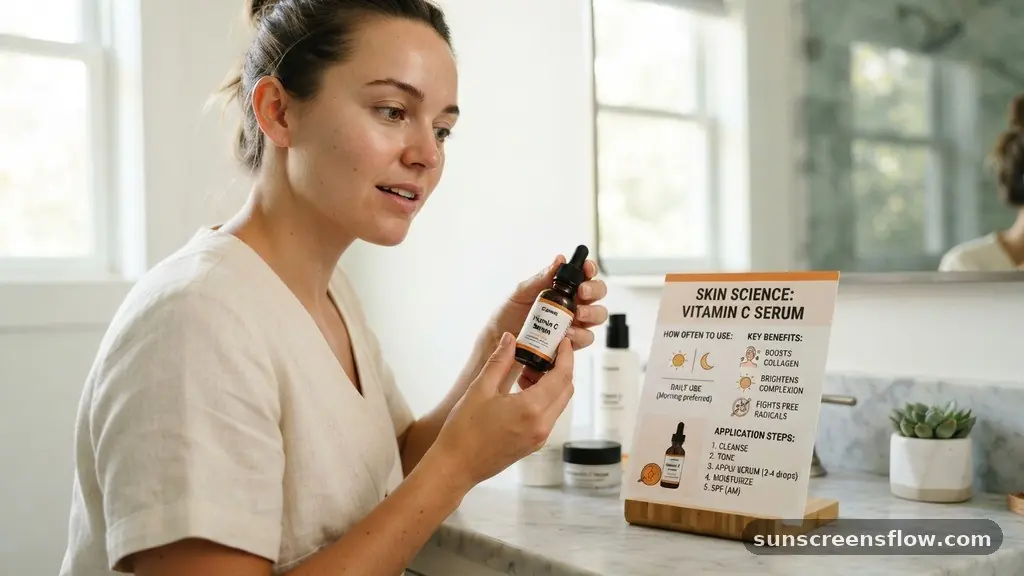
Vitamin C, specifically in the form of L-ascorbic acid, is a powerhouse ingredient in modern dermatology. As a topical antioxidant, its primary job is to neutralize free radicals—unstable molecules produced by environmental stressors like UV rays and pollution.
When these free radicals accumulate, they lead to oxidative stress, which breaks down healthy cells and accelerates the visible signs of aging. By applying this serum, you provide your skin with a defensive shield that mitigates cellular damage.
Beyond protection, this nutrient is a critical cofactor in collagen synthesis. Collagen is the structural protein that keeps skin firm and plump. As we age, our natural production of collagen declines, leading to fine lines and loss of elasticity.
Regular use of a stable vitamin C product encourages the skin to maintain its structural integrity. Furthermore, it is highly effective at inhibiting melanin production, making it a go-to solution for those struggling with hyperpigmentation and dark spots. When you commit to a regular application schedule, you are essentially investing in the long-term health and resilience of your dermal layers.
Why Morning Application is the Gold Standard
When considering how often should you use vitamin c serum, the timing of your application is just as important as the frequency. Most dermatologists recommend a morning skincare routine for this specific product.
The logic is simple: your skin faces the highest levels of environmental aggression during daylight hours. By applying your serum in the morning, you capitalize on its ability to provide photo-protection.
While it is not a replacement for your daily sunscreen, vitamin C works in tandem with SPF to double down on your defense against UV damage. UV light can deplete your skin’s natural antioxidant reserves; replenishing them at the start of your day ensures you have a continuous supply of protection.
Think of it as putting on a layer of armor before you step out into the world. Using it in the morning also allows you to enjoy the immediate cosmetic benefits, such as a brighter, more radiant complexion, which often lasts throughout the day.
Assessing Your Skin Sensitivity and Serum Concentration
Not all skin is created equal, and the frequency of your usage should be dictated by how your skin responds to the product. The serum concentration plays a significant role here.
Most effective products contain between 10% and 20% L-ascorbic acid. While higher concentrations may seem more potent, they also carry a higher risk of causing skin sensitivity, redness, or stinging.
If you are a beginner, it is advisable to start slow. Even if the bottle suggests daily use, you might find that your skin needs time to acclimate. Begin by applying the serum every other day, or even just three times a week, to see how your barrier holds up.
If you experience no adverse reactions, you can gradually increase the frequency to once daily. Always keep an eye out for signs of over-exfoliation or irritation.
If your skin feels tight, itchy, or looks inflamed, it is a clear sign to pull back. Building tolerance is a marathon, not a sprint, and there is no harm in adjusting your usage to fit your individual tolerance levels.
The Importance of Patch Testing and pH Balance
Before you make vitamin C a permanent fixture in your daily life, patch testing is a non-negotiable step. Apply a small amount of the product to your inner forearm or behind your ear and wait 24 to 48 hours. This allows you to identify any allergic reactions or severe sensitivities without risking a breakout or irritation on your entire face.
Additionally, the pH balance of your skin and your serum is vital. L-ascorbic acid typically requires a low pH (usually below 3.5) to effectively penetrate the skin barrier. If you apply a toner that raises your skin’s pH immediately before your serum, you might neutralize the active ingredient, rendering it less effective.
Wait a few minutes after cleansing to allow your skin to return to its natural state, or use a pH-balancing toner that is compatible with acidic treatments. Understanding these nuances helps you get the most out of your investment and prevents the frustration of ineffective products.
Strategic Layering: What to Avoid and What to Combine

One of the most common questions regarding how often should you use vitamin c serum involves how it interacts with other actives. Because it is an acid, it can be tricky to pair with other potent ingredients. For example, many people wonder about using it alongside retinol or exfoliating acids like AHAs and BHAs.
Generally, it is best to separate these ingredients to avoid potential irritation. Many experts suggest using vitamin C in the morning and saving retinol for the evening.
When it comes to niacinamide, the old myth that they cannot be mixed has largely been debunked, but it is still wise to allow a few minutes for each product to absorb before layering the next. The following table highlights common pairings and the best practices for layering:
| Ingredient | Compatibility | Best Practice |
|---|---|---|
| Sunscreen | Highly Compatible | Apply Vitamin C first, then SPF. |
| Retinol | Potential Irritation | Use Vitamin C AM / Retinol PM. |
| Niacinamide | Compatible | Wait 5-10 minutes between applications. |
| AHAs/BHAs | High Risk of Irritation | Alternate days or use at different times. |
Addressing Topical Gaps: Common Misconceptions
Many users are confused by conflicting advice found online. One common gap in information is why some people experience a “tingling” sensation. While mild tingling can be normal due to the low pH of L-ascorbic acid, persistent burning is not.
Another gap is the concern over oxidation. Vitamin C is notoriously unstable and can lose its potency when exposed to air and light. This is why you should always look for a product packaged in an amber glass bottle or an airtight, opaque pump.
If your serum has turned a dark orange or brown color, it has likely oxidized and is no longer effective. Another point of confusion is whether you can use it at night. While morning is preferred for its antioxidant benefits, there is no biological reason why you cannot use it at night if your skin tolerates it well.
However, you lose the daytime protective benefits, and you may find it difficult to layer with other evening treatments. Stick to the morning for the best results, and treat your nightly routine as a time for repair with different ingredients.
Building a Sustainable Long-Term Routine
Consistency is the secret to seeing dermatological benefits. Using a product sporadically will not yield the same results as a disciplined approach. When you decide how often should you use vitamin c serum, factor in your lifestyle.
If you have a busy morning, a quick-absorbing serum is ideal. If you have very sensitive skin, you might opt for a derivative like sodium ascorbyl phosphate, which is gentler but potentially less potent than L-ascorbic acid.
Remember that dermal absorption takes time. You are unlikely to see dramatic changes in skin texture or brightness overnight. Most clinical studies suggest that it takes at least 8 to 12 weeks of consistent daily use to see significant improvements in hyperpigmentation and collagen production.
Keep a journal if you are unsure about your progress. Take a photo of your skin at the start of your journey and another after three months. This visual evidence is often the best way to determine if your current frequency is working for you.
Troubleshooting Common Usage Mistakes
Even with the best intentions, it is easy to make mistakes that negate the benefits of your serum. One major error is not using enough product. You need a sufficient amount to cover your face, neck, and chest—areas that are frequently exposed to the sun.
Another mistake is failing to store the product correctly. Heat and humidity in a bathroom can speed up the breakdown of the formula. Keep your serum in a cool, dark place, such as a drawer or even the refrigerator, to preserve its integrity.
Furthermore, do not forget the antioxidant synergy that occurs when you combine vitamin C with ingredients like Vitamin E and Ferulic acid. These ingredients stabilize each other and enhance the overall efficacy of the serum.
If you are struggling with irritation, look for a formula that includes these stabilizing agents rather than just pure, high-concentration L-ascorbic acid. By refining your technique and being mindful of storage and layering, you can ensure that your daily application is as effective as possible.
Frequently Asked Questions
Can I use vitamin C serum every single day?
Yes, for most skin types, using a vitamin C serum once daily in the morning is perfectly safe and highly recommended. If you have sensitive skin, start by using it every other day to allow your skin to adjust to the acidity of the product.
What happens if I use vitamin C with retinol?
Using vitamin C and retinol simultaneously can lead to significant skin irritation because both are potent actives that can disrupt the skin barrier. It is best to use vitamin C in your morning routine and save your retinol application for your evening routine.
Does vitamin C make my skin more sensitive to the sun?
No, vitamin C does not make your skin more sensitive to the sun. In fact, it provides a layer of photo-protection that helps neutralize free radicals caused by UV exposure. However, you must always wear a broad-spectrum sunscreen alongside your serum for complete protection.
How can I tell if my vitamin C serum has gone bad?
You can tell your serum has oxidized if it has turned a dark yellow, orange, or brown color. A fresh, effective vitamin C serum should be clear or a very pale straw color. Once it changes color, it has lost its potency and should be discarded.
Conclusion
Determining how often should you use vitamin c serum is a balance of science and personal skin tolerance. By prioritizing a morning application, you provide your skin with the necessary defense against environmental oxidative stress and support long-term collagen production. Whether you choose to start with a lower concentration to test your sensitivity or jump straight into a daily routine, the key remains consistency.
Remember to store your product properly to avoid oxidation, avoid incompatible layering, and always pair your serum with a high-quality sunscreen. With patience and a disciplined approach, this versatile antioxidant will become one of the most effective tools in your skincare arsenal, helping you achieve a healthier, more radiant complexion over time.


