

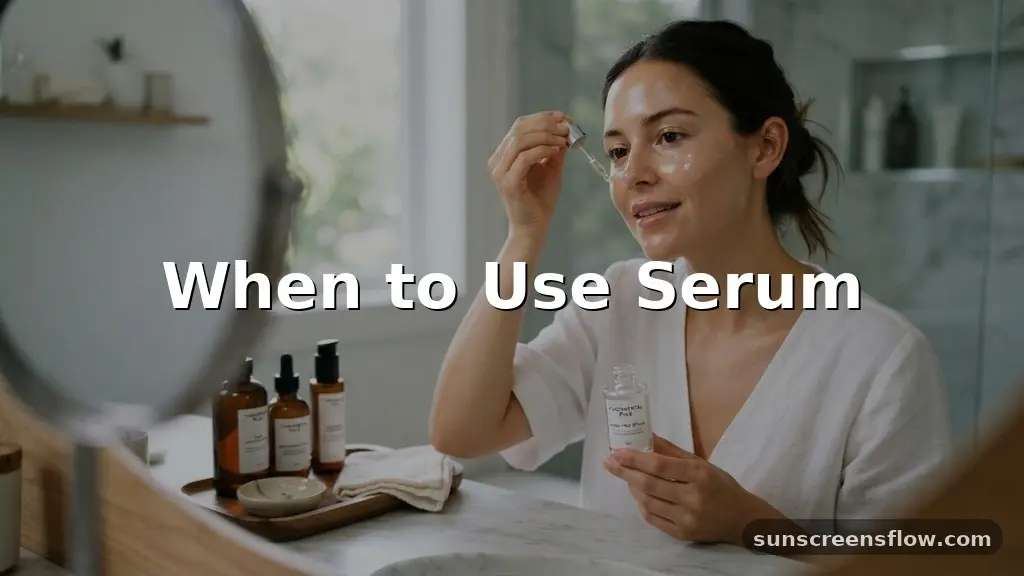
Navigating the complex world of modern skincare often leads to confusion regarding the order of operations, specifically concerning when to use serum. Because these potent formulas are packed with high concentrations of active ingredients, they occupy a unique space in your daily regimen. Understanding the precise timing for application is not merely about following rules; it is about respecting the science of epidermal absorption and the integrity of your skin barrier.
By placing your serum at the correct stage of your routine, you ensure that the product penetrates effectively before heavier creams create an occlusion that might hinder its performance. Whether you are using a lightweight hyaluronic acid or a more robust retinol treatment, knowing the exact moment of application is the secret to unlocking visible, long-term results.
The Fundamental Rule of Skincare Layering
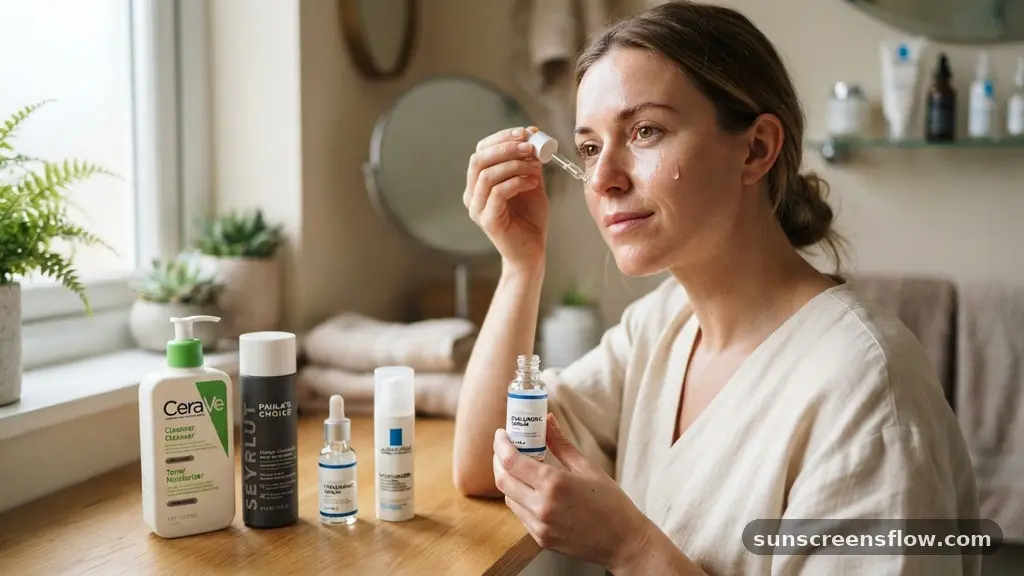
The golden rule of skincare layering is simple: apply your products from the thinnest consistency to the thickest consistency. Serums are designed with a low serum consistency—usually water-based or thin gel-like textures—which allows them to deliver concentrated nutrients directly into the skin. If you apply a thick, emollient-rich moisturizer before your serum, the larger molecules in the cream will create a barrier that prevents the serum from reaching the deeper layers of the epidermis.
When determining when to use serum, think of your skin like a sponge. A dry or slightly damp skin surface is more receptive to lightweight formulas. By applying the serum immediately after cleansing and using a toner, you are providing the skin with a clean canvas.
The toner helps balance your pH balance, ensuring that the environment is optimal for the serum’s active components to function. Following this sequence ensures that the most expensive and potent parts of your routine are not wasted sitting on top of a heavy layer of occlusive ingredients.
Morning Routine vs. Evening Routine
The timing of your serum application often changes depending on your goals for the day versus your goals for the night. Your morning routine should prioritize protection and defense.
This is the time to reach for antioxidants, such as vitamin c, which help neutralize free radicals generated by UV exposure and environmental pollution. Applying a vitamin C serum in the morning provides a vital layer of defense that, when followed by a broad-spectrum sunscreen, creates a synergistic effect that protects your skin throughout the day.
Conversely, your evening routine is the ideal window for repair and regeneration. This is when your skin shifts into its natural recovery mode. Ingredients like retinol or specialized peptides work best while you sleep, as they promote cell turnover and collagen production without the interference of environmental stressors.
Furthermore, since you do not need to worry about sun sensitivity in the evening, you can safely apply stronger chemical treatments. Understanding the distinction between a morning “protect” phase and an evening “repair” phase is essential for maximizing the efficacy of your serums and ensuring your skin receives the specific support it needs around the clock.
The Role of Molecular Weight and Absorption
A critical factor in understanding when to use serum involves the concept of molecular weight. Serums are formulated with smaller molecular structures compared to lotions and creams. These tiny molecules are specifically engineered to penetrate the skin barrier effectively.
When you layer products, you are essentially creating a highway for these ingredients to travel. If you introduce a heavy oil or wax-based cream too early, you create a “traffic jam” that prevents the small molecules of your serum from moving through the stratum corneum.
The science of trans-epidermal water loss also plays a role here. Serums often contain humectant ingredients, such as hyaluronic acid, which draw moisture from the environment into the skin. However, if the air is dry and you do not seal that serum with a moisturizer, the product can actually pull moisture out of your skin.
Therefore, the serum is the “drink” of water for your skin, and the moisturizer is the “lid” that keeps that hydration locked inside. By respecting the molecular progression of your products, you maximize the benefits of every drop.
Strategic Integration of Active Ingredients

Not all serums are created equal, and knowing when to use serum often depends on the specific ingredients within the bottle. For instance, niacinamide is a versatile ingredient that can be used morning or night, but it should be applied after any exfoliating acids to avoid irritation. Chemical exfoliation products, such as AHAs or BHAs, act as a bridge between cleansing and serum application. Because these acids lower the skin’s pH, they create an environment where certain serums, particularly those containing antioxidants, can perform more efficiently.
When integrating multiple serums, you should always wait for each layer to dry down before moving to the next. This prevents “pilling,” where the product balls up on the skin, and ensures that the facial massage you perform during application is effective.
If you are layering serums, start with the most watery, thinnest formula and work your way up to the slightly thicker, oil-based serums. This systematic approach ensures that each layer is fully absorbed, reducing the risk of irritation and maximizing the concentration of active ingredients that reach your skin cells.
| Serum Type | Best Time to Use | Primary Benefit |
|---|---|---|
| Vitamin C | Morning | Brightening & UV Protection |
| Hyaluronic Acid | Morning & Evening | Deep Hydration |
| Retinol | Evening Only | Anti-Aging & Cell Turnover |
| Niacinamide | Morning & Evening | Barrier Support & Pore Refining |
Addressing Topical Gaps: Common Misconceptions
Many people wonder if they can use serum after their moisturizer, or if they even need a moisturizer at all. The common misconception is that serum replaces moisturizer. In reality, unless you have extremely oily skin, serum is a supplement, not a replacement.
Another gap in public knowledge concerns the use of non-comedogenic products. People often fear that layering multiple serums will clog their pores.
However, if you choose high-quality, non-comedogenic serums, the risk is minimal. The issue usually arises from the heavy creams applied afterward, not the serums themselves.
Another frequently asked question involves the use of serums on damp skin. While this is highly recommended for hyaluronic acid—as the dampness provides extra water for the humectant to bind to—it can actually cause irritation if you apply products containing strong active ingredients like retinol or exfoliating acids to damp skin.
Water increases the permeability of the skin, which can lead to deeper, more aggressive penetration than intended. Therefore, while dampness is a friend to hydration serums, it is a variable you should control carefully when using potent clinical actives.
Maximizing Results with Facial Massage
Integrating a brief facial massage during your serum application is an excellent way to boost results. As you apply the product, use upward, sweeping motions starting from the center of the face and moving outward.
This not only encourages better product distribution but also stimulates lymphatic drainage. When you apply your serum with intention, you are helping the active ingredients settle into the skin more evenly.
Furthermore, the heat generated by your hands during a massage can slightly increase blood flow to the skin’s surface, which can theoretically aid in the absorption of certain ingredients. It is important, however, to be gentle. Pulling or tugging on the skin can have the opposite effect, potentially causing inflammation.
Use the pads of your fingers to gently press the serum into your skin. This “press-and-release” technique is particularly effective for sticky or slightly tacky serums, ensuring they adhere to the skin surface rather than just sitting on top of the hair follicles.
The Interaction Between Serums and Sunscreen
The relationship between your serum and your sunscreen is perhaps the most critical aspect of your morning routine. A common mistake is applying sunscreen immediately after a serum that hasn’t fully set.
If the serum is still wet, you risk diluting the SPF protection, which can leave your skin vulnerable to UV damage. Always allow your serum to absorb for at least 60 seconds before moving on to your moisturizer and subsequent sunscreen application.
Additionally, some serums can react with the chemical filters in certain sunscreens. If you notice a white cast or a strange residue forming after applying your SPF, it may be a sign of ingredient incompatibility.
In such cases, switching to a mineral-based sunscreen or allowing more time for the serum to dry can resolve the issue. Remember that the serum is the foundation of your protection; if the foundation is compromised or improperly layered, the final layer of defense—your sunscreen—cannot do its job effectively.
Common Questions About Serum Usage
Do you put serum on before or after your moisturizer?
You should always apply serum before your moisturizer. Serums are thinner and contain smaller molecules designed for deeper penetration. Moisturizers are thicker and serve to lock in the nutrients from the serum while providing a protective barrier to prevent trans-epidermal water loss.
Is it necessary to use a serum and a moisturizer at the same time?
Yes, for most skin types, it is beneficial to use both. The serum acts as a targeted treatment for specific concerns like aging or dehydration, while the moisturizer provides the essential lipids and hydration needed to maintain a healthy skin barrier throughout the day.
Can I use multiple serums in one routine?
Yes, you can layer multiple serums, provided you follow the thinnest-to-thickest rule. However, avoid layering too many active ingredients at once, as this can lead to skin irritation or sensitivity. It is often better to use one serum in the morning and a different one at night.
What are the signs that I am using too many serums?
Signs of over-layering include redness, stinging, persistent breakouts, or the product “pilling” and rolling off your skin. If your skin feels tight, irritated, or overly sensitive, simplify your routine by cutting back to one essential serum and focusing on gentle hydration and barrier repair.
Conclusion
Mastering when to use serum is one of the most effective ways to elevate your skincare routine from basic to professional-grade. By respecting the sequence of application, understanding the molecular weight of your products, and tailoring your choices to your morning and evening needs, you set your skin up for long-term health and vitality. Remember that skincare is highly individual; while these rules provide a solid scientific framework, your skin’s specific reaction to these layers is the final judge.
Focus on consistency, prioritize high-quality ingredients, and always seal your serums with a moisturizer to maintain a healthy, hydrated barrier. Whether you are targeting fine lines, hyperpigmentation, or general dullness, the strategic use of serums ensures that your active ingredients are working exactly where they need to be. By following these guidelines, you ensure that every step of your routine contributes to a radiant, resilient, and well-nourished complexion.


