


Navigating the nuances of a daily skincare routine can often feel like solving a complex puzzle, especially when you are trying to determine whether does toner go before serum in your sequence of applications. The short answer is yes: toner should always be applied before your facial serum. By following the principle of applying products from the thinnest consistency to the thickest, you ensure that each layer penetrates the skin effectively.
Think of your skin as a sponge; if you seal it with a heavy layer too early, the lighter, more potent treatments cannot reach the deeper layers of the epidermis where they are most needed. Understanding this order is not just about preference; it is about maximizing the efficacy of your expensive active ingredients.
The Fundamental Logic Behind Skincare Layering
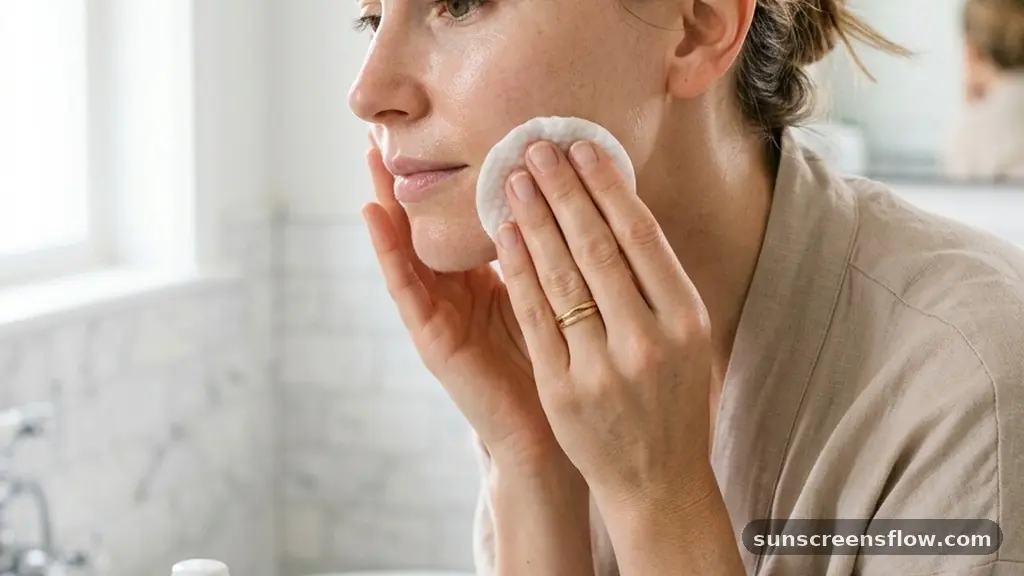
The primary reason why the sequence of your products matters involves the concept of viscosity and molecular weight. Skincare products are formulated with varying densities, ranging from watery toners to thick, rich creams.
When you apply products in the correct order, you allow the skin to absorb water-based products first, followed by treatments, and finally, sealants that lock in moisture. If you were to apply a heavy cream or an oil-based serum before a toner, the toner would simply sit on the surface, unable to bypass the barrier created by the heavier substance.
Furthermore, the goal of a toner is to prep the skin. Most toners are designed to rebalance the skin’s pH balance after cleansing, which can sometimes be disrupted by harsh surfactants in soaps or cleansers. By restoring this balance, you create a neutral, healthy environment that is primed to receive the concentrated active ingredients found in your serums.
When your skin is at its optimal pH, it becomes more receptive to the nutrients you apply next. Ignoring this step or reversing the order means you are essentially creating a roadblock for your serum, preventing it from interacting with the skin cells in the way the formulator intended.
The Role of Toner in Skin Preparation
Many people mistakenly view toners as mere “cleaning” agents, but modern formulas offer much more. While traditional toners were often alcohol-based and astringent, contemporary versions focus on hydration and soothing. When you use a toner, you are effectively removing any remaining tap water minerals or residual debris that the cleanser might have missed.
More importantly, using a toner on damp skin allows for better absorption rate of subsequent products. Because the skin is slightly hydrated, it is more permeable, allowing the delicate molecules in your serum to travel more efficiently into the surface layers.
Another benefit of the toner step is pore refinement. While you cannot physically shrink your pores, a good toner can keep them clear of debris, which minimizes their appearance. When the skin is hydrated and the pH is balanced, the skin texture appears smoother and more uniform.
If you use toner pads, you are also providing a very mild, manual exfoliation that can help remove dead skin cells. This light physical exfoliation acts as a precursor to your serum, ensuring that the active ingredients have a clear path to the skin rather than having to work through a layer of dead, dull surface cells.
Why Serums Require a Clean Canvas
A facial serum is essentially a delivery vehicle for high concentrations of potent ingredients like niacinamide, hyaluronic acid, or vitamin c. These products are formulated with smaller molecules designed to penetrate deeply into the dermis and epidermis.
Because these serums are usually more expensive and contain the “heavy lifters” of your routine, they should never be blocked by anything else. If you apply a serum over a heavy moisturizer or an oil, the larger molecules of the moisturizer will prevent the serum from reaching its target.
When you apply serum immediately after your toner, you are leveraging the hydration provided by the toner to “pull” the serum deeper into the skin. This is particularly important when dealing with humectants. For instance, if your toner contains glycerin or panthenol, it helps set the stage for a hyaluronic acid serum to draw even more moisture into the skin.
If you skip the toner and apply a serum to dry, tight skin, you might find that the product feels sticky or takes too long to sink in. By maintaining the correct order, you ensure that the serum is the star of the show, working directly on the skin concerns you are trying to address, whether that is brightening, anti-aging, or acne management.
Comparing Toner and Serum Characteristics
To better understand why the order is non-negotiable, it helps to look at the differences between these two product categories. While they both exist to improve skin health, they fulfill vastly different roles in your daily regimen.
| Feature | Toner | Serum |
|---|---|---|
| Primary Purpose | Balance pH and prep skin | Target specific skin concerns |
| Viscosity | Thin, watery | Gel-like or concentrated liquid |
| Application Timing | Immediately after cleansing | After toner, before moisturizer |
| Key Ingredients | Hydrators, soothing agents | Concentrated actives (Retinol, Vitamin C) |
As shown in the table above, the structural differences dictate the application order. A toner is essentially a bridge between the cleansing phase and the treatment phase. If you attempt to switch these, you are essentially trying to put a thin, watery liquid on top of a thicker, more viscous treatment, which is physically counterintuitive for the skin’s absorption process.
Addressing Common Skincare Routine Myths
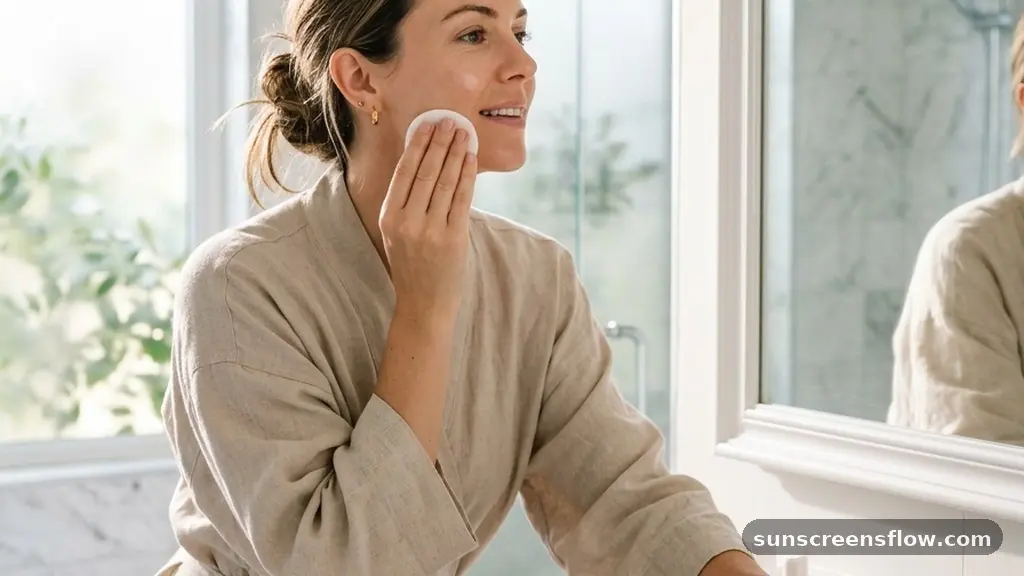
One of the most persistent myths in the beauty community is that you can skip a toner if you use a high-quality cleanser. While some cleansers are indeed pH-balanced, a toner provides an extra layer of protection and hydration that a cleanser simply cannot provide. Furthermore, there is the question of exfoliation.
If you are using an exfoliating toner (such as one containing AHAs or BHAs), it is crucial to use it after cleansing but before any other treatment. If you use a heavy serum first, the exfoliating acids will not be able to penetrate the skin evenly, which can lead to patchy results or unnecessary irritation.
Another common misconception is that all serums can be mixed or used at the same time. While you can layer different serums, you must be careful with how they interact. For example, using retinol and strong chemical exfoliants simultaneously can compromise the skin barrier, leading to sensitivity.
By using a soothing, hydrating toner between your cleansing and your active serums, you create a buffer that can help minimize potential irritation. Your toner acts as a stabilizer, ensuring that even if your serum is potent, your skin is sufficiently prepared to handle the intensity of the active ingredients without suffering from reactive inflammation.
The Importance of the Skin Barrier
Your skin barrier is the outermost layer of your skin, responsible for keeping moisture in and environmental pollutants out. Everything you apply to your face should be designed to support this barrier.
When you follow the correct order—cleanser, toner, serum, moisturizer—you are working in harmony with your skin’s natural physiology. Toners help maintain the acid mantle, the thin, slightly acidic film on the surface of the skin that acts as a primary barrier against bacteria.
When the barrier is healthy, your skin looks plump, radiant, and feels comfortable. When it is disrupted, it becomes prone to redness, flakiness, and breakouts. By applying toner first, you are essentially “feeding” the barrier with hydration, which makes it more resilient when you apply your more potent serums.
If you were to apply a harsh treatment serum directly to a compromised barrier, you would likely experience stinging or burning. The toner acts as a cooling, hydrating base that ensures the skin is ready for the more intensive treatment that follows.
Integrating Essence and Emulsions
If your routine includes an essence or an emulsion, you might be wondering where they fit into the “toner before serum” rule. An essence is generally thinner than a serum but thicker than a toner, acting as a secondary hydration boost. If you are using an essence, the order should be: Toner -> Essence -> Serum.
Think of it as a spectrum of thickness. Emulsions, on the other hand, are lighter than a cream moisturizer but can sometimes be thicker than a serum.
In a complex, multi-step routine, you should always visualize your products on a scale of viscosity. You start with the most watery, fluid-like product and end with the most occlusive, thickest product. Occlusives are ingredients like oils or waxes that sit on top of the skin to prevent transepidermal water loss.
If you apply an occlusive product before your serum, you have effectively sealed the door to your skin. By keeping your toners and serums at the beginning of your routine, you ensure that these water-based products are absorbed fully, allowing the subsequent layers to lock in that hydration without hindering the efficacy of your active ingredients.
Topical Gaps: Addressing Specific Skin Needs
Many users ask if the order changes based on skin type. For example, does toner go before serum for dry skin? The answer remains the same: yes, it does.
In fact, it is even more critical for those with dry skin. Dry skin often lacks the ability to retain moisture, and a hydrating toner can be the difference between a serum that works and one that evaporates from the surface. For those with oily skin, toner is equally vital because it helps clear excess sebum, allowing the serum to penetrate the pores more effectively rather than just sitting on top of an oil film.
Another topical gap involves the use of water-based products versus oil-based products. If you are using an oil-based serum, it should always be applied after your water-based serum, or sometimes even after your moisturizer, depending on the thickness.
Because oil and water do not mix, the oil will always act as a barrier to anything applied after it. Therefore, regardless of your skin type or specific product preference, the golden rule of “thinnest to thickest” remains the most reliable guide for building a successful skincare regimen that delivers tangible results.
FAQ
Do I really need to use a toner every single day?
While not strictly mandatory for everyone, using a toner daily can significantly improve your skin’s hydration levels and pH balance. If you have sensitive or dry skin, a gentle, hydrating toner can provide essential relief and better prepare your skin to absorb your more expensive, targeted serums.
Can I apply serum immediately after toner or should I wait?
It is generally best to apply your serum while your skin is still slightly damp from the toner. Waiting for the toner to dry completely can cause the skin to lose that initial boost of hydration, making it slightly less receptive to the serum’s active ingredients.
Does the order change if I am using an exfoliating toner?
No, the order remains the same. Even if your toner contains active exfoliating acids, it should still be applied after cleansing and before your serum. This ensures that the exfoliants can remove surface debris, allowing the active ingredients in your serum to penetrate the skin more effectively.
What happens if I apply serum before toner by mistake?
If you apply your serum first, it will likely struggle to penetrate the skin because it is not being supported by the hydrating base of the toner. You may find that your serum feels tacky on the skin or that you aren’t seeing the results you expect from your active ingredients.
Conclusion
Determining whether does toner go before serum is one of the most important lessons in developing an effective skincare routine. By consistently applying your toner first, you ensure that your skin is properly prepped, pH-balanced, and sufficiently hydrated to absorb the potent active ingredients found in your facial serum. This simple, logical order—moving from the thinnest, most watery products to the thickest, most occlusive ones—is the key to unlocking the full potential of your products.
Whether you are aiming for deep hydration, pore refinement, or the correction of specific concerns, respecting this sequence will protect your skin barrier and help you achieve the healthy, radiant complexion you are working toward. Remember, skincare is a science of layering; when you get the order right, your products work in harmony rather than against each other.


