


Integrating a potent antioxidant into your skincare routine is one of the most effective ways to combat environmental damage, and many people often wonder: can you use vitamin C serum at night? While traditional advice often suggests applying this product in the morning to leverage its protective qualities against UV rays, nocturnal application is not only safe but can be highly beneficial for your skin’s recovery process. By understanding the chemistry behind L-ascorbic acid and how it interacts with your skin’s natural circadian rhythm, you can optimize your routine for better long-term results.
The Science of Vitamin C and Skin Recovery

To grasp why someone might consider applying this serum before bed, it is vital to understand Understanding Vitamin C Absorption. Vitamin C is a powerful molecule that works by neutralizing free radicals—unstable molecules produced by exposure to pollution, UV radiation, and other environmental stressors.
During the day, your skin is in “defense mode,” constantly battling these external aggressors. By applying an antioxidant serum in the morning, you provide a shield that minimizes oxidative stress.
However, the skin also undergoes a significant repair process while you sleep. At night, blood flow to the skin increases, and cellular turnover accelerates. Applying a high-quality serum during this window allows the active ingredients to penetrate deeply without the interference of makeup, sunscreen, or ongoing environmental exposure.
While the primary function of Vitamin C is protection, it also plays a critical role in collagen synthesis. Because your body focuses on repair during the night, providing the skin with the necessary building blocks—like Vitamin C—can support the structural integrity of the skin barrier.
Dispelling the Myth of Daytime-Only Application
Many skincare enthusiasts believe that because Vitamin C is a protective agent, it is wasted at night. This is a common misconception. Is Nighttime Application Effective? The answer is a resounding yes. While the serum doesn’t “protect” you from the sun while you are sleeping, it continues to work on brightening hyperpigmentation, smoothing skin texture, and reducing the appearance of fine lines.
The concern regarding nighttime application often stems from the stability of the formula. Vitamin C, particularly in the form of ascorbic acid, can be volatile. It is sensitive to light and air, which is why it is usually packaged in an opaque bottle and stored in a dark place.
As long as the product is absorbed into the skin before you hit the pillow, it will remain stable and effective. The skin does not “know” what time of day it is, but it does respond to the consistent delivery of active ingredients. If you find that your morning routine is too cluttered or you struggle with the tacky texture of some serums under makeup, shifting your application to the evening is a smart, strategic move.
Strategic Layering for Maximum Results
One of the most important aspects of a successful skincare regimen is the order of operations. Layering for Maximum Results ensures that each product can penetrate the skin without being blocked by heavier occlusives. If you decide to use your serum at night, it should always be applied to clean, slightly damp skin after your cleanser and toner but before your heavier creams.
Furthermore, if you have sensitive skin, hydrating creams afterward, which can mitigate potential discomfort. Because high-concentration serums can sometimes be drying, sealing the moisture in with a ceramide-rich moisturizer helps maintain the health of your skin barrier. This combination acts as a buffer, ensuring that the active ingredients work their magic without causing unnecessary irritation.
| Product Type | Application Order | Best Time to Use |
|---|---|---|
| Cleanser | 1st | Morning & Night |
| Vitamin C Serum | 2nd | Morning or Night |
| Moisturizer | 3rd | Morning & Night |
| SPF | 4th | Morning Only |
Ingredients to Avoid Mixing
A common mistake that leads to irritation is combining incompatible skincare ingredients. When you are deciding whether to use your serum at night, you must consider the other products in your cabinet. Specifically, you should identify Ingredients to Avoid Mixing to prevent chemical reactions that can render your products useless or cause skin sensitivity.
- Retinol: While both are powerhouse anti-aging ingredients, using them at the same time can cause severe irritation. It is best to use Vitamin C in the morning and retinol at night.
- Benzoyl Peroxide: This acne-fighting agent can oxidize Vitamin C, effectively neutralizing its antioxidant properties.
- AHA (Alpha Hydroxy Acids) and BHA (Beta Hydroxy Acids): Ingredients like glycolic or lactic acid can alter the pH of your skin, which may destabilize the acidic nature of L-ascorbic acid.
If you are determined to use multiple active ingredients, the best approach is to stagger them. Use your acids or retinol on alternating nights, or reserve the Vitamin C for the morning and your chemical exfoliants for the evening. This ensures that your skin receives the benefits of each ingredient without the risk of over-exfoliation or chemical neutralization.
Identifying Potential Risks and Best Practices
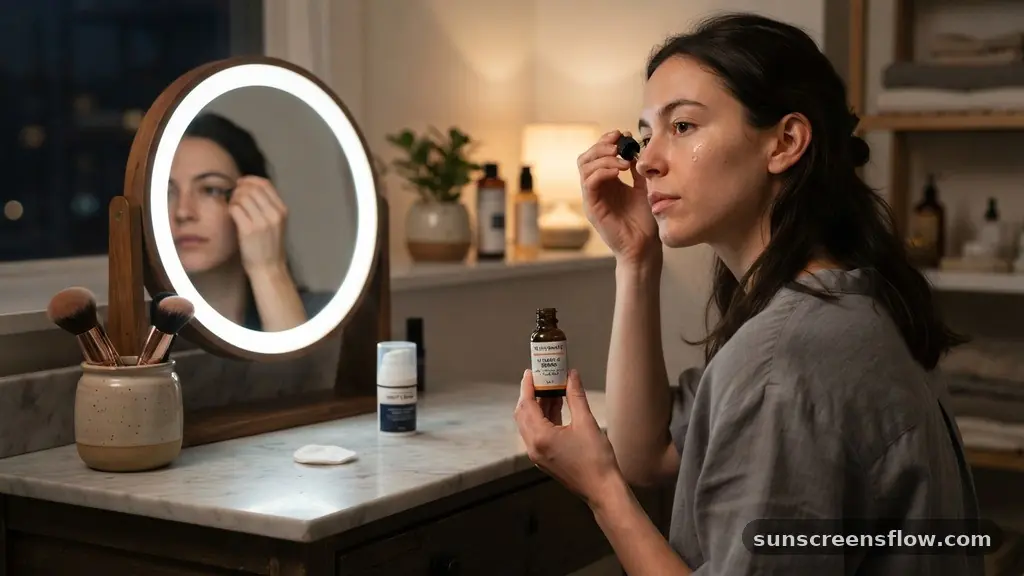
Even with the best intentions, high-potency skincare requires a cautious approach. Potential Risks and Best Practices include monitoring how your skin reacts to the concentration of the serum. Vitamin C is acidic, and for those with compromised skin barriers, it can be quite potent.
If you notice excessive stinging, peeling, or persistent redness, you should immediately scale back your frequency. Start by applying the serum every other night, or dilute it by mixing a small amount with your moisturizer. This “slow and steady” method allows your skin to build tolerance.
Additionally, ensure you are storing your serum correctly. Because Vitamin C is prone to oxidation, exposure to air and light will turn the liquid yellow or brown, indicating that it has lost its potency. Always tighten the cap immediately after use and keep the bottle in a cool, dark place, such as a drawer or a cabinet away from the bathroom sink, where humidity can also accelerate degradation.
Addressing Topical Gaps: Why Nighttime Might Be Better for Some
There is a gap in the current discourse regarding the “morning-only” rule. Many people work night shifts, or simply find that their morning routine is rushed, leading to poor absorption or skipping the product entirely. If you are one of these people, the “best” time to use Vitamin C is simply the time when you will actually use it.
Consistency is the most important factor in skincare. If you skip your morning application because you are running late, but you always have time for a nighttime ritual, then you should absolutely incorporate the serum into your evening routine.
By applying it at night, you ensure that the product is actually being used daily, which is the only way to see long-term improvements in skin tone, brightness, and texture. Your skin does not lose its ability to repair itself simply because the sun has gone down; in fact, the lack of UV exposure at night makes it the perfect time to focus on corrective treatments.
The Role of pH and Formulation Stability
The efficacy of a Vitamin C serum is heavily dependent on its pH level. Most effective formulas are kept at a low pH (usually below 3.5) to ensure that the L-ascorbic acid can penetrate the skin.
This acidity is exactly why it can be irritating when mixed with other active ingredients. When you apply your serum at night, you are providing a controlled environment.
During the day, your skin is exposed to various pH levels from tap water, sweat, and other products. At night, you have total control over the environment. By cleansing and prepping the skin properly, you allow the serum to work at its optimal pH.
This level of control is often missing during the busy morning hours. By creating a dedicated “active” step in your nighttime routine, you are essentially giving your skin the most stable environment for the serum to perform its function, whether that is fading sun spots or supporting collagen production.
Long-Term Benefits of Nightly Consistency
When you commit to a consistent nighttime application, you are investing in the long-term health of your complexion. Over weeks and months, the cumulative effect of using a high-quality antioxidant is visible in the form of a more even skin tone and a reduction in fine lines.
The key is patience. Unlike some products that offer immediate hydration, Vitamin C is a long-game ingredient.
By integrating it into your evening routine, you also establish a sense of mindfulness. Taking the time to apply your products properly—letting the serum sink in for a few minutes before applying your moisturizer—ensures that you are getting the full value of your investment.
Whether you choose to use it in the morning to fight the day’s pollution or at night to support your body’s natural repair cycle, the most important thing is that you are using it at all. The evidence is clear: for those who prefer an evening routine, Vitamin C is an excellent, safe, and effective addition that will help you achieve your skincare goals.
Frequently Asked Questions
Is it necessary to use Vitamin C twice a day?
No, it is not necessary and may actually be counterproductive. Vitamin C has a long half-life in the skin, meaning it stays active for many hours after application. Using it twice a day increases the risk of irritation without providing a proportional increase in benefits.
Can I use Vitamin C with my night cream?
Yes, you can, but order matters. Always apply your Vitamin C serum directly to clean, dry skin first. Allow it to absorb for 2-3 minutes until the skin feels tacky or dry, then follow with your night cream to lock in moisture and prevent transepidermal water loss.
Will Vitamin C stain my pillowcase?
While pure L-ascorbic acid can oxidize and turn a yellowish color, it rarely stains fabric if it has been properly absorbed into the skin. If you find your product leaves a residue, ensure you are using an appropriate amount and giving it time to dry before lying down.
How do I know if my Vitamin C serum has gone bad?
Check the color and smell of the product. If your serum has turned from clear or light straw-colored to a dark orange or brown, it has likely oxidized. A sharp, metallic, or “burnt” smell is also a strong indicator that the formula is no longer effective or safe to use.
Conclusion
Ultimately, the answer to “can you use vitamin c serum at night” is a definitive yes. While morning application is standard for its protective antioxidant benefits, utilizing this ingredient at night is a highly effective strategy for those who prioritize repair or have busy morning schedules.
By being mindful of ingredient layering, storing your serum in a dark place, and listening to your skin’s reaction, you can safely incorporate this powerhouse into your evening routine. Remember that consistency is the foundation of any successful skincare journey; choose the time of day that works best for your lifestyle, and you will reap the rewards of brighter, more resilient skin over time.


