


Incorporating a targeted treatment into your regimen can be the turning point for achieving a smoother, more refined complexion. Learning how to use CeraVe Resurfacing Retinol Serum correctly is essential for those looking to diminish the appearance of post-acne marks and improve overall skin texture.
This serum is specifically formulated to resurface the skin without compromising its integrity, making it a staple for individuals dealing with uneven skin tone and lingering imperfections. By understanding the science behind its key ingredients and the proper application techniques, you can harness the power of this dermatological skincare solution to reveal a clearer, more radiant face.
Understanding the Core Ingredients and Their Benefits
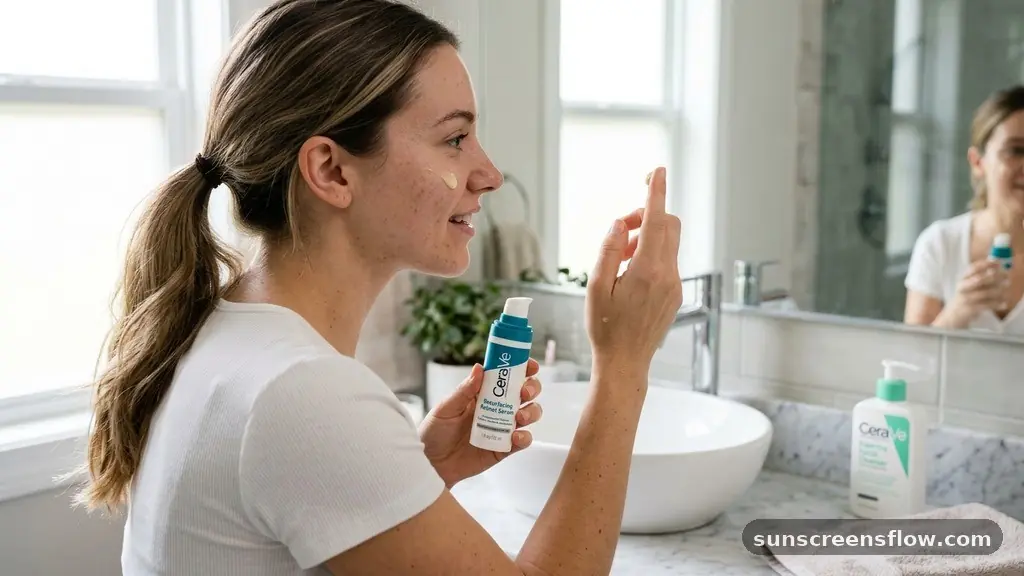
The efficacy of the CeraVe Resurfacing Retinol Serum lies in its thoughtful combination of active and supporting ingredients. At the heart of the formula is encapsulated retinol, which works to speed up cell turnover. Unlike traditional retinol, which can sometimes be harsh, the encapsulation process allows for a slower, more controlled release of the active ingredient onto the skin.
This mechanism significantly reduces the risk of irritation while still delivering potent smoothing benefits. By promoting the shedding of dead skin cells, it directly addresses roughness and helps fade the dark spots left behind by previous breakouts.
Complementing the retinol is niacinamide, also known as vitamin B3. This powerhouse ingredient is widely celebrated for its ability to soothe the skin and reduce redness, effectively acting as a calming agent that balances the intensity of the retinol. Furthermore, the serum is enriched with three essential ceramides—1, 3, and 6-II—which are crucial for maintaining a healthy skin barrier.
These lipids help lock in moisture and prevent the transepidermal water loss that often accompanies the use of active ingredients. Additionally, the inclusion of licorice root extract provides a brightening effect, helping to even out the complexion, while hyaluronic acid ensures the skin remains hydrated and plump during the resurfacing process.
Preparing Your Skin for Retinol Application
Before you begin using this serum, it is vital to ensure your skin is in an optimal state to receive it. Retinol is a form of chemical exfoliation that accelerates cell renewal, which means your skin needs to be clean and dry.
Starting with a gentle, non-comedogenic cleanser is the first step in your evening skincare routine. Avoid using harsh scrubs or physical exfoliants immediately before applying the serum, as this can lead to over-exfoliation and irritation.
After cleansing, pat your skin dry with a soft towel. Many dermatologists recommend waiting a few minutes after washing your face before applying retinol. This pause allows your skin to return to its natural pH level and ensures that the surface is completely dry.
Applying retinol to damp skin can increase its penetration, which might lead to unnecessary sensitivity for beginners. By ensuring your skin is prepped correctly, you minimize the risk of a compromised barrier and set the stage for the serum to work effectively on your target areas, such as the chin, forehead, or cheeks where acne-prone skin is most common.
Establishing the Correct Application Frequency
One of the most common mistakes users make when starting a new retinol product is applying it too frequently, too soon. Because retinol stimulates rapid cell turnover, your skin needs time to adapt to the new rate of renewal. When learning how to use CeraVe Resurfacing Retinol Serum, the golden rule is “start low and go slow.”
For the first two weeks, it is advisable to use the serum only two or three nights per week. This allows you to monitor your skin sensitivity and observe how your complexion reacts.
If your skin handles the initial application well, you can gradually increase the frequency to every other night. Eventually, many users work their way up to nightly use, but this is not mandatory for everyone. Some individuals find that their skin thrives when they stick to an every-other-night schedule indefinitely.
Pay close attention to your skin’s cues; if you notice flaking, redness, or a stinging sensation, it is a clear sign to pull back and reduce your application frequency. Consistency is far more important than intensity, and building up your tolerance over several weeks is the best way to achieve long-term results without causing damage.
The Retinol Sandwich Method for Sensitive Skin
If you have particularly reactive or dry skin, you might find the “retinol sandwich method” to be a game-changer. This technique involves layering your products to create a buffer between the retinol and your skin, effectively diluting its intensity while still allowing it to perform its resurfacing duties. To perform this, start by applying a thin layer of a gentle, hydrating moisturizer to your clean, dry skin.
Once that has absorbed, apply a pea-sized amount of the CeraVe Resurfacing Retinol Serum. Finally, follow up with another layer of your moisturizer.
This approach is highly effective for those worried about the purging period or general irritation. The first layer of moisturizer acts as a protective barrier, preventing the serum from absorbing too deeply or too quickly. By sandwiching the active treatment, you ensure that the ceramides in your moisturizer work in tandem with the retinol to support the skin barrier throughout the night.
This method does not render the serum ineffective; rather, it makes the treatment more sustainable for long-term use. It is a particularly useful strategy if you are using other active ingredients in your routine or if you live in a dry climate that tends to sap your skin of moisture.
Essential Daytime Protection and Photosensitivity

A critical aspect of using any retinol product is managing photosensitivity. Retinol works by thinning the top layer of dead skin cells to reveal fresh, new skin underneath. This new skin is significantly more vulnerable to UV damage.
Therefore, sunscreen application every single morning is non-negotiable. Even if you only apply the serum at night, you must wear a broad-spectrum SPF 30 or higher during the day to protect your results and prevent further hyperpigmentation.
Without proper sun protection, the very post-acne marks you are trying to fade can actually darken due to sun exposure. Think of your retinol routine as a two-part process: the serum does the work at night, and the sunscreen protects that work during the day.
Failing to use SPF while using retinol is one of the most common reasons people report “lack of results” or increased skin discoloration. Make it a habit to apply your sunscreen as the final step of your morning skincare routine, regardless of the weather or the time of year.
Common Mistakes to Avoid During Your Routine
Navigating a new skincare product can be tricky, and avoiding common pitfalls will ensure a much smoother experience. One frequent error is mixing too many active ingredients. When using a resurfacing serum, it is best to avoid layering it with other potent acids like AHAs (glycolic or lactic acid) or BHAs (salicylic acid) in the same session.
Doing so can cause significant irritation and disrupt your moisture barrier. If you want to use other actives, it is better to alternate nights—for example, using the retinol on Monday, Wednesday, and Friday, and your exfoliating acid on Tuesday and Thursday.
Another mistake is using too much product. Because this serum is potent, a little goes a long way. A pea-sized amount is generally sufficient for the entire face.
Applying more than this will not speed up the results but will drastically increase the likelihood of irritation and dryness. Furthermore, avoid applying the serum too close to the delicate skin around your eyes, as this area is much thinner and more prone to sensitivity than the rest of your face. Always remember that the goal is gradual improvement, not immediate transformation.
How to Identify and Manage a Purging Period
When introducing a product that increases cell turnover, some users may experience what is known as a purging period. This is a temporary phase where existing micro-comedones (clogged pores) come to the surface more rapidly than usual, often manifesting as a sudden breakout.
It is important to distinguish this from an allergic reaction or irritation. Purging typically occurs in areas where you are already prone to breakouts and lasts for about four to six weeks as your skin adjusts to the accelerated turnover.
If you suspect you are purging, do not panic and do not stop using the product immediately, provided the reaction is mild. Continue with your routine, perhaps reducing the frequency slightly to give your skin more recovery time. However, if you notice intense burning, widespread rashes, or swelling, this is likely an adverse reaction rather than purging.
In such cases, stop using the product immediately and consult with a dermatologist. To avoid surprises, always perform a patch testing on a small area of your skin, such as behind your ear or on your inner forearm, 24 hours before your first full-face application.
Comparison of Retinol Application Strategies
To help you decide which approach best fits your skin type, the following table compares the most common application strategies for incorporating this serum into your regimen.
| Strategy | Best For | Intensity Level | Barrier Support |
|---|---|---|---|
| Direct Application | Oily or resilient skin | High | Moderate |
| Retinol Sandwich | Sensitive or dry skin | Low to Moderate | High |
| Alternate Night | Beginners | Moderate | High |
Frequently Asked Questions
Can I use CeraVe Resurfacing Retinol Serum every day?
While it is designed to be gentle, most users should start by using it only a few nights a week. Once your skin builds tolerance, you can gradually increase usage to nightly, provided you do not experience irritation or redness. Always listen to your skin’s needs.
How long does it take for CeraVe Resurfacing Retinol Serum to work?
Visible improvement in skin texture and the fading of post-acne marks typically takes about 4 to 8 weeks of consistent use. Because retinol works by accelerating natural cell turnover, patience is essential. Avoid the urge to over-apply, as consistent, moderate usage yields the best long-term results.
What should you never mix with retinol?
Avoid using high-strength AHAs, BHAs, or vitamin C serums simultaneously with retinol in the same application, as this can lead to severe irritation and a compromised skin barrier. It is safer to alternate these ingredients on different days or use them at different times of the day.
Is it necessary to use a moisturizer after this serum?
Yes, using a moisturizer is highly recommended. Even though the serum contains ceramides, retinol can be drying. A moisturizer locks in hydration, prevents transepidermal water loss, and reinforces the skin barrier, which is crucial for maintaining healthy, resilient skin while undergoing a resurfacing treatment.
In conclusion, mastering how to use CeraVe Resurfacing Retinol Serum is about finding a balance between active treatment and skin recovery. By focusing on encapsulated retinol for its controlled delivery, supporting the skin barrier with ceramides, and strictly adhering to sunscreen application during the day, you can effectively address post-acne marks and uneven skin texture.
Whether you choose the sandwich method or a more direct approach, remember that the key to success lies in patience, consistency, and listening to your skin’s unique response. With this disciplined approach, you can safely navigate the journey toward a clearer, more refined, and radiant complexion.


