


Determining exactly when should I apply vitamin C serum is a common point of confusion for many beauty enthusiasts, yet timing is arguably the most critical factor in unlocking the full potential of this potent antioxidant. While some might suggest that any application is better than none, the scientific consensus points toward a specific window that maximizes skin benefits.
By understanding how this powerhouse ingredient interacts with your environment and other skincare products, you can effectively neutralize daily stressors while promoting long-term skin health. Integrating this step correctly into your regimen requires more than just picking a time of day; it involves understanding the chemistry of your products and the biological rhythm of your skin.
The Scientific Case for Morning Application
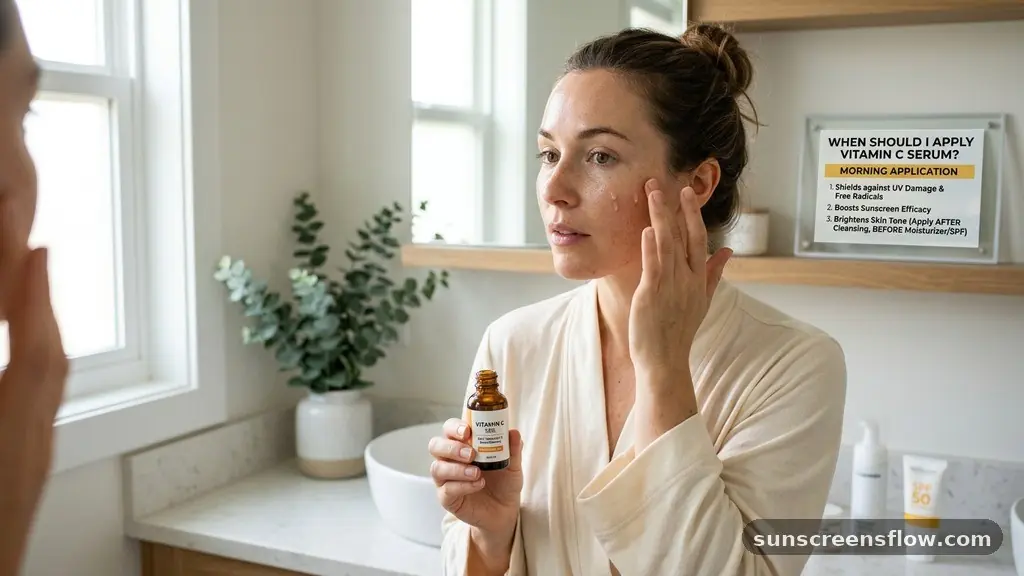
Most dermatological advice centers on the idea that you should apply vitamin C serum during your morning skincare routine. The primary reason for this recommendation lies in the inherent antioxidant properties of the ingredient.
Throughout the day, your skin is exposed to a barrage of environmental stressors, including pollution, smoke, and ultraviolet radiation. These external factors generate unstable molecules known as free radicals, which seek to damage healthy skin cells through a process called oxidative stress.
When you apply a high-quality serum—particularly one formulated with L-ascorbic acid—you are essentially arming your skin with a shield. This active ingredient works by donating electrons to neutralize free radicals before they can cause cellular damage. By applying it in the morning, you ensure that your skin has the highest concentration of protection exactly when exposure is at its peak.
This proactive approach is the most effective way to prevent photoaging, which manifests as fine lines, wrinkles, and leathery skin texture over time. If you wait until the evening, you miss the opportunity to mitigate the damage as it happens, rendering the serum less effective in its primary role as a daytime protector.
The Synergy Between Vitamin C and Sunscreen
One of the most compelling reasons to prioritize morning application is the symbiotic relationship between vitamin C and sunscreen SPF. While many people believe that sunscreen is the only tool needed for sun protection, clinical research suggests that combining a topical antioxidant with a broad-spectrum mineral or chemical filter creates a more robust defense system. Sunscreen works by reflecting or absorbing UV rays, but it is not 100% effective at blocking the formation of free radicals that manage to penetrate the skin’s surface.
When you layer a vitamin C serum under your SPF, you create a dual-action defense. The serum handles the free radicals that bypass your sunscreen, while the sunscreen continues to block the physical UV rays. This combination helps prevent the degradation of collagen synthesis and keeps the complexion looking vibrant.
It is essential to wait a few minutes after applying your serum to allow for full serum absorption before layering your sunscreen on top. If you apply your SPF immediately, you risk diluting the concentration of the vitamin C or disrupting its penetration into the epidermis.
Understanding Proper Skincare Layering
The order in which you apply your products is just as important as the time of day. Because vitamin C serums are generally water-based and have a low pH level, they should be applied as close to the skin as possible.
A standard rule of thumb is to apply your products from thinnest to thickest consistency. After you have used a gentle facial cleanser to remove impurities and prepare the skin, your serum should be the first active treatment applied.
Following the serum, you should move on to other products like hyaluronic acid or a lightweight moisturizer. The moisturizer serves two purposes: it locks in the active ingredients of the serum and reinforces the skin barrier.
If you apply the moisturizer first, you create a barrier that prevents the vitamin C from effectively reaching the deeper layers of the dermis. By following the correct order, you ensure that each product has the optimal environment to perform its function without interference from heavier creams or oils.
| Product Type | Application Order | Reasoning |
|---|---|---|
| Facial Cleanser | 1 | Removes dirt and prepares the skin surface. |
| Vitamin C Serum | 2 | Needs direct contact to penetrate effectively. |
| Hyaluronic Acid | 3 | Hydrates and creates a base for moisture. |
| Moisturizer | 4 | Seals in actives and prevents transepidermal water loss. |
| Sunscreen SPF | 5 | Final protective layer against UV damage. |
Addressing the Nighttime Application Debate
Many users wonder if they can use their serum at night. While morning is considered the “gold standard” for protection, nighttime application is not necessarily harmful, though it serves a different purpose.
During the night, your skin enters a repair mode. Some clinical studies suggest that applying vitamin C in the evening can assist in the reversal of existing damage, such as hyperpigmentation and uneven skin tone, by supporting the natural cellular turnover process.
However, there is a catch: if you are using other potent active ingredients like retinol or AHA BHA exfoliants, layering them with vitamin C can be problematic. Most dermatologists advise against using vitamin C and retinol simultaneously because the different pH requirements can lead to irritation or render the products ineffective.
If you want to use both, it is usually best to keep the vitamin C in the morning and reserve your retinoids or exfoliating acids for the evening. This separation prevents the skin from becoming overwhelmed and minimizes the risk of redness, stinging, or peeling.
Navigating Potential Irritation and Sensitivity
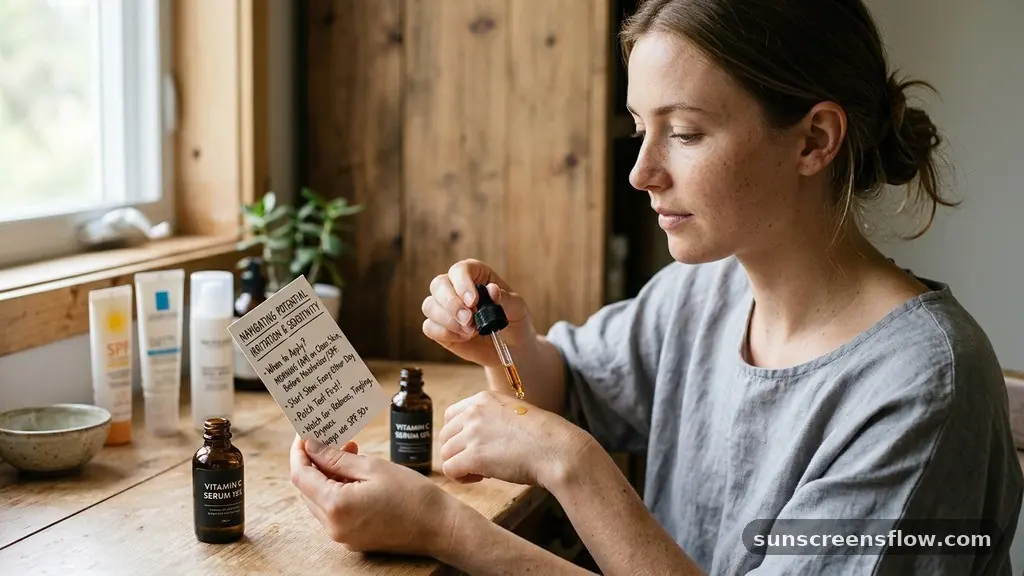
Because vitamin C is a potent active ingredient, it can cause sensitivity, especially for those with compromised skin barriers. If you are new to using these products, you should always perform a patch testing procedure.
Apply a small amount of the serum to your inner forearm or behind your ear and wait 24 hours to see if any redness or itching occurs. This simple step can save you from a major reaction on your face.
Furthermore, the concentration of the serum matters. Products with 15% to 20% L-ascorbic acid are highly effective but can be harsh. If you experience tingling or discomfort, you might consider starting with a lower concentration or applying it every other day until your skin builds a tolerance.
Remember that the goal is skin brightening and long-term health, not immediate results at the expense of your skin’s comfort. If irritation persists, consult with a professional to determine if your specific skin type is better suited for a more stable, less acidic derivative of vitamin C.
The Importance of Product Stability and Oxidation
One factor that often gets overlooked is the quality of the serum itself. Vitamin C is notoriously unstable and prone to oxidation when exposed to light, air, and heat.
When a serum oxidizes, it turns a dark yellow or orange color and loses its efficacy. To ensure your serum is actually doing its job, you must store it in a cool, dark place—preferably in an opaque bottle.
If your serum has changed color significantly, it is likely no longer effective and could potentially cause irritation. Using an oxidized product is essentially useless because the antioxidant properties have been destroyed.
When shopping for a product, look for airless pump packaging rather than droppers, as the latter exposes the liquid to oxygen every time you open the bottle. By maintaining the integrity of the formula, you ensure that when you do apply it, your skin receives the full benefit of the active ingredient.
Topical Gaps: Addressing Common Myths
There is a lot of misinformation circulating about vitamin C. One common myth is that it makes your skin more sensitive to the sun. In reality, it does the exact opposite; it helps your skin defend itself against the sun.
Another gap in public knowledge is the belief that higher concentrations are always better. In reality, the skin has a saturation point—usually around 20%—beyond which adding more vitamin C does not provide additional benefits and only increases the likelihood of irritation.
Another point of confusion is whether vitamin C can be used with other actives. While we have already mentioned the caution regarding retinol, many people also fear mixing it with niacinamide. While early research suggested that these two ingredients could cancel each other out, modern formulations are much more stable.
Most experts now agree that they can be used together, provided you allow enough time for each to absorb. The key is to listen to your skin rather than following rigid, outdated rules that may not apply to modern, stabilized cosmetic chemistry.
- Always store your serum in a cool, dry, and dark environment to prevent premature oxidation.
- Check the color of your serum regularly; if it turns dark brown, it has likely lost its potency.
- Wait at least 60 seconds between applying different skincare layers to ensure proper absorption.
- If you have sensitive skin, start with a lower percentage of vitamin C to see how your skin reacts.
- Always prioritize wearing sunscreen during the day, as vitamin C is not a replacement for SPF.
- If you use chemical exfoliants, space them out from your vitamin C application to avoid irritation.
Maximizing Long-Term Skin Health
To truly reap the rewards of a vitamin C serum, consistency is paramount. It is not a “quick fix” ingredient that will transform your complexion overnight. Instead, it works cumulatively.
By committing to a daily morning application, you are investing in the prevention of future damage. Over the course of several months, regular users typically notice a more even skin tone, reduced appearance of dark spots, and a subtle glow that comes from a well-protected and nourished complexion.
Ultimately, the best time to apply your vitamin C serum is whenever you can realistically and consistently include it in your morning routine. Whether you have a five-step process or a minimalist approach, the protection it offers against environmental stressors is an essential component of any anti-aging regimen. By pairing it with a diligent sunscreen habit and a consistent cleansing routine, you provide your skin with the tools it needs to remain healthy, resilient, and radiant for years to come.
Frequently Asked Questions
Can I use vitamin C serum every day?
Yes, most skin types can tolerate daily application of vitamin C. If you are new to the ingredient, start by using it every other day to monitor for sensitivity, then gradually increase to daily use as your skin adapts to the active formula.
Does vitamin C serum replace my moisturizer?
No, vitamin C serum is a treatment step, not a moisturizer. While it provides antioxidant benefits, it does not contain the occlusive agents necessary to lock in hydration and prevent water loss. Always follow up with a moisturizer to keep your skin barrier healthy and hydrated.
Is it okay to apply vitamin C on wet skin?
It is generally better to apply vitamin C on dry or slightly damp skin. Applying it to soaking wet skin can increase the rate of penetration, which may lead to irritation for some people. Pat your skin dry after cleansing before applying your serum for the best results.
Should I store my vitamin C in the refrigerator?
While not strictly required, storing your vitamin C serum in a cool, dark place like a refrigerator can help slow down the process of oxidation, especially if you live in a warm or humid climate. Just ensure it is kept away from food items and moisture.


