


Knowing what is eye serum helps you understand how to treat the delicate skin surrounding your eyes more effectively than standard moisturizers. Because the periorbital area is thinner and more sensitive than the rest of your face, it requires specialized care to address concerns like puffiness or dryness. Incorporating these lightweight, potent formulas into your routine can provide targeted benefits that heavy creams simply cannot match.
By focusing on active ingredients designed for rapid delivery, you can improve your skin’s resilience and appearance. This article explores the science behind these treatments, helping you decide if they belong in your daily regimen for better long-term results.
The Fundamental Differences Between Serum and Cream
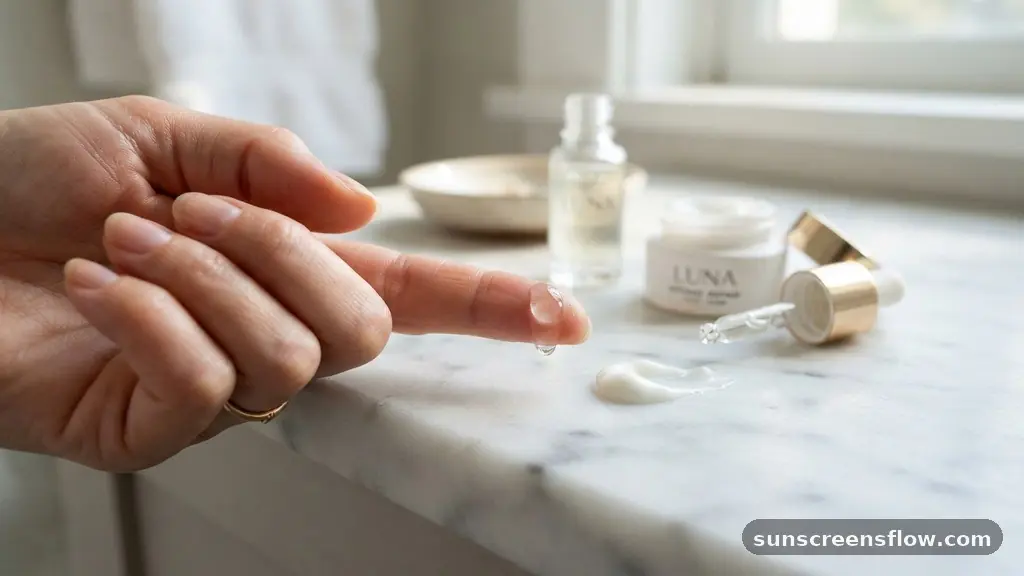
When asking what is eye serum, the most common point of confusion involves how it differs from a standard eye cream. The primary distinction lies in the product’s viscosity and molecular weight.
Serums are engineered with a thinner, more fluid consistency, which allows for faster absorption into the skin. While an eye cream often acts as a sealant to lock in moisture, a serum acts as a delivery vehicle for high concentrations of active ingredients.
Think of a serum as the concentrated treatment phase of your routine, while a cream serves as the protective topcoat. Because they lack the heavy occlusive oils found in creams, serums penetrate the epidermis more efficiently.
This makes them ideal for treating specific issues like fine lines or hyperpigmentation without leaving a greasy residue that might interfere with makeup application. Using both products together can create a synergistic effect, providing deep treatment followed by lasting hydration.
Key Ingredients That Drive Efficacy
The power of any treatment depends entirely on its formula. When you look at the label of a high-quality product, you will likely encounter several heavy-hitting ingredients.
Hyaluronic acid is perhaps the most common, serving as a humectant that pulls moisture into the skin to provide immediate plumping. This is essential because the skin around the eyes often loses hydration faster than other areas of the face.
Beyond hydration, you will often find ingredients focused on structural support and brightening. Peptides are frequently included to support natural collagen production, which helps keep the skin firm over time.
Retinol is another powerhouse, though it must be used with caution in the periorbital area due to its potency. Vitamin C is frequently added to provide antioxidant protection, helping to neutralize free radicals and brighten the appearance of dark circles.
| Ingredient | Primary Benefit | Best For |
|---|---|---|
| Caffeine | Vasoconstriction | Reducing puffiness |
| Hyaluronic Acid | Moisture retention | Dehydration and fine lines |
| Retinol | Cell turnover | Deep wrinkles and texture |
| Vitamin C | Brightening | Dark circles |
Addressing Puffiness and Lymphatic Drainage
One of the most popular reasons for using an eye serum is to manage morning puffiness. The skin in the eye area is prone to fluid retention, especially after a long night or a high-sodium meal.
Caffeine is the gold standard ingredient for this concern because it acts as a vasoconstrictor, meaning it helps to narrow the tiny blood vessels under the skin. This action effectively reduces the appearance of swelling.
To maximize the benefits of these formulas, the method of application matters. Using your ring finger to gently tap the product into the skin can stimulate mild lymphatic drainage.
You are not just applying a chemical; you are performing a mechanical action that helps move stagnant fluid away from the eye area. Consistent, gentle pressure helps the serum work in tandem with your body’s natural circulation to keep your eyes looking refreshed and alert.
Targeting Dark Circles and Pigmentation
Dark circles are complex, often stemming from a combination of thin skin, genetics, and vascular issues. When you search for what is eye serum in the context of discoloration, you are likely looking for brightening agents.
Niacinamide is a fantastic addition to these formulas because it helps improve skin texture and tone while reinforcing the skin barrier. It is gentle enough for daily use and works well alongside other brightening agents like vitamin C.
It is important to manage expectations, however. If your dark circles are caused by deep-set bone structure or shadows, topical products will have limited impact.
However, if the darkness is caused by hyperpigmentation or thinning skin, consistent use of antioxidants and peptides can lead to a visible improvement over time. By protecting the delicate periorbital area from environmental stressors, you prevent further darkening caused by sun damage and inflammation.
Combating Fine Lines and Crow’s Feet

As we age, the decrease in collagen synthesis leads to the formation of fine lines and crow’s feet. Because this area is subject to constant movement from blinking and facial expressions, it is often the first place to show signs of aging.
Anti-aging serums are designed to address these concerns by delivering active ingredients that encourage cellular repair. Retinol, for instance, remains the industry standard for stimulating collagen production and smoothing out skin texture.
Peptides are another essential component for long-term maintenance. These chains of amino acids act as messengers, signaling the skin to produce more structural proteins.
When used regularly, they help maintain the skin’s elasticity, making it more resistant to the formation of deep creases. While you won’t see results overnight, the cumulative effect of using these serums over several months can be profound, resulting in smoother and more resilient skin around the eyes.
The Role of the Skin Barrier
Maintaining a healthy skin barrier is crucial for the eye area. Because this skin is so thin, it is highly susceptible to irritation from harsh cleansers, environmental pollution, and even standard skincare products applied too close to the lash line. A good serum is often formulated with soothing agents that help calm inflammation and prevent transepidermal water loss.
If your barrier is compromised, you may experience redness, stinging, or increased sensitivity. Ingredients like ceramides or soothing botanical extracts are often included in high-quality serums to ensure the product remains gentle.
By prioritizing barrier health, you ensure that the active ingredients can penetrate effectively without causing the very irritation you are trying to avoid. Always look for fragrance-free, ophthalmologist-tested options to minimize the risk of a reaction.
Application Techniques and Best Practices
Understanding what is eye serum is only half the battle; knowing how to use it correctly is equally important. Many people make the mistake of applying too much product, which can lead to migration—where the serum travels into the eye and causes irritation. You only need a tiny amount, roughly the size of a grain of rice, to cover the orbital bone of both eyes.
- Cleanse your face thoroughly before application to ensure no residue blocks absorption.
- Dispense a small amount onto your ring finger, which has the lightest touch of all your fingers.
- Dot the product along the orbital bone, starting from the inner corner and moving outward.
- Avoid getting too close to the lash line to prevent the serum from entering the eye.
- Allow the product to absorb fully for at least one minute before applying moisturizer or makeup.
Following these steps ensures that you get the most out of your investment while protecting your eyes from unnecessary discomfort. Consistency is the most important factor in seeing results, so try to make it a non-negotiable part of your morning and evening routine.
Common Topical Gaps in Eye Care
A frequent gap in knowledge involves the difference between treating the skin and treating the lashes. Some modern eye serums now include ingredients designed to condition the eyelashes as well as the skin.
While traditional formulas focus strictly on the periorbital area, newer iterations offer a dual-purpose approach. This is an excellent way to simplify your routine if you are looking for efficiency.
Another gap is the timing of application. Many users wonder if they should apply their serum before or after their facial moisturizer. As a general rule, you should apply products from the thinnest consistency to the thickest.
Since eye serums are typically the thinnest products in your cabinet, they should always go on first. Applying a thick face cream before your eye serum will create a barrier that prevents the delicate eye treatment from reaching the skin it is intended to help.
Dermatological Considerations and Safety
Because the eyes are so sensitive, it is natural to be cautious about what you apply near them. Dermatological guidelines suggest avoiding products with high concentrations of essential oils or harsh fragrances, as these are common culprits for contact dermatitis. If you have a history of sensitive skin, perform a patch test on your forearm before applying any new product to your eye area.
If you are using active ingredients like retinol or strong vitamin C derivatives, start slowly. Begin by using the product every other night to see how your skin responds. If you experience excessive peeling or redness, decrease your frequency.
Over time, your skin will build tolerance, allowing you to reap the benefits of these powerful ingredients without compromising your comfort. Always remember that sunscreen is the most important part of your anti-aging routine; no amount of serum can undo the damage caused by unprotected UV exposure.
FAQ
What is the main difference between eye cream and eye serum?
Eye serum has a thinner, more fluid consistency designed for rapid absorption and deep delivery of active ingredients. Eye cream is typically thicker and contains occlusive agents that create a protective barrier to lock in moisture and prevent hydration loss throughout the day.
When should I use eye serum in my skincare routine?
You should apply eye serum after cleansing and toning but before applying your heavier facial moisturizer or SPF. Because it has the lowest viscosity, it must be applied first to ensure it penetrates the skin effectively without being blocked by thicker, cream-based products.
Can eye serum actually help with dark circles?
Yes, if the dark circles are caused by hyperpigmentation or thin skin, a serum containing vitamin C, niacinamide, or peptides can help. These ingredients brighten the skin and improve collagen production, though results depend on the underlying cause, such as genetics or sleep deprivation.
Is it necessary to use an eye serum if I use a face serum?
While some face serums are safe for the eye area, many contain active ingredients at concentrations that are too harsh for the delicate periorbital skin. Dedicated eye serums are specifically formulated to be gentle while still providing targeted benefits for the unique needs of that area.
Conclusion
Integrating a targeted eye treatment into your skincare regimen can bridge the gap between simple hydration and effective, long-term skin maintenance. By understanding what is eye serum and how its specific formulation addresses issues like puffiness, fine lines, and discoloration, you can make more informed choices about the products you use. Focus on consistency, gentle application, and high-quality ingredients that support your skin’s natural barrier.
Whether you are addressing early signs of aging or simply want to brighten your appearance, the right formula can be a powerful ally. Take the time to identify your primary concerns, choose a product that aligns with your goals, and enjoy the process of caring for your skin. If you remain uncertain about your specific needs, consulting with a dermatologist is always a wise step to ensure your routine is safe and effective.


