

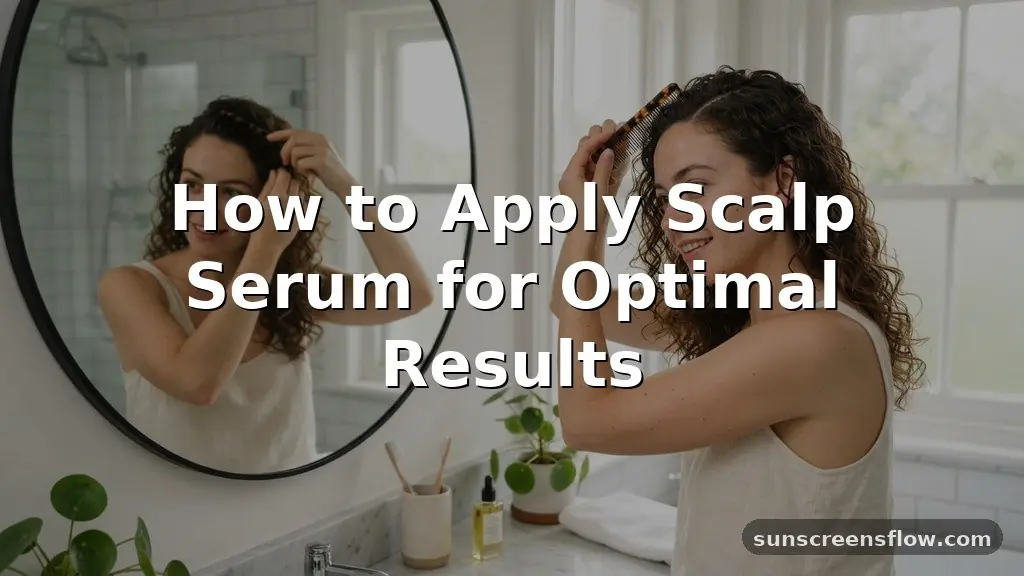
Achieving healthy, vibrant hair often starts at the foundation: your scalp. Many people focus exclusively on the hair strands themselves, ignoring the skin from which their hair grows. Learning how to apply scalp serum correctly is a transformative step in any hair care routine, as it ensures that potent active ingredients reach the dermis where they can do the most good.
Whether you are dealing with hair thinning, dryness, or oiliness, a high-quality serum acts as a targeted delivery system for nutrients. By understanding the proper application techniques, you can improve topical absorption, support a balanced scalp microbiome, and create the ideal environment for your hair growth cycle to thrive.
Preparing Your Scalp for Treatment
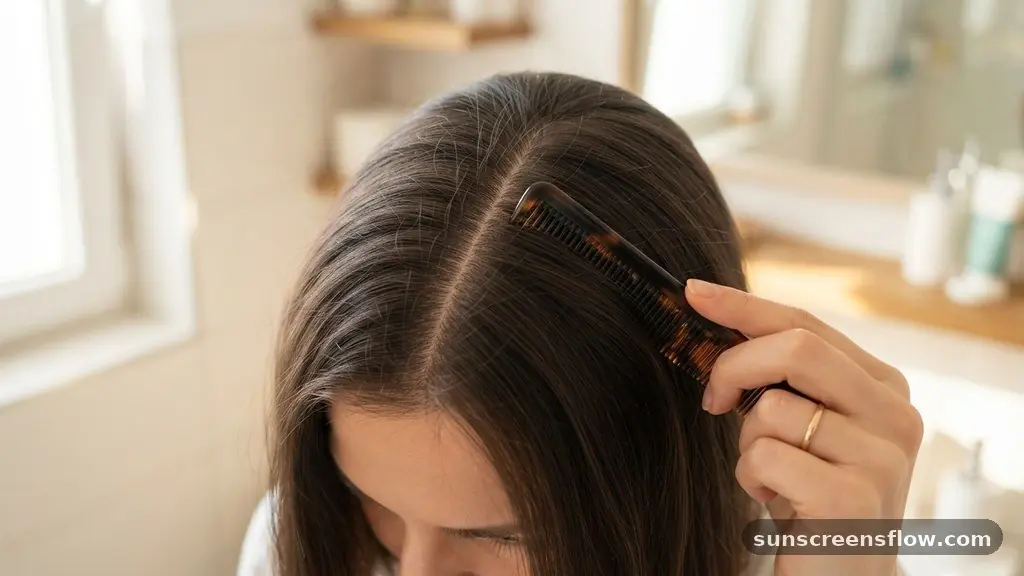
Before you even reach for the bottle, you must ensure your scalp is properly prepared. Applying products to a dirty or clogged scalp can prevent the serum from penetrating the skin, effectively wasting your time and product. The best results occur when you apply the formula to a clean scalp.
This doesn’t necessarily mean you must wash your hair immediately before every application, but the area should be free of heavy product buildup, excess sweat, and environmental pollutants. If you have been using styling gels, dry shampoos, or heavy pomades, these substances can form a barrier that blocks the serum from reaching the follicle.
When preparing, consider your hair’s current state. Most experts recommend applying these treatments to damp hair or towel-dried hair, as the skin is often more receptive to absorption right after a shower. However, some specific formulations are designed for dry use, so always check the manufacturer’s instructions.
If you are applying the product to a clean scalp, you are already halfway to success. Gently detangle your hair to ensure you can reach the skin easily without snagging or pulling. By starting with a clean, prepped base, you allow the serum to interact directly with the scalp tissue rather than just coating your hair strands, which is a common mistake that leads to greasy-looking hair without providing any actual scalp benefits.
Mastering the Parting Technique
One of the most common reasons people fail to see results from scalp treatments is that they apply the product haphazardly. To ensure even coverage, you must master the art of parting hair. Think of your scalp as a garden that needs even irrigation.
If you simply dump the serum in one spot, you will have an uneven distribution of ingredients. Instead, use a comb or your fingers to create straight, clean parts across your head. Starting at the front hairline and working your way back toward the crown, create sections about an inch apart.
Using a dropper applicator is the most precise way to handle this. By placing the tip of the dropper directly against the scalp along each part, you can deposit a small amount of liquid exactly where it is needed. This method prevents the serum from running down your face or soaking into the lengths of your hair.
As you move from one part to the next, be methodical. Focus on areas where you notice hair thinning or where you feel specific discomfort, such as itching or tightness. This systematic approach ensures that every square inch of your scalp receives the necessary nutrients, fostering a more uniform improvement in hair density and overall health.
The Importance of Proper Massage Technique
Once the serum is deposited along your parts, the next critical phase is the massage technique. Simply letting the product sit on the surface is rarely enough; you need to encourage deeper penetration. Using the pads of your fingers—never your fingernails, which can cause micro-tears—gently massage the serum into the skin.
Use circular motions to stimulate blood flow, which in turn helps with follicle stimulation. Increased circulation delivers more oxygen and nutrients to the hair roots, which is essential for supporting a healthy hair growth cycle.
The massage should be firm but gentle. You aren’t trying to scrub the scalp; you are trying to ensure the liquid is evenly distributed and absorbed into the dermis. Spend at least two to three minutes working the product in.
This process also helps break up any residual sebum regulation issues, as the physical manipulation of the skin can help loosen stubborn oils. If you feel tension in your scalp, this massage can also be a relaxing ritual that reduces stress, which is a known factor in hair health. By consistently using this technique, you enhance the efficacy of the active ingredients, ensuring they penetrate the protective layers of the skin to reach the hair bulbs.
Choosing the Right Formulation for Your Needs
Not all serums are created equal, and understanding what is in your bottle is just as important as knowing how to apply it. Modern hair care science has introduced a wide array of specialized compounds. For instance, if your goal is to combat thinning, look for a peptide complex that supports root strength.
If you struggle with an oily scalp, a serum containing salicylic acid might be the better choice, as it gently exfoliates to prevent pore blockages. Those dealing with inflammation or sensitivity should look for soothing agents that protect the scalp barrier.
When selecting your product, consider the texture. A non-greasy formula is essential if you plan to use the serum during the day, as nobody wants a limp, oily appearance. Many high-end serums are designed to dry down completely, leaving no residue behind.
If you are using an overnight treatment, you might opt for something slightly heavier or more nourishing, as your scalp has several hours to absorb the ingredients before you wash your hair in the morning. Below is a table comparing common active ingredients found in scalp serums and their primary functions.
| Active Ingredient | Primary Benefit | Best For |
|---|---|---|
| Biotin | Supports hair structure | Strengthening brittle hair |
| Caffeine | Stimulates blood flow | Encouraging growth |
| Salicylic Acid | Exfoliates dead skin | Oil and buildup control |
| Peptide Complex | Reinforces root health | Thinning hair concerns |
Managing Scalp Inflammation and Sensitivity
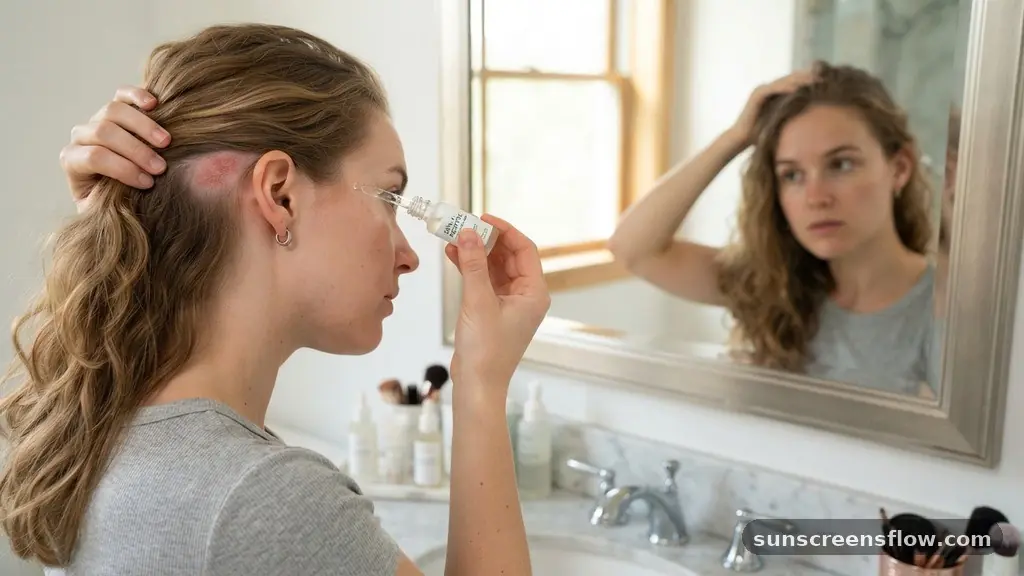
A healthy scalp is a balanced one. Unfortunately, factors like harsh detergents, stress, and environmental pollution can lead to scalp inflammation, which disrupts the natural scalp microbiome. When the scalp is inflamed, the follicles are often compromised, leading to weaker hair and potential shedding.
Using a calming scalp serum is a proactive way to manage this. Look for ingredients that provide a cooling sensation or anti-inflammatory properties, such as aloe vera, tea tree oil, or niacinamide.
If you have a particularly sensitive scalp, you must perform a patch test before applying any new serum to your entire head. Apply a small amount behind your ear or on the inside of your wrist and wait 24 hours to see if any redness or irritation occurs. This simple safety step can save you from a major flare-up.
Once you are sure the product is compatible with your skin, integrate it into your routine slowly. Start by using it two or three times a week rather than daily.
If your scalp reacts well, you can increase the frequency. Maintaining a calm, non-inflamed scalp is the foundation for healthy hair growth, as chronic inflammation can eventually lead to scarring or permanent follicle damage.
Integrating Serums into Your Routine
Consistency is the secret ingredient to seeing visible results. Many users get discouraged because they don’t see an immediate change in hair density after one or two applications. It is important to remember that hair grows in cycles, and it can take several weeks or even months of consistent treatment to notice a significant difference.
To make this easier, tie your scalp serum application to an existing habit. For example, keep the bottle on your bathroom vanity so you see it immediately after you brush your teeth or wash your face.
If you are using a leave-in treatment, consider when it fits best. Some people prefer the morning to give their hair an extra volume boost, while others prefer the evening to allow for a more intensive, restorative treatment while they sleep. If you have a busy lifestyle, you can even apply your serum as part of your post-shower routine while your hair is still damp.
The key is to avoid skipping days. If you find yourself forgetting, set a reminder on your phone. By making the application a non-negotiable part of your self-care ritual, you ensure that your scalp receives the steady supply of nutrients it needs to produce strong, healthy hair.
Common Mistakes to Avoid
Even with the best products, common errors can render your efforts ineffective. One of the biggest mistakes is applying too much product. While more might seem better, an excess of serum can lead to product buildup, which actually attracts dirt and makes the scalp environment less healthy.
Follow the manufacturer’s dosage recommendations; usually, a few drops per section are sufficient. Another error is neglecting the back of the head. It is easy to focus on the hairline and the top of the head because you can see them in the mirror, but the crown and the nape of the neck are just as prone to thinning and inflammation.
Also, avoid applying the serum to hair that is soaking wet. While damp hair is fine, excess water will dilute the serum and cause it to drip down your neck before it has a chance to absorb. Towel-dry your hair until it is just slightly moist to ensure the product stays where you put it.
Finally, do not ignore your scalp’s feedback. If you notice persistent itching, flaking, or redness after using a specific product, stop immediately.
Not every formula works for every scalp, and it may be that a specific active ingredient is not agreeing with your skin chemistry. Listen to your body and adjust your routine accordingly.
- Always perform a patch test on a small area of skin before full application.
- Use a dropper applicator to place the serum directly on the skin, not the hair strands.
- Focus on the areas of the scalp with the most visible thinning or dryness.
- Maintain a consistent schedule to support your natural hair growth cycle.
- Avoid rubbing the serum into the lengths of your hair, as this can cause unnecessary greasiness.
- Keep your scalp clean to maximize topical absorption of active nutrients.
The Science of Topical Absorption
Understanding how your skin absorbs products is key to getting the most out of your scalp care. The scalp is skin, just like the skin on your face, but it is densely populated with hair follicles. These follicles are pathways that allow for deeper penetration of ingredients.
When you apply a serum, you are essentially trying to get the active compounds past the surface layer of the skin and down into the dermis where the hair root resides. This is why the massage technique is so vital—it physically helps push the serum into the follicle openings.
Furthermore, the condition of your scalp barrier plays a huge role in absorption. If your skin is cracked, dry, or irritated, the barrier is compromised, which can lead to increased sensitivity. A healthy barrier, however, regulates what goes in and stays out.
Using a serum that contains humectants or barrier-repairing ingredients can actually improve the skin’s overall health, making it more resilient. Think of the serum not just as a growth stimulant, but as a moisturizer and protector for the skin that supports the entire hair ecosystem. By treating your scalp with the same care you treat your facial skin, you are investing in the long-term health and vitality of your hair.
Addressing Topical Gaps in Scalp Care
Many people wonder why their scalp serum isn’t working as advertised. Often, the issue isn’t the product quality, but the lack of understanding regarding the scalp microbiome. Your scalp is home to a complex ecosystem of bacteria and fungi.
When this balance is disrupted by improper hygiene or harsh chemicals, it can lead to dandruff, excessive oil, or hair loss. A high-quality scalp serum should ideally be formulated to support, not destroy, this balance. If you are struggling with chronic issues, look for serums that contain prebiotics or postbiotics, which help maintain the healthy flora of your scalp.
Another gap often overlooked is the relationship between scalp health and overall systemic health. While a serum can help with local issues, it cannot compensate for a poor diet, high stress levels, or hormonal imbalances. Think of the serum as the “top-down” approach, while diet and lifestyle are the “bottom-up” approach.
For the best results, ensure you are getting enough vitamins, drinking water, and managing your stress. By combining targeted topical treatments with a healthy lifestyle, you create a holistic approach to hair care that addresses both the symptoms and the root causes of your concerns.
Frequently Asked Questions
Is it better to apply scalp serum to wet or dry hair?
Most experts recommend applying scalp serum to damp, towel-dried hair. This allows the skin to be more receptive to absorption immediately after washing. However, if your specific serum is formulated for daily use or dry application, ensure your hair is clean and free of heavy styling products first.
How often should I use a scalp serum for hair growth?
Consistency is key for hair growth. Most serums should be used daily or at least three to four times per week. Because the hair growth cycle is slow, you should expect to use the product consistently for at least three months before seeing noticeable changes in hair density.
Can I leave scalp serum on overnight?
Yes, an overnight treatment is often highly effective because it allows the active ingredients more time to penetrate the skin without the interference of daily pollutants. If you choose this method, ensure the serum is non-greasy so it does not transfer to your pillowcase or weigh down your hair.
Do I need to wash my hair after applying serum?
Generally, no. Most modern scalp serums are designed as leave-in treatments that dry down without leaving a sticky or greasy residue. If you notice significant buildup, you may be using too much product. If a serum is intended to be rinsed out, the instructions will specify this clearly.
Conclusion
Learning how to apply scalp serum is an essential skill for anyone serious about their hair health. By moving beyond simple washing and conditioning, you provide your follicles with the concentrated nutrients they need to thrive. Remember to start with a clean scalp, use a precise application method like a dropper to reach the skin, and incorporate a gentle massage to boost circulation and absorption.
Whether you are using a formula rich in biotin, caffeine, or a specialized peptide complex, the effectiveness of your treatment relies on your consistency and technique. Take the time to understand your scalp’s unique needs, maintain a balanced scalp microbiome, and be patient with the process. With the right approach, you can create a healthy, nourished foundation that supports stronger, denser hair for years to come.


